10 Best Kitchen Scraps for Your Garden DIY Natural Fertilizer Organic Gardening Tips
Transforming your kitchen from a place of waste into a powerhouse of plant nutrition is one of the most rewarding shifts you can make as a gardener. Most of us are conditioned to see onion skins, coffee grounds, and eggshells as mere garbage, things to be bagged up and hauled away to a landfill. However, if you look closer at those scraps, you are actually looking at concentrated packets of nitrogen, phosphorus, potassium, and vital micronutrients that your garden is craving. By rethinking what we throw away, we can create a closed-loop system that saves money and produces the healthiest vegetables and flowers you have ever grown.
The Magic of Natural Fertilizers from Your Kitchen
The concept of using kitchen waste in the garden is as old as agriculture itself, yet in our modern age of plastic bottled fertilizers and chemical sprays, we have lost touch with these simple methods. When you use natural scraps, you are not just feeding the plants; you are feeding the soil. Synthetic fertilizers often provide a quick hit of nutrients that can eventually degrade soil structure and kill off beneficial microbes. In contrast, organic matter from your kitchen breaks down slowly, improving the soil texture and encouraging a diverse ecosystem of worms and bacteria that keep your garden thriving for the long term.
Why Stop Throwing Away Your Scraps
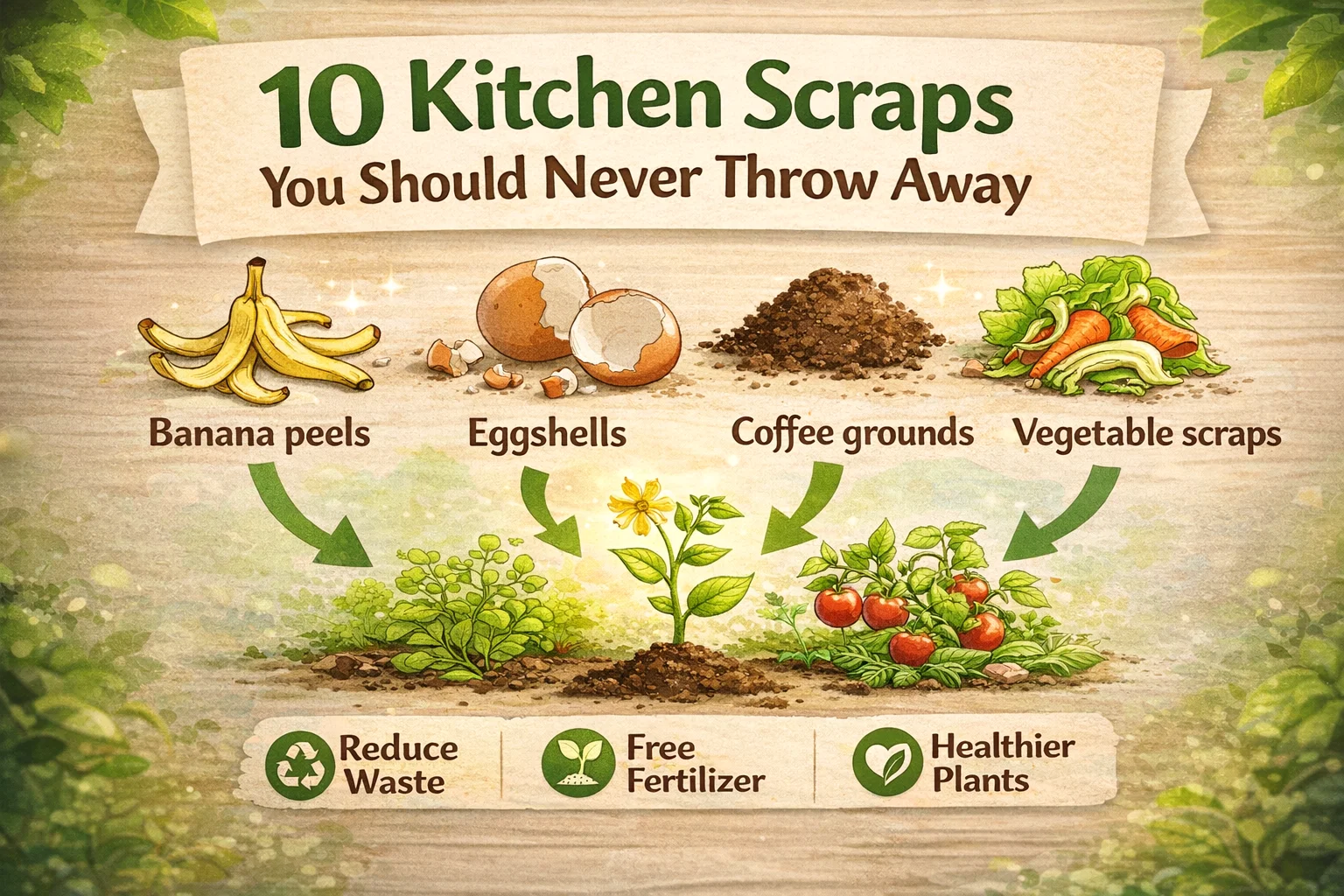
There are three major reasons to start saving your kitchen waste today. First, it is entirely free. Gardening can become an expensive hobby when you start adding up the costs of soil amendments and specialized plant foods. Second, it is significantly better for the environment. Organic waste in landfills produces methane gas, but in your garden, it turns into life-giving compost. Finally, your plants will genuinely look better. Natural fertilizers provide a wide spectrum of minerals that store-bought versions often lack, leading to more vibrant colors and more flavorful harvests.
1. Banana Peels: The Potassium Powerhouse
Banana peels are perhaps the most famous kitchen scrap for gardeners, and for good reason. They are loaded with potassium, which is essential for fruit and flower development. If your tomato plants are looking a bit lackluster or your rose bushes are not blooming as they should, banana peels might be the answer. Potassium helps plants move water and nutrients between cells, strengthening the stems and helping them resist disease.
How to Use Banana Peels in the Garden
You can simply bury the peels directly into the soil near the base of your plants. As they decompose, they release their nutrients directly to the roots. Another popular method is making banana peel tea. Soak the peels in a jar of water for forty eight hours, then use that mineral-rich water to give your houseplants or garden beds a refreshing boost. This is an excellent way to provide a quick liquid fertilizer without any chemical runoff.
2. Eggshells: Nature’s Calcium Supplement
If you enjoy eggs for breakfast, you are sitting on a goldmine of calcium carbonate. Calcium is crucial for building strong cell walls in plants. A lack of calcium is the primary cause of blossom end rot in tomatoes and peppers, a frustrating condition where the bottom of the fruit turns black and mushy. Instead of buying expensive calcium sprays, you can use what you already have.
Preparing Eggshells for Maximum Absorption
To get the most out of eggshells, it is best to rinse them and let them dry out completely. Once dry, crush them into a fine powder using a blender or a mortar and pestle. The smaller the pieces, the faster the soil can absorb the calcium. You can sprinkle this powder directly into the planting hole when you are putting in new seedlings to give them a head start on building a strong foundation.
3. Coffee Grounds: A Nitrogen Boost for Acid Lovers
Do not toss those used coffee grounds after your morning brew. Coffee grounds are a fantastic source of nitrogen, which is the nutrient responsible for lush, green leaf growth. While many people worry that coffee is too acidic, used grounds are actually closer to neutral in pH because the acid stays in the liquid you drink. However, they are still particularly loved by acid-loving plants like blueberries, azaleas, and hydrangeas.
Using Coffee Grounds as a Soil Amendment
Coffee grounds can be spread thinly over the surface of your soil as a mulch, or you can scratch them into the top few inches of the dirt. They also improve soil tilth and drainage. An added bonus is that many gardeners find that the gritty texture and scent of coffee grounds help deter pests like slugs and snails, making it a dual-purpose tool for your backyard oasis.
4. Vegetable Scraps: The Ultimate Compost Base
Vegetable scraps encompass everything from carrot tops and potato peelings to the ends of your zucchini. These scraps are the backbone of any good composting system. They provide a diverse range of vitamins and minerals that create a well-rounded diet for your plants. Instead of focusing on just one type of waste, a mix of various vegetables ensures that your soil gets a little bit of everything it needs.
The Benefits of Chopping Your Scraps
When adding vegetable scraps to your garden or compost pile, it helps to chop them into smaller pieces. This increases the surface area for microbes to work on, speeding up the decomposition process significantly. If you do not have a compost pile, you can practice trench composting. Dig a small hole in an empty spot in your garden, bury your veggie scraps, and let them rot in place. By the time you are ready to plant in that spot, the soil will be incredibly rich.
5. Onion and Garlic Skins: Natural Pest Protection
While onion and garlic skins do not break down as quickly as a piece of lettuce, they offer unique benefits. The pungent oils found in these skins are natural deterrents for many common garden pests. Furthermore, the skins contain potassium and sulfur, which help plants build up their natural defenses against fungus and mold.
Steeping a Protective Spray
You can create a simple pest repellent by steeping onion and garlic skins in warm water for a few days. Strain the liquid into a spray bottle and use it on the leaves of plants that are being targeted by aphids or mites. It is a gentle, non-toxic way to keep your garden safe while also recycling parts of the vegetable that usually go to waste.
6. Citrus Peels: A Scented Deterrent
Oranges, lemons, and grapefruits leave behind thick, aromatic peels that can be very useful in the garden. While you should use them in moderation in a traditional compost bin because they can be slow to break down, they are excellent for keeping unwanted visitors away. Cats, in particular, dislike the smell of citrus and will often avoid garden beds where peels are present.
Using Citrus for Soil Acidity
If you have a plant that truly thrives in acidic conditions, finely chopped citrus peels can help lower the soil pH slightly over time. Just be sure to bury them or mix them into the soil so they do not attract fruit flies. The high vitamin C content also provides a subtle boost to the overall health of the soil microbiome.
7. Nut Shells: Long Lasting Mulch
Peanut shells, walnut shells, and other nut casings are often overlooked, but they serve as a wonderful, slow-releasing mulch. Because they are tough and fibrous, they take a long time to decompose. This makes them perfect for creating a protective layer on top of the soil that helps retain moisture and suppress weeds.
Aeration and Drainage Improvements
If you have heavy clay soil, mixing in crushed nut shells can help create small pockets of air, improving drainage and preventing the soil from becoming a compacted mess. They act similarly to perlite but are a completely natural and recycled alternative. Just ensure the shells are unsalted, as excess salt can be harmful to most garden plants.
8. Corn Husks and Cobs: Structural Support
In the summer months, corn husks and cobs are a common waste product. While the cobs take quite a while to break down, they are excellent for the bottom of a raised bed. They act like a sponge, holding onto moisture deep in the ground where roots can reach it during a dry spell.
Carbon for Your Compost
Dried corn husks are a great source of carbon, which is the brown material needed to balance out the green, nitrogen-rich scraps in a compost pile. If you have a lot of wet, slimy kitchen waste, adding dried husks can help balance the moisture levels and prevent your compost from smelling bad.
9. Stale Bread and Grains: Feeding the Microbes
While you should avoid putting large amounts of bread in a compost bin because it can attract rodents, small amounts of stale bread or leftover plain rice can be buried deep in the garden. These grains provide carbohydrates that act as fuel for the beneficial bacteria in the soil. These bacteria are the unsung heroes of your garden, working tirelessly to convert organic matter into plant-available nutrients.
10. Used Tea Leaves: Gentle Nourishment
Much like coffee grounds, used tea leaves are a soft, nutrient-rich addition to your soil. They contain small amounts of nitrogen and help improve the soil structure. If you use tea bags, just make sure they are made of natural fibers rather than plastic mesh before burying them.
Revitalizing Houseplants with Tea
Tea leaves are particularly great for houseplants that prefer a slightly damp, organic-rich environment. You can open the bags and sprinkle the leaves directly onto the potting soil. This provides a very gentle, slow-release feeding that is perfect for delicate indoor greenery.
Conclusion: Cultivating a Greener Future
Starting a garden-focused recycling program in your kitchen is one of the most impactful steps you can take toward a sustainable lifestyle. It changes your perspective on waste, turning every meal into an opportunity to nourish the earth. By utilizing these ten common kitchen scraps, you are reducing your environmental footprint while creating a lush, vibrant garden that reflects the care you put into it. Your plants will be healthier, your soil will be richer, and you will have the satisfaction of knowing that nothing in your kitchen is truly going to waste. Start small today by saving those eggshells or coffee grounds, and watch as your garden transforms into a thriving, natural masterpiece. Save for later and keep your garden growing strong!