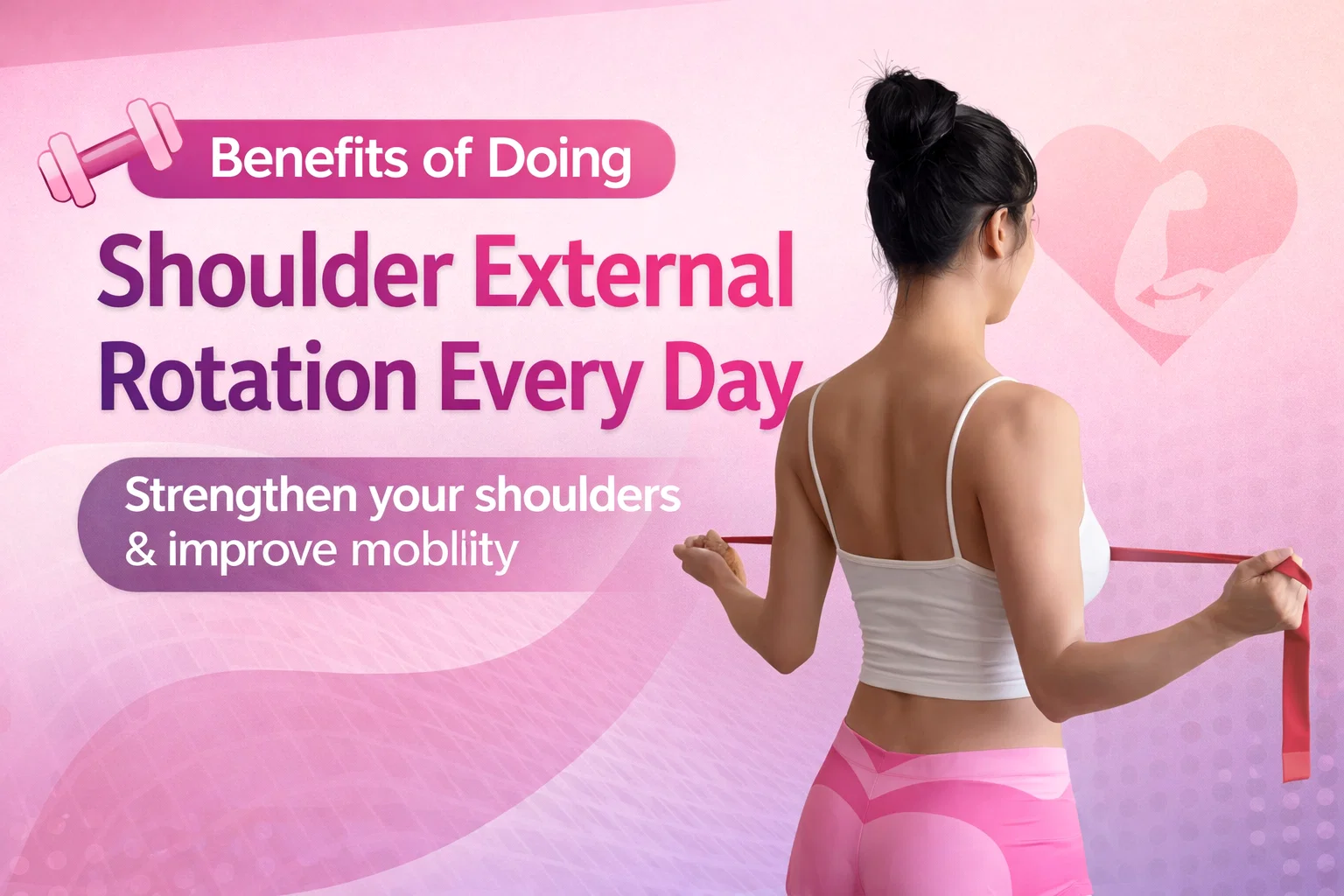
10 Min External Rotation for Toned Arms Perfect Posture Daily Shoulder Sculpting
Imagine standing in front of a mirror and seeing a version of yourself that radiates confidence, strength, and grace. It is not just about the muscle definition in your arms or the flatness of your stomach; it is about the way you carry yourself. Posture is the silent language of self-assurance, yet in our modern world of desks, smartphones, and long commutes, most of us are subconsciously folding inward. The rounded shoulders and forward head tilt have become the new skeletal norm, but there is a remarkably simple, science backed movement that can reverse this trend in just ten minutes a day: the shoulder external rotation.
When you look at the mechanics of the human body, the shoulder is the most mobile joint we possess. This mobility is a gift, but it comes with a high demand for stability. Most of our daily activities are “anterior dominant,” meaning we reach forward, type forward, and lean forward. This overworks the muscles in the front of the chest while the muscles in the upper back and the back of the shoulders become overstretched and weak. By incorporating a daily habit of 100 external rotations, as seen in the viral fitness trends today, you are essentially hitting the reset button on your alignment.
The Anatomy of the Perfect Posture
To understand why this specific movement is so effective, we have to look beneath the skin at the rotator cuff. This group of four muscles and their tendons act as the stabilizers for your shoulder joint. Specifically, the infraspinatus and teres minor are responsible for rotating the arm bone outward. When these muscles are strong and active, they act like natural architectural cables, pulling your shoulders back into their proper socket alignment and opening up your chest cavity.
Poor posture is often described as “Upper Crossed Syndrome.” This is where the pectorals and neck extensors are tight, while the deep neck flexors and lower stabilizers of the shoulder blade are weak. This imbalance creates that slumped look that many people mistake for just being tired. In reality, it is a structural misalignment that can lead to chronic headaches, reduced lung capacity, and even low energy levels. By focusing on external rotation, you are directly targeting the weakness in this “cross,” allowing your body to stack itself correctly over your center of gravity.
Why 10 Minutes is the Magic Number
Many people fail at fitness goals because they believe they need hours in the gym to see a difference. However, when it comes to postural correction and fine muscle toning, frequency and consistency are far more important than intensity. A ten minute focused session allows you to perform high repetitions with low resistance, which is exactly what the smaller stabilizing muscles of the shoulder need to build endurance. Unlike the big “mirror muscles” like the biceps, the rotator cuff responds best to steady, controlled volume.
Shutterstock
Explore
Step by Step Guide to External Rotation
Performing this exercise correctly is vital to ensure you are hitting the right muscles and not just swinging your arms. You can do this with a light resistance band, small dumbbells, or even just against the resistance of your own muscle tension. The goal is to feel a “burn” in the back of the shoulder, not a sharp pain in the joint.
- The Setup: Stand with your feet shoulder-width apart and your spine neutral. Tuck your elbows into your ribs so your arms form a 90-degree angle, with your forearms pointing straight ahead.
- The Movement: Keeping your elbows glued to your sides, slowly rotate your forearms outward as far as your range of motion allows. Imagine your arms are like a set of swinging garden gates.
- The Squeeze: At the peak of the movement, pinch your shoulder blades together slightly. Hold for one second to maximize the activation of the posterior deltoid and rotator cuff.
- The Return: Slowly bring your hands back to the starting position. Control is the most important factor here; do not let the band or weights snap your arms back.
Common Mistakes to Avoid
One of the most frequent errors is “elbow flare.” If your elbows move away from your torso during the rotation, you are likely using your larger back muscles or your lats to cheat the movement. To fix this, you can place a rolled up towel between your elbow and your ribs. If the towel falls, you know your form has broken down. Another mistake is arching the lower back. Ensure your core is engaged and your ribs are tucked down so the movement stays isolated in the upper body.
Beyond the Look: Health Benefits of Shoulder Health
While the aesthetic of toned arms and a proud chest is a huge motivator, the internal benefits of this 10 minute routine are even more significant. Chronic shoulder pain is one of the leading complaints in physical therapy offices, and a large portion of it stems from “impingement.” This happens when the space in the shoulder joint narrows, pinching the tendons. External rotation creates more space in that joint, significantly reducing the risk of injury and long term wear and tear.
Furthermore, better posture has a direct correlation with respiratory health. When you are slumped over, your diaphragm is compressed, making it harder to take deep, oxygenating breaths. By opening the chest, you allow for full lung expansion. This increased oxygen flow can lead to better focus, more energy throughout the workday, and even a reduction in stress hormones like cortisol. Your body perceives a “closed” posture as a defensive, stressed state, while an “open” posture signals safety and confidence to the brain.
How to Stay Consistent with Your Daily Routine
The beauty of the “100 reps or 10 minutes” rule is its portability. You do not need a gym membership or heavy equipment. This is an “anywhere, anytime” exercise. To make sure you actually do it every day, try “habit stacking.” This is the practice of attaching a new habit to one you already have. For example, you could do your rotations while your morning coffee is brewing, or during the first ten minutes of a podcast in the evening.
Building a Lean and Toned Upper Body
While the primary goal here is posture, the side effect is beautifully sculpted arms. The external rotation works the lateral and posterior heads of the deltoids. These are the muscles that give the shoulder that rounded, “capped” look that makes arms look lean and athletic. Because you are performing high repetitions, you are building muscle endurance and tone without adding bulk, which is a common goal for those looking for a graceful, “ballerina-like” frame.
The Psychological Power of Standing Tall
There is a fascinating area of psychology called “embodied cognition,” which suggests that our physical movements and positions can influence our thoughts and emotions. Studies have shown that people who sit or stand in expansive, open postures report feeling more powerful and are more willing to take healthy risks. By spending 10 minutes a day training your body to hold this position, you are essentially training your mind to be more assertive and resilient.
Think of this routine as an act of self-care. In a world that constantly asks us to look down at screens, taking the time to look up and pull your shoulders back is a quiet rebellion. It is a way of saying that your physical well-being and your presence in the room matter. Over time, this 10 minute investment pays dividends in how people perceive you and, more importantly, how you perceive yourself.
Conclusion: Your Path to a Better Silhouette
Correcting years of slouching won’t happen overnight, but the transformation begins the moment you decide to be intentional about your movement. The 10 minute daily shoulder rotation is not just an exercise; it is a lifestyle adjustment that bridges the gap between fitness and functional health. It targets the roots of modern physical discomfort while providing the aesthetic results of a dedicated athlete.
As you move forward, remember that your body is incredibly adaptable. Every repetition is a signal to your nervous system that this new, upright position is where you belong. Start today, stay consistent for thirty days, and watch as your posture shifts, your arms tone up, and your confidence reaches new heights. You have the tools, the time, and the ability to stand tall. It is time to let your posture reflect the best version of you.
Would you like me to help you create a specific 30-day tracking calendar or a list of supplementary stretches to pair with this routine?