10 Must-Know Signs of Vitamin Deficiency Nutrients Your Body is Missing Health Guide
Your body is a complex, highly intelligent machine that works around the clock to keep you performing at your best. However, unlike a car that has a clear dashboard with flashing lights, the human body communicates its needs through subtle physical and mental shifts. Often, these symptoms—like a sudden bout of brain fog, a persistent muscle twitch, or even brittle nails—are dismissed as part of a busy lifestyle or getting older. In reality, these are often the first whispers of a nutritional deficiency. Understanding how to decode these signals is the key to reclaiming your energy and long-term health.
The Silent Language of Nutrient Deficiencies
Most people living in the modern world assume that because they have access to plenty of food, they are automatically meeting their nutritional requirements. Unfortunately, soil depletion, highly processed diets, and high stress levels mean that many of us are overfed but undernourished. When your body lacks a specific vitamin or mineral, it begins to prioritize its remaining resources for vital organs like the heart and lungs. This leaves secondary systems, such as your skin, hair, and muscles, to show the first signs of wear and tear.
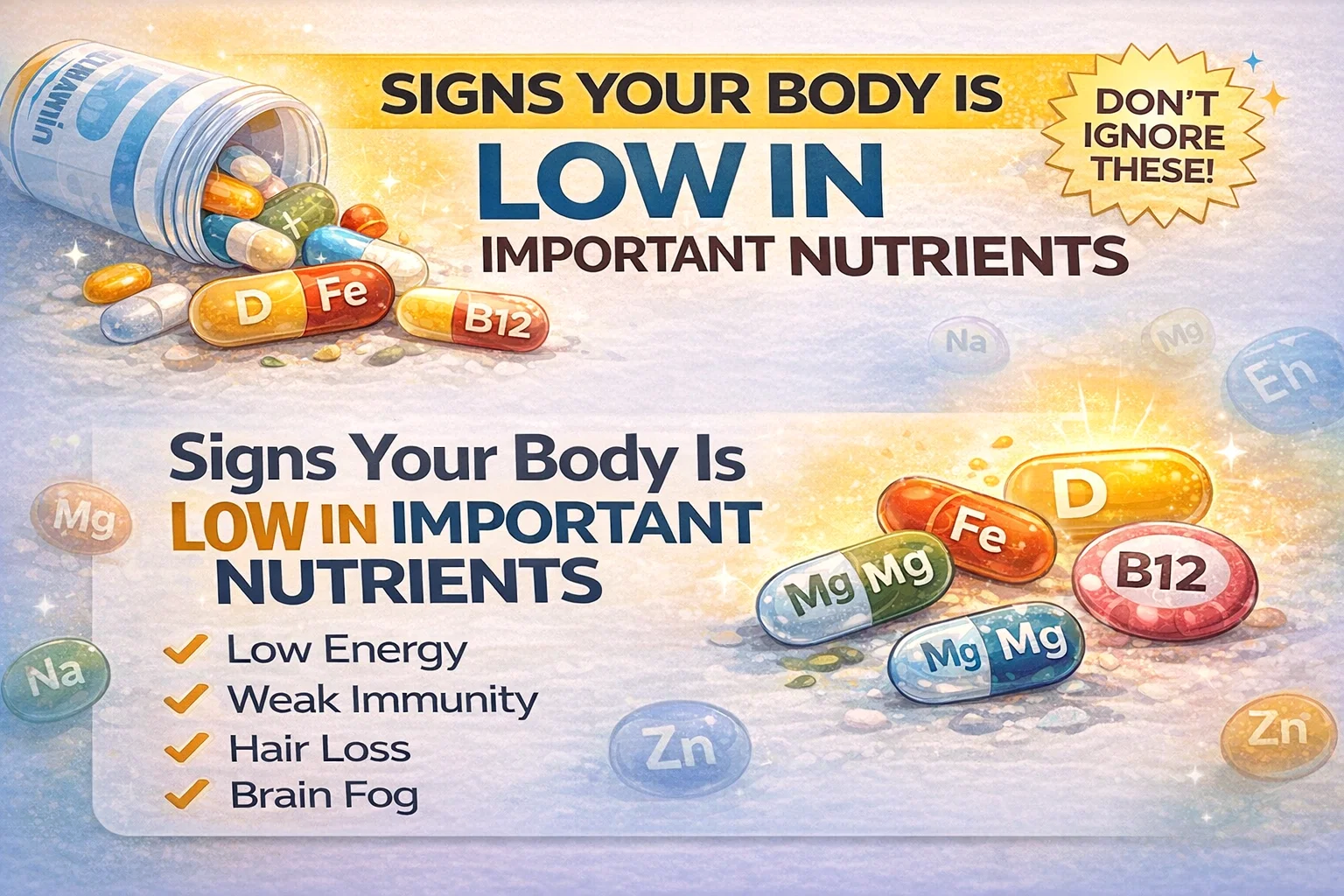
By paying attention to the specific symptoms highlighted in our guide, you can begin to bridge the gap between how you feel now and how you are meant to feel. Let’s dive deep into the most common deficiencies and what your body is trying to tell you.
The Sunshine Vitamin: Vitamin D and Energy
Vitamin D is unique because it acts more like a hormone than a traditional vitamin. It influences over 2,000 genes in the human body and is essential for every single cell. Because many of us spend our days indoors or live in northern climates, Vitamin D deficiency has become a global epidemic.
Recognizing the Signs
If you find yourself struggling with low energy even after a full night of sleep, or if you feel frequent body aches and “heaviness” in your bones, you might be low in Vitamin D. It is also the backbone of your immune system. If you seem to catch every cold that goes around the office, your internal defense system might be lacking the fuel it needs to fight back.
Quick Tips for Vitamin D
- Get Safe Sun Exposure: Aim for 15 to 20 minutes of midday sun on your skin without sunscreen when possible.
- Eat Fatty Fish: Salmon, mackerel, and sardines are some of the few food sources of Vitamin D3.
- Check Your Levels: A simple blood test can tell you exactly where you stand so you can supplement accurately.
The Energy Spark Plug: Iron and Oxygen Flow
Iron is the primary component of hemoglobin, the substance in red blood cells that carries oxygen from your lungs to the rest of your body. When iron levels drop, your cells quite literally start to suffocate for oxygen, leading to profound fatigue.
The Breathless Connection
One of the most telling signs of iron deficiency is breathlessness during activities that used to be easy, such as walking up a flight of stairs. You might also notice that your hands and feet feel perpetually cold, or that you are losing more hair than usual in the shower. For women, period fatigue is a major indicator that iron stores are being depleted faster than they can be replaced.
Magnesium: The Master Relaxer
Magnesium is involved in over 300 biochemical reactions in the body. It helps muscles relax, supports the nervous system, and regulates blood sugar. Despite its importance, it is one of the most common deficiencies seen in clinical practice today.
Twitches, Tension, and Anxiety
Do you ever experience a tiny twitch in your eyelid or a sudden cramp in your calf at night? These are classic signs of magnesium deficiency. Because magnesium helps regulate the stress response, being low in this mineral can lead to increased feelings of anxiety, restless sleep, and even jaw tightness or teeth grinding. If you wake up with a sore jaw, your body might be screaming for magnesium.
Ways to Boost Magnesium
- Leafy Greens: Spinach and kale are packed with magnesium.
- Dark Chocolate: A high quality dark chocolate (70 percent cocoa or higher) is a delicious way to get your minerals.
- Epsom Salt Baths: Your skin can absorb magnesium through warm bath water, helping your muscles relax before bed.
Vitamin B12: The Brain and Nerve Protector
Vitamin B12 is essential for the health of your nerve tissue and brain function. Unlike some other vitamins, B12 is primarily found in animal products, making it a critical nutrient for vegetarians and vegans to monitor closely.
Beyond Brain Fog
While brain fog is a common complaint, B12 deficiency can manifest in more physical ways. Many people report a “pins and needles” sensation or tingling in their hands and feet. This happens because B12 is responsible for maintaining the protective sheath around your nerves. Without it, the communication between your brain and your limbs can become disrupted, leading to that “slow” or heavy feeling during daily tasks.
Zinc and the Blueprint of Healing
Zinc is a trace mineral, meaning we only need small amounts, but those small amounts are vital for DNA synthesis and tissue repair. It is the “architect” of your body’s repair crew.
Skin and Hair Health
If you notice that small cuts or bruises take a long time to heal, or if you are suddenly dealing with adult acne, Zinc could be the missing piece. Thinning hair and weak immunity are also top indicators. Zinc works closely with Vitamin A to keep your skin clear and your scalp healthy, so a deficiency often shows up on the surface of the body first.
Calcium and Potassium: The Structural Foundation
We often think of Calcium only in terms of bone health, but it is also necessary for muscle contraction and heart rhythm. Similarly, Potassium is an electrolyte that keeps your heart beating and your muscles moving smoothly.
Spotting the Deficit
Brittle nails that peel or break easily are a very common early sign of low calcium. If you experience bone pain or frequent back and knee aches, it may be time to look at your mineral intake. On the other hand, potassium deficiency often shows up as muscle cramps, constipation, or even heart palpitations. Because potassium helps flush excess sodium out of the body, it is essential for maintaining healthy blood pressure.
Electrolytes and Hydration Balance
Sometimes, the issue isn’t just one vitamin, but a balance of minerals known as electrolytes (Sodium, Magnesium, and Potassium). These minerals carry an electric charge and are responsible for keeping your cells hydrated.
The “Dizzy” Signal
A very specific sign of electrolyte imbalance is feeling dizzy or lightheaded immediately after standing up from a sitting position. This often happens because the body cannot regulate blood pressure quickly enough due to a lack of salt or potassium. Chronic headaches and a general sense of fatigue are also common when your internal “battery” is low on these conductive minerals.
How to Start Your Recovery Journey
Identifying a deficiency is the first step, but how you address it matters just as much. The goal should always be to create a sustainable, nutrient-dense lifestyle rather than just popping a handful of pills every morning.
Food First, Supplements Second
The human body is designed to recognize and absorb nutrients from whole foods. Before reaching for a supplement, try to incorporate more variety into your diet. Colorful vegetables, healthy fats like Omega-3s from walnuts or seeds, and high quality proteins should form the base of your meals. This ensures you are getting a spectrum of co-factors that help vitamins work more effectively.
The Importance of Quality
If you do choose to supplement, quality is paramount. Many over the counter vitamins contain fillers and synthetic forms of nutrients that the body cannot easily use. For example, look for Methylcobalamin instead of Cyanocobalamin for B12, as it is the natural, more absorbable form. Always consult with a healthcare professional to get blood work done before starting high dose supplements, especially for minerals like Iron and Zinc.
Conclusion: Empowering Your Health
Your body is constantly sending you messages. When you learn to listen to those muscle twitches, the fatigue, or the thinning hair, you move from a place of frustration to a place of empowerment. Nutritional deficiencies are not a life sentence; they are simply a request for better fuel. By focusing on nutrient-dense foods, managing stress, and supplementing wisely when necessary, you can resolve these symptoms and unlock a level of vitality you may have forgotten was possible.
Remember, health is a journey of small, consistent choices. Start by picking one area where you recognize your own symptoms and make a small change today. Your body will thank you for it with more energy, better focus, and a stronger foundation for the years to come.