
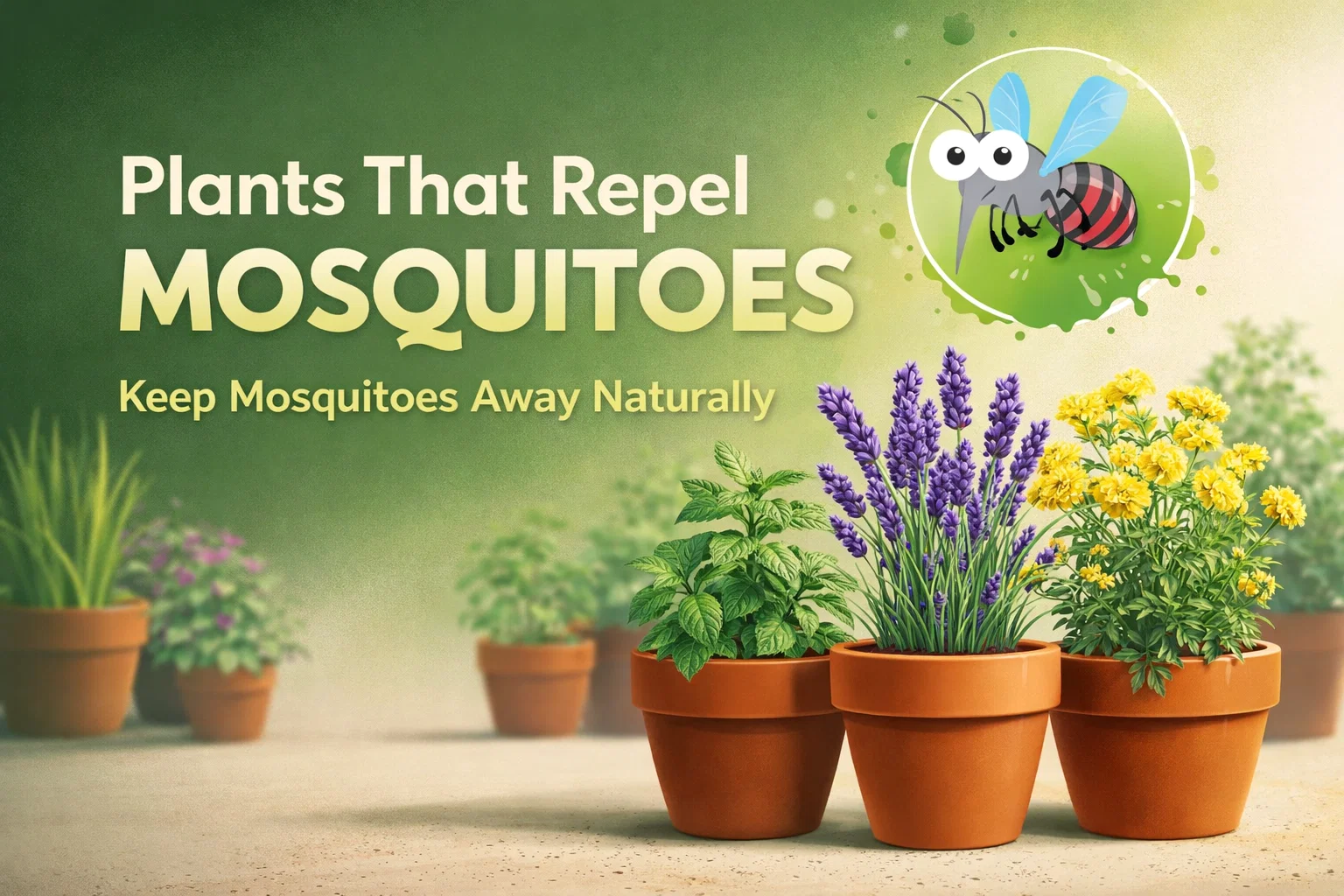
12 Best Plants That Repel Mosquitoes Naturally Mosquito Repellent Plants for Your Garden
Summer is the season of sun-drenched afternoons, backyard barbecues, and relaxing evenings on the porch. However, nothing ruins a peaceful outdoor gathering quite like the persistent buzz of mosquitoes. These tiny intruders are more than just a nuisance; their itchy bites can leave you uncomfortable for days. While many people reach for chemical sprays and synthetic coils to keep the bugs at bay, there is a much more beautiful and aromatic solution waiting in the garden center. Using nature to fight nature is one of the most rewarding ways to reclaim your outdoor space.
By incorporating specific plants into your landscaping or container gardens, you can create a living shield that discourages mosquitoes from sticking around. These plants work by releasing strong fragrances that mask the scents humans emit, such as carbon dioxide and lactic acid, which act as homing beacons for hungry insects. In this guide, we are diving deep into twelve incredible plants that serve as natural repellents, helping you build a bite-free sanctuary right in your own backyard.
The Power of Scent: How Plants Repel Insects
Before we dig into the specific varieties, it is helpful to understand the science behind why certain plants are so effective. Most mosquito-repellent plants contain high concentrations of essential oils within their leaves and stems. These oils, such as citronellal, linalool, and eucalyptol, are developed by the plants as a defense mechanism against herbivores and pests. When the wind blows or when you brush against these plants, these aromatic compounds are released into the air, creating a fragrant barrier that confuses and repels mosquitoes.
Maximizing Effectiveness in Your Garden
It is important to manage expectations: simply planting one small basil plant in the corner of a massive yard won’t clear the entire property of bugs. For the best results, you should focus on strategic placement. Group these plants around high-traffic areas like your patio, deck, or near windows and entryways. Many experts also suggest that gently crushing the leaves or ruffling the foliage of these plants helps release a more concentrated burst of repellent oils when you are sitting nearby.
1. Lemongrass: The Citronella Powerhouse
If you have ever bought a mosquito candle, you are likely familiar with the scent of citronella. Lemongrass is the living source of that very oil. This tall, ornamental grass is a staple in tropical landscapes but can be grown in pots in almost any climate. Its long, slender blades add a wonderful architectural element to your garden while providing a constant stream of citrusy fragrance that mosquitoes absolutely detest.
Lemongrass is incredibly low-maintenance and thrives in full sun. In addition to its repellent properties, it is a culinary favorite in Southeast Asian cuisine. You can harvest the stalks for soups and teas, making it a multi-purpose addition to your green space. Just be sure to give it plenty of water and a large enough pot, as it can grow quite vigorously during the peak of summer.
2. Basil: The Culinary Protector
Basil is often celebrated for its role in pesto and caprese salads, but it is also a fierce enemy of the mosquito. Unlike many other plants that require the leaves to be crushed to release their scent, basil emits its aroma constantly. The pungent smell of its leaves is toxic to mosquito larvae, which means that having basil around can actually discourage mosquitoes from laying eggs in nearby standing water.
There are several varieties of basil to choose from, but Lemon Basil and Cinnamon Basil are often cited as the most effective for pest control due to their specific chemical profiles. Plant them in sunny spots and keep them well-watered. Since basil is an annual, you can enjoy it all summer long and harvest the leaves for your kitchen while enjoying a bug-free dinner on the patio.
3. Geranium: Vibrant Color and Strong Defense
Scented geraniums, particularly the varieties that smell like lemon or rose, are fantastic additions to any mosquito-fighting garden. These plants are beloved for their beautiful, clustered blooms and uniquely textured foliage. The lemon-scented variety is often marketed specifically as the mosquito plant because it contains high levels of citronellal.
Geraniums prefer fast-draining soil and plenty of sunlight. They are perfect for hanging baskets or window boxes. Because they grow so well in containers, you can move them around your deck depending on where you are spending your time. Their bright flowers also attract pollinators like butterflies, ensuring your garden remains a lively and healthy ecosystem.
4. Sage: Smoke Out the Pests
Sage is a hardy perennial with earthy, grey-green leaves that look beautiful in any garden border. While it works well as a living plant, sage has a secret weapon. If you are planning a bonfire or using a fire pit, tossing a few dried sage leaves into the flames creates a scented smoke that is incredibly effective at clearing out mosquitoes from the immediate area.
In the garden, sage prefers well-drained soil and can tolerate a bit of drought once established. It is a tough plant that stands up well to the heat of mid-summer. Having a patch of sage nearby provides you with a constant supply of herbs for cooking and a reliable tool for keeping the evening air clear of unwanted guests.
5. Bee Balm: Nature’s Multitasker
Also known as Monarda, Bee Balm is a stunning flowering plant that produces unique, shaggy blooms in shades of purple, red, and pink. As the name suggests, it is a favorite for bees and hummingbirds, but mosquitoes find its scent quite off-putting. The leaves contain thymol, an organic compound often used in commercial mouthwashes and bug repellents.
Bee Balm is a North American native, meaning it is generally easy to grow and very resilient. It adds a splash of wild, cottage-core charm to your flower beds while working hard to keep the insect population in check. It can spread quickly, so it is a great choice if you have a larger area you want to fill with color and protection.
6. Oregano: More Than a Pizza Topping
Oregano is a powerful herb that contains carvacrol and thymol, both of which are known to repel various types of insects. This low-growing perennial makes an excellent groundcover or a trailing plant for the edges of containers. Its thick, fragrant leaves create a dense mat of greenery that smells wonderful to humans but serves as a warning sign for mosquitoes.
This herb is famously easy to care for and can handle a variety of soil types as long as they aren’t waterlogged. By planting oregano along the edges of your walkways, you will release its scent every time you step near it, creating a fragrant path that leads you safely away from mosquito territory.
7. Lavender: The Relaxing Repellent
Lavender is perhaps one of the most popular garden plants in the world, prized for its soothing fragrance and iconic purple spikes. Interestingly, while humans find lavender deeply relaxing, mosquitoes find it overwhelming. It is one of the few plants that can actually hinder a mosquito’s ability to smell, making it difficult for them to locate a target.
Lavender thrives in hot, dry conditions and requires very little water once it has taken root. It is an excellent choice for rock gardens or sunny borders. Beyond its repellent qualities, you can harvest the flowers to make sachets for your home or use them in baking and teas. It is a true sensory delight that provides long-lasting protection throughout the warmest months.
8. Tansy: The Yellow Guardian
Tansy is a somewhat lesser-known plant in the repellent world, but it is highly effective. It features fern-like foliage and small, button-like yellow flowers. Historically, tansy was used as a strewing herb, placed on floors to keep pests out of homes. Today, it serves as a robust garden plant that discourages a wide variety of insects, including flies and mosquitoes.
Tansy is quite vigorous and can grow quite tall, so it is best placed at the back of a flower bed. Use it as a natural border to keep pests from entering your garden space. It is a hardy plant that doesn’t require much fuss, making it ideal for the busy gardener.
9. Feverfew: Classic Beauty with a Purpose
Feverfew looks like a miniature daisy, with cheerful white petals and yellow centers. While it is often grown for its medicinal history and its charming appearance, it is also a great companion plant for repelling insects. The flowers contain compounds that are naturally irritating to mosquitoes and other flying pests.
This plant is a prolific self-seeder, meaning once you plant it, you will likely have it for years to come. It fits perfectly into a traditional English garden aesthetic. Pairing Feverfew with other flowering repellents like Lavender or Geranium creates a visually stunning display that doubles as a functional insect barrier.
10. Marigolds: The Golden Shield
Marigolds are a classic choice for vegetable gardeners because they protect crops from nematodes and aphids, but they are equally effective against mosquitoes. They contain pyrethrum, an ingredient found in many organic insecticides. Their distinct, somewhat spicy aroma is something mosquitoes prefer to avoid at all costs.
Marigolds are incredibly easy to grow from seed and come in vibrant shades of orange, yellow, and deep red. They thrive in full sun and will bloom continuously until the first frost. Lining your flower beds or vegetable patches with marigolds adds a pop of color and a layer of protection that is hard to beat for the price of a single seed packet.
11. Mint: Refreshing and Resilient
Mint is one of the fastest-growing plants you can find, and its cooling scent is a major deterrent for mosquitoes. Whether it is peppermint, spearmint, or chocolate mint, the high concentration of menthol is what does the trick. It is so effective that mint essential oil is often used as a base for natural bug sprays.
A word of caution with mint: it is an aggressive spreader! To keep it from taking over your entire yard, it is best to grow mint in pots. You can place these pots around your seating areas or even keep a small one on an outdoor coffee table. Not only will it keep the bugs away, but you will also have fresh leaves ready for a refreshing mojito or iced tea.
12. Petunias: The Floral Sentinel
Petunias are often called nature’s pesticide because they repel a wide range of garden pests, including leafhoppers, tomato hornworms, and mosquitoes. They are available in almost every color imaginable, making them one of the most versatile plants for landscaping and container design.
These sun-loving annuals require regular deadheading to keep them blooming, but the effort is well worth it. By incorporating petunias into your porch pots or garden borders, you are adding a beautiful, soft floral element that secretly works around the clock to keep the air clear of biting insects.
Creating Your Mosquito-Free Oasis
To get the most out of your natural repellent garden, consider these quick tips for success:
- Mix and Match: Don’t stick to just one type of plant. Combining different scents and textures creates a more complex fragrance profile that is even harder for mosquitoes to navigate.
- Maintenance is Key: Healthy plants produce more essential oils. Ensure your repellent garden gets the right amount of sun and water to keep the foliage lush and fragrant.
- Potability: If you have limited space, many of these plants (especially Mint, Basil, and Geraniums) thrive in containers. Move them to wherever the party is happening!
- Watch for Standing Water: While plants help repel mosquitoes, they cannot overcome a breeding ground. Make sure to empty saucers, birdbaths, and gutters where water might collect.
Wrapping Up Your Natural Defense Strategy
Transforming your garden into a mosquito-repellent haven is a rewarding project that pays off every time you step outside. By choosing plants like Lemongrass, Lavender, and Marigolds, you are choosing a solution that is safe for your family, beneficial for the environment, and aesthetically pleasing. There is something truly special about sitting in a garden that smells like fresh herbs and flowers, knowing that the very beauty surrounding you is also keeping the pests away.
As you plan your next trip to the nursery, keep this list of twelve plants in mind. Whether you are looking for tall grasses, vibrant flowers, or savory herbs, there is a repellent plant for every style of garden. Embrace the power of nature this season and enjoy a summer filled with fresh air, beautiful blooms, and most importantly, no itchy bites!