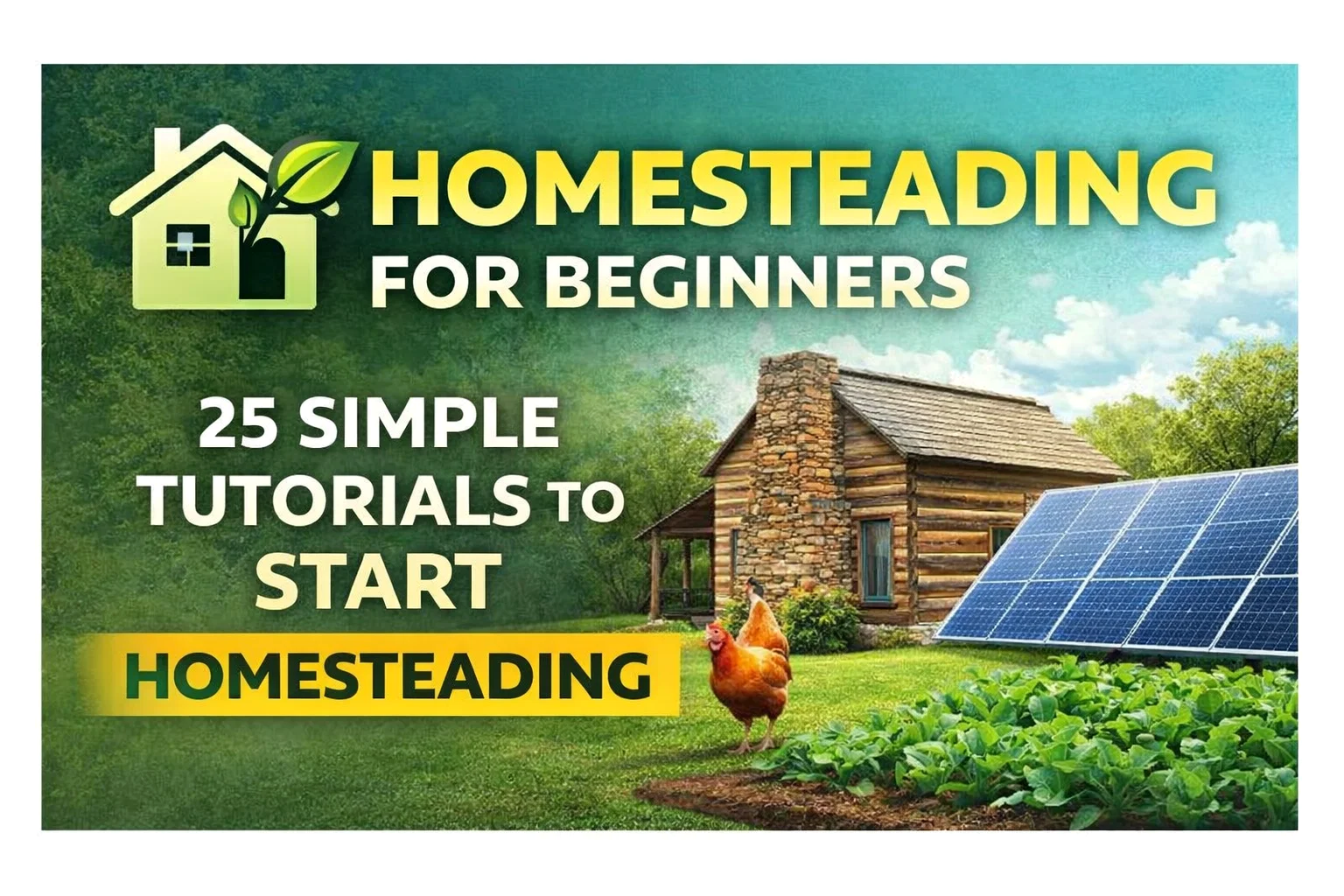
25 Best Homesteading for Beginners Tutorials How to Become a Homesteader Today
Starting a journey toward self-sufficiency can feel like standing at the base of a massive mountain. You see the peak, representing a life of independence, fresh organic food, and a smaller environmental footprint, but the path up seems steep and winding. The beauty of homesteading is that it does not require a thousand-acre ranch or a lifetime of agricultural experience to begin. It starts with a single seed, a handmade loaf of bread, or the decision to repair something instead of replacing it. This guide is designed to break down that transition into manageable, actionable steps that anyone can take, regardless of their current living situation.
Understanding the Modern Homesteading Mindset
Before diving into the technical skills, it is essential to understand what homesteading actually means in the modern era. It is not necessarily about living in a log cabin off the grid, though that is a dream for some. At its core, homesteading is a lifestyle of self-reliance and sacrifice for the sake of quality and sustainability. It is about moving from being a pure consumer to becoming a producer. Whether you are in a suburban backyard or a rural plot, the goal remains the same: taking responsibility for your own needs.
Start Small to Stay Sustainable
One of the biggest mistakes new homesteaders make is trying to do everything at once. They buy chickens, plant a massive garden, start composting, and try to bake all their own bread in the same week. This leads to burnout. The secret to long-term success is incremental progress. Pick one skill, master it until it becomes a habit, and then move on to the next. This approach ensures that your homestead grows at a pace you can actually manage.
The Essential First Skill: Growing Your Own Food
Food security is often the primary motivator for entering this lifestyle. Knowing exactly what went into your vegetables, from the soil quality to the lack of synthetic pesticides, provides an incredible sense of security and health. You do not need a tractor to feed your family; you just need good soil and a bit of patience.
Mastering Soil Health and Composting
The secret to a thriving garden is not found in a bottle of fertilizer but in the soil itself. Building healthy soil is the first real job of a homesteader. Composting is the most effective way to do this. By recycling kitchen scraps, yard waste, and cardboard, you create “black gold” that feeds your plants naturally. This closed-loop system reduces waste and saves money on expensive garden center amendments.
Choosing the Right Crops for Beginners
If you are new to gardening, start with high-yield, easy-to-grow crops. Zucchini, radishes, bush beans, and leafy greens are notoriously forgiving. These plants provide a quick “win” that builds confidence. As you get more comfortable, you can move into more challenging plants like heirloom tomatoes or brassicas that require more specific pest management and nutrient balancing.
Traditional Preservation Techniques
Growing food is only half the battle. Learning how to keep that food shelf-stable for the winter months is what truly separates a gardener from a homesteader. Food preservation allows you to take advantage of seasonal gluts and ensures that nothing from your harvest goes to waste.
The Art of Water Bath and Pressure Canning
Canning is a foundational skill. Water bath canning is perfect for high-acid foods like jams, pickles, and tomatoes. For low-acid foods like green beans, meats, and stews, pressure canning is a necessity to ensure safety. Having a pantry full of glass jars filled with your own harvest is one of the most rewarding sights a beginner can experience.
Dehydrating and Fermenting for Health
Beyond canning, dehydrating is a fantastic way to preserve herbs, fruits, and even jerky with minimal effort. Fermentation, on the other hand, adds a layer of probiotic health to your diet. Making your own sauerkraut or kombucha is an easy way to dive into food science while improving your gut health and preserving the harvest.
Developing Hand-Built Self-Reliance
A homesteader is often a jack-of-all-trades. Being able to build, fix, and maintain your own infrastructure saves an enormous amount of money and gives you total control over your environment. This does not mean you need to be a professional carpenter, but basic tool literacy is vital.
Building Raised Beds and Vertical Structures
Space is often a constraint for beginners. Learning to build raised garden beds allows you to control the soil quality perfectly and makes gardening easier on your back. Additionally, vertical gardening using trellises and A-frames can double or triple your growing space by allowing plants like cucumbers and peas to grow upward instead of outward.
Rainwater Harvesting and Basic Irrigation
Water is the lifeblood of any homestead. Setting up a simple rain barrel system to catch runoff from your roof is a great way to conserve resources. Once you have a water source, learning to set up a basic drip irrigation system ensures your plants stay hydrated even during the heat of summer without wasting a drop.
Integrating Small Livestock
For many, the jump from gardening to homesteading happens when they bring home their first animals. Livestock add a dynamic element to the homestead, providing protein, fertilizer, and even companionship. However, they also require a higher level of commitment and daily responsibility.
Raising Backyard Chickens
Chickens are often called the “gateway animal” of homesteading. They are relatively easy to care for, require little space, and provide fresh eggs daily. Beyond the eggs, chickens are excellent at pest control and their manure is a high-nitrogen addition to your compost pile. Building a secure, predator-proof coop is the first and most important step in this journey.
The Benefits of Beekeeping
If you have limited space or aren’t ready for feathered friends, honeybees are a fantastic alternative. They require very little daily maintenance and provide the invaluable service of pollination for your garden. The reward of raw, local honey is just a bonus compared to the increased yields you will see in your vegetable patches.
DIY Household and Natural Living
Homesteading is not just about what happens outdoors; it is also about what happens inside your home. Replacing store-bought chemicals with natural, handmade alternatives is better for your health and your wallet. This transition allows you to live more intentionally and reduces your reliance on industrial supply chains.
Handmade Soap and Skincare
Learning the cold-process method of soap making allows you to control every ingredient that touches your skin. Using natural fats and essential oils, you can create high-quality bars that far surpass anything found in a standard grocery aisle. Similarly, making your own salves and lotions using herbs from your garden brings a level of herbalism into your daily routine.
Natural Cleaning Solutions
You would be surprised at how much you can clean with just vinegar, baking soda, and lemon juice. Removing toxic cleaners from your home is a simple but profound step toward self-sufficiency. It simplifies your shopping list and ensures your living environment is safe for children, pets, and the planet.
Financial Independence through Frugality
A major pillar of the homesteading lifestyle is financial stewardship. By producing more and buying less, you naturally begin to save money. However, intentional frugality is a skill in itself. It involves rethinking your relationship with “stuff” and focusing on the long-term value of your purchases.
The Power of Mending and Repairing
In a throwaway culture, the act of mending a pair of jeans or repairing a broken tool is a radical act of self-reliance. Learning basic sewing skills and mechanical maintenance ensures that your possessions last as long as possible. This reduces waste and keeps money in your pocket for future homestead improvements.
Lowering Utility Costs
Whether through better insulation, using a wood stove for heat, or simply being more mindful of energy usage, reducing your utility bills is a form of homesteading. Every dollar you don’t send to a utility company is a dollar you can invest back into your soil, your livestock, or your savings.
Creating a Sustainable Routine
The key to longevity in this lifestyle is rhythm. Homesteading is not a series of one-off projects; it is a daily, weekly, and seasonal cycle. Establishing a routine that balances chores with rest is essential to preventing the burnout mentioned earlier.
Seasonal Planning and Goal Setting
Winter is for planning and tool maintenance. Spring is for planting and birth. Summer is for weeding and watering. Autumn is for harvesting and preserving. By aligning your work with the natural seasons, the workload feels more intuitive and less like a never-ending to-do list. Take time each winter to reflect on what worked and what didn’t so you can improve every year.
Joining the Homesteading Community
No homesteader is an island. While the goal is self-sufficiency, the reality is that community makes this lifestyle much more enjoyable and sustainable. Trading extra eggs for a neighbor’s sourdough or sharing tips on local pests creates a network of support that is invaluable.
Local Seed Swaps and Farmers Markets
Engaging with local growers is the best way to find seeds and plants that are perfectly adapted to your specific climate. These interactions often lead to mentorships and lifelong friendships with people who share your values. Do not be afraid to ask questions and share your own successes and failures.
Conclusion
The journey toward becoming a homesteader is one of the most rewarding paths a person can take. It is a return to our roots, a way to reconnect with the earth, and a method for taking back control of our lives. Remember that there is no “perfect” homestead. Whether you are growing herbs on a windowsill or managing a dozen acres, you are making progress. Be patient with yourself, celebrate the small harvests, and enjoy the peace that comes with knowing you can provide for yourself. The skills you learn today will serve you for a lifetime, creating a legacy of resilience and sustainability for years to come. Start where you are, use what you have, and do what you can. Your homesteading adventure begins with the very next step you take.