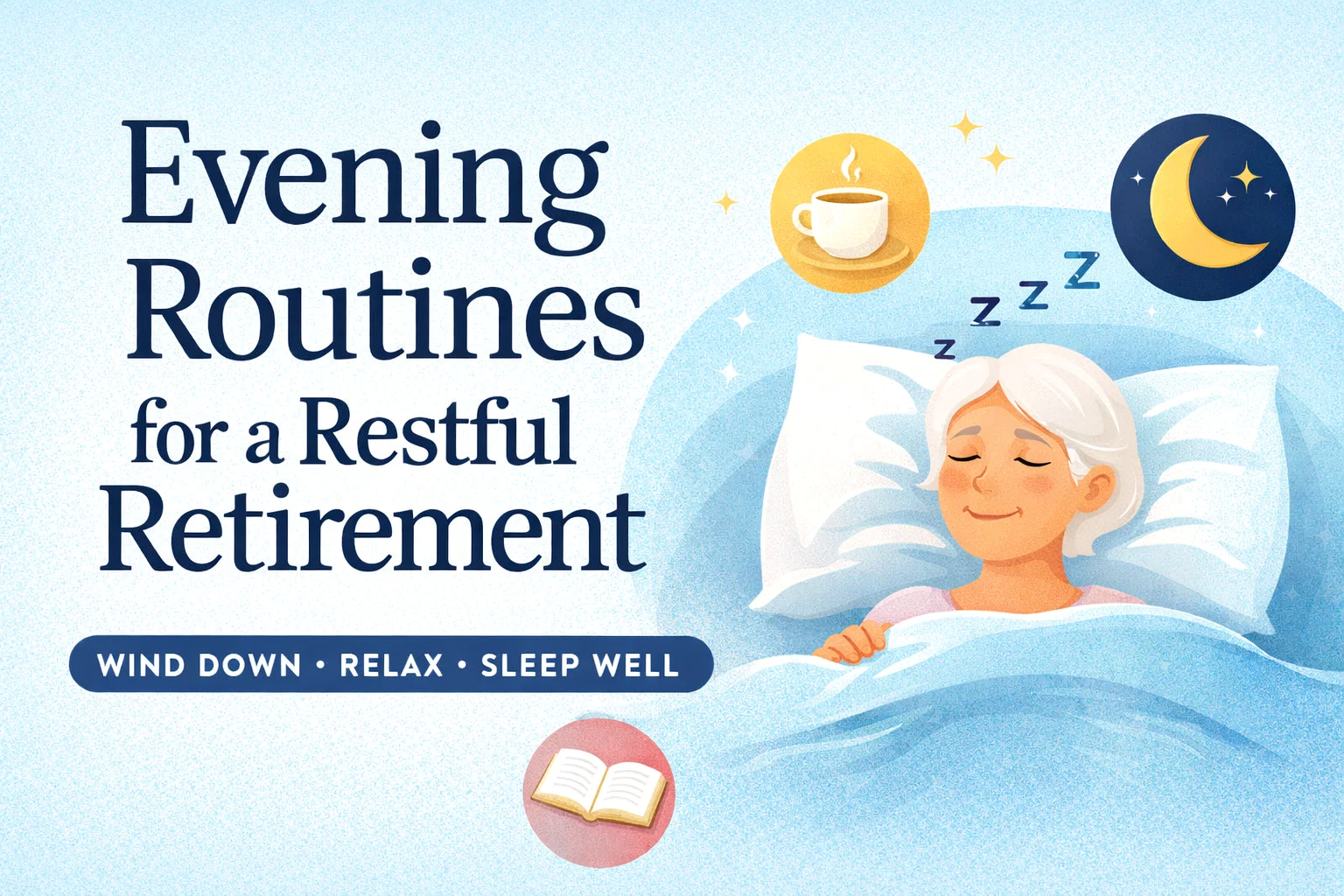
3 Relaxing Evening Routine Ideas for Retirement Best Night Rituals for Better Sleep
Transitioning into retirement is one of the most significant life shifts you will ever experience. For decades, your internal clock was likely set by the demands of a career, early morning commutes, and the high-pressure environment of the working world. When those external structures disappear, many retirees find themselves at a bit of a loss. While the freedom is exhilarating, the lack of a set schedule can sometimes lead to restless nights or a feeling of being untethered. This is where the magic of a purposeful evening routine comes into play. By intentionally designing your nights, you aren’t just preparing for sleep; you are reclaiming your time and nurturing your well-being.
The beauty of retirement is that you finally have the luxury of time to slow down. You no longer need to rush through your evening chores to collapse into bed for a few hours of shut-eye before the alarm goes off. Instead, you can cultivate rituals that honor your hard work and help you transition into a deep, restorative rest. In this guide, we will explore various evening routines tailored for the retirement lifestyle, focusing on mindfulness, physical comfort, and mental clarity.
The Power of the Gentle Wind-Down Routine
The first step in mastering your retirement evenings is understanding the importance of a “wind-down” period. Your brain needs a signal that the day is over and it is time to shift from active mode to rest mode. A gentle wind-down routine is about sensory regulation. It involves lowering the inputs your brain has to process so your nervous system can begin to relax.
Environment and Atmosphere
Start by addressing your physical surroundings. Our bodies are highly sensitive to light and sound. In your working years, you might have spent your evenings under bright office lights or in front of a loud television. Now, you can create a sanctuary. Try dimming the lights in your main living areas about an hour before you plan to sleep. This simple act encourages the production of melatonin, the hormone responsible for sleep. Complement this with soft, instrumental music or even the ambient sounds of nature to create a peaceful backdrop for your thoughts.
Movement and Mindfulness
Retirement often comes with a new set of physical considerations. Gentle stretching or a short, seated meditation can work wonders for stiff joints and a busy mind. You don’t need a high-intensity workout; in fact, you want the opposite. Focus on slow, deliberate movements that release the tension held in your shoulders, neck, and lower back. As you stretch, practice deep breathing. Inhale peace and exhale any lingering worries from the day. This physical release acts as a bridge between the activity of the afternoon and the stillness of the night.
Refining Your Evening with a Reading Retreat
One of the greatest joys of retirement is having the time to dive back into the world of literature. For many, years of professional reading or screen-based work have made reading for pleasure a distant memory. Establishing a “Reading Retreat” as part of your nightly ritual is a fantastic way to stimulate your mind without the harsh blue light of a smartphone or tablet.
Choosing the Right Material
The key to a successful reading retreat is choosing material that inspires or relaxes you rather than something that causes stress or keeps you on the edge of your seat. Memoirs of people you admire, classic novels you never had time for, or uplifting non-fiction are all excellent choices. Avoid the news or high-stakes thrillers right before bed, as these can trigger an adrenaline response that makes falling asleep more difficult.
Creating the Ritual
Make your reading time special. Perhaps you have a specific “reading chair” with a soft throw blanket and a dedicated lamp that provides warm, soft light. Spend 20 to 30 minutes lost in a good story. When you finish your reading session, take a moment to reflect on what you read. Did a particular passage resonate with you? Did the story offer a new perspective? This brief period of reflection helps transition the brain from the external world of the book back to your internal state of calm.
The Secret to Sweet Sleep: Preparation and Reflection
Deep, restful sleep is the foundation of a happy retirement. It affects everything from your cognitive function to your mood and physical health. A “Sweet Sleep” routine is less about what you do in bed and more about how you set the stage in the hours leading up to it. It is a holistic approach to ensuring your body and mind are fully prepared for the journey into dreamland.
The Digital Detox
The most important rule for a better night’s sleep is turning off screens at least an hour before bed. The blue light emitted by phones and televisions tricks your brain into thinking it is still daytime. In retirement, it can be easy to fall into the habit of scrolling through social media or watching late-night news, but your sleep quality will improve dramatically if you swap the screen for a physical activity or a quiet conversation. Use this hour to disconnect from the digital world and reconnect with yourself or your partner.
Journaling and Planning
A common cause of late-night restlessness is the “to-do list” running through your head. Even without a 9-to-5 job, you likely have errands, hobbies, or social engagements to manage. Writing down a short reflection of your day or a quick list of tomorrow’s goals in a planner can “empty” your brain onto the paper. Once it is written down, your mind can stop circling the information, allowing you to relax completely. Pair this with a few minutes of slow, rhythmic breathing to further settle your heart rate.
Nutrition and Comfort for the Evening
What you put into your body in the evening is just as important as your mental routines. In retirement, you might find that your digestion and sensitivity to certain substances have changed. Creating a “culinary” end to your day can be a very soothing ritual.
The Ritual of Herbal Tea
Sipping a warm cup of herbal tea is a classic evening habit for a reason. Varieties like chamomile, valerian root, or peppermint are naturally caffeine-free and have mild sedative properties. The heat from the mug is comforting, and the act of slowly drinking a beverage encourages you to sit still and be present. It is a simple, low-cost way to signal to your body that the “kitchen is closed” and the time for rest has arrived.
The Importance of Fresh Linens
Never underestimate the power of physical comfort. Sliding into a bed with fresh, clean sheets is one of life’s simplest and greatest pleasures. In retirement, you have the opportunity to invest in high-quality bedding that feels good against your skin. Make your bed every morning so that when you walk into your room at night, it looks inviting and ready for you. The psychological impact of an organized, comfortable sleeping environment cannot be overstated.
Benefits of Consistency in Retirement
You might wonder why a routine is necessary when you have all the freedom in the world. The truth is that the human body thrives on rhythm. Our biological processes, known as circadian rhythms, function best when we eat, wake, and sleep at roughly the same times each day. By maintaining a consistent evening routine, you are supporting your body’s natural internal clock.
- Improved Mood: Better sleep leads to better emotional regulation and a more positive outlook on life.
- Cognitive Longevity: Quality rest is essential for memory consolidation and brain health as we age.
- Physical Recovery: Your body does its best repair work while you sleep, which is vital for maintaining an active lifestyle.
- Reduced Anxiety: Predictability in your evening reduces the “what next?” stress that can lead to nighttime worry.
Crafting Your Personalized Nightly Schedule
No two retirees are the same, and your evening routine should reflect your personal interests and physical needs. You don’t have to do everything listed above every single night. Instead, pick and choose the elements that resonate most with you. You might find that you love the “Reading Retreat” but aren’t a fan of herbal tea. That is perfectly okay.
The goal is to create a sequence of events that feels like a reward rather than a chore. If you enjoy gardening, perhaps your wind-down starts with a quiet walk through your backyard as the sun sets. If you are an artist, maybe a few minutes of light sketching is your version of meditation. Retirement is your time to experiment and find the rhythms that bring you the most joy and peace.
Conclusion: Ending Your Day with Gratitude
As you move through your chosen evening rituals, try to incorporate a moment of gratitude. Whether you write it down in a journal or simply think it to yourself as you close your eyes, acknowledging one highlight from your day can transform your mindset. Retirement is a beautiful chapter of life, filled with the wisdom of years and the potential of new discoveries. By ending each day with intention, comfort, and peace, you ensure that you are always ready to greet the next morning with energy and a smile.
A simple, soothing close to a fulfilling day is not just a luxury; it is a vital part of a healthy retirement. Start tonight by picking just one new habit, perhaps dimming the lights or trying a new book, and see how much better your tomorrow begins. Sweet dreams and happy lounging!
Would you like me to generate some specific book recommendations or herbal tea blends to include in this post?