
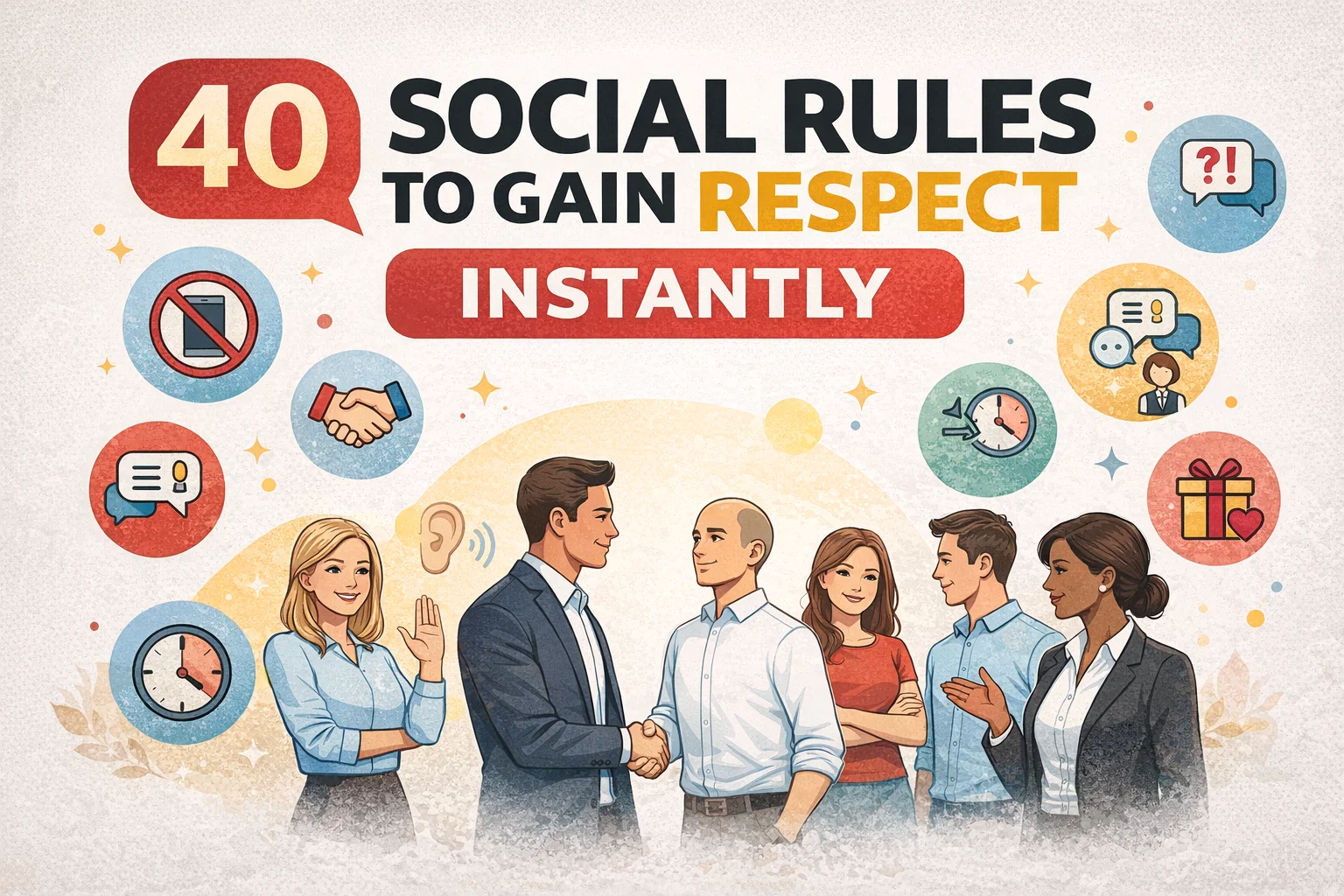
40 Social Rules to Get Respect The Ultimate Etiquette Guide for Professional Success
Building a reputation that commands respect is not about being the loudest person in the room or asserting dominance through power plays. Instead, it is a refined art form rooted in subtle behaviors, consistent integrity, and a deep understanding of human psychology. In a modern world where digital noise often drowns out traditional social graces, those who master the unwritten rules of social influence stand out as high-value individuals. This guide explores forty essential social rules that serve as a compass for navigating professional boardrooms and personal gatherings alike, ensuring you leave a lasting, positive impression wherever you go.
The Hidden Power of Presence and Silence
One of the most counterintuitive secrets to gaining respect is learning when to stop talking. We often feel pressured to fill every silence with chatter to prove our intelligence or social worth. However, the most influential people understand that silence is a tool of strength. By speaking less and listening more, you allow yourself the space to process information deeply. This makes your eventual contributions far more impactful because they are thoughtful and well-timed rather than reactive.
Mastering Active Listening
Active listening is more than just staying quiet while someone else speaks. it involves being fully present in the moment. When you give someone your undivided attention, you are signaling that you value their perspective. This builds an immediate rapport and makes the other person feel heard and understood. Avoid the common mistake of planning your response while the other person is still talking. Instead, focus on their words, their tone, and the emotions behind their message.
The Language of the Body
Your physical presence often speaks before you ever open your mouth. Standing tall with an open posture signals confidence and approachability. Conversely, slouching or crossing your arms can make you appear defensive or disinterested. Maintain firm but not aggressive eye contact to demonstrate that you are engaged and trustworthy. Remember that your body language should reflect your internal state of calm and composure, creating an energetic signature that others naturally gravitate toward.
Integrity: The Foundation of Lasting Respect
Respect that is easily given is easily lost, but respect earned through integrity is permanent. To be a person of influence, you must be a person of your word. This means following through on promises, no matter how small they may seem. When people know they can count on you, your reputation becomes your greatest asset.
- Keep Your Promises: Reliability is the fastest way to build a solid reputation in any environment.
- Be On Time: Being early is a silent way of saying you value the other person’s time as much as your own.
- Own Your Mistakes: Taking responsibility for your actions without making excuses displays a high level of emotional intelligence and maturity.
The Ethics of Public and Private Interactions
A crucial rule of social influence is knowing how to handle conflict and feedback. Always strive to praise in public and correct in private. Public criticism, even if it is factually correct, breeds resentment and embarrassment. By pulling someone aside to offer private guidance, you protect their dignity and build a sense of loyalty. This approach shows that you care more about the person’s growth and the relationship than you do about being right in front of an audience.
Protecting the Absent
Gossip is a short-term social lubricant that causes long-term damage to your credibility. When you speak poorly of someone who isn’t there, the people listening instinctively wonder what you say about them when they leave the room. Protecting the reputation of those who are absent builds the trust of those who are present. It marks you as a person of character who does not resort to cheap tactics for social validation.
Digital Etiquette in a Distracted Age
In our current era, the ultimate sign of respect is giving someone your hardware-free attention. We have all experienced the frustration of trying to hold a conversation with someone who is constantly glancing at their phone. This behavior signals that the digital world is more important than the person sitting right in front of you.
The Phone-Free Rule
When you are in a meeting, at a dinner, or in a deep conversation, keep your phone out of sight. If you must check it for an emergency, excuse yourself briefly. By staying off your device, you demonstrate a level of social discipline that is increasingly rare and highly respected. It shows that you are capable of being present and that you value the human connection over the next notification.
Navigating Professional Communication
Digital respect also extends to how you handle emails and messages. Be concise, clear, and professional. Respect people’s boundaries by avoiding work-related messages during late hours unless it is a genuine crisis. Treating digital communication with the same level of care as a face-to-face interaction ensures that your professional brand remains polished and consistent across all platforms.
Engagement and Genuine Kindness
The way you treat people who can do absolutely nothing for you is the ultimate litmus test of your character. High-value individuals do not reserve their kindness for those with high status. They treat service staff, subordinates, and strangers with the same level of courtesy they would offer a CEO.
Conversational Flow and Sincerity
Dominating a conversation is a sign of insecurity, not authority. Aim for a balanced flow where you ask insightful questions and encourage others to share their stories. When you do offer a compliment, make sure it is sincere. People have a natural radar for flattery that feels transactional. A genuine observation about someone’s hard work or a specific talent goes much further in building a real connection.
The Power of Remembering Names
A person’s name is, to that person, the sweetest and most important sound in any language. Making a conscious effort to remember and use names shows that you truly care about the individual. It transforms a generic interaction into a personal one. If you struggle with names, try repeating the name back to them immediately after the introduction or associating it with a visual cue in your mind.
Practical Habits for Daily Social Success
While the philosophy of respect is important, the daily application of these rules is what creates change. Integrating small habits into your routine will eventually make them second nature. Here are some quick checks to keep your social influence sharp:
- Control Your Tone: Your emotional intelligence is measured by your ability to stay calm under stress. Avoid letting frustration dictate your volume or word choice.
- Avoid Sarcasm in Serious Moments: While humor is great for bonding, sarcasm during serious discussions can come across as dismissive or passive-aggressive.
- Offer Value Before Asking for It: In networking and friendships, look for ways to help others before you seek favors for yourself.
The Art of the Clean Exit
Knowing how to end a conversation gracefully is just as important as knowing how to start one. Don’t let a productive interaction drag on until it becomes awkward. Summarize a key point from your talk, express your appreciation for their time, and move on. This leaves the other person wanting more of your company rather than feeling drained by it.
Building a High-Value Energetic Signature
Ultimately, these forty rules are about creating an energetic signature of someone who is grounded, trustworthy, and high-value. This isn’t about following a rigid script, it is about developing a mindset of empathy and self-awareness. When you navigate the world with these principles, you become a compass for others. You provide a sense of stability and grace that is magnetic.
Long-Term Influence Over Short-Term Gains
Respect is a long game. You might be able to demand attention through loud behavior or flashy displays in the short term, but that is not the same as influence. True influence comes from a consistent track record of being reliable, kind, and composed. Whether you are in a corporate boardroom or a casual social gathering, these rules serve as your guide for navigating human psychology and building lasting connections that stand the test of time.
Conclusion
Mastering social etiquette is one of the most rewarding investments you can make in yourself. By focusing on presence, integrity, and genuine kindness, you elevate your status in a way that feels natural and authentic. These forty essential rules are not just about manners, they are about recognizing the inherent value in every person you meet and reflecting your own self-worth through your actions. As you begin to implement these habits, you will notice a shift in how the world responds to you. People will seek your opinion, value your time, and offer you the respect that you have worked so diligently to earn. Start today by choosing one or two of these rules to focus on, and watch as your social influence begins to transform your life.