6 Best DIY Organic Fertilizers for Your Garden Free Kitchen Scraps for Indoor Plants
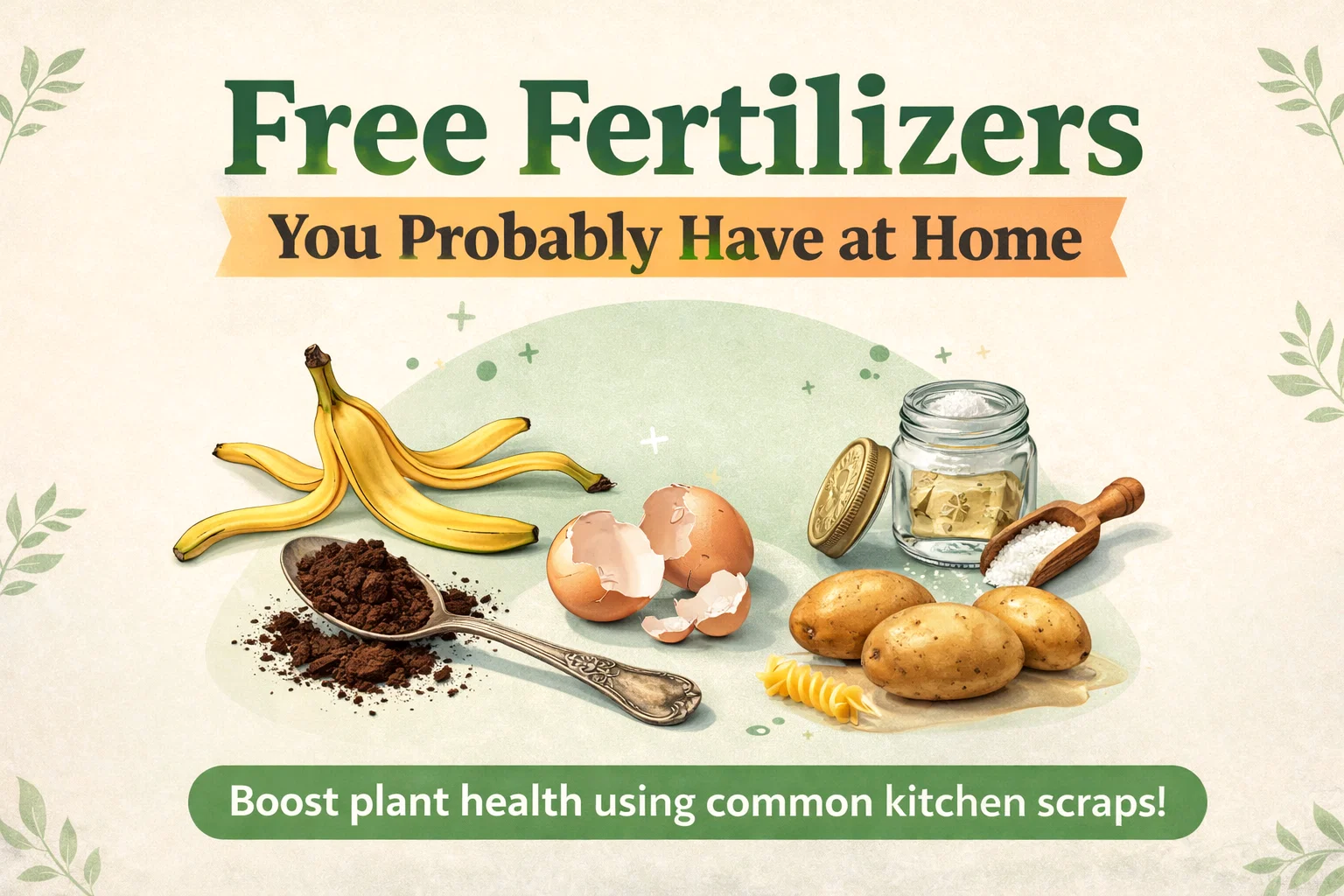
Transforming your backyard into a lush, thriving oasis does not require a massive budget or a shelf full of synthetic chemicals. In fact, some of the most potent growth boosters for your garden are likely sitting in your kitchen right now, destined for the trash can. Utilizing food scraps and household byproducts as natural fertilizers is a cornerstone of sustainable gardening that saves money while improving soil health. By understanding the specific nutrients found in everyday items like banana peels, eggshells, and coffee grounds, you can give your plants exactly what they need to flourish naturally. This guide explores the best free fertilizers you probably have at home and how to use them to achieve professional results in your own garden.
The Power of Kitchen Scraps: Why Natural Fertilizers Work
Plants require a balanced diet of macronutrients and micronutrients to grow strong stems, vibrant leaves, and abundant flowers. While commercial fertilizers provide these in concentrated forms, they can sometimes lead to salt buildup in the soil or provide a sudden surge of growth that weakens the plant long term. Natural, home based fertilizers break down more slowly, feeding the soil microbes and improving the overall structure of the earth. This slow release mechanism ensures that your plants receive a steady stream of nutrition while fostering a healthy ecosystem beneath the surface.
The Magic of Banana Peels for Flowering Plants
If you enjoy a morning banana, you are holding a goldmine of potassium and phosphorus. Potassium is essential for overall plant vigor, helping with water regulation and strengthening the cellular walls to resist pests and diseases. Phosphorus, on the other hand, is the primary driver for flower and fruit production. If your roses are looking dull or your tomato plants are struggling to set fruit, banana peels are the perfect remedy.
To use them effectively, you can simply chop the peels into small pieces and bury them an inch or two deep near the base of your plants. For an even faster boost, try making banana peel tea. Soak the peels in a jar of water for forty eight hours, then use that nutrient rich liquid to water your garden. This method allows the minerals to reach the root zone almost immediately, providing a quick pick me up for wilting greenery.
Building Stronger Plants with Eggshells
Eggshells are primarily composed of calcium carbonate, a mineral that is vital for preventing common garden heartbreaks like blossom end rot in tomatoes and peppers. Beyond just providing nutrients, the physical structure of crushed eggshells helps to aerate the soil and improve drainage in heavy clay areas. They act as a natural lime substitute, helping to neutralize overly acidic soil over time.
Preparation is key when using eggshells. Rinse them thoroughly to remove any residue and let them air dry. Once dry, grind them into a fine powder using a blender or a mortar and pestle. The smaller the particles, the faster the soil bacteria can break them down and make the calcium available to your plants. Sprinkle this powder directly into the planting hole when transplanting or use it as a top dressing around established plants during the growing season.
Coffee Grounds: Nitrogen and Soil Texture
Your daily caffeine fix can do wonders for your garden beds. Used coffee grounds are a fantastic source of nitrogen, which is the element responsible for lush, green leaf growth. While many people worry that coffee grounds are too acidic, the brewing process actually removes most of the acidity, leaving the spent grounds near neutral in pH. This makes them safe for a wide variety of plants, especially nitrogen lovers like leafy greens, blueberries, and hydrangeas.
- Attracting Earthworms: Earthworms love coffee grounds. As they move through the soil to consume the grounds, they create tunnels that improve aeration and leave behind nutrient dense castings.
- Mulching Properties: A thin layer of coffee grounds can help retain moisture in the soil, though it is best to mix them with dried leaves or wood chips to prevent them from compacting and blocking water flow.
- Natural Repellent: Some gardeners find that the gritty texture and residual scent of coffee grounds help deter certain soft bodied pests like slugs and snails.
Unlocking the Potential of Epsom Salt
Epsom salt is not actually salt in the traditional sense; it is a naturally occurring mineral compound of magnesium and sulfate. Magnesium is the central atom in the chlorophyll molecule, meaning it is absolutely essential for photosynthesis. Without enough magnesium, plants cannot effectively turn sunlight into energy, leading to yellowing leaves and stunted growth. Sulfate helps the plant absorb other key nutrients like nitrogen and phosphorus more efficiently.
Epsom salt is particularly beneficial for heavy feeders like roses, peppers, and tomatoes. For a general garden boost, dissolve one tablespoon of Epsom salt in a gallon of water and apply it as a foliar spray once a month. This allows the plant to absorb the magnesium directly through its leaves. You can also sprinkle a tablespoon around the base of a plant when it starts to flower to encourage more vibrant blooms and a larger harvest.
The Benefits of Starchy Water: Pasta and Potato Water
The next time you boil pasta or potatoes, do not let that cloudy water go down the drain. This water is loaded with starch, which acts as a powerful fuel source for the beneficial bacteria and fungi living in your soil. These microbes are the unsung heroes of the garden, breaking down organic matter and making nutrients available to plant roots. By feeding the microbes, you are indirectly feeding your plants.
In addition to starch, potato water contains significant amounts of potassium and phosphorus that leached out of the vegetables during cooking. Pasta water often contains trace amounts of zinc and calcium. It is crucial to ensure the water is completely unsalted and cooled to room temperature before applying it to your plants. Using salted water can dehydrate your plants and damage the soil structure, so always keep the salt shaker away until after the veggies are drained.
How to Apply Homemade Fertilizers Correctly
While these free fertilizers are natural, it is still important to apply them with care. Over fertilizing, even with organic materials, can sometimes cause imbalances in the soil. The goal is to mimic nature by providing small, frequent doses of nutrition rather than one massive application. Observational gardening is your best tool. Watch your plants for signs of deficiency, such as pale leaves or slow growth, and adjust your natural feeding routine accordingly.
Mixing different types of kitchen waste can also provide a more balanced NPK (Nitrogen, Phosphorus, and Potassium) ratio. For example, combining nitrogen rich coffee grounds with potassium heavy banana peels creates a well rounded meal for your garden. Always try to incorporate these materials into the top few inches of soil rather than just leaving them on the surface, as this speeds up decomposition and prevents attracting unwanted pests like fruit flies.
Sustainable Gardening for a Greener Future
Choosing to use household waste as fertilizer is about more than just saving a few dollars at the garden center. It is a way to close the loop in your personal consumption and reduce the amount of organic waste that ends up in landfills. When organic matter decomposes in a landfill, it produces methane, a potent greenhouse gas. By returning those nutrients to the earth in your backyard, you are participating in a regenerative cycle that benefits the planet and your immediate environment.
Conclusion: Your Garden Thrives on What You Give It
Building a beautiful garden is a journey of partnership with nature. By looking at your kitchen scraps through the lens of a gardener, you start to see value in items that others consider trash. Banana peels, eggshells, coffee grounds, and even the water from your dinner preparations are all valuable resources that can lead to deeper roots, greener leaves, and more abundant harvests. These six free fertilizers provide a simple, effective, and eco-friendly way to care for your plants while fostering a healthier soil ecosystem.
Start small by saving your coffee grounds or eggshells this week and observe how your plants respond. You will likely find that the most impressive results come not from a store bought bottle, but from the simple, natural ingredients you already have at home. Your garden will thank you with vibrant growth, and you will enjoy the satisfaction of knowing you are growing a more sustainable world, one plant at a time. Go ahead and give these hacks a try, and do not forget to share your success with fellow plant lovers!