
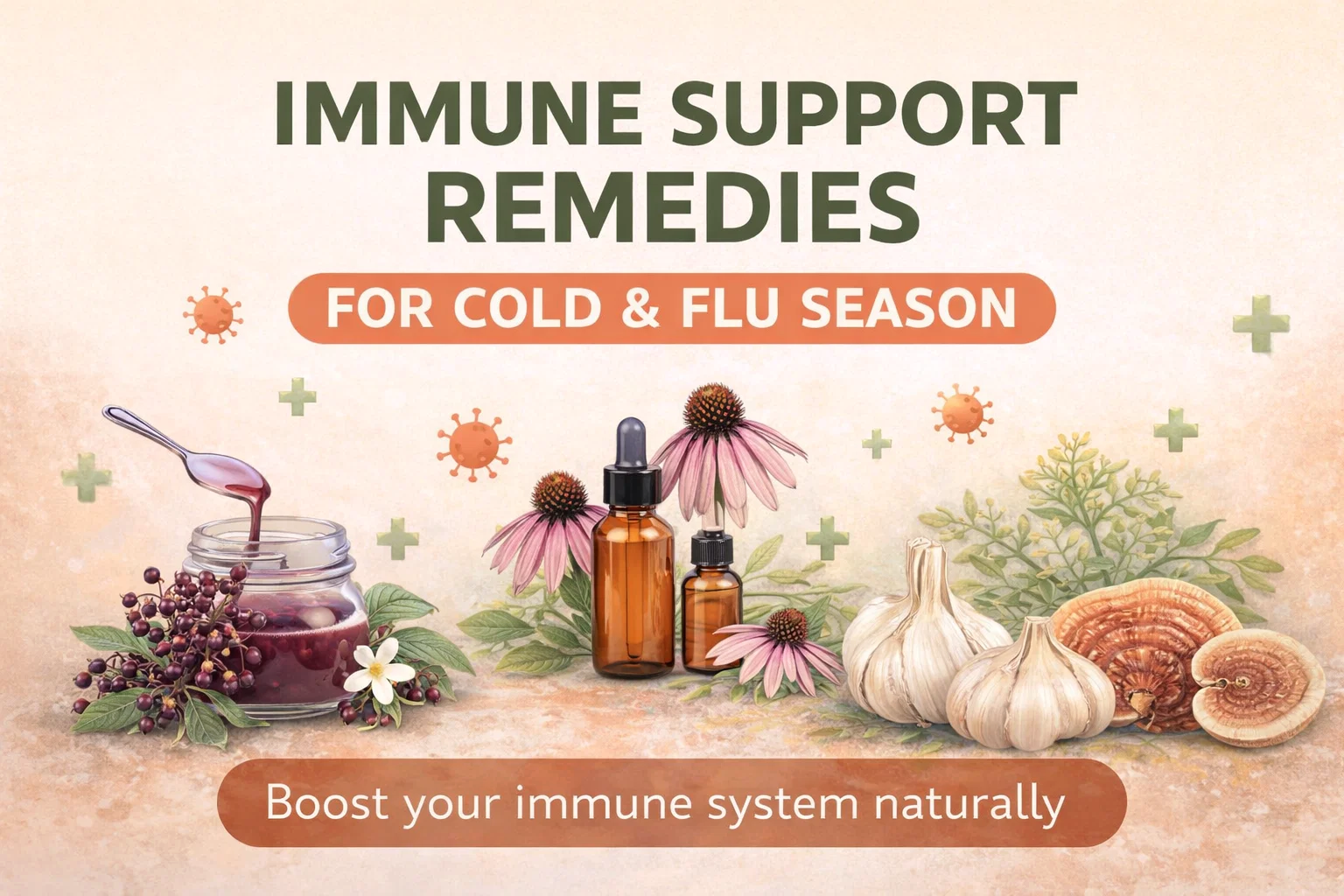
6 Powerful Immune Support Herbs for Cold Flu Season Natural Wellness Holistic Remedies
As the air turns crisp and the first signs of winter settle in, our focus naturally shifts toward staying healthy and resilient. While the modern world often points us toward the pharmacy aisle at the first sign of a sniffle, there is a profound and ancient wisdom found in the garden. For centuries, herbalists and healers have relied on specific plants to fortify the body and ease the discomforts of the cold season. These are not just ingredients; they are our immune support allies, standing ready to help us navigate the challenges of seasonal viral shifts.
The transition into the colder months can be taxing on our systems. Between the fluctuating temperatures and the increased time spent indoors, our immune defenses are constantly being put to the test. Embracing a holistic approach means more than just reacting to symptoms; it involves building a foundation of vitality that allows us to thrive regardless of the weather. By understanding the unique properties of nature’s most potent herbs, you can create a personalized wellness ritual that keeps you feeling your best all year long.
The Power of Elderberry: Nature’s Seasonal Shield
When it comes to seasonal wellness, Elderberry (Sambucus nigra) often takes center stage, and for good reason. These small, dark purple berries are packed with antioxidants and vitamins that may boost your immune system. Many people reach for elderberry syrup or gummies at the very first sign of a cold because of its reputation for supporting the body during viral challenges. Its ability to help reduce the duration of symptoms makes it a staple in any natural medicine cabinet.
Elderberries are rich in anthocyanins, the pigments that give them their deep color. These compounds work to strengthen the cell membranes, making it harder for unwanted invaders to take hold. Beyond its medicinal benefits, elderberry is incredibly versatile. You can craft your own homemade syrups with honey and spices, brew it into a warming tea, or even incorporate it into seasonal tarts and jams. It is a gentle yet powerful ally that tastes as good as it feels.
How to Use Elderberry for Maximum Benefit
- Syrups: A daily spoonful of elderberry syrup is a classic way to maintain defenses.
- Teas: Dried elderberries can be simmered with ginger and cinnamon for a comforting winter beverage.
- Tinctures: For a more concentrated dose, elderberry tinctures offer a portable and potent option.
Echinacea: The Vital Immune Stimulant
Echinacea is perhaps one of the most well known herbs in the world of holistic health. Often referred to as the purple coneflower, this beautiful plant is much more than a garden ornament. Echinacea acts as an immune stimulant, encouraging the body to respond quickly and effectively to illness. It is best used at the onset of symptoms, helping to kickstart the body’s natural defense mechanisms when they are needed most.
There are different species of Echinacea, but Echinacea angustifolia and Echinacea purpurea are the most commonly used for health purposes. The roots, leaves, and flowers all contain active compounds that support white blood cell production. Because it is a stimulant, it is often recommended for short term use during acute phases of illness rather than as a year round supplement. Think of it as the emergency responder of your herbal toolkit.
Building Long Term Resilience with Astragalus
While some herbs are meant for the heat of the moment, Astragalus (Astragalus mongholicus) is all about the long game. In traditional Chinese medicine, Astragalus is revered as an immunomodulant. This means it helps to balance and regulate the immune system over time, rather than just stimulating it. It is the perfect herb for those who want to build deep, long term resilience and maintain a sense of equilibrium throughout the winter months.
Astragalus is an adaptogen, helping the body manage stress while supporting the adrenal glands. Because its effects are cumulative, it is often incorporated into daily routines weeks or even months before the cold season begins. The root has a mild, slightly sweet flavor, making it easy to add to soups, stews, and bone broths. By simmering the sliced root in your cooking, you can infuse your daily meals with a hidden layer of immune support.
Ginger: The Warming Circulatory Stimulant
If you are looking for an herb that provides immediate comfort, look no further than Ginger (Zingiber officinale). Known for its spicy, warming energy, ginger is a fantastic circulatory stimulant. By improving blood flow, it helps to mobilize the body’s defenses and distribute nutrients more efficiently. It is also a celebrated antiviral and anti inflammatory, making it highly effective at easing congestion and soothing a sore throat.
Ginger’s versatility in the kitchen makes it one of the easiest remedies to incorporate into your life. Whether you are grating fresh ginger into a stir fry or steeping it in hot water with lemon and honey, its impact is felt almost instantly. For those struggling with the chills that often accompany a fever, ginger helps to bring heat back to the extremities and promote a healthy sweat, which is one of the body’s natural ways of clearing out toxins.
Creative Ways to Enjoy Ginger
- Ginger Shots: A concentrated burst of fresh ginger juice with a dash of cayenne and lemon.
- Infused Honey: Steep sliced ginger in raw honey for a soothing throat remedy.
- Steam Inhalation: Add ginger to a bowl of hot water and inhale the steam to clear nasal passages.
Garlic: The Antimicrobial Kitchen Essential
Garlic (Allium sativum) is often called nature’s antibiotic. It contains a compound called allicin, which is released when the clove is crushed or chopped. This potent antimicrobial has been used for thousands of years to fight off infections and support heart health. In the context of the cold and flu season, garlic is a traditional ally that helps the body stay clear of unwanted bacteria and viruses.
To get the most out of garlic, it is best consumed raw or lightly cooked. Adding minced garlic to salad dressings, fire cider, or spreading it on toast with a bit of olive oil are great ways to reap the benefits. It is a pungent, powerful plant that reminds us that some of our best medicine is already sitting on our kitchen counters. Regular consumption of garlic not only helps with current ailments but can also act as a preventative measure to keep the immune system sharp.
Reishi: The Mushroom of Vitality
In the world of functional mushrooms, Reishi (Ganoderma lucidum) stands out as a true “queen.” Known as the mushroom of immortality in some cultures, Reishi is a powerful adaptogen that strengthens immunity while promoting overall vitality. Unlike the quick stimulation provided by other herbs, Reishi works deeply to nourish the body and calm the nervous system. This makes it particularly helpful during the winter when seasonal stress can weaken our defenses.
Reishi is typically consumed as a powder, tincture, or tea, as the mushroom itself is quite woody and tough. Many people enjoy adding Reishi powder to their morning coffee or evening hot chocolate. It provides a grounding energy that helps with sleep quality and stress management, both of which are essential pillars of a healthy immune system. By supporting the body’s ability to adapt to external pressures, Reishi ensures you stay strong from the inside out.
Why Adaptogens Like Reishi Matter
Adaptogens are unique because they help the body maintain homeostasis. When you are stressed, your cortisol levels rise, which can suppress immune function. Reishi helps to buffer this response, ensuring that your immune cells stay active and vigilant even when life gets hectic. It is a beautiful example of how nature provides holistic support for both the mind and the body.
Creating Your Herbal Wellness Ritual
Integrating these immune support allies into your daily life doesn’t have to be complicated. The key is consistency and listening to what your body needs. You might start your morning with a warming ginger tea, take a daily dose of elderberry syrup, and wind down in the evening with a Reishi infused latte. By layering these different plants, you create a comprehensive web of support that covers everything from immediate relief to long term protection.
It is also important to remember that herbs work best when paired with other healthy habits. Plenty of restful sleep, a diet rich in whole foods, and staying hydrated are the foundations upon which these herbal allies build. Think of your herbal practice as a form of self care. Taking the time to brew a tea or prepare a remedy is a way of honoring your body and acknowledging its incredible ability to heal and protect itself.
Conclusion: Embracing the Wisdom of the Earth
The journey toward natural wellness is one of discovery and empowerment. When we look to plants like Elderberry, Echinacea, Astragalus, Ginger, Garlic, and Reishi, we are connecting with a lineage of healing that spans generations. These herbs offer us more than just physical support; they provide a sense of harmony with the seasons and a deeper connection to the natural world. As you move through this cold season, let these plant allies be your guides, helping you stay vibrant, balanced, and resilient.
Whether you are a seasoned herbalist or just beginning to explore the world of holistic health, there is always room to grow your knowledge and refine your routine. Start small, experiment with different preparations, and find what works best for your unique lifestyle. Nature has provided everything we need to thrive; all we have to do is reach out and embrace it. Stay well, stay warm, and let the power of the garden support you every step of the way.
Would you like me to generate a list of specific recipes for these herbs, such as a DIY elderberry syrup or a potent fire cider recipe?