
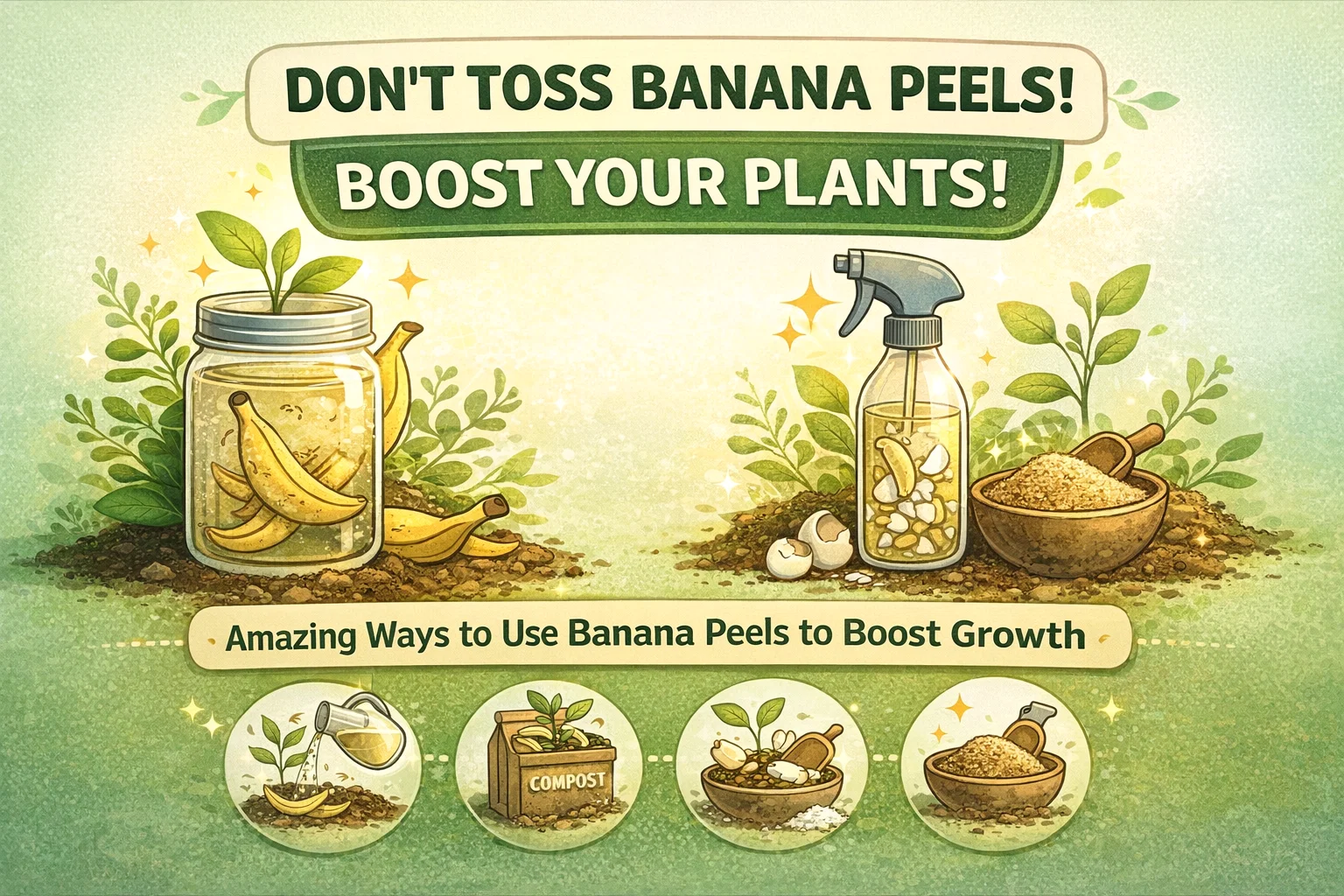
8 Creative Ways to Use Banana Peels for Plants Garden Natural DIY Fertilizer Guide
Every time you enjoy a banana for breakfast or as a quick snack, you are left with a piece of organic waste that most people reflexively toss into the trash. However, if you are a gardener or a houseplant enthusiast, that yellow peel is actually a hidden treasure. Banana peels are packed with essential nutrients like potassium, phosphorus, and magnesium, all of which are vital for plant health. Instead of sending these nutrients to a landfill, you can easily repurpose them to create a thriving, vibrant garden. This guide explores the incredible world of banana peel fertilizers and natural garden hacks that will transform the way you look at kitchen scraps.
Why Banana Peels are a Powerhouse for Your Garden
Before diving into the specific methods of using banana peels, it is important to understand why they are so beneficial. Most commercial fertilizers focus on the N-P-K ratio, which stands for Nitrogen, Phosphorus, and Potassium. While banana peels are low in nitrogen, they are exceptionally high in potassium. Potassium helps plants move water and nutrients between cells, strengthens stems, and aids in resisting diseases. Additionally, the phosphorus content encourages healthy flower production and root development.
Beyond the big nutrients, banana peels contain calcium, which prevents blossom end rot in tomatoes, and magnesium, which is the heart of the chlorophyll molecule. By using these peels, you are providing a slow release multi vitamin for your green friends. Best of all, it is completely organic and free.
1. The Famous Banana Peel Tea
Banana peel tea is perhaps the most popular way to use these scraps because it is incredibly simple and highly effective for houseplants and outdoor containers. It creates a liquid fertilizer that is easy for roots to absorb quickly.
How to Make the Perfect Brew
To make banana peel tea, simply place a fresh peel into a glass jar and fill it with water. Let the mixture steep for about 48 hours. During this time, the minerals will leach into the water, turning it a light brown color. After two days, remove the peel and use the liquid to water your plants as usual. This method is particularly great for flowering plants like roses or orchids that crave a potassium boost to produce bigger, brighter blooms.
2. Direct Soil Enrichment and Chopping
If you prefer a more hands off approach, you can bury the peels directly into the soil. This is a fantastic method for garden beds and vegetable patches where the soil biology is active enough to break down organic matter quickly.
Best Practices for Burying Peels
Instead of burying a whole peel, which can take a long time to decompose and might attract unwanted pests, it is better to chop the peels into small, half inch pieces. Dig a small hole or trench about four inches deep near the base of your plants, drop the pieces in, and cover them with soil. As the pieces rot, they release nutrients directly into the root zone. This is a long term strategy that improves soil structure and feeds the earthworms that keep your garden healthy.
3. Creating a Nutrient Rich Dry Powder
For those who want a fertilizer that is easy to store and apply, turning banana peels into a dry powder is the way to go. This method removes the risk of mold or fruit flies that can sometimes accompany wet peels.
The Dehydration Process
To create dry fertilizer, you can air dry your peels in the sun or use an oven on the lowest setting until they are dark brown and brittle. Once they are completely dry, pulse them in a blender or grind them with a mortar and pestle until they reach a powdery consistency. You can sprinkle this powder directly onto the soil surface or mix it into your potting soil before planting. This concentrated form is excellent for giving new seedlings a head start.
4. Planting Whole Peels for Deep Nutrition
When you are starting a new garden bed or planting a large shrub, you can use whole banana peels as a base layer of nutrition. This provides a slow release source of energy that lasts for months as the plant establishes itself.
Trench Composting Method
Before placing your plant in the hole, lay one or two whole banana peels at the bottom. Cover the peels with a thin layer of soil so the roots do not touch the rotting organic matter directly, then set your plant on top. As the roots grow deeper, they will find the nutrient rich pocket created by the decomposing peels. This is particularly effective for heavy feeders like tomatoes, peppers, and roses.
5. The Ultimate Fertilizer Spray
Sometimes your plants need more than just potassium. By combining banana peels with other kitchen staples, you can create a powerful foliar spray or soil drench that addresses multiple deficiencies at once.
Adding Eggshells and Epsom Salts
A popular organic recipe involves blending dried banana peels with crushed eggshells and a pinch of Epsom salt. The eggshells provide calcium, while the Epsom salt provides a concentrated dose of magnesium. Mix these ingredients into a spray bottle with water and apply it to the base of your plants. This combination is like a superfood smoothie for your garden, helping to prevent yellowing leaves and ensuring sturdy fruit development.
6. Natural Insect Traps for a Pest Free Garden
Banana peels can also serve as a functional tool for pest management. If you are struggling with fruit flies or gnats in your home or garden, the sweet scent of a fermenting banana peel is an irresistible lure.
Setting the Trap
Place a banana peel inside a container and add a small amount of apple cider vinegar. Cover the container with plastic wrap and poke small holes in the top. The insects will be drawn to the scent, enter the container, and find themselves unable to escape. This is a safe, non toxic alternative to chemical pesticides that keeps your harvest clean and edible.
7. Crafting Banana Vinegar for Acid Loving Plants
Some plants, such as blueberries, azaleas, and hydrangeas, prefer acidic soil. If your soil is too alkaline, these plants will struggle to thrive. Banana vinegar is an ingenious way to adjust the pH while adding nutrients.
Fermentation Tips
By allowing banana peels to ferment in water for a longer period, they eventually turn into a mild vinegar. This acidic liquid can be diluted and used to water acid loving species. It provides a gentle way to lower the soil pH and makes it easier for the plants to take up iron and other micronutrients that are often locked away in alkaline conditions.
8. Boosting Your Compost Pile
If you have too many peels to use individually, the compost bin is the best place for them. Banana peels act as a green material in the compost pile, meaning they are rich in moisture and nutrients that help speed up the decomposition process of brown materials like dried leaves or cardboard.
The Role of Microorganisms
As banana peels break down in a compost pile, they provide food for the beneficial bacteria and fungi that turn waste into black gold. Because they decompose relatively quickly compared to woody stems, they help keep the temperature of the compost pile high, which is essential for killing weed seeds and pathogens.
Maximizing Your Results: Tips and Tricks
While using banana peels is generally safe, there are a few things to keep in mind to get the best results. First, try to use organic bananas whenever possible to avoid introducing residual pesticides into your garden soil. If you use conventional bananas, a quick wash of the peel can help.
Second, be mindful of where you place fresh peels. In some areas, burying peels near the surface might attract curious wildlife like raccoons or squirrels. Always ensure the peels are buried deeply enough or used in a liquid form to avoid unwanted visitors.
Conclusion: Embrace the Power of Natural Waste
Gardening does not have to be expensive or involve complicated chemicals. By looking at your kitchen waste through a different lens, you can find everything you need to support a lush, green environment. Banana peels are a testament to the efficiency of nature. They provide a simple, sustainable, and highly effective way to nourish your plants from the roots up. Whether you are brewing a jar of tea or grinding peels into a fine powder, you are participating in a cycle of growth that benefits both your garden and the planet. Start saving those peels today and watch your plants transform before your eyes.