
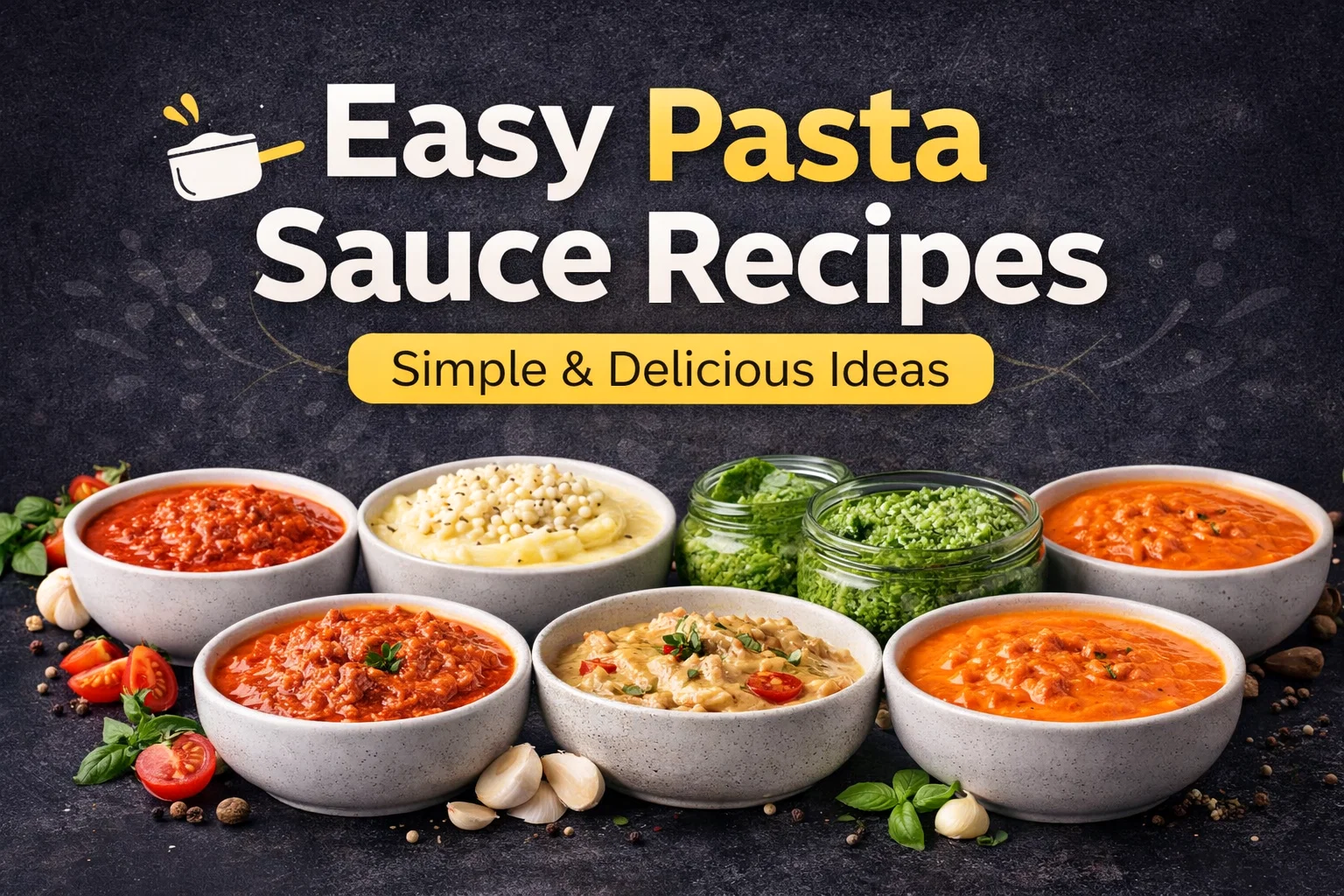
9 Best Easy Pasta Sauce Recipes Homemade Italian Sauce Guide for Quick Dinners
There is nothing quite like the aroma of a simmering pot of sauce to make a house feel like a home. Italian cuisine has long been the gold standard for comfort food, and at the heart of every great pasta dish is a sauce that brings the entire plate to life. Whether you are a seasoned home cook or someone just starting your culinary journey, mastering the art of the pasta sauce is a rite of passage. From the bright and acidic notes of a classic Marinara to the rich, velvety layers of a white Creamy Mushroom Sauce, the possibilities are as endless as they are delicious.
Cooking at home allows you to control every ingredient, ensuring that your meals are fresh, healthy, and tailored to your specific taste. Many people shy away from making their own sauces because they assume it requires hours of standing over a hot stove. While some traditional ragus do benefit from a long, slow simmer, many of the most iconic Italian sauces can be whipped up in the time it takes to boil a pot of water. This guide will walk you through nine essential pasta sauce recipes that will transform your weeknight dinners into gourmet experiences.
The Foundations of Red Sauces
Red sauces are the backbone of Italian American cooking. They are versatile, vibrant, and incredibly satisfying. The secret to a world class red sauce lies in the quality of the tomatoes and the balance of acidity with sweetness. Let us dive into the three heavy hitters of the tomato world.
Classic Marinara Sauce
Marinara is the ultimate multipurpose sauce. It is light, thin, and focuses heavily on the natural sweetness of tomatoes. To make a truly exceptional Marinara, you want to use high quality olive oil and plenty of garlic. While some versions include onions, a traditional Marinara keeps it simple. The addition of dried oregano and fresh basil at the end provides that nostalgic Italian restaurant scent. It is perfect for spaghetti, dipping mozzarella sticks, or as a base for chicken parm.
Vodka Sauce
Vodka sauce has seen a massive resurgence in popularity lately, and for good reason. It offers the best of both worlds by combining a bright tomato base with the silkiness of heavy cream. The vodka itself acts as an emulsifier, helping the fats from the cream blend perfectly with the acids in the tomatoes while unlocking hidden flavor compounds. It results in a beautiful orange hue and a peppery finish that clings perfectly to penne pasta.
Hearty Bolognese
When you need something substantial, Bolognese is the answer. This is more of a meat sauce than a tomato sauce. Traditionally made with a mix of ground beef and pork, it is enriched with a splash of red or white wine and a hint of cream or milk to tenderize the meat. It is thick, savory, and incredibly comforting when served over wide ribbons of pappardelle.
Indulgent White and Creamy Sauces
If you are looking for pure decadence, white sauces are the way to go. These recipes typically rely on dairy, cheese, and butter to create a luxurious mouthfeel that feels like a warm hug in a bowl.
Authentic Alfredo Sauce
Forget the jarred stuff you find at the grocery store. Real Alfredo is a revelation. It is a simple emulsion of butter, heavy cream, and freshly grated Parmesan cheese. The key here is the cheese. Using high quality Parmigiano Reggiano ensures the sauce melts smoothly without becoming clumpy. It is the gold standard for fettuccine and pairs beautifully with grilled chicken or sautéed shrimp.
Creamy Mushroom Sauce
For the vegetarians and fungi lovers, a Mushroom Cream Sauce provides a deep, earthy flavor that is hard to beat. By sautéing sliced mushrooms until they are golden brown and caramelized, you develop a savory umami base. Adding a touch of garlic and a splash of heavy cream creates a rustic sauce that feels sophisticated yet remains incredibly easy to prepare. This sauce is particularly delicious when paired with short pasta shapes like rotini or fusilli, which catch all the little bits of mushroom.
Carbonara
Carbonara is often misunderstood, but when done right, it is a masterpiece of Roman engineering. It does not actually contain any cream. Instead, the creaminess comes from a delicate mixture of eggs and cheese that is tempered with hot pasta water. With crispy pancetta or guanciale and a generous amount of black pepper, it is a salty, smoky, and creamy delight that proves less is often more in the kitchen.
Fresh and Oil Based Specialties
Sometimes you want a meal that feels light and herbaceous. These sauces rely on high quality fats and fresh aromatics to carry the flavor, making them perfect for warmer weather or quick lunches.
Pesto Sauce
Pesto is a celebration of greenery. Made by pulsing fresh basil, pine nuts, garlic, Parmesan, and olive oil, it is a raw sauce that packs a punch. Because it is not cooked, the flavors remain bright and punchy. It is not just for pasta either. You can use pesto as a spread for sandwiches, a topping for grilled fish, or even swirled into a vegetable soup for an extra layer of depth.
Aglio e Olio
Aglio e Olio translates literally to garlic and oil. This is perhaps the simplest pasta dish in existence, but it requires technique. You slowly toast thin slivers of garlic in olive oil until they are just beginning to turn golden. If you burn the garlic, the dish becomes bitter, so patience is key. Add a pinch of red pepper flakes for heat and a squeeze of lemon zest to brighten the fats, and you have a restaurant quality meal made from just four or five pantry ingredients.
Creamy Tomato Sauce
Think of this as the bridge between a Marinara and an Alfredo. It is often referred to as Rosa sauce because of its pinkish color. It provides the acidity of tomatoes with a mellow, buttery finish. It is a crowd pleaser that kids and adults alike love, especially when topped with a mountain of extra cheese.
Essential Tips for the Perfect Pasta
Even the best sauce can be ruined by poorly prepared pasta. To ensure your meal is a success, keep these professional tips in mind.
- The Salted Water Rule: Always salt your pasta water aggressively. It should taste like the sea. This is your only chance to season the pasta itself from the inside out.
- Al Dente is King: Cook your pasta for one or two minutes less than the package directions. It should have a slight bite to it. The pasta will finish cooking once you toss it in the hot sauce.
- Liquid Gold: Never drain all your pasta water. Reserve a cup before straining. The starchy water is the secret ingredient that helps the sauce bind to the noodles and creates a silky texture.
- Finish in the Pan: Instead of plopping a ladle of sauce on top of a pile of plain noodles, add your cooked pasta directly into the sauce pan. Toss it over medium heat for a minute so every strand is perfectly coated.
The Role of Fresh Ingredients
Since these recipes are relatively simple, the quality of your ingredients will shine through. When possible, opt for fresh garlic over the pre minced jars. Use a block of Parmesan and grate it yourself, as pre shredded cheese is often coated in potato starch to prevent clumping, which can make your sauces grainy. Similarly, using a high quality extra virgin olive oil for finishing your dishes will provide a fruity, peppery note that cheap oils simply cannot replicate.
Customizing Your Creations
One of the best things about these nine sauces is that they serve as a canvas for your creativity. You can easily add proteins like Italian sausage to your Marinara, or fold in baby spinach to your Alfredo for some added nutrients. If you like heat, double the red pepper flakes in your Aglio e Olio. If you prefer a smokier flavor, use bacon in place of pancetta in your Carbonara. The kitchen is your laboratory, and these recipes are your starting point.
Storing and Reheating
Most of these sauces can be made in bulk and stored for later. Tomato based sauces like Marinara and Bolognese actually taste better the next day as the flavors have more time to marry. They also freeze exceptionally well for up to three months. Cream based sauces are a bit more delicate and are best enjoyed fresh, but they can be kept in the fridge for two or three days. When reheating a cream sauce, do it slowly over low heat and add a splash of milk or water to loosen it back up, as they tend to thicken significantly when cold.
Conclusion
Mastering these nine pasta sauce recipes gives you the power to create a wide variety of meals without ever needing to look at a takeout menu. From the rustic simplicity of oil and garlic to the sophisticated depth of a wine infused Bolognese, there is a sauce here for every occasion and every palate. Cooking should be an enjoyable experience, and these recipes are designed to be approachable, delicious, and deeply satisfying. So, grab your favorite pasta shape, put on some music, and start simmering. Your perfect bowl of pasta is just a few ingredients away.