
9 Types of Headaches Explained Symptoms, Pain Areas Relief Guide
Imagine waking up with a persistent throb behind your eyes or a sharp, stabbing sensation in your temple. For most of us, the first instinct is to reach for a painkiller and hope for the best. But not all headaches are created equal. In fact, your body uses specific pain patterns to tell you exactly what is going wrong internally. Understanding the difference between a common tension headache and a more serious underlying condition isn’t just about finding relief; it is about knowing when your body is sounding an alarm that requires professional attention.
The Anatomy of Headaches: Decoding Your Pain
Headaches are one of the most common medical complaints worldwide, yet they remain widely misunderstood. The human head is a complex network of nerves, blood vessels, and muscles. When these structures are irritated or inflamed, they produce varying types of pain. By looking at the location and intensity of your symptoms, you can begin to categorize your discomfort and seek the most effective treatment path.
Shutterstock
Tension Headaches: The Most Common Culprit
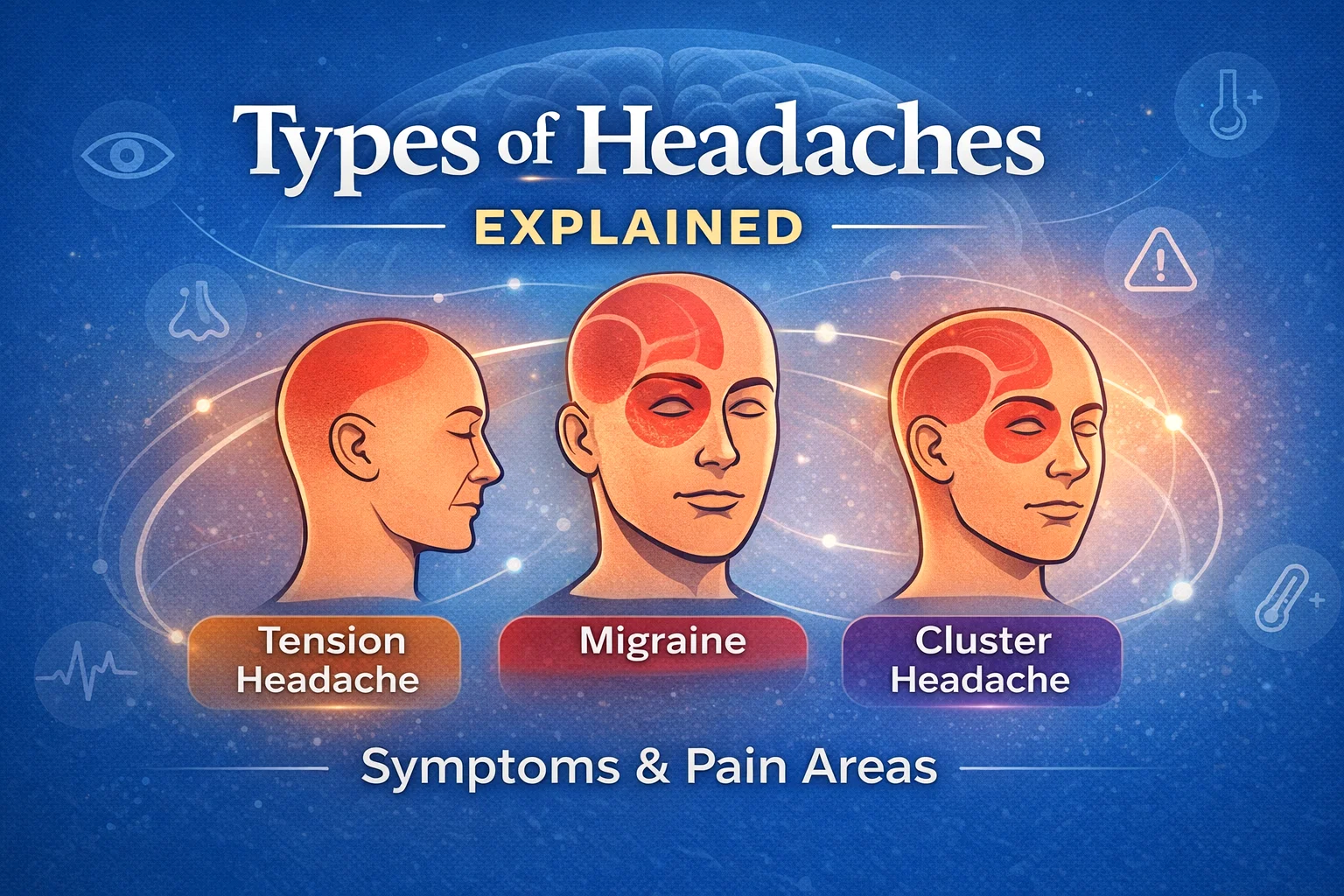
If you feel like a tight band is being squeezed around your forehead or the back of your head, you are likely experiencing a tension headache. These are often intermittent and are frequently triggered by stress, poor posture, or long hours staring at a computer screen. The pain is usually a dull ache rather than a sharp throb. Tension headaches are generally manageable with lifestyle adjustments, such as improved ergonomics, hydration, and stress management techniques like meditation or deep breathing.
The Migraine Experience: More Than Just a Headache
Migraines are often debilitating and far more intense than a standard headache. They typically start on one side of the head, often centered around the eye or temple. Unlike tension headaches, migraines are frequently accompanied by secondary symptoms such as nausea, vomiting, and extreme sensitivity to light and sound. Many sufferers experience a throbbing sensation that worsens with physical activity. Because migraines are neurological in nature, they often require a specialized approach to treatment, including identifying personal triggers like certain foods or hormonal changes.
Cluster Headaches: Focused and Intense
Cluster headaches are known for being one of the most painful types of headaches a person can endure. They occur in cyclical patterns or clusters, characterized by severe episodes of pain on one side of the head. The pain is usually concentrated around one eye and is often accompanied by physical signs like swelling, redness, or even nasal discharge on the affected side. These episodes can last from fifteen minutes to three hours and may occur multiple times a day for weeks at a time.
Headaches Linked to Blood Pressure and Physical Health
Sometimes, a headache is a secondary symptom of another health issue. For example, high blood pressure can cause a specific type of dull, pulsating pain, often felt at the back or the top of the head. This is your body reacting to the increased pressure in your vascular system. Similarly, eye strain from digital devices or more serious conditions like glaucoma can cause pain in the forehead and around the eyes. If you notice your headache worsens after reading or watching television, it is a strong signal to have your vision checked.
Sinus Problems and Environmental Triggers
Many people mistake migraines for sinus headaches, but true sinus headaches are directly linked to inflammation in the sinus cavities. This pain feels sharp and localized in the forehead, cheekbones, and the bridge of the nose. It often worsens in cold, damp weather or when you lean forward. If your headache is accompanied by a fever or thick nasal mucus, it is likely an infection that needs to be addressed with decongestants or antibiotics.
Serious Red Flags: When to Seek Immediate Help
While most headaches are benign, some serve as warnings for life-threatening conditions. It is crucial to be aware of these specific patterns:
- Brain Tumors: These headaches are often intermittent but are accompanied by neurological weaknesses, slow progression of symptoms, or even seizures.
- Brain Infections or Abscesses: Often characterized by intense, throbbing pain that may stem from untreated ear infections.
- Meningitis: This is a medical emergency. The headache is sudden and severe, usually accompanied by a high fever, vomiting, and a stiff neck.
How to Track Your Symptoms Effectively
To help a healthcare professional diagnose your condition, it is a great idea to keep a headache diary. Documenting when the pain starts, where it is located, what you ate that day, and how long the episode lasts can provide invaluable data. Note any triggers like caffeine, lack of sleep, or environmental changes. This level of detail helps distinguish between primary headache disorders and those caused by external factors.
Natural Relief and Lifestyle Adjustments
Before jumping straight to heavy medication, consider these foundational health pillars. Dehydration is a leading cause of headaches, so increasing your daily water intake is a simple first step. Additionally, maintaining a consistent sleep schedule and practicing neck stretches can significantly reduce the frequency of tension-based pain. For sinus and eye-related issues, using warm compresses or taking regular breaks from screens can provide immediate, non-invasive relief.
The Importance of Professional Diagnosis
Self-diagnosis has its limits. If your headaches are changing in frequency, becoming more severe, or if you are using over-the-counter pain relievers more than twice a week, it is time to consult a doctor. Chronic headaches can sometimes lead to rebound headaches, where the medication itself begins to cause the pain. A medical professional can provide a tailored plan, which might include prescription preventative medicine or physical therapy.
Conclusion: Empowering Yourself Through Knowledge
Living with frequent headaches can feel like a constant battle, but understanding the map of your pain is the first step toward reclaiming your life. Whether it is the dull squeeze of a tension headache or the intense throb of a migraine, your symptoms are a language. By paying close attention to where the pain sits and what other signs accompany it, you can move from simply masking the pain to addressing the root cause. Stay proactive about your health, listen to your body, and never hesitate to seek expert advice when something feels out of the ordinary. You deserve a life that is clear, focused, and pain-free.
Would you like me to create a printable headache diary template you can use to track your symptoms?