
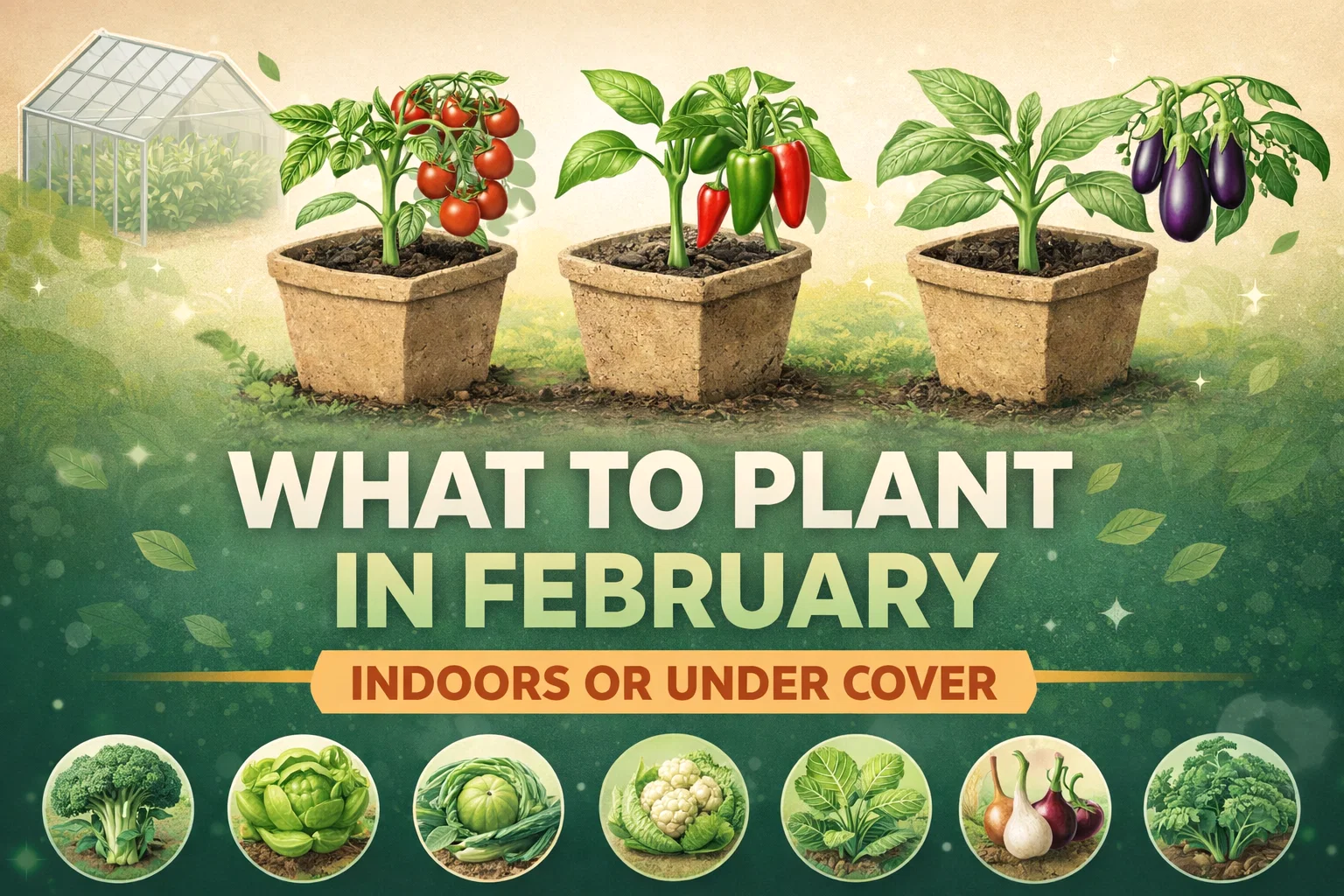
9 Vegetables to Start From Seed in February Indoors
The winter chill might still be lingering outside, but for garden enthusiasts and lovers of homegrown food, February is when the magic truly begins. While the soil in your backyard might be too cold or wet to work, your sunny windowsills and indoor growing stations are primed for action. Starting seeds indoors is not just a practical way to get a jumpstart on the spring season. It is a deeply rewarding ritual that brings life, greenery, and hope into your home during the final weeks of winter. There is nothing quite like the feeling of watching a tiny seed sprout and knowing you are cultivating natural, nourishing food for yourself and your family.
If you want to maximize your harvest and enjoy fresh produce as early as possible, February is the ideal time to sow specific varieties. By starting seeds indoors or under cover, you give slow-growing plants the head start they desperately need before the last frost date passes. Today, we are going to explore nine essential vegetables you should start from seed this February to guarantee a vibrant, abundant, and healthy spring garden.
The Warm-Season Heavyweights: Start These Early
Some of the most popular summer vegetables require a long growing season to reach maturity and produce fruit. If you wait until the soil warms up in late spring to plant these seeds directly outdoors, you might run out of warm summer days before they yield a harvest. Starting them indoors in February solves this problem beautifully.
1. Tomatoes
Tomatoes are the undisputed stars of the summer vegetable garden, and they absolutely demand an early start. Whether you prefer sweet cherry tomatoes for snacking or massive beefsteak varieties for slicing, getting those seeds into soil now is crucial. Tomato seeds need warmth to germinate, so keeping your seed trays in a cozy spot around 70 to 80 degrees Fahrenheit is highly recommended. Once they sprout, they need plenty of bright, direct light to prevent them from becoming tall, spindly, and weak. A strong start indoors means robust, healthy tomato plants ready to hit the garden beds the moment the danger of frost has passed.
2. Peppers
From crisp bell peppers to fiery jalapeños, pepper plants are notoriously slow growers in their early stages. They are even more heat-loving than tomatoes. Starting your pepper seeds in February gives them the eight to ten weeks they need to develop strong root systems and sturdy stems. When planting pepper seeds, a seedling heat mat is your best friend. The consistent bottom heat encourages faster and more uniform germination. Keep the soil moist but never waterlogged, and you will soon see those first little green loops pushing through the soil surface.
3. Eggplants
Eggplants share many similarities with tomatoes and peppers, as they are all members of the nightshade family. They require a long, hot growing season to produce their glossy, beautiful fruits. February is the perfect window to sow eggplant seeds indoors. Like peppers, they can be slow to germinate and appreciate all the warmth you can provide. By starting them early, you ensure your plants are mature enough to flower and set fruit before the late summer heat begins to fade. Choose a rich, organic seed-starting mix to give these heavy feeders the best possible foundation.
The Cool-Season Cole Crops: Beat the Heat
While we often associate seed starting with summer vegetables, February is also the critical time to start your cool-season brassicas. These vegetables thrive in the crisp temperatures of spring but will bolt (go to seed) and turn bitter once the hot summer weather arrives. Starting them indoors now allows you to transplant them outdoors early, giving them plenty of time to mature in their preferred cool climate.
4. Broccoli
Homegrown broccoli is incredibly tender and packed with natural nutrients, far surpassing anything you can buy at the grocery store. To get a successful spring harvest, sow your broccoli seeds indoors roughly six to eight weeks before your last expected spring frost. Broccoli seedlings grow relatively quickly. Once they have a few sets of true leaves and the outdoor soil is workable, they can be hardened off and transplanted. They actually appreciate a light frost, which can make them taste even sweeter.
5. Cabbage
Whether you want to make fresh summer coleslaw or ferment your own probiotic-rich sauerkraut, cabbage is a wonderfully satisfying crop to grow. Like broccoli, cabbage needs a head start indoors so it can form its dense, crisp heads before the summer heat causes the plants to split or bolt. Start your cabbage seeds in individual cells or soil blocks to minimize root disturbance later. They enjoy bright light and cooler indoor temperatures once germinated, which helps them grow into compact, sturdy little plants.
6. Cauliflower
Cauliflower can be a bit more finicky than its broccoli and cabbage cousins, making an early indoor start absolutely essential. It is highly sensitive to temperature fluctuations. By starting cauliflower seeds in the controlled environment of your home in February, you protect the delicate seedlings from extreme weather. Aim to transplant them outdoors when the weather is consistently cool but not freezing. Providing a steady supply of moisture and nutrient-rich soil will help those beautiful white, purple, or green heads form perfectly.
The Leafy Greens and Hardy Staples
Rounding out our February seed-starting list are a few garden staples that provide abundant, continuous harvests. These plants are incredibly resilient and are often the very first fresh foods you will pull from your spring garden.
7. Lettuce
Lettuce is one of the easiest and most rewarding crops to grow. While you can certainly direct-sow lettuce seeds outdoors later in the spring, starting a batch indoors in February gives you a wonderful jump on salad season. You can grow beautiful head lettuces or loose-leaf varieties. Lettuce seeds need light to germinate, so lightly press them into the surface of your soil mix rather than burying them deep. You can even start harvesting the outer leaves of your indoor lettuce plants before you transplant them outside.
8. Onions
Many beginner gardeners are surprised to learn that onions take an incredibly long time to grow from seed to a mature, harvestable bulb. If you want large storage onions, February is the absolute latest you should be starting your seeds indoors. Onion seeds look like tiny pieces of black coal. Sow them thickly in a deep container, as their roots need room to stretch down. As the green tops grow tall and flop over, you can trim them back with scissors to keep the plants manageable and encourage thicker, stronger roots. These trimmings make a delicious, mild garnish for your winter meals!
9. Kale
Kale is a nutritional powerhouse and a must-have for anyone interested in natural, holistic eating. It is exceptionally cold-hardy, meaning you can move your indoor-started seedlings out into the garden very early in the spring. Sow kale seeds indoors in February to guarantee a steady supply of dark, leafy greens for your morning smoothies and evening salads. Kale seedlings are vigorous growers and will quickly develop their signature curly or dinosaur-textured leaves under adequate grow lights.
Essential Equipment for Indoor Seed Starting Success
Now that you know exactly what to plant, it is important to gather the right supplies. You do not need a professional greenhouse, but a few key items will make the difference between weak, failing sprouts and robust, garden-ready plants.
- Quality Seed Starting Mix: Do not use heavy outdoor potting soil. You need a light, fluffy, sterile seed-starting mix. This allows delicate new roots to push through easily and prevents fungal diseases from killing your sprouts.
- Containers with Drainage: You can use plastic cell trays, biodegradable peat pots, or even upcycled yogurt containers. The only non-negotiable requirement is that they must have holes in the bottom for excess water to escape.
- Adequate Lighting: A sunny window is rarely enough for strong seedlings. The days are still too short in February. Invest in a simple set of LED grow lights and keep them positioned just a few inches above the tops of your plants to prevent them from stretching toward the light.
- Warmth: As mentioned earlier, a seedling heat mat placed under your trays will dramatically speed up germination for heat-loving crops like tomatoes and peppers.
Step-by-Step Guide to Sowing Your Seeds
Getting your seeds into the soil is a therapeutic and exciting process. Follow these straightforward steps to ensure your February planting goes smoothly.
Step 1: Prepare the Soil
Before putting any soil into your containers, empty your seed starting mix into a large bowl or bucket. Slowly add warm water and mix it with your hands until the soil feels like a damp sponge. It should hold its shape when squeezed but not drip water. Pre-moistening the soil is critical because dry peat-based mixes will repel water later, leaving your seeds thirsty.
Step 2: Fill and Tamp
Fill your containers or seed cells with the pre-moistened mix. Tap the containers gently on your table to settle the soil, and lightly press the surface to remove any large air pockets. You want a firm, level bed for your seeds to rest on.
Step 3: Plant at the Proper Depth
A general rule of thumb in gardening is to plant a seed twice as deep as its longest dimension. Tiny seeds like lettuce should simply be pressed into the surface. Larger seeds like brassicas can be poked down about a quarter of an inch. Always check the back of your specific seed packet for exact depth instructions.
Shutterstock
Step 4: Label Everything
Do not rely on your memory! Tomato sprouts look exactly like pepper sprouts in the first few weeks. Use wooden craft sticks or plastic plant tags to label every single row with the plant variety and the date you sowed the seeds. This helps you track germination times and keeps your garden organized.
Step 5: Provide Humidity and Wait
Cover your seed trays with a clear plastic dome or a piece of plastic wrap to trap the humidity. Place them in a warm spot, optionally on a heat mat. Check them daily. The moment you see the first hint of green breaking the surface, remove the plastic cover entirely and turn on your grow lights. Leaving the cover on too long can cause a fatal fungal issue known as damping off.
Conclusion: The Joy of the Spring Head Start
Starting your vegetables from seed in February is an incredible way to extend your gardening season, save money, and gain access to a massive variety of heirloom and organic crops that you simply cannot find at a local garden center. By taking the time to nurture tomatoes, peppers, eggplants, brassicas, and fresh greens indoors, you are setting the stage for months of delicious, healthy, homegrown meals. Gardening is a beautiful journey of patience and care. So grab your soil, sort through your seed packets, and let the spring growing season begin right on your windowsill!