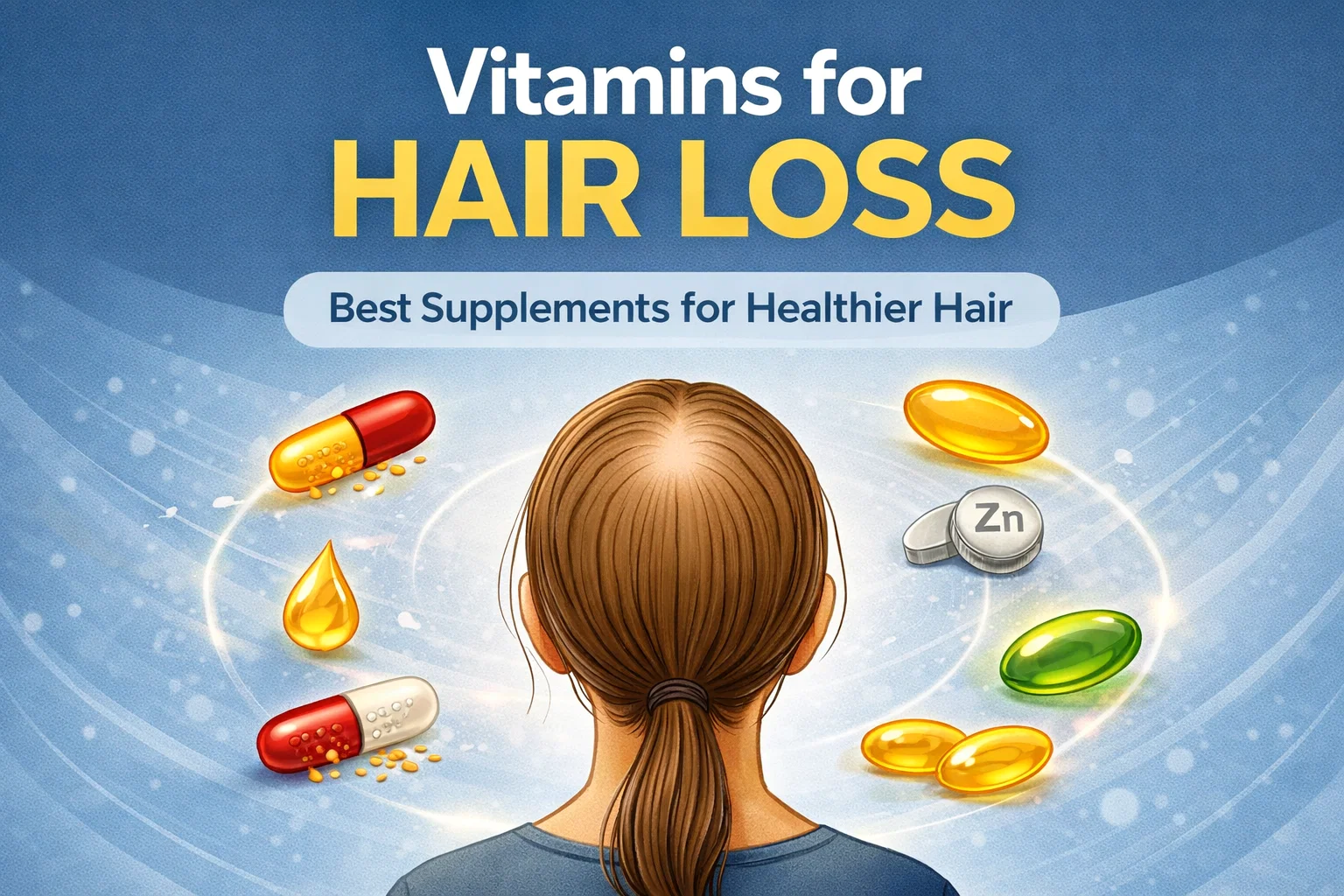
Top Vitamins for Hair Growth and Thinning Hair Best Supplements for Hair Loss Prevention
We have all been there, standing in front of the bathroom mirror, noticing a few more hairs than usual in the brush or a thinning patch that seems to have appeared out of nowhere. Hair loss is a deeply personal and often stressful experience that affects millions of people across the globe. While topical treatments and expensive salon procedures are popular, many people overlook the most fundamental aspect of hair health: what we put into our bodies. The image we are looking at today highlights a vital truth in the world of beauty and wellness. True hair strength begins at the cellular level, fueled by a specific set of vitamins and minerals designed to stimulate growth and repair tissue.
The journey to a thicker, fuller mane is not just about the shampoos you use or the way you style your hair. It is about biological support. By focusing on a targeted nutritional approach, you can provide your hair follicles with the building blocks they need to thrive. In this comprehensive guide, we are going to dive deep into the science behind the top vitamins for hair loss, exploring how each one works and why they are non-negotiable for anyone looking to reclaim their hair confidence.
The Building Blocks of Growth: Understanding Vitamin B and Biotin
When you think of hair growth, Vitamin B is often the first thing that comes to mind, and for good reason. This family of vitamins plays a critical role in energy production and the creation of red blood cells, which carry oxygen and nutrients to the scalp and hair follicles. Without enough B vitamins, your hair follicles can become starved of the essential fuel they need to produce new strands.
The Power of Biotin for Keratin Production
Biotin, also known as Vitamin B7, is perhaps the most famous inhabitant of the hair supplement world. As the image suggests, Biotin promotes keratin production. Keratin is the basic protein that makes up your hair, skin, and nails. When your Biotin levels are optimal, your body can produce high-quality keratin that makes each strand of hair stronger and more resilient to breakage. While a true Biotin deficiency is rare, many people find that increasing their intake leads to a noticeable improvement in hair thickness and a reduction in shedding.
General Vitamin B Complex Benefits
Beyond Biotin, other B vitamins like B12 and Folate are essential for hair health. These vitamins help in the formation of red blood cells. Since hair is a non-essential tissue in the eyes of your body, it is often the first to lose out on nutrients if your levels are low. Ensuring you have a steady supply of B vitamins ensures that your scalp remains a fertile ground for new growth to emerge.
The Antioxidant Shield: Vitamin C and Vitamin E
Environmental stress is a major contributor to premature hair thinning. Free radicals, which are unstable molecules caused by pollution, UV rays, and even stress, can damage the cells within the hair follicle. This is where the power of antioxidants comes into play. As shown in the visual guide, Vitamin C and Vitamin E are heavy hitters when it comes to protecting and nourishing the scalp.
Vitamin C and the Magic of Collagen
Vitamin C is a powerhouse for three main reasons. First, it is a potent antioxidant that protects the hair from oxidative stress. Second, and perhaps most importantly, it aids in collagen production. Collagen is a structural protein that provides the framework for your hair. As we age, collagen production naturally slows down, which can lead to thinner, more brittle hair. By boosting your Vitamin C intake, you are essentially providing the glue that keeps your hair structure intact. Third, Vitamin C helps your body absorb iron, another critical mineral for hair growth.
Vitamin E for Scalp Circulation
While Vitamin C works on structure, Vitamin E focuses on the environment. The image notes that Vitamin E improves blood circulation to the scalp. Think of your scalp as a garden. If the soil is not receiving enough water and nutrients through the irrigation system, the plants will wither. Vitamin E helps ensure that the blood vessels in the scalp are healthy and efficient, delivering a constant stream of nutrients directly to the root of the hair. This increased circulation can wake up dormant follicles and encourage them to enter the growth phase again.
Strengthening the Foundation: Zinc and Vitamin D
Sometimes hair loss is not just about a lack of growth but about a breakdown in the repair process. This is where minerals and hormonal regulators like Zinc and Vitamin D become the stars of the show. These two nutrients work behind the scenes to ensure that the hair cycle remains balanced and that any damage is quickly addressed.
Zinc for Tissue Repair and Growth
Zinc is a trace mineral that plays a major role in hair tissue growth and repair. It also helps keep the oil glands around the follicles working properly. A common sign of Zinc deficiency is hair shedding and a dry, flaky scalp. Because your body does not store Zinc, you need a consistent daily intake to keep your hair follicles functioning at their peak. It acts as a co-factor for many enzymes involved in protein synthesis, meaning it helps your body turn the protein you eat into the hair on your head.
Vitamin D: The Follicle Stimulator
Vitamin D is unique because it acts more like a hormone than a traditional vitamin. Research has shown that Vitamin D helps create new follicles, which are the tiny pores in the scalp where new hair can grow. If you are struggling with thinning areas, Vitamin D might be the missing link. Many people living in northern climates are chronically deficient in the sunshine vitamin, which can lead to a type of hair loss called telogen effluvium. Keeping your Vitamin D levels in the optimal range is one of the simplest ways to ensure your hair cycle stays on track.
The Secret Weapon: Omega 3 Fatty Acids
While often associated with heart and brain health, Omega 3 fatty acids are essential for anyone wanting luscious, shiny hair. As the infographic points out, Omega 3 nourishes hair follicles. These healthy fats provide the oils that keep your scalp hydrated and your hair shafts lubricated. This prevents the hair from becoming dry and snapping off before it reaches its full length.
- Hydration: Omega 3s help maintain the natural oils on your scalp, preventing dandruff and itchiness.
- Inflammation Reduction: Chronic inflammation can lead to follicle miniaturization. Omega 3s are naturally anti-inflammatory, helping to keep the scalp calm and healthy.
- Density: Studies have suggested that regular supplementation with fish oils or plant based Omega 3s can lead to an increase in hair density over time.
How to Incorporate These Vitamins Into Your Daily Routine
Knowing which vitamins you need is only half the battle. The next step is ensuring you are getting them in the right quantities and from the right sources. A food-first approach is always recommended, as your body absorbs nutrients best from whole food sources. However, supplements can be a fantastic way to fill in the gaps, especially if you have specific dietary restrictions or are dealing with a known deficiency.
Best Food Sources for Hair Health
To get your daily dose of these hair heroes, try incorporating more of the following into your meals:
- Eggs and Nuts: Excellent sources of Biotin and Vitamin B.
- Citrus Fruits and Bell Peppers: Loaded with Vitamin C for collagen support.
- Spinach and Kale: Great for Iron, Vitamin C, and Folate.
- Fatty Fish and Flaxseeds: Your go to sources for Omega 3 fatty acids.
- Oysters and Pumpkin Seeds: The gold standard for Zinc intake.
Choosing the Right Supplement
If you decide to go the supplement route, look for a high quality multi-vitamin specifically formulated for hair, skin, and nails. These products usually combine the vitamins mentioned in the image in the correct ratios. Always consult with a healthcare professional before starting a new supplement regimen, as taking too much of certain nutrients, like Zinc or Vitamin A, can actually lead to more hair loss if not balanced correctly.
Managing Expectations: The Timeline for Hair Growth
One of the most important things to remember when starting a vitamin protocol for hair loss is patience. Hair grows at an average rate of about half an inch per month. Because the hair growth cycle involves different phases, it can take three to six months of consistent nutritional support before you see a visible difference in your hair’s thickness or length. You have to give your body time to repair the internal systems before the results show up on the outside.
During the first month, you might notice that your nails are getting stronger or that your skin looks a bit brighter. By month three, you may see less shedding in the shower. By month six, you should start to notice those tiny new baby hairs along your hairline or more volume in your ponytail. Consistency is the absolute key to success.
A Holistic Approach to Hair Wellness
While vitamins are incredibly powerful, they work best when combined with a healthy lifestyle. Stress management, adequate sleep, and gentle hair handling are all part of the puzzle. High levels of cortisol, the stress hormone, can push hair follicles into a resting phase, causing them to fall out prematurely. Pair your vitamin intake with activities like yoga, meditation, or simply getting enough rest to maximize your results.
Additionally, try to limit heat styling and harsh chemical treatments while you are trying to regrow your hair. Giving your hair a break from the outside while you nourish it from the inside creates the perfect environment for a total hair transformation. Treat your hair like the delicate fiber it is, and it will reward you with strength and shine.
Conclusion: Investing in Your Hair’s Future
The image we analyzed today serves as a roadmap for anyone feeling lost in the world of hair thinning and loss. From the collagen boosting powers of Vitamin C to the follicle stimulating effects of Vitamin D and the structural support of Biotin, nature has provided us with everything we need to maintain a healthy head of hair. Hair loss does not have to be an inevitable part of your story. By understanding the roles of these top vitamins, you can take proactive steps to nourish your scalp and protect your strands.
Remember that your hair is a reflection of your internal health. When you provide your body with the right fuel, it has the resources it needs to produce vibrant, strong hair. Start small by adding more nutrient dense foods to your plate or finding a supplement that fits your needs. With time, dedication, and the right vitamins, you can move toward a future with thicker, healthier hair and the confidence that comes with it.