Best Hair Growth and Hair Care Routine Simple Habits for Long Healthy Hair Thick Growth
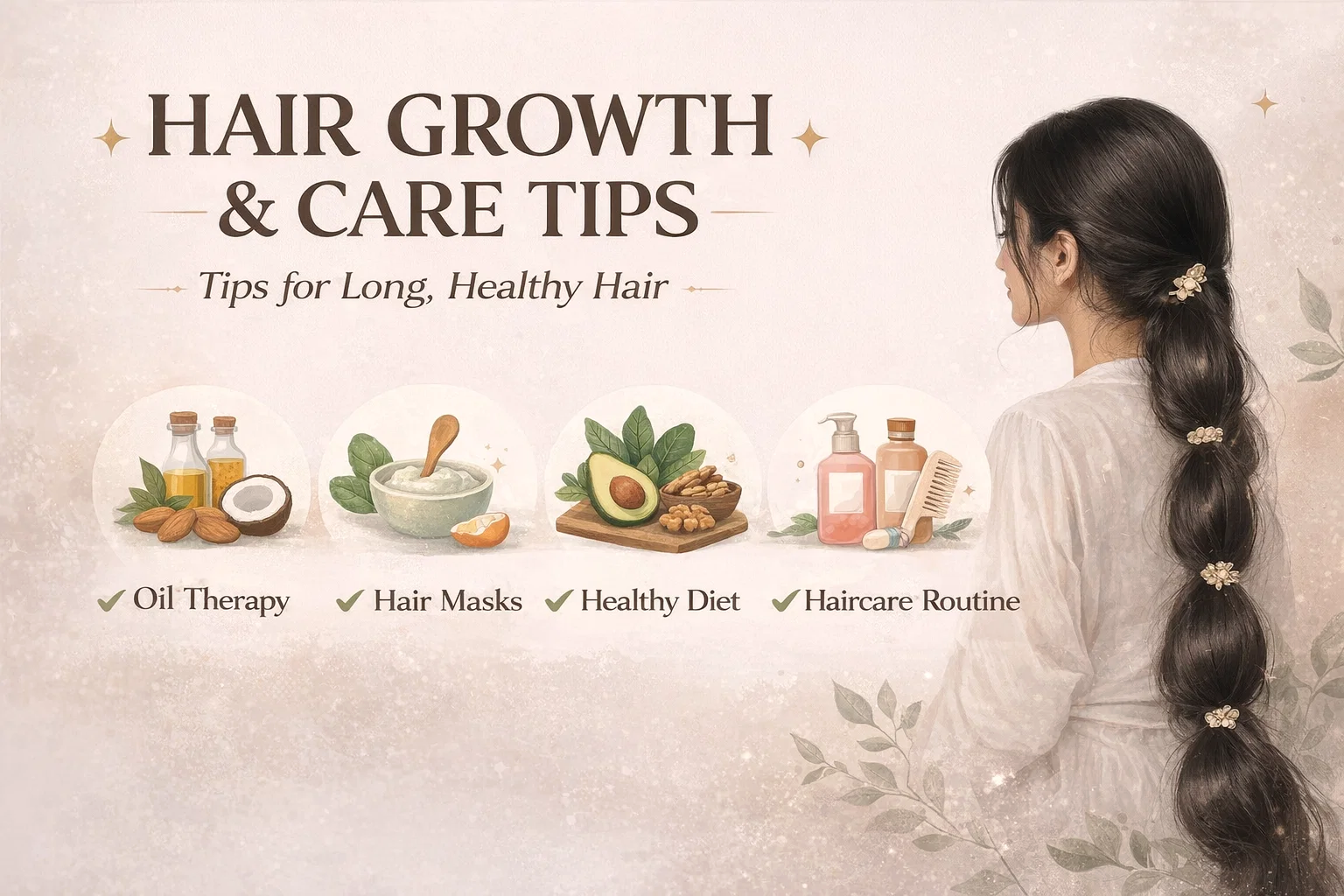
Have you ever looked in the mirror and wished for a thicker, longer, and more radiant mane? You are certainly not alone. Hair is often referred to as our crowning glory, and its health can significantly impact our confidence and overall sense of well-being. While the beauty industry is flooded with expensive chemical treatments and high-end salon services, the real secret to achieving the hair of your dreams often lies in the simplicity of consistent, natural habits. By returning to the basics and embracing a holistic approach that combines external nourishment with internal health, you can unlock your hair’s true potential. This guide will walk you through a comprehensive four step transformation journey designed to take your hair from dull and thinning to vibrant and voluminous.
Step 1: The Power of Oil Therapy for Scalp and Strand Health
The foundation of any robust hair care routine begins with proper lubrication and scalp stimulation. Oil therapy, an ancient practice that has stood the test of time, is one of the most effective ways to deliver concentrated nutrients directly to the hair follicles. For the best results, you should aim to perform an oil massage two to three times a week. This consistency ensures that your scalp remains hydrated and that blood circulation is regularly boosted, which is vital for triggering new growth.
Choosing the Right Oils for Your Hair Type
Not all oils are created equal, and understanding the specific benefits of each can help you customize a blend that meets your unique needs. Coconut oil is perhaps the most versatile of all, known for its incredible ability to penetrate the hair shaft and provide deep nourishment from the inside out. It acts as a protective barrier, reducing protein loss during the washing process.
If thickness is your primary goal, castor oil is your best friend. It is rich in ricinoleic acid, which helps increase circulation to the scalp and strengthens the roots. Because castor oil is quite thick, many people prefer to mix it with almond oil. Almond oil is a fantastic emollient that fills in gaps in the hair at a cellular level, resulting in a smoother texture and a brilliant shine that catches the light beautifully.
The Rosemary Oil Revolution
If you are looking for an extra boost, consider adding a few drops of rosemary essential oil to your base mixture. Recent studies have suggested that rosemary oil can be as effective as some over the counter hair growth treatments without the harsh side effects. It works by improving cellular generation and has anti inflammatory properties that keep the scalp environment healthy and clear of irritation.
Step 2: Weekly Hair Masks for Targeted Repair
While daily maintenance is important, your hair needs a weekly deep dive into restoration. Think of a hair mask as a high performance facial for your scalp. By applying a concentrated mask once every week, you address specific issues like dryness, thinning, or breakage that daily conditioners might miss.
Natural Ingredients for Every Hair Concern
For those struggling with dry and brittle hair, a mixture of aloe vera gel and your favorite carrier oil works wonders. Aloe vera is packed with proteolytic enzymes that repair dead skin cells on the scalp while acting as a humectant to lock in moisture. If your hair feels weak and thin, the classic combination of egg and curd (yogurt) is a protein powerhouse. Eggs provide the essential proteins needed for strand strength, while the lactic acid in curd helps cleanse the scalp and add a silky finish.
Hair fall is a common concern that can be addressed with methi (fenugreek) paste. Fenugreek seeds are high in protein and nicotinic acid, which are known to be beneficial against hair fall and dandruff. Finally, for those who want to focus purely on scalp strength and follicle stimulation, onion juice is a potent remedy. Despite its strong scent, its high sulfur content helps minimize hair thinning and breakage by providing the follicles with the nourishment they need to produce strong hair.
Step 3: A Hair Friendly Diet for Internal Strength
It is often said that you are what you eat, and this is especially true when it comes to your hair. No amount of external products can fully compensate for a poor diet. Healthy hair starts from the inside, and your body prioritizes vital organs over hair follicles when distributing nutrients. This means you must ensure you have an abundance of vitamins and minerals to spare.
Essential Nutrients for Growth
Protein is the primary building block of hair, as the follicles are mostly made of a protein called keratin. Incorporating high quality protein sources like eggs, paneer, and lentils into your daily meals provides the raw materials your body needs to grow new strands. Without enough protein, your hair can become brittle and may even enter a resting phase, leading to increased shedding.
Iron is another critical component, as it helps red blood cells carry oxygen to your cells, including those that handle hair growth. If you feel lethargic and notice your hair is thinning, an iron deficiency might be the culprit. Load up on spinach, beetroot, and dates to keep your iron levels optimal. Additionally, do not shy away from good fats. Omega 3 fatty acids found in walnuts, flax seeds, and chia seeds provide the oils that keep your scalp hydrated and your hair looking glossy rather than dull.
Step 4: Everyday Hair Rules to Prevent Damage
Sometimes, the biggest improvements in hair health come from what you stop doing. Small, seemingly insignificant mistakes can lead to big hair fall over time. Establishing a set of everyday rules will protect the progress you have made through oiling and masks, ensuring that your hair stays attached to your head and remains healthy.
Gentle Cleansing and Temperature Control
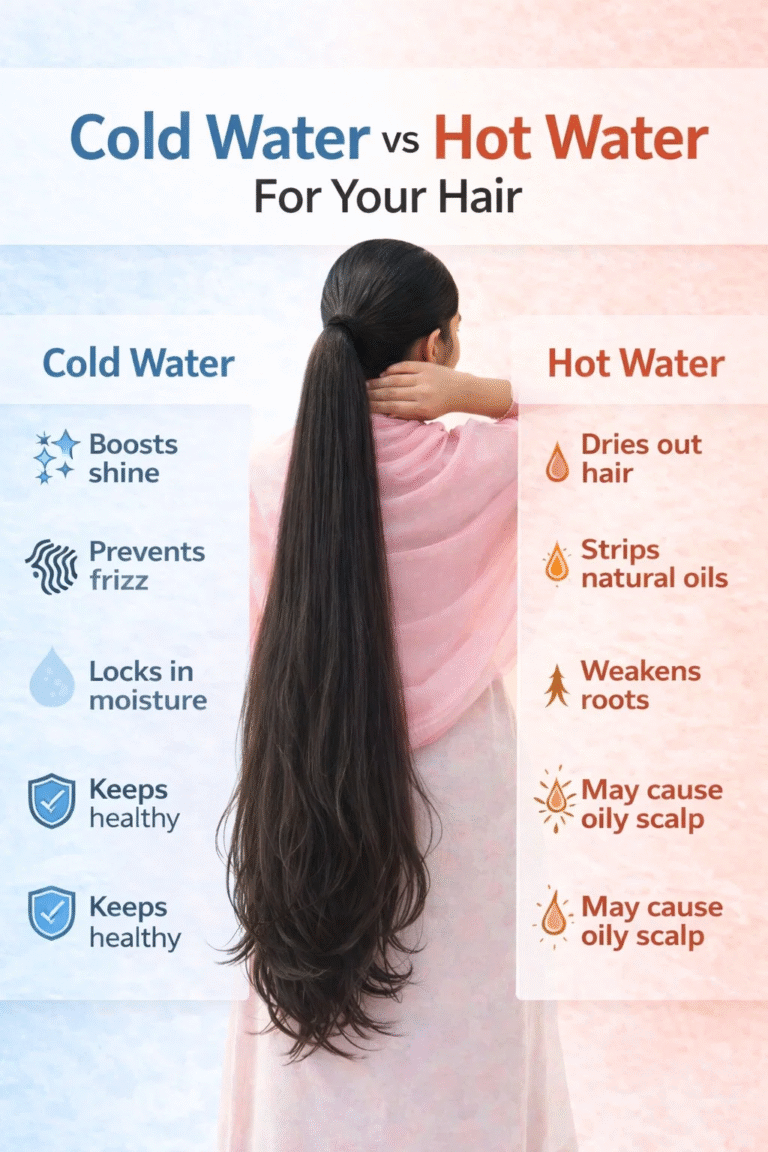
The type of shampoo you use matters immensely. Many commercial shampoos contain harsh sulfates that strip away natural oils, leaving your hair vulnerable to the elements. Transitioning to a mild, sulphate free shampoo will help maintain your scalp’s natural pH balance. Furthermore, while a hot shower might feel relaxing, it is devastating for your hair. Hot water opens the cuticles too wide, leading to moisture loss and frizz. Always opt for lukewarm or cool water when washing your hair to keep the cuticles sealed and smooth.
Handling Wet Hair with Care
Hair is at its weakest and most elastic state when it is wet. This is why you should never tie your hair up immediately after a shower. The tension from hair ties on wet strands causes them to stretch and eventually snap. Likewise, avoid the temptation of tight hairstyles like high ponytails or tight braids. These styles put constant physical stress on the hair follicles, which can lead to a condition called traction alopecia. Whenever possible, let your hair breathe and opt for loose styles or silk scrunchies that glide over the hair without pulling.
Building a Sustainable Routine
The key to success with any hair care guide is patience and consistency. You likely will not see a massive difference overnight, as hair typically only grows about half an inch per month. However, by sticking to these four steps, you will notice a change in the texture and strength of your hair within just a few weeks. Start by picking one habit from each category. Perhaps you begin by oiling your hair on Sunday nights and swapping your morning toast for a protein rich omelet. As these small changes become second nature, you can layer in the more advanced treatments like onion juice masks or rosemary oil boosters.
Monitoring Your Progress
It can be helpful to take a photo of your hair today and then another one in three months. Often, we do not notice the gradual changes because we see ourselves in the mirror every day. Looking back at your starting point will give you the motivation to keep going. Remember that everyone’s hair journey is unique. Your genetics, environment, and stress levels all play a role, so do not get discouraged if your results move at a different pace than someone else’s. Focus on the health of your scalp and the integrity of your strands, and the length will naturally follow.
Conclusion: Your Path to Radiant Hair
Achieving long, healthy hair does not have to be a complicated or expensive endeavor. By following the structured approach of oil therapy, weekly masks, a nutrient dense diet, and gentle everyday handling, you are giving your hair the best possible environment to thrive. These simple habits are more than just beauty tips; they are a form of self care that honors your body’s natural processes. Start implementing these steps today, and over time, you will find that your hair becomes a true reflection of your inner health and vitality. Treat your tresses with the love and respect they deserve, and they will surely reward you with the length and shine you have always desired.