
How to Make Natural Soap from Soapwort The Eco-Friendly Wild Plant Laundry Guide
Discovering a plant that can actually clean your clothes feels like stumbling upon a secret from a forgotten era. In a world dominated by synthetic fragrances and complex chemical formulas, soapwort stands as a testament to the ingenuity of nature. Known scientifically as Saponaria officinalis, this hardy perennial has been a staple in European and American households for centuries. It is not just a pretty pink flower that brightens up the garden; it is a functional tool for anyone interested in self-sufficiency, herbalism, or sustainable living.
What Exactly is Soapwort?
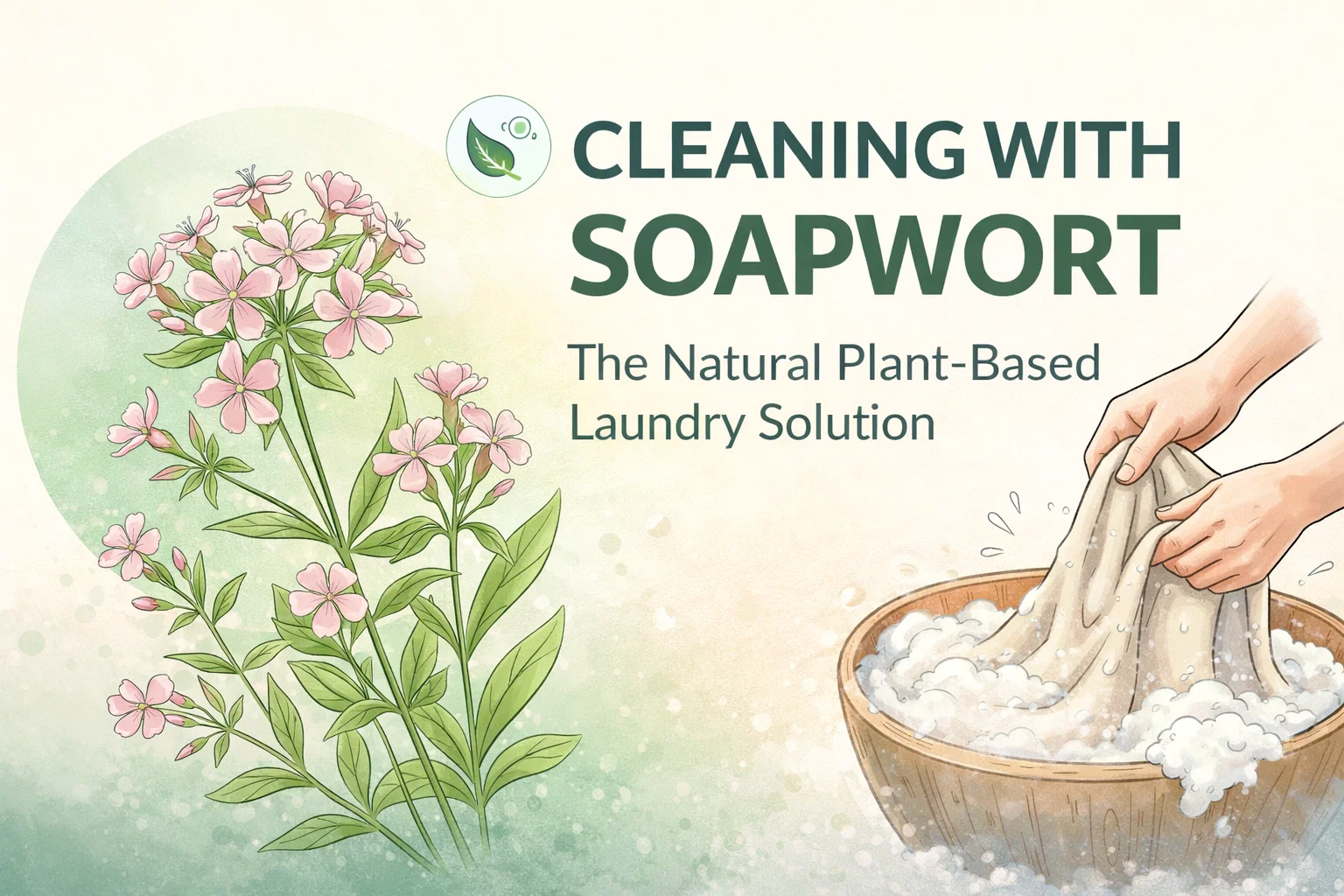
Soapwort is a member of the carnation family and is easily recognized by its clusters of delicate, five-petaled pink or white flowers. It often grows wild along roadsides and stream banks, earning it the nickname Bouncing Bet. The name Soapwort comes from its most unique characteristic: the presence of saponins. These are natural, soap-like compounds found in the roots and leaves of the plant that produce a mild, cleansing lather when agitated in water. Unlike modern detergents that use harsh surfactants to break down grease, soapwort works gently, making it one of the best choices for cleaning fragile items.
Historically, this plant was the primary cleaning agent for museum curators and textile restorers. Because it is pH-balanced and free from the bleaching agents found in commercial soaps, it can clean ancient tapestries and delicate lace without causing the fibers to break down or the colors to fade. Bringing this plant into your modern routine is a way to bridge the gap between historical wisdom and contemporary eco-conscious habits.
The Science of Saponins
To understand why this plant works, we have to look at the chemistry of saponins. Saponins are glycosides that possess both water-soluble and fat-soluble properties. When you mix soapwort extract with water and shake it, these molecules align themselves to trap dirt and oils, lifting them away from the surface of a fabric or your skin. This is the exact same principle used by modern soaps, but without the synthetic additives that can irritate the skin or harm the environment.
One of the greatest benefits of using a plant-based saponin is that it is completely biodegradable. When you pour your leftover soapwort laundry water into the grass, it does not harm the soil or the local water table. It is a closed-loop system that starts in the garden and ends back in the earth, which is the ultimate goal for anyone pursuing a zero-waste lifestyle.
Growing Your Own Laundry Detergent
If you have a bit of garden space, growing soapwort is incredibly rewarding. It is a resilient plant that thrives in many conditions, though it prefers well-drained soil and a good amount of sunlight. Because it spreads through underground runners, it can be quite prolific. Some gardeners choose to grow it in containers or dedicated beds to keep it from taking over, but its beautiful blooms and sweet scent make it a welcome addition regardless of where it sits.
Planting and Care Tips
- Sunlight: Aim for full sun to partial shade. The more sun it gets, the more vibrant the flowers will be.
- Soil: It is not picky about soil quality, but good drainage is key to preventing root rot.
- Watering: Regular watering is important during the first year of growth. Once established, it is remarkably drought-tolerant.
- Harvesting: You can use both the leaves and the roots. The roots contain the highest concentration of saponins, but the leaves and stems are excellent for a quick, light lather.
How to Make a Liquid Soapwort Extract
Creating your own natural soap is a simple process that feels more like brewing tea than a chemistry experiment. Since the saponins need to be released from the plant material, heat is your best friend. For a standard batch of laundry or a gentle body wash, you will need a handful of dried soapwort or a larger bunch of fresh leaves and stems.
Step-by-Step Instructions
- Prepare the Plant: Chop your soapwort roots or leaves into small pieces to increase the surface area.
- Simmer: Place the plant material in a pot of distilled water. A general rule is about two cups of water for every half-cup of plant material.
- Heat: Bring the mixture to a boil, then reduce the heat and let it simmer for about 20 to 30 minutes. You will notice the water starting to turn a light green or yellow and bubbles forming on the surface.
- Cool and Strain: Let the liquid cool completely, then strain out the plant bits using a fine mesh sieve or cheesecloth.
- Store: Since this is a fresh botanical extract without preservatives, it should be used immediately or stored in the refrigerator for up to a week.
Practical Uses for Soapwort in the Home
While the image highlights its use for laundry, the versatility of soapwort extends to almost every corner of your cleaning routine. Because it is so mild, it is an excellent alternative for people with sensitive skin, eczema, or allergies to synthetic fragrances.
Natural Laundry Soap
For hand-washing delicates, simply add your soapwort liquid to a basin of lukewarm water and swirl it around until suds appear. Submerge your clothing and let it soak. For a standard washing machine, you can pour about a cup of the extract directly into the drum. It won’t produce the massive clouds of foam you see with commercial detergents, but do not let that fool you. It is still working to lift dirt and refresh the fabric.
Gentle Hair and Body Wash
Before the invention of modern shampoo, many people used soapwort to wash their hair. It leaves the hair feeling soft and clean without stripping away the natural oils that keep your scalp healthy. You can even customize your soapwort wash by adding a few drops of essential oils like lavender for relaxation or rosemary for scalp health. It is also a fantastic face wash for those who find traditional bar soaps too drying.
Cleaning Home Surfaces
If you are looking for a non-toxic way to wipe down wooden furniture or countertops, a soapwort spray is a great solution. It removes dust and light grime without leaving behind a sticky residue. It is particularly effective for cleaning heirloom items that you might be afraid to touch with standard household cleaners.
The Benefits of Choosing Botanical Cleaners
Switching to soapwort is more than just a DIY project; it is a lifestyle choice that benefits your health and the planet. When we use standard detergents, we are often washing microplastics and chemical dyes down our drains. These substances can be difficult for water treatment plants to filter out and can eventually end up in our ecosystems.
By using a plant that you can grow in your backyard, you are reducing your carbon footprint significantly. There is no plastic packaging to throw away, no industrial processing involved, and no long-distance shipping required. Furthermore, you gain the peace of mind that comes from knowing exactly what is in the products you use around your family and pets.
Important Considerations and Safety
While soapwort is natural, there are a few things to keep in mind. Saponins are generally safe for topical use, but they should not be ingested in large quantities. In the past, soapwort was occasionally used in very small amounts in traditional medicine, but it is primarily intended for external cleaning. If you have very sensitive skin, it is always a good idea to do a small patch test before using a new botanical wash all over your body.
Additionally, saponins can be toxic to fish. Even though soapwort is biodegradable and safe for garden use, you should avoid dumping large concentrated amounts of the extract directly into ponds or small bodies of water where aquatic life is present. In a standard home drainage system, it breaks down quickly and poses no threat.
Embracing the Slow Living Movement
In our fast-paced society, the idea of boiling roots to wash a shirt might seem time-consuming. However, there is a deep sense of satisfaction that comes from these slower, more intentional tasks. Taking the time to harvest a plant, prepare an extract, and use it to care for your belongings connects you to the natural world in a way that clicking a button on a shopping website never can.
Soapwort invites us to slow down and appreciate the utility of the wild world. It encourages us to look at “weeds” with new eyes and recognize them as valuable resources. Whether you are a dedicated homesteader or just someone looking to live a little more sustainably in a city apartment, experimenting with soapwort is a wonderful entry point into the world of botanical utility.
Conclusion
Soapwort is a remarkable bridge between the past and the future. It offers a functional, eco-friendly solution to a daily necessity while providing the beauty of a flowering perennial. By understanding how to grow and process this wild plant, you unlock a sustainable method for keeping your home and wardrobe clean without the need for harsh chemicals. It is a simple, effective, and beautiful way to bring more nature into your daily life. Next time you see those pretty pink flowers growing by the fence, remember that you are looking at one of nature’s most powerful and gentle cleaning tools. Save this guide and try making your first batch of botanical soap today.