Lenten Reflection What to Give Up for Lent Spiritual Growth Positive Mindset Tips
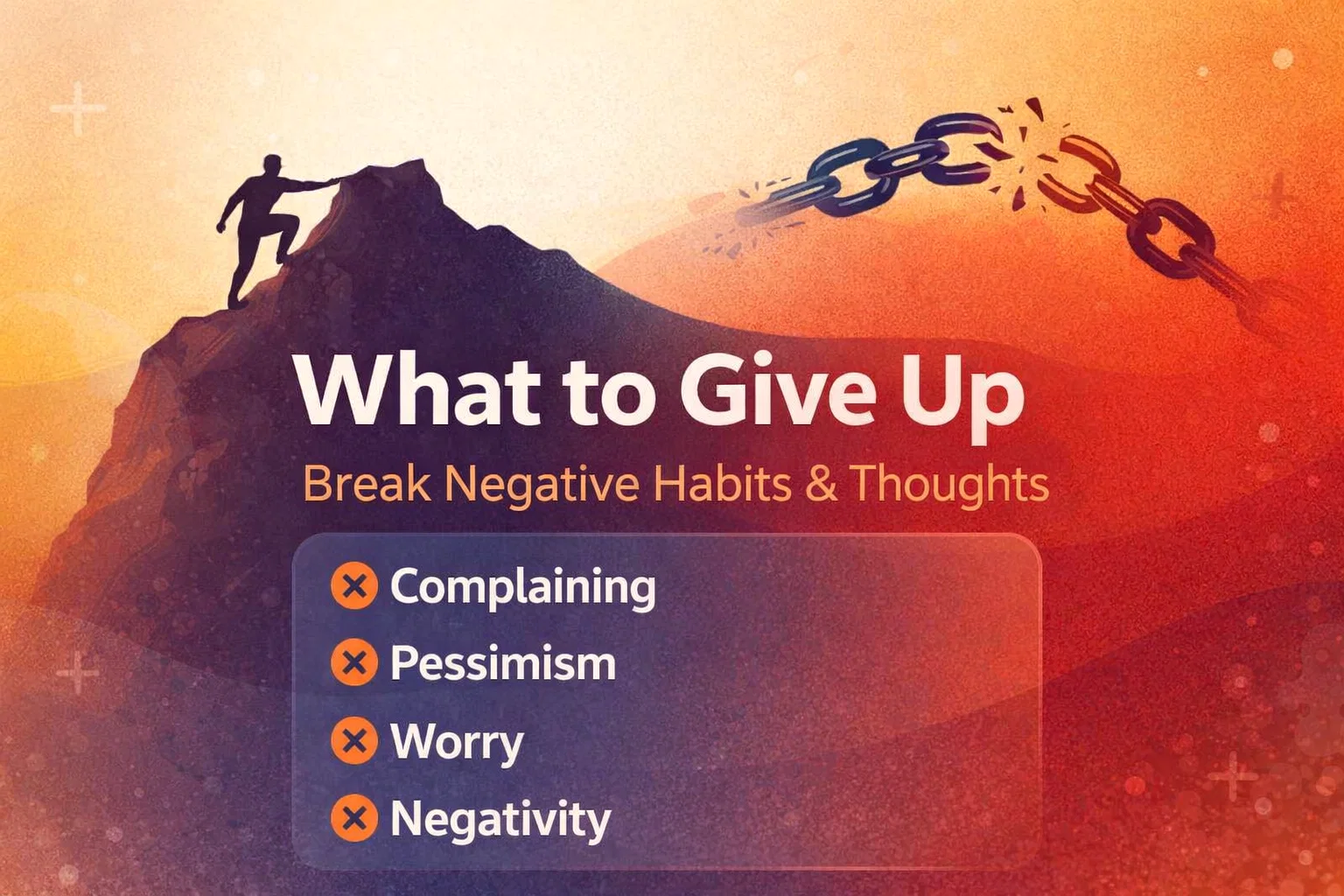
Embracing the season of Lent often feels like a daunting climb up a steep mountain. For many, it is synonymous with giving up chocolate, caffeine, or social media. While those physical sacrifices have their place, the image we are looking at today suggests a much deeper, more internal transformation. It proposes a Lenten reflection that moves beyond the stomach and straight into the heart. This approach to the liturgical season is not just about what you leave behind on your plate, but about the toxic habits and mindsets you leave behind in your soul.
The beauty of this specific reflection lies in its duality. It does not just tell you what to stop doing; it gives you a roadmap for what to start doing instead. This is the essence of true spiritual growth. When we clear out the weeds of bitterness, anger, or pettiness, we must plant something beautiful in their place, or the weeds will simply return. Let us dive deep into how these shifts in perspective can redefine your Lenten journey and, ultimately, your life.
Shifting from Complaint to Gratitude
The very first line of the reflection captures a universal struggle: complaining. It is incredibly easy to find things that are wrong with our day, our jobs, or our relationships. Complaining is a low energy state that keeps us tethered to our frustrations. However, when we consciously choose to give up complaining, we create a vacuum that can only be filled by gratitude.
Gratitude is a muscle. The more you use it, the stronger it becomes. During Lent, instead of vocalizing a grievance about the weather or a long line at the grocery store, try to find one small thing to be thankful for in that exact moment. Perhaps it is the warmth of your coat or the fact that you have the means to buy groceries at all. This shift in focus literally rewires your brain to look for the good rather than the bad.
From Pessimism to Optimism
Pessimism often masquerades as realism, but in reality, it is a protective shield we use to avoid disappointment. By giving up pessimism, you are choosing to be vulnerable enough to hope. Becoming an optimist does not mean ignoring the challenges of the world; it means believing that those challenges are not the end of the story. It is a radical act of faith to look at a difficult situation and believe that a positive outcome is possible.
Softening the Heart: Judgments and Bitterness
One of the most challenging aspects of this Lenten guide is the call to give up harsh judgments. We live in a culture that encourages snap judgments based on social media snippets or brief encounters. Thinking kindly thoughts about others, especially those we disagree with, requires immense discipline. It requires us to remember that everyone we meet is fighting a battle we know nothing about.
Closely linked to judgment is bitterness. Bitterness is often described as drinking poison and waiting for the other person to die. It weighs down the spirit and prevents us from moving forward. Turning to forgiveness is the antidote. Forgiveness is rarely a one-time event; it is a daily decision to release the debt someone owes you so that you can finally be free. During these forty days, identify one area where bitterness has taken root and consciously offer it up for healing.
Replacing Worry with Trust
Worry is perhaps the most common “sin” we struggle with in the modern age. We worry about our finances, our children, our health, and the future. The reflection encourages us to trust Divine Providence. This means acknowledging that while we cannot control every outcome, we are held by a power greater than ourselves. Trusting in providence allows us to do our best in the present moment and leave the results to God. It is the ultimate form of surrender.
The Power of Hope over Discouragement
Discouragement is the favorite tool of stagnation. It tells us that our efforts do not matter and that change is impossible. Being full of hope is the direct counter-attack. Hope is not a fuzzy feeling; it is a gritty determination to keep going because you believe the goal is worth it. When you feel discouraged this season, look back at how far you have already come and let that fuel your hope for the next step.
Social Virtues: Gossiping and Pettiness
The reflection takes a practical turn when it mentions gossiping and pettiness. These are the “small” habits that erode our character and our communities. Controlling the tongue is one of the hardest tasks any human can undertake. Before speaking about someone else, ask yourself if it is true, if it is kind, and if it is necessary. If it fails any of those tests, silence is the more virtuous path.
Pettiness often stems from a lack of self-security. When we are petty, we focus on minor slights or try to one-up others. Becoming mature means rising above the fray. It means choosing the high road not because you are better than someone else, but because your peace of mind is worth more than a temporary victory in a trivial argument.
Finding Beauty in the Midst of Gloom
Gloom can feel like an uninvited guest that refuses to leave. The remedy suggested here is to enjoy the beauty that is all around you. This is a call to mindfulness. Beauty exists in the silhouette of a tree against the sunset, the sound of a child laughing, or the steam rising from a cup of tea. By actively looking for beauty, you deny gloom the oxygen it needs to survive.
- Daily Practice: Write down three beautiful things you saw today.
- Visual Fasting: Turn off the news and look out the window for ten minutes.
- Nature Connection: Walk outside without headphones and listen to the world.
The Ultimate Goal: Turning Sin into Virtue
The list culminates in the most comprehensive instruction: Give up sin and turn to virtue. In the context of this reflection, sin is anything that separates us from our best selves and from others. Virtue is the habit of doing good. This transition is the heartbeat of Lent. It is a season of shedding the old skin to reveal something renewed and strengthened by grace.
Jealousy is another specific area mentioned. We are encouraged to pray for trust. Jealousy usually arises when we feel that there isn’t enough success or love to go around. Trusting that your path is unique and that you are provided for eliminates the need to compare your journey to anyone else’s.
Don’t Give Up on Giving Up
The final line of the image is a witty and encouraging reminder: Give up giving up! The journey of Lent is long, and there will be days when you fail. You might find yourself complaining by breakfast or feeling bitter by lunch. The message is to “hang in there.” Perfection is not the requirement; persistence is. Every moment is a new opportunity to return to these virtues.
How to Implement These Reflections Daily
To make these abstract concepts tangible, it helps to focus on just one or two per week. If you try to overhaul your entire personality in one day, you will likely burn out. Perhaps the first week of Lent is your “Week of Gratitude.” Every time you feel a complaint rising, you replace it with a “thank you.” The following week could be dedicated to “Thinking Kindly Thoughts.”
Keep a small notebook or a note on your phone to track your progress. Not to judge yourself, but to observe the patterns of your heart. You will be surprised at how often certain negative habits arise, and even more surprised at how much lighter you feel when you successfully replace them with their virtuous counterparts.
A Conclusion of Hope and Growth
This Lenten reflection reminds us that the most significant sacrifices are the ones that happen within. While giving up physical comforts is a valuable discipline, transforming our internal monologue and our reactions to the world has a much more lasting impact. By choosing gratitude over complaining, trust over worry, and hope over discouragement, we aren’t just “surviving” Lent; we are thriving through it.
As you move through these forty days, remember that the goal is not to be a perfect person by Easter, but to be a more loving, patient, and hopeful person. Use this guide as a gentle mirror to see where you can grow and as a lighthouse to lead you toward a more virtuous life. Hang in there, keep your eyes on the beauty around you, and trust the process of transformation. Your spirit will thank you for it.
Would you like me to create a daily checklist based on these reflections to help you stay on track throughout the season?