
50 Timeless Life Skills Every Kid Should Master Essential Life Home Skills Checklist
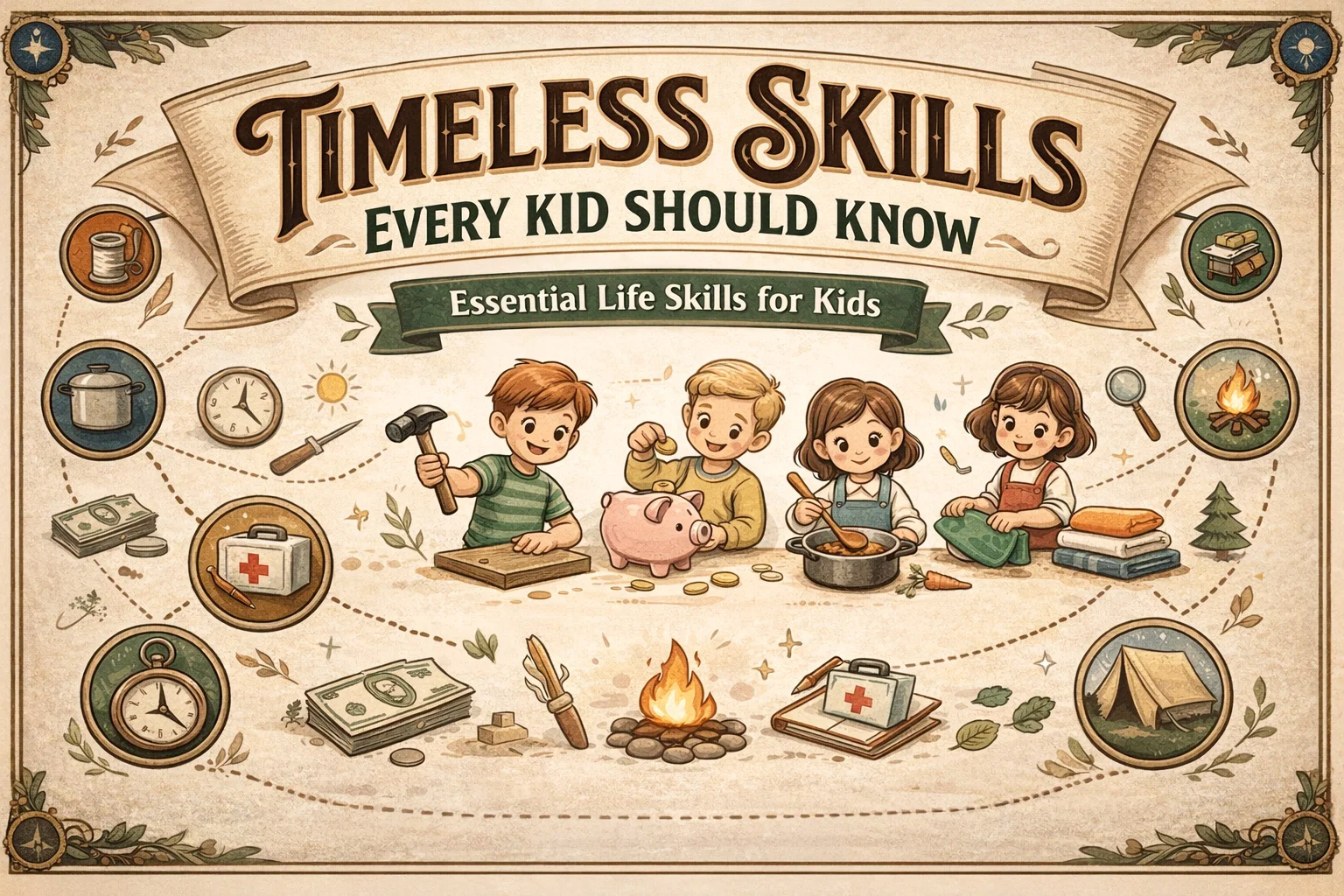
Modern parenting often feels like a race to keep up with the latest educational apps or digital trends, but there is an undeniable shift happening toward the classics. Many parents are looking back at the fundamental skills that defined previous generations, recognizing that being tech-savvy is only one piece of the puzzle. The image of the “Timeless Skills Every Kid Should Know” serves as a beautiful roadmap for raising well-rounded, capable, and independent individuals. It reminds us that character is built through the small, daily acts of responsibility, from sewing a button to understanding how interest works. By focusing on these core competencies, we are not just teaching kids how to perform tasks; we are giving them the confidence to navigate the world with resilience and practical wisdom.
The Foundations of Life and Home Management
The home is the first classroom where a child learns the value of order and self-reliance. Simple tasks like handwashing a basic scrub or fixing a small tear in a favorite shirt might seem minor, but they instill a sense of stewardship over one’s belongings. When a child learns to sew a button, they are learning that things can be repaired rather than immediately replaced, a vital lesson in sustainability and patience.
The Art of a Tidy Space
Keeping a room tidy is more than just a chore; it is a sequence of habits: declutter, wipe, and sweep. Breaking down organization into these three steps makes the process manageable for a child. A clean environment fosters a clear mind, and teaching kids to fold clothes properly ensures they take pride in their presentation. These habits transition into adulthood as organizational skills that help manage complex schedules and professional environments.
Reading the Analog Clock
In an age of digital displays, the analog clock remains a crucial tool for understanding the passage of time. Seeing the “pie slices” of an hour helps children visualize how much time has passed and how much remains. This spatial understanding of time is foundational for effective time management and punctuality later in life.
Kitchen Competency and Nutritional Independence
The kitchen is often the heart of the home, and it is the perfect place to teach safety, chemistry, and health. Basic kitchen skills empower children to nourish themselves and others, moving them away from a total reliance on processed or pre-packaged foods.
Safety First: Boiling and Chopping
Learning to boil water safely and chop vegetables with proper technique are the two most important safety milestones in the kitchen. Once a child respects the heat of the stove and the sharpness of a blade, the world of culinary creativity opens up. Measuring ingredients introduces practical math and fractions in a way that feels rewarding because the result is a delicious meal.
From Produce to Plate
Understanding how to wash and store produce properly is a skill that saves money and prevents waste. When kids know how to prepare simple meals, such as basic rice or boiled eggs, they develop a sense of autonomy. They are no longer just consumers of food; they are creators who understand the effort and care that goes into every dish.
Developing Financial Literacy from a Young Age
Money management is a skill often overlooked in traditional schooling, yet it is one of the most impactful areas of a person’s life. Starting with the basics, like understanding coins and notes, helps younger children grasp the tangible value of currency.
The Power of Budgeting and Saving
Creating a simple budget and tracking a weekly allowance teaches children the difference between “wants” and “needs.” By encouraging them to save before they spend, parents help kids develop delayed gratification. This discipline is the cornerstone of financial health and prevents the impulsive spending habits that can lead to debt in adulthood.
Demystifying Interest and Growth
Explaining how interest works in a simple way can be a game-changer. Whether it is interest earned on a savings account or the cost of borrowing, understanding this concept early helps kids make informed decisions about their future finances. It turns money from a mysterious force into a tool they can control.
Practical Handy Skills for the Modern World
There is a unique kind of confidence that comes from knowing how to fix things. Practical handy skills encourage a “can-do” attitude and reduce the anxiety that often comes when something in the house stops working.
The Utility of Basic Tools
Every child should know how to use a hammer and a screwdriver safely. Changing batteries in household items or understanding how to read a basic map are skills that build spatial awareness and logical thinking. These tasks require a child to analyze a problem and apply a physical solution, which is incredibly satisfying for a developing mind.
Gardening and Tying Knots
Tying strong knots, such as the square knot, is a versatile skill applicable in everything from gift wrapping to camping. Similarly, starting a small garden plant teaches patience and biology. Watching a seed turn into a plant under their care helps children connect with nature and understand the cycles of growth and responsibility.
Social Graces and Personal Responsibility
Technical skills are important, but social and emotional intelligence are what truly define a person’s character. In a world that is increasingly digital, face-to-face social skills are becoming even more valuable.
The Power of Polite Conversation
Greeting others politely and knowing how to make conversation are the building blocks of networking and friendship. When kids learn to share, take turns, and apologize correctly, they are developing empathy. These behaviors make them more pleasant to be around and help them navigate complex social dynamics with ease.
The Lost Art of the Thank-You Note
Writing a physical thank-you note is a powerful way to express gratitude. It teaches children to acknowledge the efforts of others and reinforces the importance of kindness. Being responsible for chores without being asked is the ultimate sign of maturity, showing that the child views themselves as a contributing member of a community rather than just a recipient of services.
Survival, Safety, and the Great Outdoors
Safety skills provide peace of mind for both parents and children. When a child knows what to do in an emergency, they are less likely to panic and more likely to take effective action.
Emergency Preparedness
Memorizing emergency numbers and parents’ contact information is a non-negotiable safety step. Beyond that, teaching kids to recognize unsafe situations and understand basic road safety protects them in their daily lives. The “stay put” rule if lost is a simple but effective strategy that has saved countless children from dangerous situations.
Connecting with Nature
Outdoor skills like building a simple fire or setting up a tent foster a deep connection with the natural world. Identifying simple plants and observing weather signs are forms of environmental literacy. These activities encourage physical fitness and a sense of adventure, reminding kids that there is a vast world beyond the glowing screens of their devices.
Traditional Creative Skills and Storytelling
Creativity is the engine of innovation, and traditional creative outlets allow children to express themselves without the constraints of digital algorithms.
Handwriting and the Beauty of Cursive
Handwriting and cursive are not just about communication; they are about fine motor skills and personal expression. Drawing basic shapes and objects helps with hand-eye coordination and visual thinking. Simple crafts, like making paper toys, encourage kids to use their imagination to transform everyday materials into something magical.
Storytelling Without Screens
Storytelling is one of the oldest human traditions. When kids learn to tell stories without the aid of a screen, they are developing their verbal communication and creative thinking. This skill helps them articulate their thoughts clearly and engage others through the power of narrative and emotion.
Conclusion: Building Capability for a Lifetime
The journey of teaching these timeless skills is not about achieving perfection overnight. It is about the gradual process of building character and capability, one lesson at a time. When we take the time to show a child how to read a map, bake a loaf of bread, or save their first dollar, we are investing in their future success and happiness. These skills provide a sturdy foundation that allows them to grow into resilient, thoughtful, and independent adults.
By integrating these life and home skills into our daily routines, we create lasting memories and bridge the gap between “yesteryear” and the modern world. Let us celebrate these practical arts and pass them on with enthusiasm, knowing that the most important lessons are often the ones learned at the kitchen table or in the backyard garden. Start small, stay consistent, and watch as your children flourish with the confidence that comes from true competence.