
20 Holistic Habits to Improve Your Brain Health and Mental Clarity Brain Wellness Tips
Taking care of our physical bodies often takes center stage in the world of health and fitness. We track our steps, count our macros, and monitor our heart rates. However, there is a command center sitting right above our shoulders that deserves just as much attention, if not more. Your brain is the most complex organ in your body, acting as the CEO of your entire existence. It processes every thought, stores every memory, and regulates every heartbeat. When your brain is functioning at its peak, your life feels more vibrant, your productivity soars, and your emotional resilience becomes unshakeable. This guide explores a holistic approach to brain health, moving beyond basic medical advice to look at how lifestyle, nutrition, and mindset create a truly thriving mind.
The Foundation of a High Performing Mind
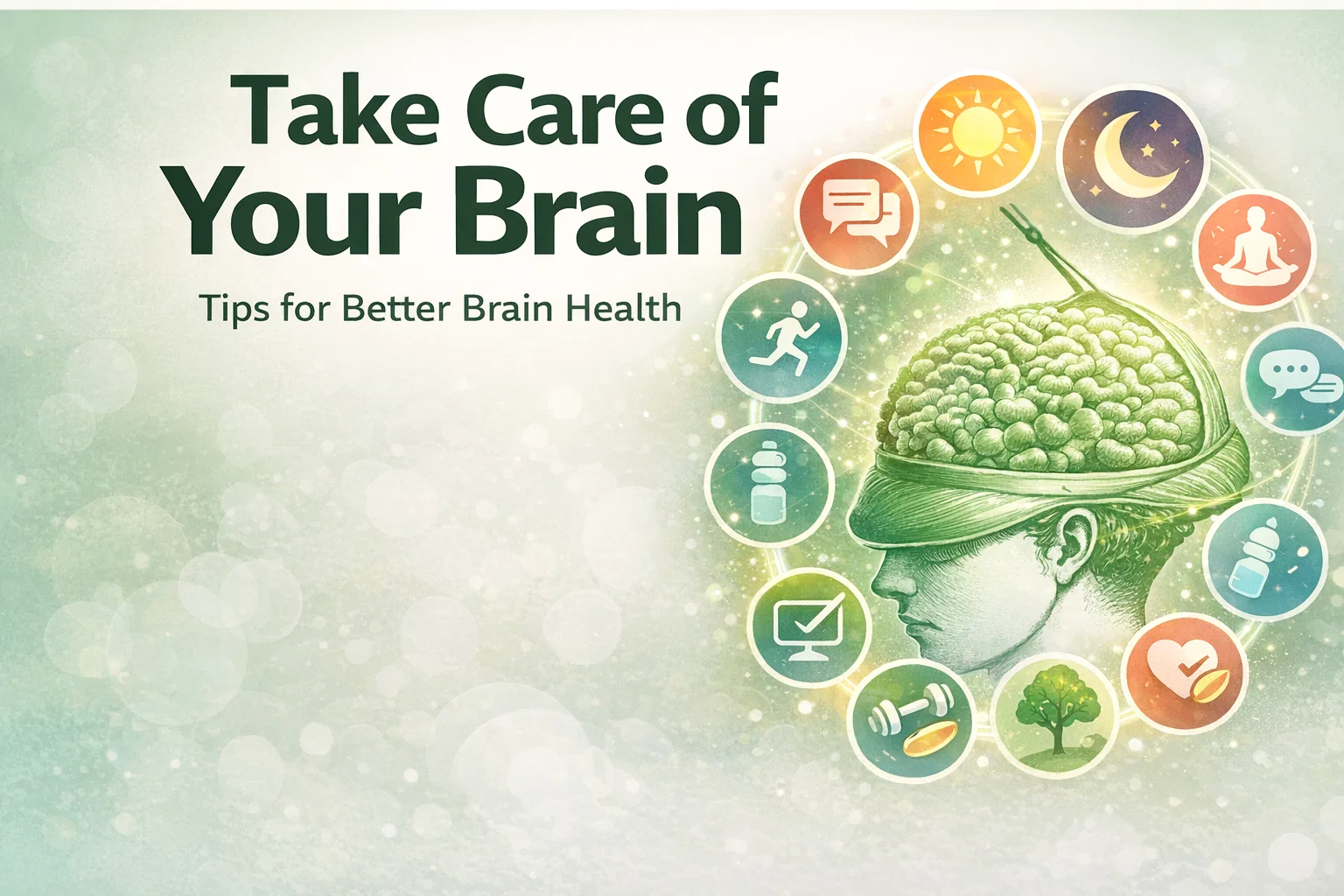
The image of a brain being carefully nurtured like a garden is a powerful metaphor for how we should approach cognitive longevity. We often think of brain health as something that naturally declines with age, but modern neuroscience tells a different story. Neuroplasticity, the brains ability to reorganize itself by forming new neural connections throughout life, means that your daily habits actually reshape your physical brain structure. Whether you are looking to improve your focus at work, ward off cognitive decline, or simply feel happier, the journey starts with intentionality.
The Power of Movement and Physical Training
One of the most immediate ways to impact brain health is through physical movement. While we often associate lifting weights or running with building muscle and cardiovascular health, the real winner is the brain. When you engage in aerobic training, your body increases the production of a protein called Brain Derived Neurotrophic Factor (BDNF). This protein acts like fertilizer for your brain cells, helping them grow, survive, and form new connections. Aerobic exercise also increases blood flow to the hippocampus, the part of the brain responsible for verbal memory and learning.
Resistance and weight training are equally vital. Pushing your muscles to their limit requires intense neurological coordination. This mind muscle connection strengthens the pathways between your motor cortex and your musculoskeletal system. Studies have shown that regular strength training can improve executive function and memory in adults of all ages. By moving your body, you are essentially telling your brain that it needs to stay sharp, alert, and capable.
Nutritional Essentials for Cognitive Clarity
Your brain is a hungry organ. Despite making up only about two percent of your body weight, it consumes roughly twenty percent of your daily energy intake. What you feed it matters immensely. To keep the gears turning smoothly, you need to provide the right raw materials.
Omega 3 Fatty Acids and Vitamin D
If there is one supplement or nutrient category that reigns supreme for the brain, it is Omega 3 fatty acids. These healthy fats are essential components of the membranes of your brain cells. They reduce inflammation and are crucial for maintaining the structural integrity of neurons. Since our bodies cannot produce these fats efficiently on their own, incorporating sources like fatty fish, walnuts, or high quality supplements is a non negotiable for brain health.
Similarly, Vitamin D plays a massive role that is often overlooked. We often call it the sunshine vitamin, and for good reason. Vitamin D receptors are found throughout the brain, including areas involved in complex planning, processing memories, and forming new information. A deficiency in Vitamin D has been linked to lower cognitive performance and an increased risk of mood disorders. Getting safe sun exposure and checking your levels can be a game changer for your mental clarity.
The Vital Role of Hydration
It sounds simple, but hydration is perhaps the most underrated brain hack available. Your brain is composed of about seventy five percent water. Even mild dehydration can lead to brain fog, fatigue, and a decrease in cognitive processing speed. When you are dehydrated, your brain actually has to work harder to perform the same tasks. Keeping a water bottle nearby and sipping throughout the day ensures that your neurotransmitters can travel effectively and that metabolic waste is cleared from your system efficiently.
Mastering the Internal Environment
While physical inputs like food and exercise are critical, the way we manage our internal world determines our overall mental peace. The brain is constantly eavesdropping on our thoughts and reacting to the signals we send it through our behavior and environment.
Positive Self Talk and Gratitude
The way you speak to yourself matters. Positive self talk is not just about being optimistic; it is about choosing a narrative that reduces cortisol levels and encourages a growth mindset. When you constantly criticize yourself, you activate the brains threat response system, which can impair your ability to think creatively or solve problems. By consciously practicing gratitude, you train your brain to look for the good. This shifts your neural pathways away from a negativity bias and toward a state of physiological safety where your brain can perform its best work.
Meditation and Self Hypnosis
We live in an age of constant distraction, making the ability to focus a superpower. Meditation and self hypnosis are tools designed to help you regain control over your attention. Regular meditation has been shown to increase the thickness of the prefrontal cortex, the area of the brain responsible for high level decision making and emotional regulation. Self hypnosis goes a step further by helping you rewrite subconscious patterns and beliefs. Both practices lower stress and allow the brain to enter into alpha and theta wave states, which are associated with deep relaxation and creative insight.
Lifestyle Habits for Long Term Resilience
To truly take care of your brain, you must look at the rhythm of your daily life. It is the small, repeated actions that build the foundation of cognitive health over decades.
- Quality Sleep: Sleep is when your brain performs its most essential maintenance. During deep sleep, the glymphatic system flushes out toxins that accumulate during the day. Without it, your brain is essentially trying to work in a cluttered, dirty office.
- Limiting Screen Time: Excessive digital consumption can lead to overstimulation and shortened attention spans. By setting boundaries with your devices, you give your brain the space it needs to rest and process information deeply.
- Nature Exposure: Spending time in green spaces has a calming effect on the nervous system. The sights, sounds, and smells of nature help lower heart rate and blood pressure, reducing the cognitive load caused by urban environments.
- Hobbies and Lifelong Learning: Engaging in a hobby or learning a new skill creates new neural pathways. Whether it is painting, playing an instrument, or gardening, these activities keep your brain flexible and resilient.
The Importance of Social Connections
Humans are inherently social creatures. Quality social connections are a primary driver of brain health. Engaging in meaningful conversations and maintaining strong relationships stimulates the brain and provides emotional support that buffers against stress. Isolation, on the other hand, can lead to cognitive decline and increased inflammation. Making time for friends, family, and community is not just good for your heart; it is essential for your mind.
Stress Management and the Art of Breathwork
Chronic stress is perhaps the greatest enemy of the modern brain. When we are stuck in a state of fight or flight, the brain prioritizes survival over high level thinking. This is why it is so hard to focus when you are anxious. Stress management techniques like breathwork offer an immediate manual override for the nervous system.
By slowing down your breath and focusing on deep, rhythmic exhales, you send a signal to your brain that you are safe. This activates the parasympathetic nervous system, allowing your heart rate to slow and your logical brain to come back online. Incorporating short bursts of breathwork throughout your day can prevent stress from snowballing into burnout.
Delayed Gratification and Discipline
In a world of instant downloads and one click shopping, the art of delayed gratification is becoming rare. However, exercising your ability to wait for a reward strengthens the brains executive function. This practice builds the metaphorical muscles of the prefrontal cortex, helping you resist impulsive behaviors and stay focused on long term goals. Whether it is sticking to a workout routine or finishing a difficult project, every time you choose long term gain over short term comfort, you are leveling up your brain.
Conclusion: Your Brain, Your Future
Taking care of your brain is a lifelong journey rather than a one time task. As we have explored, a healthy mind is the result of a multifaceted approach that includes physical movement, targeted nutrition, mental discipline, and a supportive environment. From the Omega 3s in your diet to the positive words you speak to yourself in the mirror, every choice you make is an investment in your future cognitive health.
By implementing even a few of these habits today, you are setting the stage for a sharper, more resilient, and more fulfilled version of yourself. Start small, stay consistent, and remember that your brain has an incredible capacity to heal, grow, and adapt. Your mind is your most valuable asset. Treat it with the respect, care, and curiosity it deserves, and it will serve you well for a lifetime.