Hair Curl Types Guide 1A4C Ultimate Hair Texture Pattern Chart
Understanding your hair is the first step toward a lifetime of good hair days. For years, many of us struggled with frizz, lack of definition, or styling products that simply did not work, only to realize later that we were treating our hair the wrong way. The secret lies in the curl pattern. Whether your strands are pin straight, gently wavy, or tightly coiled, each texture requires a bespoke approach to moisture, styling, and maintenance. This guide breaks down the universal hair typing system from 1A to 4C to help you unlock the full potential of your natural mane.
What is the Hair Typing System?
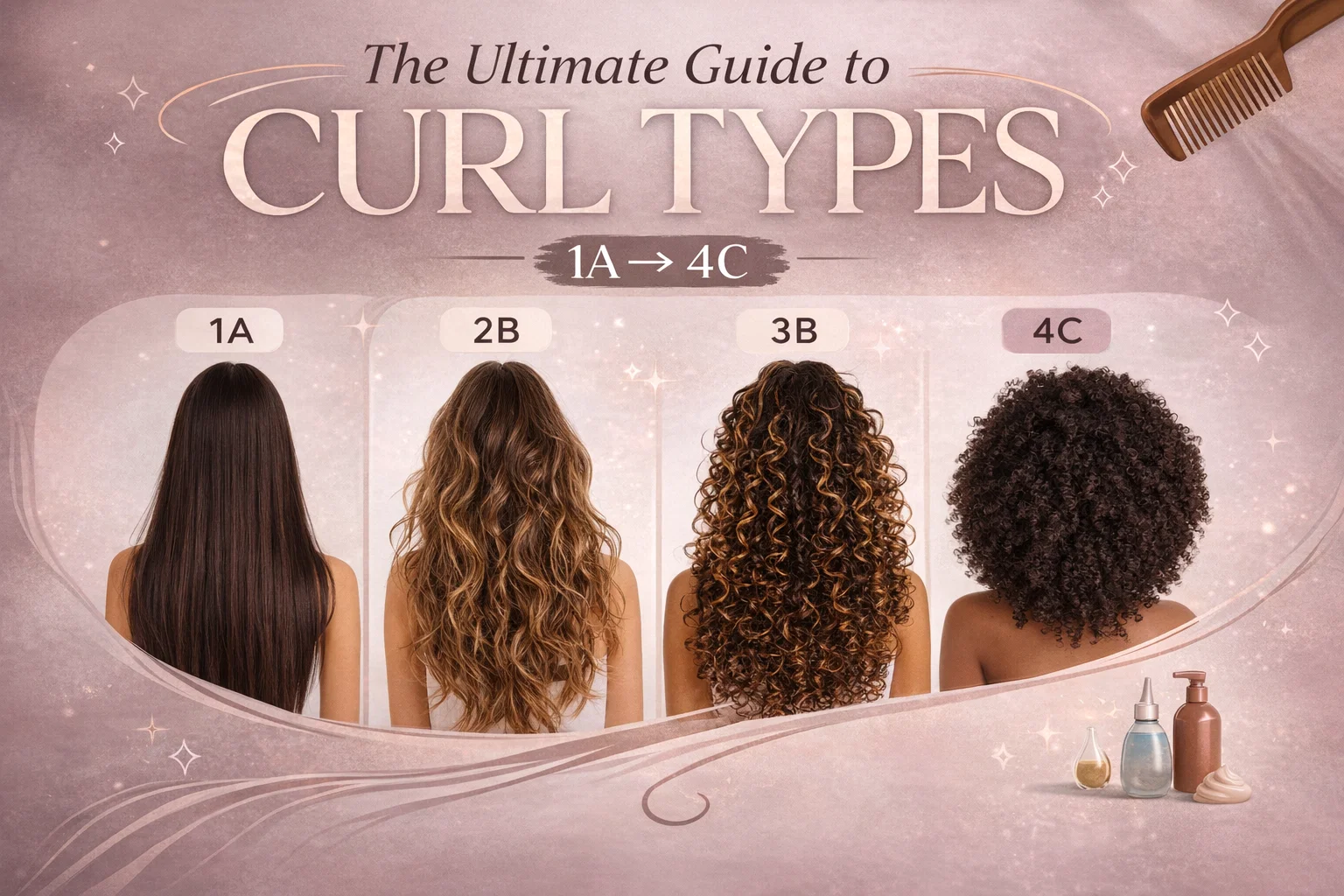
The hair typing system was originally created to help people identify their natural curl pattern based on the shape of the hair fiber. It categorizes hair into four main groups: Type 1 (Straight), Type 2 (Wavy), Type 3 (Curly), and Type 4 (Coily or Kinky). Each group is further divided into subcategories (A, B, and C) based on the diameter of the curl or the tightness of the wave. By identifying where you fall on this chart, you can stop the guesswork and start using products that actually serve your hair hair texture.
Shutterstock
Type 1: The Beauty of Straight Hair
Type 1 hair is characterized by a complete lack of curl pattern. It is naturally shiny because the oils from the scalp can easily travel down the hair shaft without any loops or bends to slow them down. While it is often resilient, it can be prone to oiliness and a lack of volume.
1A, 1B, and 1C Textures
Type 1A is the rarest of the straight types. It is ultra-fine, pin-straight, and generally refuses to hold a curl. Type 1B has a bit more body and a slight bend toward the ends, making it easier to style. Type 1C is usually thicker and coarser, often having a very slight wave that borders on Type 2, though it remains predominantly straight.
Care Tips for Type 1
Because Type 1 hair gets oily quickly, the focus should be on lightweight products. Avoid heavy butters or thick oils that will weigh the hair down and make it look greasy. Volumizing shampoos and dry shampoos are often the best friends of someone with Type 1 hair.
Type 2: Effortless Waves
Type 2 hair sits in that beautiful middle ground between straight and curly. It is defined by an S-shaped pattern that usually starts a few inches away from the scalp. This hair type can range from fine and easy to style to thick and prone to frizz.
2A, 2B, and 2C Textures
Type 2A consists of loose, tousled waves that lack significant volume. Type 2B features more defined S-shaped waves that are usually flatter at the crown but curl more toward the middle. Type 2C is the thickest of the wavy types, with deep, frequent waves that often struggle with frizz in humid conditions.
Managing Wavy Hair
The goal for Type 2 hair is hydration and frizz control. Since waves can easily be weighed down, use mousses or light gels to enhance the pattern. Scrunching your hair while it is wet can help encourage the waves to form more distinctly.
Type 3: The Classic Curly Look
Type 3 hair is what most people think of when they hear the word curly. It features clear, spiraling loops that range from loose ringlets to tight corkscrews. This hair type is often quite springy; if you pull a curl and let it go, it should bounce right back into shape.
3A, 3B, and 3C Textures
Type 3A hair has large, loopy curls that are about the width of a piece of sidewalk chalk. Type 3B curls are more springy and have the circumference of a Sharpie marker. Type 3C, often called curly-coily, consists of tight corkscrews that are densely packed together, providing a lot of natural volume.
The Secret to Bouncy Curls
Type 3 hair requires a balance of moisture and curl cream. Because the curl pattern prevents scalp oils from reaching the ends, this hair type is naturally drier than Type 1 or 2. Using a leave-in conditioner followed by a defining curl cream will help keep the curls hydrated and prevent them from turning into a cloud of frizz.
Type 4: Strong and Coily
Type 4 hair is the most delicate of all hair types. It is characterized by very tight, small coils or Z-shaped zig-zag patterns. While it may appear robust because of its volume, it actually has fewer cuticle layers than other types, making it highly susceptible to breakage and dryness.
4A, 4B, and 4C Textures
Type 4A hair has soft, visible coils that are about the size of a crochet needle. Type 4B features a zig-zag pattern rather than a round coil, which can make the hair look much shorter than it actually is due to shrinkage. Type 4C is the tightest pattern of all, consisting of very dense, Z-shaped coils that may not have a clearly defined pattern without the help of styling products.
Deep Conditioning and Essential Oils
For Type 4 hair, moisture is everything. Deep conditioning once a week is non-negotiable. You should also incorporate the LOC (Liquid, Oil, Cream) or LCO method to seal in moisture. Heavy oils and rich butters like shea butter or cocoa butter are excellent for providing the protection this delicate texture needs.
Porosity: The Missing Piece of the Puzzle
While knowing your curl type is essential, knowing your hair porosity is equally important. Porosity refers to your hair’s ability to absorb and retain moisture. You might have Type 3B hair that is high porosity (absorbs moisture fast but loses it quickly) or low porosity (resists moisture). Combining your curl type knowledge with your porosity level will allow you to choose the exact ingredients your hair craves.
Common Mistakes in Hair Care
One of the biggest mistakes people make is over-washing. Curly and coily hair types rarely need daily shampooing, as this strips away the essential oils needed for hair health. Another mistake is brushing hair while it is dry. For anyone from Type 2 to Type 4, brushing dry hair is a recipe for frizz and breakage. Instead, detangle with a wide-tooth comb or your fingers while the hair is saturated with conditioner in the shower.
The Importance of the Right Tools
Using the right tools can make or break your routine. A microfiber towel or an old cotton T-shirt is much gentler on the hair cuticle than a standard terry cloth towel. Additionally, sleeping on a silk or satin pillowcase reduces friction, helping your curls stay defined and frizz-free overnight.
Must-Have Tools for Curls
- Wide-tooth comb for detangling.
- Diffuser attachment for your hair dryer to dry curls evenly.
- Silk or satin bonnet for nighttime protection.
- Spray bottle for refreshing curls on day two or three.
Embracing Your Natural Texture
Transitioning to a natural hair routine can take time, especially if your hair has been damaged by heat or chemical treatments. Be patient with your strands. As you begin to use the right products for your specific type, you will notice your pattern becoming more defined and your hair becoming significantly healthier.
Conclusion: Your Journey to Healthy Hair
Identifying your curl type from 1A to 4C is more than just a label; it is a roadmap to healthier, more manageable hair. By understanding the unique needs of your specific pattern, you can move away from generic products and embrace a routine that highlights your natural beauty. Whether you are rocking loose waves or tight coils, the right combination of moisture, protection, and patience will give you the hair you have always dreamed of. Start experimenting with these tips today and watch your curls come to life.
Would you like me to help you create a specific weekly hair care routine based on one of these curl types?