Cold Water vs Hot Water for Hair Benefits for Shine, Frizz and Growth SEO Guide
Most of us step into the shower and reach for the temperature handle without a second thought. It is a ritual of comfort, especially after a long day when a steaming hot shower feels like the ultimate luxury. But have you ever stopped to consider what that heat is doing to your hair? The truth is that the temperature of the water you use plays a massive role in the health, shine, and strength of your tresses. While hot water is fantastic for relaxation, it might be the silent culprit behind your frizz and breakage. On the flip side, cold water is often hailed as the secret weapon for a glass-like finish. Finding the right balance is not just about comfort; it is about science. Let us dive deep into the cold water versus hot water debate to see which one truly reigns supreme for your hair care routine.
The Science of the Hair Cuticle and Water Temperature
To understand why water temperature matters, we first need to look at the anatomy of a hair strand. Each hair is covered in a protective outer layer called the cuticle, which looks a bit like shingles on a roof. These microscopic scales react to the environment, particularly to heat and moisture. When you apply hot water to your hair, it causes these cuticles to lift and open up. This is essential during the cleaning phase because it allows shampoo to penetrate and remove dirt, oils, and product buildup. However, leaving those cuticles open for too long can lead to trouble.
Cold water works in the opposite way. Low temperatures cause the cuticle to contract and lay flat against the hair shaft. This smoothing action is what creates that coveted shine. When the cuticle is flat, light reflects off the surface of the hair more evenly. Beyond just looks, a sealed cuticle helps to trap moisture and nutrients inside the hair fiber, preventing them from escaping into the air. This fundamental difference in how the hair structure reacts to temperature is the foundation of every professional hair wash technique.
The Benefits of Using Cold Water for Your Hair
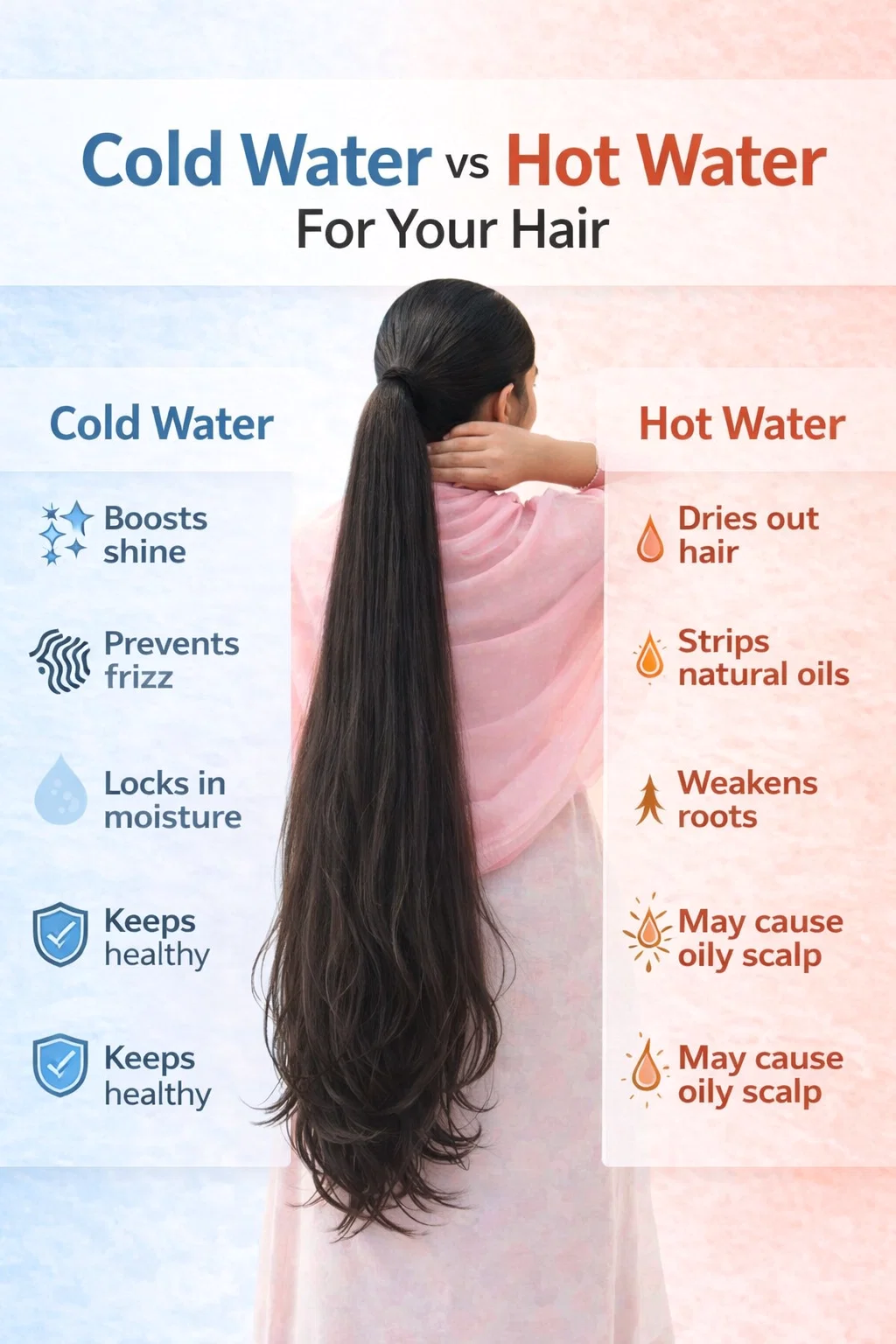
If you have ever wondered how some people achieve that incredible luster without using a dozen styling products, the answer might be in their rinse temperature. Cold water is a powerhouse for hair health for several reasons. First and foremost, it adds incredible shine and luster. By sealing the hair cuticle, it creates a smooth surface that catches the light beautifully. This is particularly beneficial for those with color-treated hair, as a sealed cuticle helps to lock in pigment, preventing your expensive salon color from washing down the drain too quickly.
Another major advantage of a cold rinse is its ability to prevent frizz. Frizz happens when the hair cuticle remains open, allowing moisture from the air to enter the hair shaft and cause it to swell. By finishing your wash with cold water, you essentially lock the door, keeping the hair smooth and manageable even in humid conditions. Furthermore, cold water is much gentler on the scalp. It helps to keep the skin hydrated and can even improve blood circulation to the hair follicles, which is vital for maintaining healthy roots and encouraging growth.
Quick Advantages of Cold Water Rinses
- Seals in Moisture: Prevents your hair from becoming porous and dry.
- Enhances Natural Shine: Flattens the cuticle for maximum light reflection.
- Controls Frizz: Keeps the hair shaft smooth and less reactive to humidity.
- Soothes the Scalp: Reduces irritation and helps maintain a healthy pH balance.
The Hidden Dangers of Excessively Hot Water
We all love the feeling of a hot shower, but your hair might be screaming for mercy. High temperatures act as a powerful solvent, which sounds good for cleaning but can be devastating for hair health. Hot water strips away the natural oils, known as sebum, produced by your scalp. These oils are necessary for keeping your hair lubricated and protected. When they are gone, your hair becomes vulnerable to the elements, leading to a dry, straw-like texture that is prone to snapping.
The damage does stop at the strands; it affects the roots as well. Very hot water can weaken the hair at the base, potentially leading to increased shedding. It can also irritate the scalp, causing redness or even dandruff-like flaking. Perhaps the most frustrating side effect of hot water is the oily hair paradox. When you strip away all the natural oils, your scalp often panics and goes into over-production mode to compensate for the dryness. This results in hair that feels greasy at the roots just a day after washing, despite feeling dry and brittle at the ends. It is a cycle that is hard to break unless you turn down the heat.
Why Hot Water Is Sometimes Necessary
Despite its potential for damage, hot water (or at least warm water) does have its place in a proper hair care regimen. You should not completely abandon warmth because it serves a functional purpose during the cleaning process. Warm water is excellent for breaking down heavy oils, waxes, and styling products that cold water simply cannot budge. If you use a lot of dry shampoo, hairspray, or heavy pomades, you need that warmth to ensure your scalp is truly clean.
The trick is to use warm water, not scalding water. Warmth opens the pores on your scalp and the cuticles on your hair, allowing your shampoo to do its job effectively. It also makes it easier to distribute conditioner through your strands. Think of it as a two-step process: use warmth to clean and treat, and use cold to seal and protect. Using exclusively cold water might lead to a buildup of residue over time, which can weigh the hair down and make it look dull and lifeless.
The Golden Mean: Finding the Perfect Temperature
So, if hot water is too harsh and cold water can be a bit of a shock to the system, what is the best approach? Most hair care experts recommend the lukewarm method. Lukewarm water provides enough heat to effectively cleanse the scalp without the aggressive stripping of natural oils associated with high temperatures. It is the safest middle ground for the majority of hair types, from fine and straight to thick and curly.
A popular and highly effective routine involves starting your wash with lukewarm water to shampoo and condition. This ensures that the hair is clean and that the conditioning agents can actually penetrate the hair shaft. Once you have finished conditioning, switch the tap to a cool or cold setting for one final rinse. This last blast of cold water acts like a top coat for your hair, sealing in all the goodness of your products and giving you that extra boost of shine before you step out of the shower.
The Ideal Wash Day Temperature Routine
- Step 1: Wet hair with lukewarm water to open cuticles.
- Step 2: Apply shampoo and massage the scalp gently.
- Step 3: Rinse with lukewarm water and apply conditioner to the mid-lengths and ends.
- Step 4: The Final Rinse. Switch to cool water to seal everything in.
Common Myths About Water Temperature and Hair
There are many old wives’ tales floating around the beauty world regarding water temperature. One common myth is that cold water can actually make your hair grow faster. While a healthy scalp environment is essential for growth, cold water alone does not magically speed up the biological process of hair production. However, because it prevents breakage and keeps the roots strong, it helps you retain the length you have, which makes your hair appear to grow faster over time.
Another myth is that you must use freezing cold water to see any benefits. In reality, you do not need to suffer through an ice-cold shower. Even a “cool” rinse is enough to encourage the cuticles to close. As long as the water is significantly cooler than the warm water used for washing, you will reap the rewards. It is all about the contrast in temperature rather than achieving a specific degree of coldness.
Conclusion: The Verdict on the Water Debate
When it comes to the battle of the temperatures, the winner is clear: balance is the key to beautiful hair. While hot water feels like a hug for your soul, it is far too aggressive for your delicate strands. It leaves your hair thirsty, frizzy, and prone to damage. On the other hand, cold water is the ultimate finishing tool, providing the shine and protection your hair needs to look its best throughout the day.
By adjusting your routine to include a lukewarm wash followed by a refreshing cold rinse, you can enjoy the best of both worlds. You will get a clean, healthy scalp without sacrificing the integrity of your hair fiber. It is a small change that costs nothing but can make a world of difference in your confidence and your hair health. Next time you are in the shower, remember that a little bit of cold can lead to a lot of beautiful hair. Your tresses will certainly thank you for it!