20 Glow Up Tips for Girls Beauty, Confidence, Self-Care Healthy Habits Guide
A glow up is about much more than appearance. It is a personal journey that combines healthy habits, self-care, confidence, mindset, and daily routines that help you become the best version of yourself. While social media often focuses on dramatic transformations, real and lasting glow ups come from small actions practiced consistently over time.
Whether you want healthier skin, better energy, improved confidence, stronger self-discipline, or a more positive outlook on life, building simple daily habits can create meaningful results. The good news is that you do not need expensive products or complicated routines to start. Small changes often make the biggest difference.
Key Takeaways
- Healthy habits create long-term glow up results.
- Consistency matters more than perfection.
- Beauty and confidence grow together.
- Quality sleep and hydration support overall wellness.
- Self-care includes physical, mental, and emotional health.
- Small daily improvements add up over time.
What Does a Glow Up Really Mean?
The term “glow up” has become incredibly popular, but its meaning goes beyond skincare and fashion. A true glow up involves improving your lifestyle, mindset, health, confidence, and personal habits.
Instead of focusing only on external changes, think of a glow up as personal development. When you feel healthier, more organized, and more confident, it naturally shows in your appearance and how you interact with others.
Important: The most successful glow ups happen when you focus on becoming healthier and happier rather than chasing perfection. Sustainable habits always outperform quick fixes.
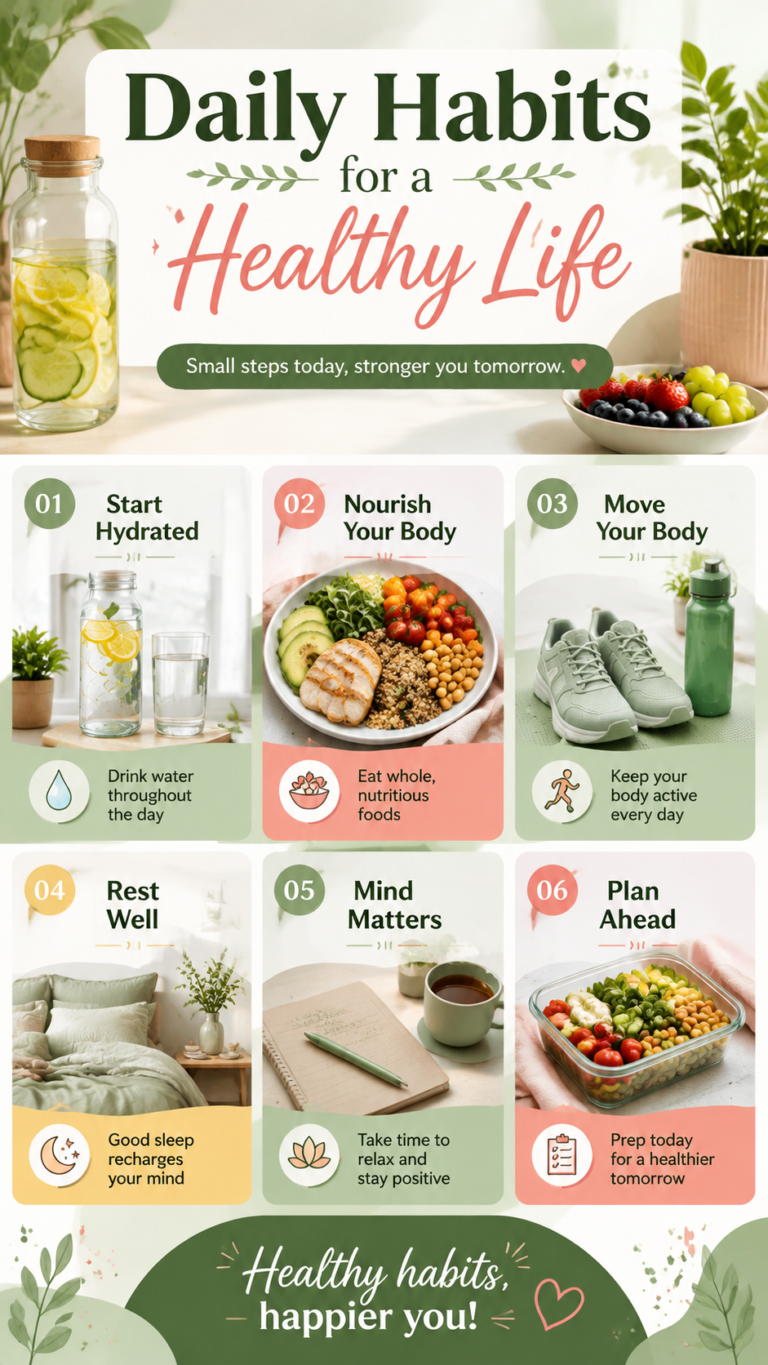
The Foundation of Every Glow Up: Healthy Daily Habits
Many people search for dramatic transformation secrets, but the reality is much simpler. Your daily habits determine your results.
Stay Hydrated
Drinking enough water supports healthy skin, digestion, concentration, and energy levels. Proper hydration can help your skin appear fresher and more radiant while supporting overall wellness.
Keep a reusable water bottle nearby throughout the day and make hydration part of your routine.
Create a Consistent Skincare Routine
A simple skincare routine often works better than a complicated one. Focus on cleansing, moisturizing, and protecting your skin from sun exposure.
Consistency is the key. Healthy skincare habits can improve your skin’s appearance over time and help you feel more confident.
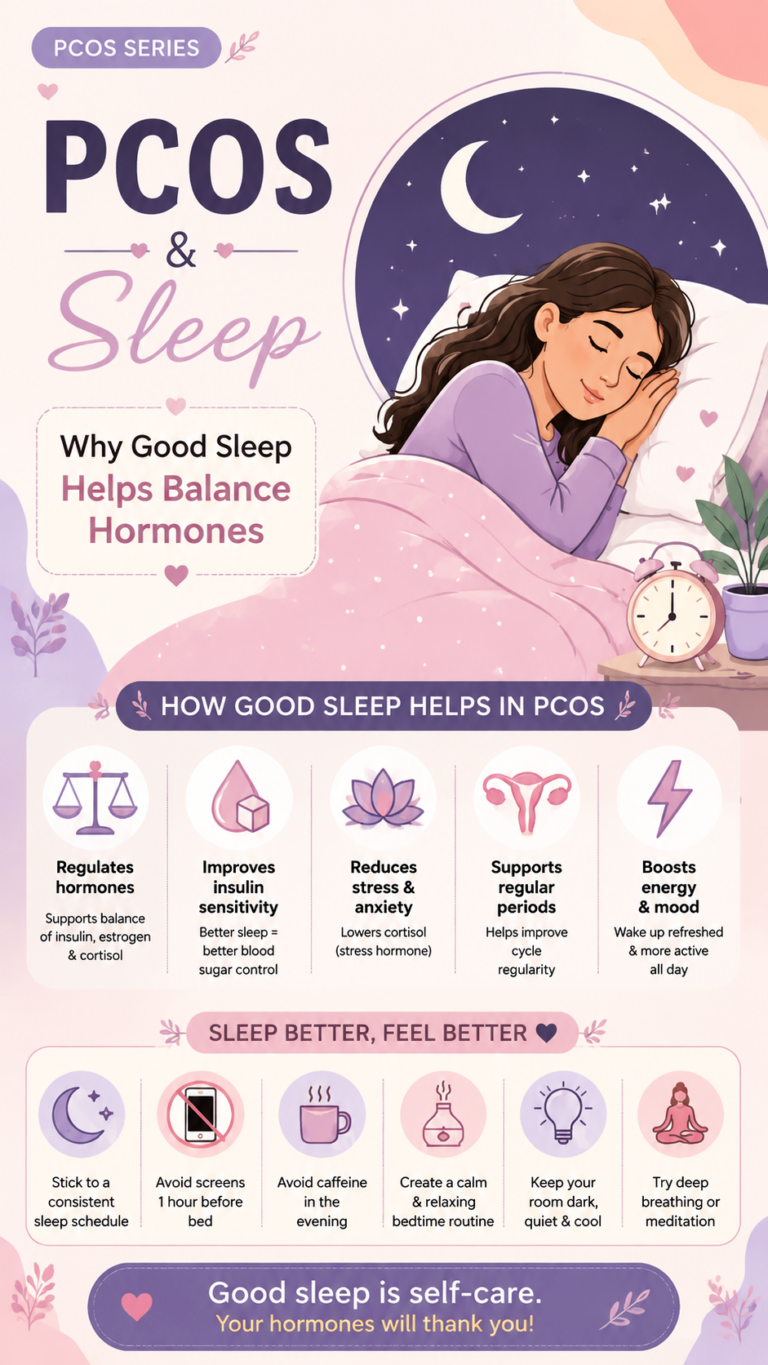
Prioritize Sleep
Sleep is one of the most overlooked beauty and wellness tools available. During sleep, your body repairs itself and supports healthy skin, mood regulation, and energy production.
Aim for a regular sleep schedule whenever possible. Even small improvements in sleep quality can have a noticeable impact on your daily life.
Personal Care Habits That Make a Difference
Self-care does not need to be expensive or time-consuming. Small personal care habits can contribute significantly to your overall glow up journey.
Keep Nails Clean and Well Maintained
Neat, clean nails can help you look polished and put together. You do not need professional manicures regularly. Simple maintenance and cleanliness often make the biggest difference.
Moisturize Daily
Healthy skin benefits from consistent hydration. Applying moisturizer regularly can help maintain smoothness and support your skin barrier.
Use Sunscreen
Daily sun protection is one of the most effective skincare habits. It helps protect the skin from premature aging and environmental damage.
Why This Matters
- Healthy habits create lasting results.
- Prevention is often easier than correction.
- Simple routines are easier to maintain consistently.
Fitness and Movement for a Natural Glow
Exercise is one of the most powerful tools for improving both physical and mental well-being. It supports cardiovascular health, boosts mood, and can increase overall confidence.
You do not need an intense workout program to see benefits. Walking, stretching, dancing, cycling, and bodyweight exercises can all contribute to a healthier lifestyle.
Pro Tip: Choose activities you genuinely enjoy. Consistency becomes much easier when exercise feels rewarding rather than stressful.
Focus on Energy Rather Than Perfection
Many people begin exercising solely for appearance-related goals. While physical changes can happen over time, increased energy, better mood, and improved health are often the first noticeable benefits.
When you feel stronger and healthier, confidence tends to grow naturally.
Nutrition Habits That Support Your Glow Up
What you eat can influence your energy levels, mood, and overall wellness. A balanced diet provides the nutrients your body needs to function effectively.
Eat More Fruits and Vegetables
Colorful fruits and vegetables contain vitamins, minerals, and antioxidants that support overall health.
Try adding a variety of produce to your meals throughout the week. Small improvements can make a meaningful difference over time.
Practice Balanced Eating
A glow up does not require restrictive diets. Focus on creating sustainable eating habits that support your long-term goals.
Balance, moderation, and consistency are often more effective than extreme approaches.
Confidence: The Most Powerful Glow Up Factor
Confidence often becomes the defining characteristic of a successful glow up. While external improvements can be helpful, confidence influences how you carry yourself, communicate, and approach opportunities.
Improve Your Posture
Good posture can instantly change how you look and feel. Standing tall can project confidence while helping you feel more self-assured.
Practice Positive Self-Talk
The way you speak to yourself matters. Replace harsh self-criticism with more supportive and realistic thoughts.
Over time, positive self-talk can contribute to stronger self-esteem and improved emotional well-being.
Important: Confidence grows through action. Every small promise you keep to yourself strengthens self-trust and reinforces positive habits.
The Role of Organization in a Glow Up
A cluttered environment can sometimes create unnecessary stress. Maintaining an organized space can support productivity, focus, and peace of mind.
Keep Your Room Clean
A tidy space can make daily routines feel more manageable. Start with small areas and build consistent habits over time.
Set Daily Goals
Writing down simple goals can help create structure and momentum. Focus on realistic actions that move you closer to your desired lifestyle.
Even completing a few small tasks each day can increase motivation and confidence.
Developing Your Personal Style
Your personal style is an extension of your personality. A glow up does not require following every trend. Instead, focus on discovering what makes you feel comfortable and confident.
Choose Clothes That Make You Feel Good
Well-fitting clothing that aligns with your personality can boost confidence and help you express yourself authentically.
Keep It Simple
You do not need an entirely new wardrobe. Small updates and thoughtful choices can create a polished appearance without overspending.
Mindset Habits for Long-Term Growth
One of the most valuable parts of any glow up journey involves developing a stronger mindset.
Read and Learn Regularly
Books, educational content, and personal development resources can help expand your knowledge and perspective.
Continuous learning encourages growth and can improve confidence in many areas of life.
Practice Gratitude
Taking time to appreciate positive aspects of your life can help shift your focus toward growth and opportunity.
Gratitude does not eliminate challenges, but it can help create a more balanced mindset.
Reduce Excessive Screen Time
Constant scrolling can sometimes impact productivity, focus, and mental well-being. Setting healthy boundaries with technology can free up time for personal growth activities.
Building a Glow Up Routine That Lasts
The best routines are realistic and sustainable. Instead of trying to change everything at once, focus on gradual improvement.
- Choose one or two habits to start.
- Track your progress consistently.
- Celebrate small wins.
- Adjust your routine when needed.
- Focus on long-term growth.
Remember that progress is rarely linear. Some days will feel easier than others, and that is completely normal.
Common Mistakes to Avoid During a Glow Up
- Comparing yourself constantly to others.
- Expecting overnight results.
- Following unrealistic beauty standards.
- Neglecting mental and emotional health.
- Trying too many new habits at once.
- Giving up after minor setbacks.
Long-lasting transformation comes from patience and consistency rather than extreme changes.
At a Glance
- Drink more water and prioritize sleep.
- Build a simple skincare routine.
- Exercise regularly for health and confidence.
- Practice positive self-talk daily.
- Focus on progress instead of perfection.
Conclusion
A meaningful glow up is not about becoming someone else. It is about becoming a healthier, more confident, and more fulfilled version of yourself. Small daily habits such as staying hydrated, getting enough sleep, exercising regularly, maintaining self-care routines, and developing a positive mindset can create lasting results over time.
The most powerful transformations happen gradually. Focus on consistency, celebrate progress, and remember that every positive choice contributes to your growth. By investing in your well-being each day, you can build a glow up that extends far beyond appearance and positively impacts every area of your life.
Tags
Glow Up Tips Self Care Beauty Tips Healthy Habits Confidence Building Personal Growth Skincare Routine Wellness Lifestyle