Essential Vitamins Guide Why You Need Them What They Do Natural Health Wellness Tips
Have you ever stood in the supplement aisle of a grocery store and felt completely overwhelmed? With rows upon rows of colorful bottles promising everything from instant energy to glowing skin, it is easy to feel like you need a degree in biochemistry just to pick out a multivitamin. The truth is that our bodies are incredible machines that require a specific set of tools to function at their peak. These tools are vitamins. While we often hear about them in passing, understanding exactly why we need them and what they do can be the bridge between simply surviving and truly thriving. Eating smart and living better starts with a clear map of how these micronutrients support your daily life.
The Essential Guide to Your Body’s Daily Fuel
Vitamins are organic compounds that our bodies need in small amounts to sustain life. Most of them cannot be produced by the body itself, which means we have to get them through the food we eat or, when necessary, through high quality supplements. Think of vitamins as the spark plugs in a car engine. They do not provide the fuel themselves, but they are essential for the chemical reactions that turn food into energy and keep all your internal systems running smoothly. When you look at a vibrant plate of fruits and vegetables, you are looking at a treasure chest of these essential compounds.
Vitamin A: The Protector of Vision and Immunity
Vitamin A is often the first one we think of when we talk about eye health. It plays a critical role in maintaining a clear cornea, which is the outside covering of your eye. Beyond just helping you see in low light, Vitamin A is a powerhouse for your immune system. It helps your body produce white blood cells, which are the soldiers that fight off infections and keep you healthy during flu season. You can find high concentrations of Vitamin A in colorful foods like carrots, sweet potatoes, and spinach.
The B-Vitamin Complex: Your Internal Power Plant
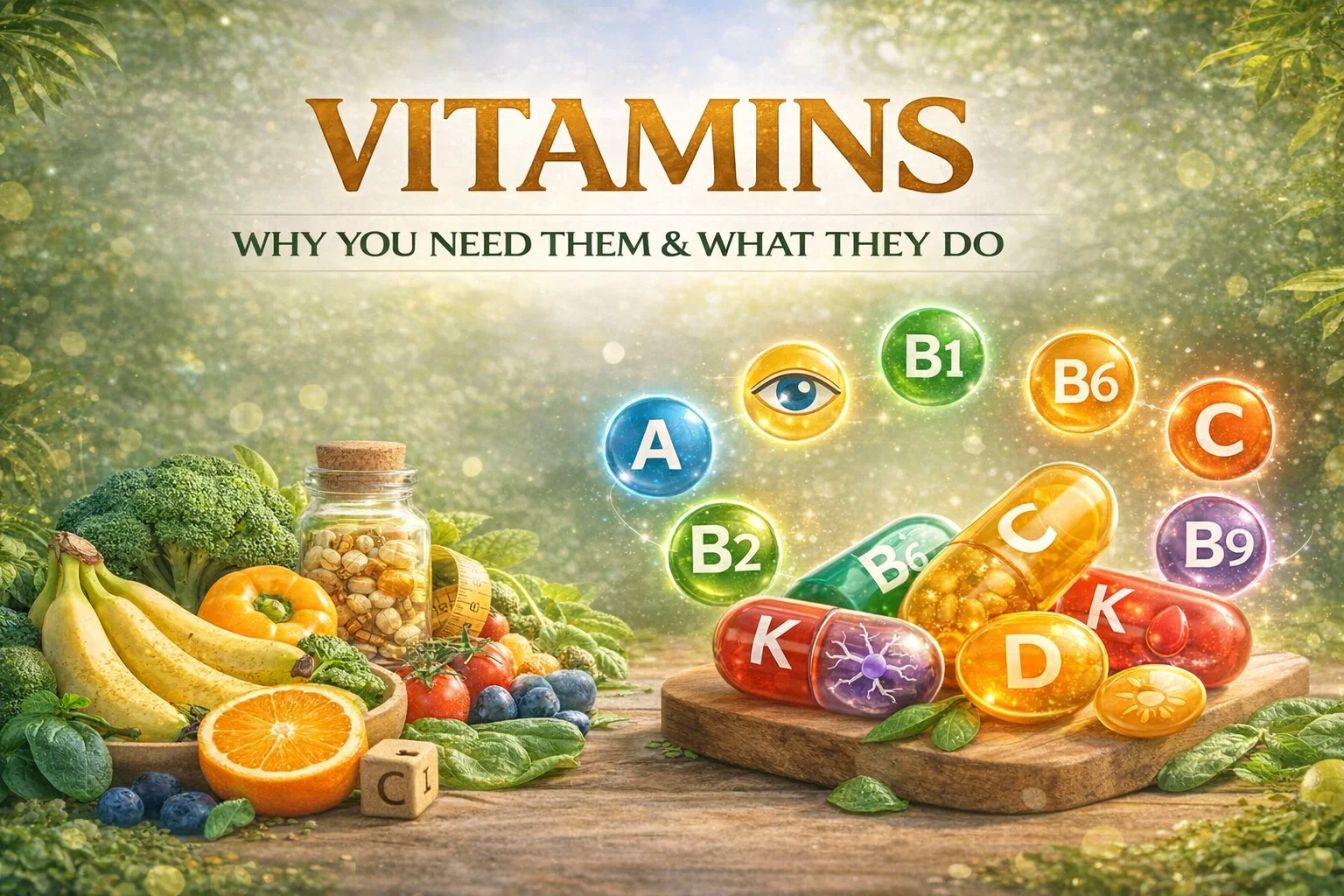
The B-vitamins are a group of eight distinct nutrients that often work together. In the image provided, we see several key players highlighted for their unique roles in metabolism and nerve function. Unlike some other vitamins, most B-vitamins are water soluble, meaning your body does not store them for long periods. This makes it vital to consume them daily through your diet.
- Vitamin B1 (Thiamine): This is the ultimate energy booster. It helps your cells convert carbohydrates into energy, ensuring your brain and heart have the power they need to function.
- Vitamin B2 (Riboflavin): Essential for growth and the production of red blood cells, B2 also helps in breaking down proteins and fats.
- Vitamin B3 (Niacin): If you want a healthy metabolism, B3 is your best friend. It helps improve cholesterol levels and supports digestive health.
- Vitamin B5 (Pantothenic Acid): This vitamin is crucial for hormone production. It helps the body manage stress and maintains healthy skin.
- Vitamin B6 (Pyridoxine): A major player in immunity, B6 helps the body manufacture antibodies and maintains normal nerve function.
Getty Images
Deep Diving into Specialized B-Vitamins
As we move further down the list, we encounter vitamins that handle very specific, highly technical jobs within our biological framework. These nutrients might be needed in tiny amounts, but their absence can lead to significant health hurdles. From the way our hair grows to the way our DNA replicates, these B-vitamins are the unsung heroes of our anatomy.
Vitamin B7: The Beauty Vitamin
Commonly known as Biotin, Vitamin B7 is the go-to nutrient for anyone looking to improve the health of their hair, skin, and nails. It works by improving the infrastructure of keratin, which is the basic protein that makes up your hair and skin. Many people find that increasing their intake of B7 leads to thicker hair and stronger nails, but it also plays a role in converting certain nutrients into energy. Eggs, nuts, and legumes are excellent natural sources of Biotin.
Vitamin B9 and B12: The Cell and Nerve Specialists
Vitamin B9, or Folate, is famous for its role in cell growth and formation. This is why it is so heavily emphasized during pregnancy, as it is vital for the development of a healthy fetus. On the other side of the coin, Vitamin B12 is essential for maintaining the health of your nervous system. It helps keep your nerve cells healthy and is a key component in the formation of DNA. Since B12 is primarily found in animal products, those following a plant based diet should be particularly mindful of their intake.
The Big Three: Vitamins C, D, and K
While the B-vitamins handle the complex internal chemistry, Vitamins C, D, and K are often more visible in their effects. These are the vitamins that help us heal from scrapes, build strong frames, and ensure our blood behaves the way it should when we get an injury.
Vitamin C: The Master Healer
Vitamin C is perhaps the most famous antioxidant in the world. It is well known for its role in healing wounds and repairing tissues throughout the body. It helps the body produce collagen, which is a vital protein used to make skin, cartilage, tendons, and ligaments. Beyond physical repair, Vitamin C is a massive support for the immune system, helping to protect cells from the damage caused by free radicals. Citrus fruits, bell peppers, and strawberries are your best bets for a Vitamin C boost.
Vitamin D: The Sunshine Hormone for Strong Bones
Vitamin D is unique because your body can actually produce it when your skin is exposed to sunlight. Its primary job is to help the body absorb calcium, which is the building block of strong bones and teeth. Without enough Vitamin D, bones can become thin or brittle. In recent years, researchers have also found that Vitamin D plays a significant role in mood regulation and preventing seasonal blues. If you live in a place with little sun, fatty fish and fortified dairy products can help fill the gap.
Shutterstock
Vitamin K: The Blood’s Essential Clotting Agent
Vitamin K might not get as much press as Vitamin C or D, but it is literally a lifesaver. It is the primary nutrient responsible for blood clotting. Without Vitamin K, the body would not be able to stop bleeding after a cut or injury. It also works in tandem with Vitamin D to ensure that calcium is deposited in your bones rather than in your arteries. You can find plenty of Vitamin K in leafy greens like kale, broccoli, and Brussels sprouts.
How to Incorporate These Vitamins into a Busy Life
Knowing what vitamins do is one thing, but getting them into your daily routine is another. The phrase eat smart, live better is a great mantra to live by. You do not need to overhaul your entire life overnight. Instead, focus on small, sustainable changes that add variety to your plate. A colorful diet is usually a vitamin rich diet.
Focus on Whole Foods First
Nature has a way of packaging vitamins with the fibers and minerals they need to be absorbed correctly. Whenever possible, try to get your nutrients from whole foods. For example, instead of just taking a Vitamin C pill, eat an orange. You will get the Vitamin C along with fiber and hydration. Try to make it a goal to have at least three different colors on your plate at every meal. This almost guarantees a wide spectrum of different vitamins.
Understanding Bioavailability
Bioavailability refers to how well your body can absorb and use a nutrient. Some vitamins, like A, D, and K, are fat soluble. This means they are best absorbed when eaten with a small amount of healthy fat, like avocado or olive oil. On the other hand, water soluble vitamins like the B complex and Vitamin C are absorbed easily but need to be replenished frequently because the body flushes out the excess. Adding a drizzle of oil to your salad is not just for flavor; it actually helps you get more out of your vegetables.
Practical Tips for a Vitamin Rich Lifestyle
- Shop the Perimeter: Most of the vitamin rich whole foods like fruits, vegetables, and lean meats are located on the outer edges of the grocery store.
- Don’t Overcook: Some vitamins, especially Vitamin C and certain B-vitamins, can be destroyed by high heat. Try steaming or sautéing your veggies lightly instead of boiling them.
- Listen to Your Body: If you are feeling unusually tired, noticing brittle nails, or catching every cold that goes around, your body might be signaling a vitamin deficiency.
- Stay Hydrated: Water is the transport system that carries vitamins to your cells. Drinking enough water ensures that these nutrients get where they need to go.
The Connection Between Vitamins and Mental Wellness
We often think of vitamins in terms of physical health, but the impact on our mental state is just as profound. The brain is an energy intensive organ, and it requires a steady supply of micronutrients to regulate mood and cognitive function. For instance, low levels of Vitamin B12 and Vitamin D have been linked to increased feelings of anxiety and fatigue. By fueling your body with the right vitamins, you are also fueling your mind, leading to better focus, clearer thinking, and a more stable emotional landscape.
Conclusion: Your Path to Better Health
Achieving optimal health does not have to be a complicated mystery. By understanding the specific roles that vitamins like A, B, C, D, and K play in your body, you can make informed choices about what you put on your plate. Each meal is an opportunity to provide your cells with the tools they need to protect your vision, boost your energy, and keep your heart beating strong. Remember that consistency is key. You do not need to be perfect every day, but making a conscious effort to eat a variety of nutrient dense foods will pay dividends in how you feel and function for years to come. Start small, stay curious, and enjoy the journey of discovering how good your body is designed to feel. Eat smart, live better, and let your health shine from the inside out.
Would you like me to generate a specific 7-day meal plan based on these vitamins to help you get started?