Ultimate Guide to Quinoa Benefits Superfood Nutrition for Gut Health and Hormone Balance
Integrating superfoods into your daily routine can feel like a daunting task, but some ingredients make the transition incredibly simple. Quinoa stands out as a true nutritional powerhouse that has captured the attention of health enthusiasts and nutritionists alike. Often mistaken for a grain, this ancient seed is actually a pseudocereal that comes from the same plant family as spinach and beets. When you start eating quinoa regularly, your body undergoes a series of positive transformations that touch everything from your digestive health to your metabolic energy levels. This vibrant superfood is more than just a trendy side dish; it is a foundation for holistic wellness that provides a complete nutritional profile rarely found in the plant kingdom.
The Complete Protein Profile of Quinoa
One of the most remarkable features of quinoa is its status as a complete protein. Most plant based foods lack one or more of the nine essential amino acids that our bodies cannot produce on their own. Quinoa is one of the rare exceptions. It contains a perfect balance of all nine essential amino acids, making it an invaluable resource for anyone following a vegetarian or vegan lifestyle. These amino acids are the building blocks of life, responsible for repairing tissues, supporting muscle growth, and maintaining a robust immune system.
Supporting Muscle Recovery and Growth
Because it provides high quality protein, quinoa is an excellent post workout meal. The presence of lysine, an amino acid often missing in other grains, helps with tissue repair and growth. Regularly consuming this seed ensures that your body has the necessary tools to recover from physical stress. Whether you are an athlete or simply someone looking to maintain muscle tone as you age, the protein density in quinoa offers a natural and efficient way to meet your daily requirements without the saturated fats often found in animal proteins.
Fueling Your Body with Essential Minerals
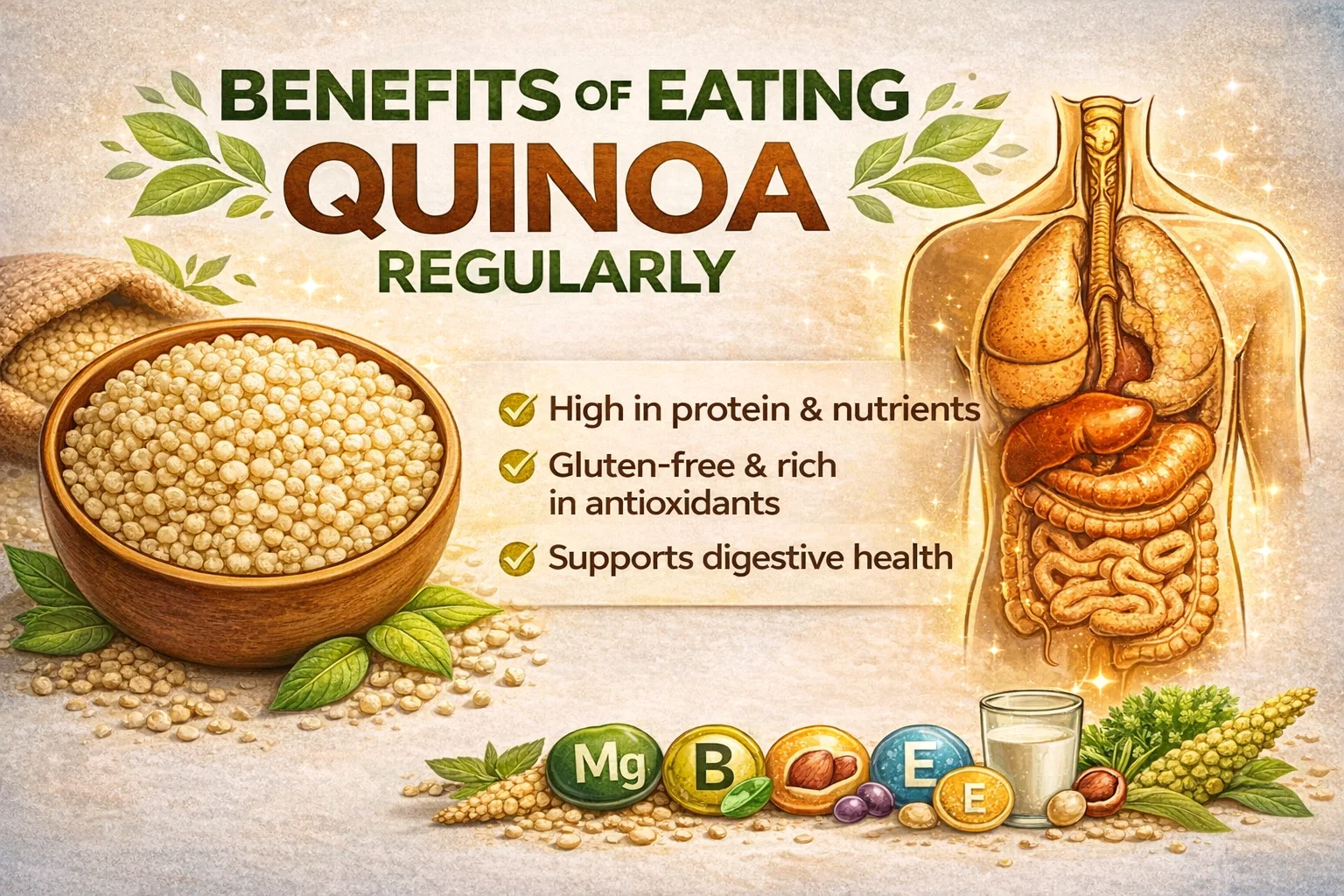
Beyond its protein content, quinoa is a gold mine of essential minerals that are often lacking in the modern diet. As the visual guide suggests, it is particularly high in magnesium, potassium, iron, and phosphorus. These minerals act as the spark plugs for various biochemical reactions within your system. Magnesium, for instance, is involved in over 300 enzymatic reactions, including the regulation of blood pressure and the maintenance of a steady heart rhythm.
The Importance of Magnesium and Iron
Many people suffer from sub clinical magnesium deficiencies, which can lead to fatigue, muscle cramps, and anxiety. Incorporating quinoa into your weekly meal prep can help bridge this gap. Additionally, the iron content in quinoa is vital for the formation of hemoglobin, which carries oxygen through your bloodstream. For individuals struggling with low energy levels or anemia, the iron and B vitamins found in these small seeds provide a natural energy lift that lasts throughout the day.
A Secret Weapon for Gut Health and Digestion
Gut health is the cornerstone of overall well being, and quinoa is an incredible ally for your digestive tract. It is exceptionally high in fiber, containing almost twice as much as most other grains. This fiber is essential for maintaining regular bowel movements and preventing constipation. More importantly, the fiber in quinoa acts as a prebiotic, feeding the beneficial bacteria in your microbiome. A healthy gut is linked to improved mood, better skin, and a stronger immune response.
Gluten Free and Easy on the Stomach
For those with gluten sensitivities or Celiac disease, quinoa is a safe and nourishing alternative to wheat or barley. Being naturally gluten free means it does not cause the inflammation or digestive distress often associated with processed grains. It is easy for the body to break down and absorb, ensuring that you get the maximum nutritional benefit without the bloating or discomfort that can come from heavier, gluten heavy meals.
Balancing Hormones and Managing Blood Sugar
Maintaining stable blood sugar levels is crucial for hormone balance and weight management. Quinoa has a low glycemic index, which means it is digested slowly and causes a gradual rise in blood sugar rather than a sharp spike. This steady release of energy helps prevent the insulin crashes that lead to cravings and irritability. By keeping your blood sugar stable, you are also supporting your endocrine system, helping to regulate hormones like cortisol and insulin.
The Role of Antioxidants in Hormonal Health
Quinoa is rich in flavonoids, specifically quercetin and kaempferol. These potent antioxidants have anti inflammatory and anti viral properties. They help protect your cells from oxidative stress, which is a major contributor to hormonal imbalances and premature aging. By reducing systemic inflammation, these antioxidants allow your hormones to communicate more effectively, leading to better sleep, improved skin clarity, and a more balanced mood.
Creative Ways to Include Quinoa in Your Diet
The beauty of quinoa lies in its versatility. It has a mild, nutty flavor that pairs well with both savory and sweet ingredients. You can use it as a base for vibrant salads, a hearty addition to soups, or even as a warm breakfast porridge topped with fresh fruit and honey. Because it cooks quickly, usually in about fifteen minutes, it is a perfect solution for busy weeknights when you want a healthy meal without spending hours in the kitchen.
Prepping for Success
To get the best flavor and texture, always remember to rinse your quinoa under cold water before cooking. This removes the naturally occurring saponins, which can sometimes give the seeds a bitter taste. Once rinsed, you can cook it in water or broth for extra flavor. Making a large batch at the beginning of the week is a great way to ensure you always have a healthy protein source ready to be tossed into any dish.
Long Term Benefits of Regular Consumption
When you make quinoa a staple in your pantry, you are investing in your long term health. Studies have suggested that regular consumption of whole grains and pseudocereals like quinoa can reduce the risk of cardiovascular disease and type 2 diabetes. Its unique combination of fiber, healthy fats, and antioxidants works synergistically to protect your heart and improve your metabolic profile. It is a small change that yields significant results over time.
Building a Sustainable Wellness Routine
Wellness is not about restrictive diets; it is about adding nutrient dense foods that make you feel vibrant and alive. Quinoa fits perfectly into this philosophy. It encourages a shift away from processed, empty calories toward whole, earth based nutrition. By focusing on what your body needs to thrive, you create a sustainable lifestyle that honors your health goals while still enjoying delicious, satisfying meals.
Conclusion: Embrace the Power of the Ancient Seed
In a world of complicated diet trends and expensive supplements, quinoa remains a simple and effective way to upgrade your nutrition. From providing a complete protein source to supporting your gut and balancing your hormones, the benefits of this ancient seed are undeniable. By understanding the deep nutritional value hidden within every bowl of quinoa, you can take an active role in your health journey. Start experimenting with new recipes today and feel the difference that this superfood makes in your energy, digestion, and overall vitality. Your body will thank you for the nourishment.