
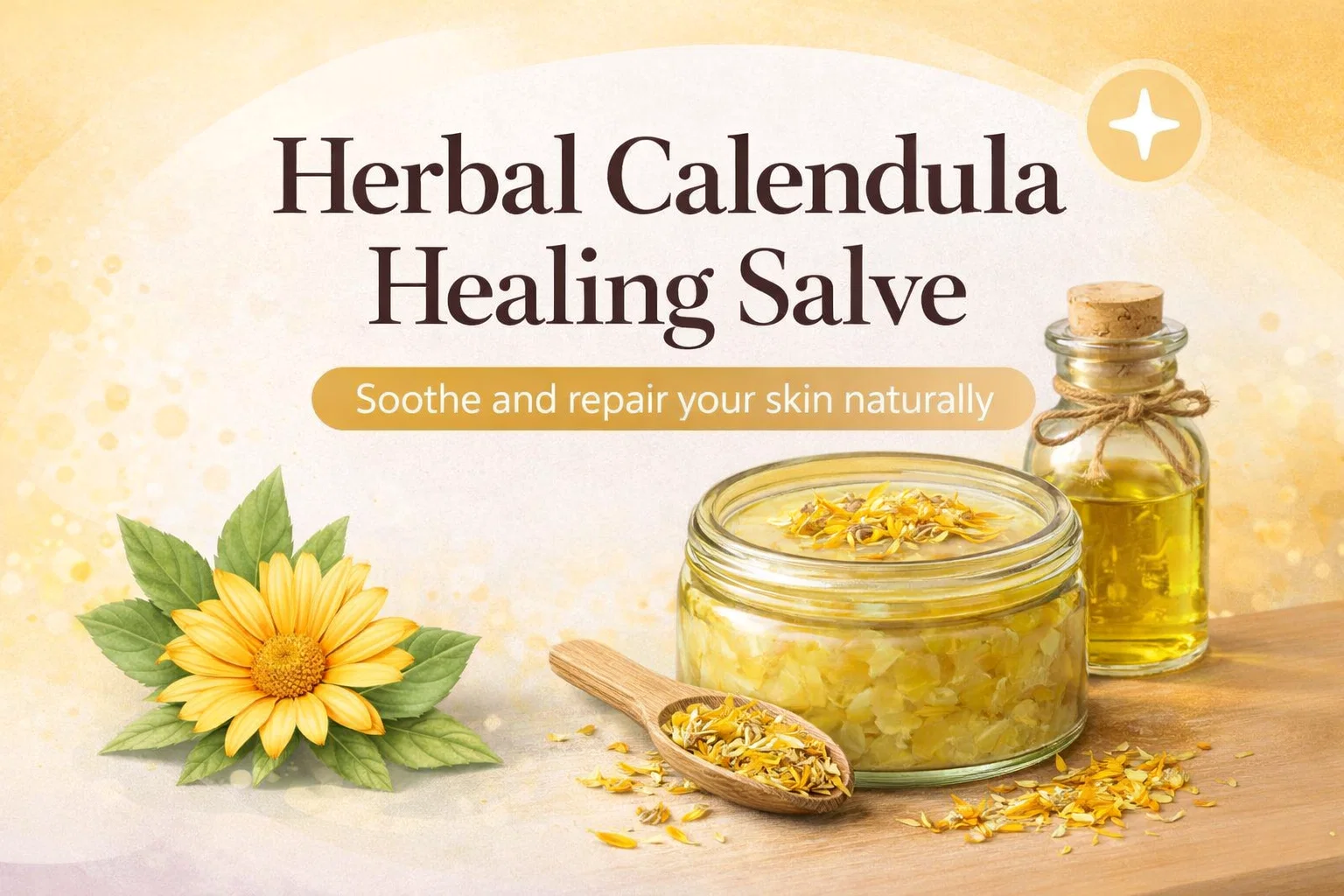
How to Make Herbal Calendula Healing Salve for Natural Skin Care DIY Calendula Oil Recipe
Have you ever walked through a garden and felt a sudden sense of peace just by looking at the bright, cheerful faces of calendula flowers? These resilient gold and orange blooms are far more than just a pretty addition to your backyard. For centuries, herbalists and healers have turned to calendula as a primary remedy for skin health, and today, we are diving deep into how you can harness that botanical power right in your own kitchen. Making your own herbal calendula healing salve is a rite of passage for anyone interested in natural living. It is a simple, meditative process that transforms basic pantry staples into a potent, multi-purpose ointment that your skin will absolutely crave.
The beauty of a homemade salve lies in its purity. When you transition away from store-bought lotions filled with synthetic fragrances and stabilizers, you give your body the gift of clean, concentrated nourishment. This specific calendula recipe is designed to be a heavy hitter in your natural first aid kit. Whether you are dealing with the aftermath of a long day in the sun, struggling with stubborn dry patches during the winter, or looking for a gentle way to soothe a minor scrape, this golden balm is the answer. Let us explore the magic behind these petals and the step-by-step journey to creating your very own jar of liquid gold.
The Incredible Benefits of Calendula for Skin Health
Calendula officinalis, often referred to as pot marigold, is a powerhouse in the world of phytotherapy. Unlike the common French marigold found in decorative flower beds, calendula is specifically prized for its high concentration of flavonoids and triterpenoids. These compounds are the secret weapons that give the plant its legendary anti-inflammatory and antimicrobial properties. When you apply a calendula-infused oil to your skin, you are essentially providing a protective barrier that encourages the body to repair itself more efficiently.
Natural Wound Healing and Tissue Regeneration
One of the most celebrated uses of calendula is its ability to speed up the healing process of minor wounds. It works by increasing blood flow and oxygen to the affected area, which helps the body grow new tissue. This makes it an ideal remedy for slow-healing scratches or skin that has been compromised by environmental stressors. It is gentle enough for sensitive areas but effective enough to make a noticeable difference in how quickly your skin bounces back to its healthy state.
Soothing Inflammation and Redness
If you struggle with inflammatory skin conditions like eczema, rosacea, or even just general seasonal redness, calendula can be a lifesaver. Its soothing nature helps to calm the “fire” in the skin, reducing swelling and discomfort. Because it is so mild, it is often a preferred choice for parents looking for natural alternatives to commercial diaper creams or for anyone with reactive skin who finds traditional moisturizers too harsh.
Essential Ingredients for Your Healing Salve
To create a high-quality product, you must start with high-quality ingredients. The recipe featured in our guide focuses on simplicity and efficacy. You only need a few key items, but each one plays a vital role in the final texture and healing potential of your salve.
- Dried Calendula Petals: It is crucial to use dried petals rather than fresh ones. Fresh flowers contain water, which can introduce bacteria and cause your salve to mold. Opt for organic petals to ensure no pesticides are entering your pores.
- Carrier Oil: Olive oil is a classic choice because it is deeply moisturizing and has a long shelf life. However, you can experiment with jojoba oil for a faster-absorbing feel or sweet almond oil for an extra dose of Vitamin E.
- Beeswax: This acts as the hardening agent. It provides the structure of the salve while also creating a breathable protective layer on the skin that locks in moisture.
- Essential Oils: While optional, adding lavender or tea tree oil can enhance the scent and provide additional antiseptic benefits.
The Art of the Oil Infusion
The soul of any herbal salve is the infused oil. This is the stage where you extract the medicinal properties from the plant material into your liquid carrier. There are two main ways to do this: the slow solar method and the quick heat method. Our featured recipe utilizes the double boiler method, which is perfect for those who want to use their salve today rather than waiting six weeks.
Using the Double Boiler Method
To start, you will combine your dried petals and oil in the top of a double boiler. If you do not have a dedicated double boiler, you can simply place a heat-safe glass bowl over a pot of simmering water. The goal is to keep the heat very low. You want the oil to be warm enough to pull the resins and oils out of the calendula but not so hot that it “cooks” or damages the delicate compounds. Stirring occasionally over the course of one to two hours will result in a vibrant, deep orange oil that smells earthy and sweet.
The Importance of Proper Straining
Once your infusion is complete, the next step is straining. Use a fine mesh sieve or a layer of cheesecloth to separate the oil from the spent petals. Make sure to squeeze the petals firmly to get every last drop of that precious infused oil. This liquid is now concentrated medicine, ready to be transformed into a solid balm.
Step-by-Step Instructions for Crafting Your Salve
Now that you have your golden oil, the process moves quickly. Clean your double boiler so there are no petal fragments left behind, then pour your infused oil back in. It is time to introduce the beeswax. For a standard salve consistency, a ratio of one tablespoon of beeswax per cup of oil is a great starting point. If you prefer a harder balm for a travel tin, you can add a little more beeswax.
Stir the mixture gently as the beeswax melts. Once the liquid is completely clear and combined, remove it from the heat. If you decided to use essential oils, this is the moment to add them. Adding them at the very end prevents the volatile aromatic compounds from evaporating too quickly in the heat. Pour the liquid carefully into clean, dry tins or glass jars. Watch as the color shifts from a translucent amber to a beautiful, opaque buttery yellow as it sets.
Creative Ways to Use Your Calendula Salve
While we often think of salves for “emergencies” like burns or cuts, this herbal blend is versatile enough for daily use. Keep a jar on your nightstand and apply it to your cuticles and heels before bed for an intensive overnight moisture treatment. It also works wonders as a lip balm, especially in dry or windy weather where lips tend to chap easily.
Garduners and outdoor enthusiasts will find this salve particularly helpful. Constant exposure to soil and water can strip the hands of their natural oils. Applying a thin layer of calendula salve before and after outdoor work provides a barrier that prevents cracking and soreness. It is also an excellent companion for hikers to treat hot spots on feet before they turn into full blisters.
Storage Tips and Maintaining Potency
To keep your herbal creations fresh, storage is key. Because this recipe uses natural oils without chemical preservatives, it is sensitive to light and heat. Store your jars in a cool, dark place like a medicine cabinet or a dedicated apothecary shelf. Avoid leaving your salve in a hot car, as the beeswax will melt and the oils can go rancid more quickly under extreme temperatures.
Most homemade salves will stay potent for nine to twelve months. You will know it is time to make a new batch if the scent changes from a pleasant, honey-like aroma to something sharp or sour. Using Vitamin E oil in your recipe can act as a natural antioxidant to help extend the shelf life slightly, but making smaller batches more frequently is usually the best way to ensure you are always using the freshest ingredients.
The Spiritual and Mindful Side of Herbalism
There is something deeply grounding about the process of making your own medicine. In a world that moves incredibly fast, taking two hours to slowly stir a pot of herbs is an act of mindfulness. It connects you to the seasons and to the wisdom of generations past who didn’t have a pharmacy on every corner. When you use your salve, you aren’t just applying a product; you are applying a labor of love and a piece of the natural world.
Inviting herbs like calendula into your home encourages a deeper relationship with the environment. You might find yourself wanting to grow your own flowers next summer, harvesting them on a sunny morning and drying them on screens in your kitchen. This cycle of growth, harvest, and creation is incredibly rewarding and empowers you to take control of your own wellness journey.
Conclusion
Creating an herbal calendula healing salve is more than just a DIY project. It is an investment in your skin and a step toward a more sustainable, natural lifestyle. By following these simple steps, you have transformed humble dried flowers and oil into a versatile, powerful remedy that can soothe, protect, and heal. Whether you are gifting a jar to a friend or keeping it all for yourself, the golden glow of this salve serves as a constant reminder of the healing power of nature. So, the next time your skin feels tired or stressed, reach for your homemade balm and let the magic of calendula do its work. Happy crafting!