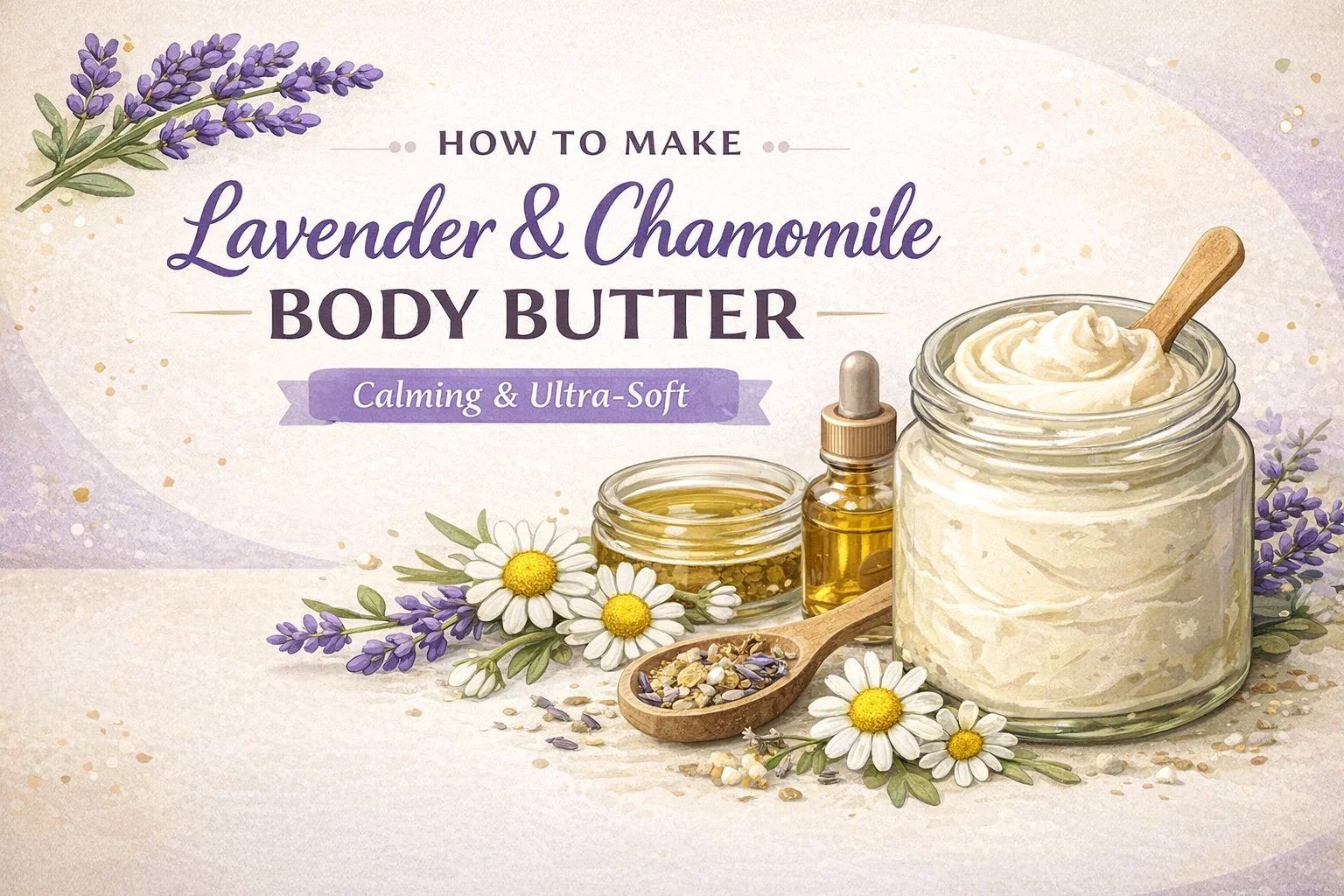
DIY Lavender Chamomile Herbal Body Butter Recipe for Calming Ultra-Soft Skin
Discovering the secret to velvety smooth skin often leads us back to the most basic elements provided by nature. This DIY Lavender and Chamomile Herbal Body Butter is more than just a moisturizer; it is a sensory experience designed to calm the mind while deeply nourishing the body. By infusing high quality oils with dried botanicals and blending them with rich, plant based butters, you can create a professional grade skincare product right in your own kitchen. This guide will walk you through the art of herbal oil infusion and the science of whipping up a body butter that stays fluffy and luxurious for months.
The Power of Herbal Infusions in Skincare
The foundation of any truly effective herbal body butter is the infusion process. Instead of simply adding essential oils for scent, we start by extracting the therapeutic properties of whole dried flowers directly into a carrier oil. Chamomile is celebrated for its anti inflammatory properties and its ability to soothe sensitive or irritated skin. Lavender complements this perfectly by providing a calming aroma and promoting skin healing. When these two are steeped in sweet almond oil, the result is a potent botanical base that carries the essence of the plants into every application.
Choosing Your Carrier Oil
Sweet almond oil is an excellent choice for this recipe because it is lightweight and rich in Vitamin E. It penetrates the skin easily without leaving a greasy residue, making it an ideal medium for drawing out the benefits of lavender and chamomile. If you have particularly dry skin, you might consider blending it with a bit of jojoba oil or avocado oil for added richness. The goal is to create a base that supports the thicker butters we will add later, ensuring the final product feels balanced and absorbent.
Understanding the Body Butter Base
To achieve that signature ultra soft texture, we use a trio of powerful natural butters. Each plays a specific role in the structure and feel of the final product. Shea butter is the primary ingredient, known for its incredible moisturizing capabilities and high concentration of fatty acids. Cocoa butter adds firmness and a subtle, chocolatey scent that pairs beautifully with floral notes. Finally, coconut oil acts as a softening agent, ensuring the mixture remains easy to spread even at cooler temperatures.
The Role of Vitamin E
Including Vitamin E oil is an optional but highly recommended step. While it offers wonderful benefits for skin repair and protection against environmental stressors, it also acts as a natural antioxidant for the product itself. It helps prevent the oils and butters from going rancid, effectively extending the shelf life of your homemade creation. Just a teaspoon or two can make a significant difference in the longevity of your 8 oz batch.
Step By Step Instructions for a Perfect Batch
Creating your own skincare requires a bit of patience, especially during the infusion stage, but the results are well worth the wait. Follow these steps to ensure your body butter turns out fluffy and stable.
1. Infuse the Oil
Start by combining your dried chamomile flowers and lavender buds with the sweet almond oil. Place them in a glass jar and warm them gently in a water bath. Avoid high heat, as you want to preserve the delicate compounds within the flowers. Let the mixture steep until the oil is fragrant and takes on a golden hue. Once ready, use a fine mesh strainer or cheesecloth to strain out exactly one cup of the infused oil, ensuring no botanical debris remains.
2. Melt the Butters
In a double boiler, combine the shea butter, cocoa butter, and coconut oil. Melt them over low heat until the mixture is completely liquid and clear. Once melted, stir in your freshly strained herbal infused oil. This is the moment where the base and the botanical infusion become one. If you are using Vitamin E, add it at this stage after removing the pot from the heat to keep its properties intact.
3. Cool and Whip
This is the most critical stage for texture. Transfer the liquid mixture to a bowl and let it cool. You can speed this up by placing it in the refrigerator. Wait until the mixture starts to look cloudy and semi solid, similar to the consistency of soft butter. Using a hand mixer or a stand mixer, whip the mixture on high speed. Continue until it transforms into a light, fluffy peak that resembles whipped cream. This process incorporates air into the butters, giving the product its luxurious feel.
4. Finish and Jar
If you desire a stronger scent, you can fold in a few drops of lavender or chamomile essential oil during the final seconds of whipping. Once you are satisfied with the consistency, spoon the butter into clean glass jars. Using glass helps preserve the scent and prevents any plastic chemicals from leaching into your natural product.
Tips for Achieving the Best Texture
One common challenge with homemade body butters is graininess. This usually happens when shea butter is cooled too slowly, allowing the fats to crystallize. To avoid this, try to cool your mixture relatively quickly in the fridge and start whipping as soon as it reaches that opaque, soft solid state. If your house is very warm, you might find that the butter softens over time. Storing it in a cool, dry place will help maintain that airy, whipped structure you worked so hard to achieve.
How to Use Your Herbal Body Butter
For the best results, massage this butter onto damp skin immediately after a bath or shower. The moisture on your skin helps the oils lock in hydration more effectively. Because this recipe is specifically designed with calming herbs, it is the perfect addition to a nighttime routine. The scent of lavender and chamomile will linger softly, helping you transition into a restful sleep while the butters work their magic on your skin overnight.
Sustainable Storage and Shelf Life
Since this recipe does not contain water, it has a much longer shelf life than traditional lotions. Most batches will remain fresh for six to nine months if kept away from direct sunlight and moisture. Always use clean, dry hands when scooping the butter out of the jar to prevent introducing bacteria. If you live in a particularly hot climate, you can even store a small portion in the refrigerator for a cooling, refreshing skin treat during the summer months.
Customizing Your Scent Profile
While lavender and chamomile are a classic duo for relaxation, you can easily adapt this recipe to suit different needs. For an uplifting morning blend, you might infuse the oil with dried calendula and add a splash of sweet orange essential oil. For a deep woodsy scent, consider adding cedarwood or frankincense. The beauty of DIY skincare is the ability to tailor every ingredient to your personal preference and skin requirements.
The Importance of Quality Ingredients
When making products that sit on your skin for hours, the quality of your raw materials matters. Look for unrefined, organic shea butter to get the most vitamins and minerals. Similarly, ensure your dried herbs are food grade and free from pesticides. By choosing high quality, sustainable ingredients, you are not only taking better care of your body but also supporting more ethical production practices in the beauty industry.
Conclusion: Embracing the Ritual of Natural Skincare
Taking the time to craft your own Lavender and Chamomile Herbal Body Butter is a rewarding act of self care. It connects you to the healing power of plants and gives you total control over what goes onto your skin. Whether you are looking to treat yourself to a spa like experience at home or searching for the perfect handmade gift for a friend, this recipe provides a foolproof way to achieve professional results. Once you experience the difference of a truly natural, whipped herbal butter, you may find it difficult to ever go back to store bought alternatives. Enjoy the process of creating, the soothing aroma of the herbs, and the lasting softness of your skin.