
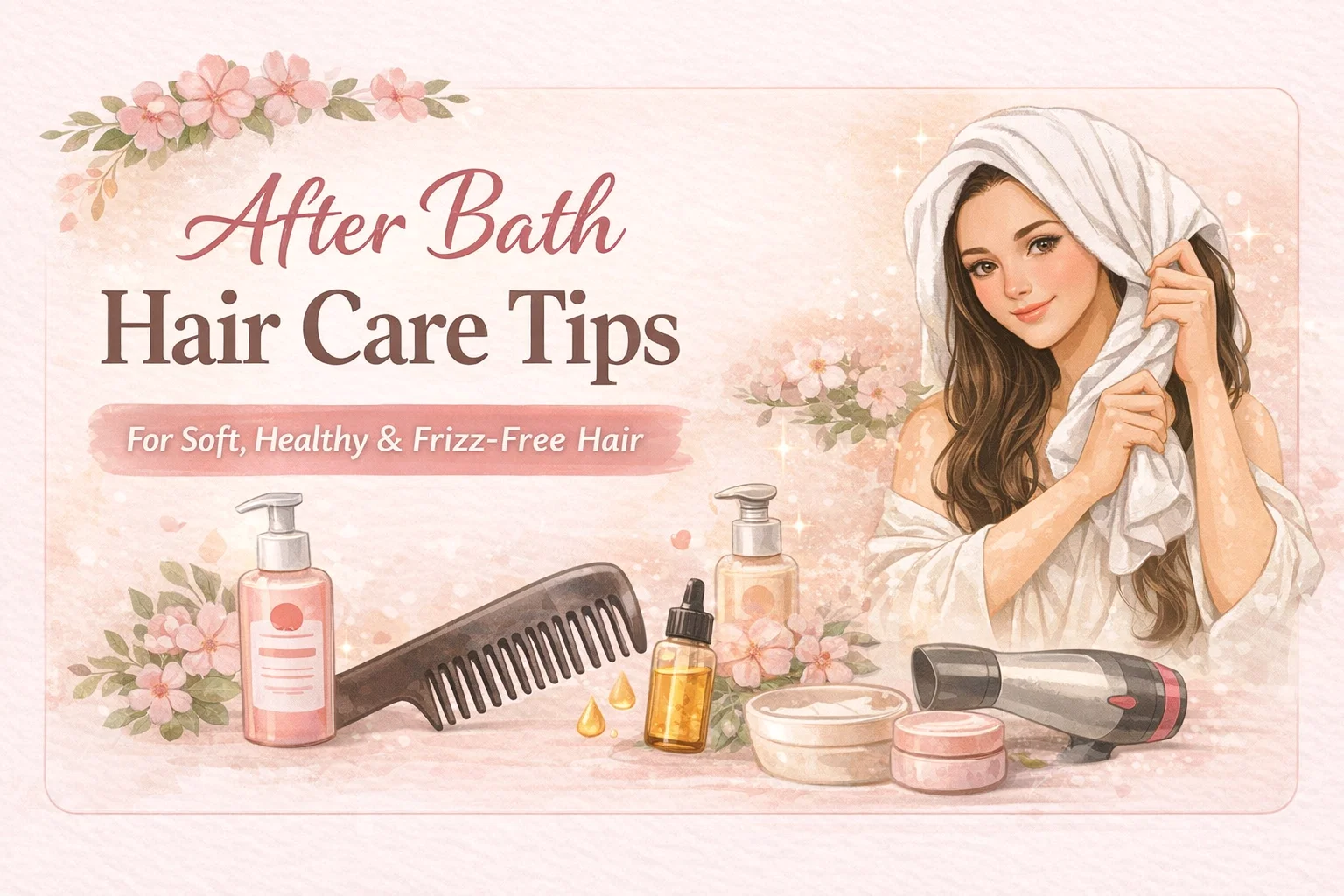
Ayeshas After Bath Hair Care Routine How to Get Soft, Healthy Frizz-Free Hair
Achieving salon quality hair at home doesn’t require a professional stylist on speed dial. Often, the secret to those luscious, bouncy locks you see in advertisements lies not just in the products you use, but in the specific order and technique of your post wash ritual. Many of us spend a fortune on expensive shampoos and conditioners only to undo all that hard work the moment we step out of the shower. If you have ever wondered why your hair feels rough, frizzy, or prone to breakage despite your best efforts, it is time to look closely at your after bath routine.
The transition from soaking wet hair to a styled look is the most critical window for hair health. When hair is wet, the cuticle is raised and the keratin proteins are at their most vulnerable state. This means that every tug, rub, and heat application is magnified. By adopting a structured approach like Ayesha’s After Bath Hair Care Routine, you can lock in moisture, prevent split ends, and ensure your hair remains soft and frizz free from day one to day three.
Step 1: The Golden Rule of Drying Without Damage
The very first thing most people do when they step out of the shower is reach for a heavy, terry cloth towel and start rubbing their head vigorously. While this might get the water off quickly, it is a recipe for disaster. The loops in a standard towel are too rough for the delicate hair fiber, leading to micro tears and immediate frizz. Instead, the first step in a healthy routine is to stop rubbing and start squeezing.
The Power of Microfiber and Cotton
Switching your towel is one of the easiest yet most impactful changes you can make. A microfiber towel or even an old, soft cotton T-shirt is much gentler on the hair cuticle. These materials absorb excess water without creating the friction that leads to breakage. Simply wrap the cloth around sections of your hair and gently squeeze. This method removes the weight of the water without disturbing the natural alignment of your strands.
Step 2: Hydration is Key with Leave In Conditioners
Once your hair is no longer dripping but still damp, it is time to provide a protective barrier. While rinse out conditioners are great for detangling in the shower, a leave in conditioner acts as a long term hydrator and shield. It provides a continuous supply of moisture that prevents the hair from drying out as it meets the air.
Application Tips for Maximum Efficacy
- Use a coin sized amount: Overloading the hair can lead to a greasy finish and weighed down locks.
- Focus on the lengths: Your scalp produces natural oils, so it rarely needs extra conditioning. Focus the product from the mid lengths down to the very tips.
- Avoid the roots: Applying heavy creams to the scalp can clog pores and lead to flat, lifeless hair.
Step 3: The Importance of a Wide Tooth Comb
We have all been tempted to grab a standard brush to work through knots quickly, but brushing wet hair is one of the leading causes of thinning and snap breakage. Because wet hair stretches more than dry hair, a fine bristle brush can easily pull strands past their breaking point. This is where the wide tooth comb becomes your best friend.
How to Detangle Without the Pain
The technique is just as important as the tool. Always start detangling from the ends of your hair and gradually work your way upward toward the roots. This prevents you from pushing a knot down into another knot, which creates a massive tangle that is impossible to remove without damage. By clearing the path at the bottom first, the comb slides through the top sections with ease.
Step 4: Sealing the Deal with Hair Serum
If leave in conditioner is the hydration, hair serum is the sealant. Serums are typically silicone or oil based products designed to coat the surface of the hair. This coating serves two purposes: it adds an instant reflective shine and it creates a barrier against humidity. If you live in a damp climate, this step is non negotiable for controlling frizz.
You only need one or two drops of a high quality serum. Rub it between your palms to warm the product up, then lightly glaze it over the ends of your hair. This mimics the natural oils of the hair and gives you that polished, finished look that lasts all day.
Step 5: Air Drying Versus Heat Styling
In a perfect world, we would all have the time to let our hair air dry every single time. Air drying allows the hair to settle into its natural shape without the stress of high temperatures. However, modern life often requires a faster solution. If you must use a blow dryer, the key is to be strategic about it.
Safe Heat Practices
Always apply a heat protectant if you plan on using any styling tools. When using a dryer, keep it on a low or medium heat setting and maintain a distance of at least six inches from your head. Constant movement of the dryer is better than focusing on one spot for too long. For the best results, try air drying until your hair is about 70 percent dry, then use the dryer only to finish the style and add volume at the roots.
Step 6: Weekly Maintenance and Extra Care
A daily routine is vital, but your hair also needs some deep rehabilitation a few times a week. Think of this as a spa day for your strands. Incorporating extra care steps two to three times a week will ensure long term health and growth.
The Deep Treatment Checklist
- Light Oils: Applying a light oil like argan or jojoba to the ends before bed can prevent overnight friction.
- Weekly Hair Masks: Use a deep conditioning mask once a week to repair damage from pollution and styling.
- Trimming Split Ends: No product can truly fuse a split end back together forever. Regular trims every 8 to 12 weeks are essential to keep the damage from traveling up the hair shaft.
Common Mistakes: What NOT To Do
Sometimes, what you stop doing is more important than what you start doing. There are several common habits that can silently sabotage your hair goals. For instance, never tie your hair into a tight ponytail while it is wet. The tension combined with the fragility of wet hair can cause a permanent line of breakage around your head. Similarly, sleeping with wet hair can lead to fungal issues on the scalp and increased tangling as you move in your sleep.
Another mistake is overusing serum. While it makes hair look great initially, too much product will attract dust and dirt, making your hair feel crunchy and requiring more frequent washing. Finally, never skip conditioner. Even if you have oily hair, the ends still need nourishment to stay healthy.
Conclusion: Consistency Leads to Results
Beautiful hair does not happen by accident. It is the result of small, consistent choices made every time you step out of the bath. By switching to a microfiber towel, using a wide tooth comb, and being mindful of how you apply your products, you are investing in the future of your hair. This routine is not just about looking good for today; it is about maintaining the strength and integrity of your hair for years to come.
Start implementing these steps during your next wash day and notice the difference in how your hair feels. It might take a few extra minutes, but the soft, frizz free results are well worth the effort. Your hair is your crowning glory, so treat it with the care and respect it deserves.