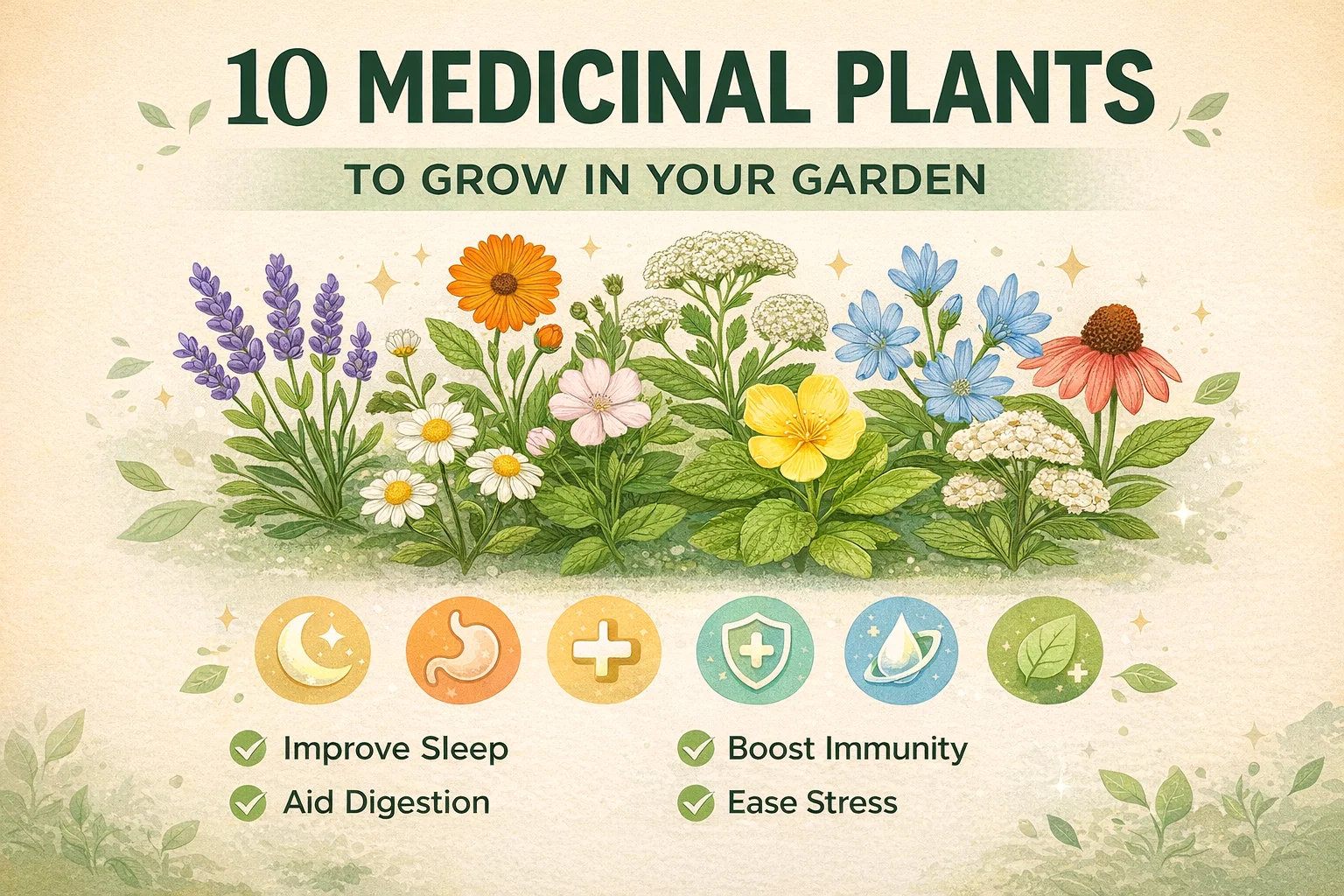
Backyard Herbalism Easy Medicinal Plants to Grow at Home
Imagine stepping into your backyard and finding a living pharmacy right at your fingertips. There is something deeply grounding about the transition from being a consumer of wellness products to being a producer of your own healing herbs. This journey into backyard herbalism is not just about saving money or having the freshest ingredients; it is about reclaiming a traditional skill that connects us to the cycles of the earth. Whether you have a sprawling country acre or a few sunny pots on a suburban balcony, the ability to cultivate high-quality medicinal plants is well within your reach. Let’s dive into how you can transform a simple patch of dirt into a vibrant, life-sustaining apothecary.
The Renaissance of the Home Apothecary
In recent years, there has been a massive shift toward natural living and self-sufficiency. People are increasingly curious about where their medicine comes from and how it is processed. By growing your own medicinal plants, you eliminate the middleman and ensure that your herbs are free from synthetic pesticides and heavy metals. When you harvest a flower like Calendula at the peak of its resin production, you are capturing a level of potency that store-bought dried herbs rarely match.
Starting a medicinal garden is also an exercise in mindfulness. The act of weeding, watering, and observing the growth of these plants offers a unique form of stress relief that complements the physical benefits of the herbs themselves. You are not just growing a product; you are cultivating a relationship with the natural world. This guide will walk you through the essential plants to get you started and the best practices for ensuring they thrive in your local environment.
Lavender: The Queen of Relaxation
Lavender is perhaps the most iconic medicinal plant in the world, and for good reason. Known scientifically as Lavandula angustifolia, this hardy perennial is famous for its ability to promote restful sleep and ease anxiety. The scent alone has been shown in various studies to lower heart rates and reduce cortisol levels. In the garden, Lavender is a “tough love” plant. It thrives in poor, sandy soil and requires excellent drainage. If you give it too much water or rich fertilizer, it will likely struggle.
Cultivation and Use
To get the most out of your Lavender, plant it in a spot that receives at least six to eight hours of full sun. Once established, it is remarkably drought-tolerant. For medicinal use, harvest the flower spikes just as the first few buds on the stem begin to open. You can dry these bundles upside down in a cool, dark place to preserve the essential oils. Beyond its sedative properties, Lavender is a powerful antiseptic. A simple infused oil made from your homegrown flowers can be used to soothe minor burns, insect bites, and skin irritations.
Calendula: The Skin Soother
Often called Pot Marigold, Calendula is a powerhouse for wound healing and skin health. Its bright orange and yellow petals are rich in flavonoids and carotenoids, which help reduce inflammation and speed up the regeneration of skin tissue. Unlike many other medicinal plants that take years to mature, Calendula is an easy-to-grow annual that will often self-seed, meaning it effectively returns year after year once you have established a patch.
Why Every Gardener Needs Calendula
Calendula is incredibly forgiving. It grows well in almost any soil type and provides a continuous harvest throughout the summer. The more you pick the flowers, the more the plant produces. This makes it an excellent choice for beginners who want to see immediate results. Once harvested and dried, the petals can be infused into olive or almond oil to create a base for salves, lip balms, and lotions. It is gentle enough for use on children and is a staple remedy for diaper rash and eczema.
Yarrow: The First Aid Herb
If you are looking for a plant that earns its keep in a first aid kit, look no further than Yarrow. Historically known as “soldier’s woundwort,” Yarrow has been used for centuries to stop bleeding and disinfect wounds. It contains achilleine, a compound that helps the blood clot faster. Beyond its external uses, Yarrow tea is a traditional remedy for breaking a fever by inducing sweating, and it is frequently used to relieve digestive upset and bloating.
Growing a Resilient Plant
Yarrow is a native plant in many parts of the world, making it exceptionally hardy. It features feathery, fern-like foliage and flat-topped clusters of tiny white or pink flowers. It is a fantastic companion plant in the garden because it improves the health of neighboring plants and attracts beneficial insects like predatory wasps and hoverflies. Be aware that Yarrow can spread via underground runners, so give it plenty of space or grow it in a contained area if you want to keep it from taking over your garden beds.
Chicory: Detoxification and Resilience
Chicory is often seen growing wild along roadsides, recognizable by its brilliant blue flowers that open in the morning and close by the afternoon. While many consider it a weed, herbalists value it for its profound impact on the digestive system and the liver. The root is high in inulin, a prebiotic fiber that supports gut health, while the bitter compounds in the leaves and roots help stimulate bile production, aiding in detoxification and reducing internal inflammation.
Harnessing the Power of Bitters
Incorporating Chicory into your garden adds a beautiful vertical element, as the flower stalks can reach several feet in height. To use it medicinally, you can harvest the young leaves for salads or wait until the end of the second year to dig up the long taproot. Roasted chicory root is a famous caffeine-free coffee substitute that provides a rich, earthy flavor while supporting your liver. It is a testament to the idea that some of our most powerful medicines are often hiding in plain sight.
Chamomile: The Gentle Digestive Aid
There is nothing quite as comforting as a cup of Chamomile tea before bed. This plant is a favorite for those dealing with “nervous stomach” or general indigestion. There are two main types: Roman Chamomile, which is a low-growing perennial, and German Chamomile, which is a taller annual. Both provide the small, daisy-like flowers used for medicine, but German Chamomile is generally preferred for its higher essential oil content and ease of harvest.
Tips for a Productive Harvest
Chamomile loves the cool weather of spring and early summer. It can be a bit finicky about extreme heat, so providing some afternoon shade in hotter climates can help extend the flowering season. To harvest, use your fingers like a comb to pop the flower heads off the stems. The goal is to collect the flowers just as the petals begin to droop backward. Drying them quickly is key to maintaining their bright apple-like aroma and calming properties.
Echinacea: The Immune System Sentinel
Echinacea, also known as Purple Coneflower, is one of the most researched medicinal herbs in the world. It is a staple for boosting immune function at the first sign of a cold or flu. While most commercial supplements use the root, the flowers and leaves also contain the active alkylamides that give the plant its characteristic tongue-tingling effect. This tingling sensation is a sign of high-quality medicine that stimulates the production of white blood cells.
A Garden Showstopper
Beyond its medicinal value, Echinacea is a stunning ornamental plant. Its large, purple petals and prominent orange cones make it a focal point in any flower bed. It is a prairie native, meaning it has deep roots that help it survive through dry spells and cold winters. It typically takes two to three years for the roots to reach a size worth harvesting, but you can enjoy the flowers and their immune-boosting benefits in the meantime. It is also a magnet for bees and butterflies, supporting your local ecosystem while providing you with health benefits.
Getty Images
Explore
Lemon Balm: The Stress Reliever
If you have a busy life and need a plant that can help you find your center, Lemon Balm is your best friend. A member of the mint family, this herb is incredibly easy to grow—sometimes too easy, as it loves to spread. It has a bright, citrusy scent that immediately lifts the mood. Medicinally, Lemon Balm is used to reduce stress, improve cognitive function, and relieve tension headaches. It also has potent antiviral properties, making it a common ingredient in topical treatments for cold sores.
Managing Your Lemon Balm
Because it can be invasive, many gardeners choose to grow Lemon Balm in large pots or contained garden sections. It prefers moist, rich soil and can handle a fair amount of shade compared to other herbs. To keep the plant productive, prune it back regularly to prevent it from flowering and going to seed. Fresh Lemon Balm leaves make a delicious tea, but they can also be chopped and added to summer fruit salads or infused into honey for a sweet, medicinal treat.
Evening Primrose: Hormonal Balance
Evening Primrose is a unique addition to the medicinal garden because its yellow flowers bloom at night and glow under the moonlight. This plant is most famous for the oil extracted from its seeds, which is rich in gamma-linolenic acid (GLA). GLA is an essential fatty acid that helps balance hormones and reduce symptoms of PMS and menopause. Additionally, the entire plant is edible; the roots can be cooked like parsnips and the leaves can be used as a potherb.
The Night-Blooming Beauty
This plant is a biennial, meaning it produces a rosette of leaves in its first year and flowers in its second. It is very adaptable and can grow in disturbed soils or dry areas. While extracting oil from the seeds at home can be a bit technical, simply having the plant in your garden allows you to use the leaves and roots for their anti-inflammatory benefits. It adds a magical, nocturnal element to your backyard that most traditional gardens lack.
Marshmallow: The Soothing Root
Long before it became a sugary campfire treat, Marshmallow (Althaea officinalis) was a revered medicinal herb. The name comes from its preferred habitat—marshes and wet areas. The plant is high in mucilage, a slippery substance that coats and soothes irritated mucous membranes. This makes it an unparalleled remedy for dry coughs, sore throats, and digestive issues like acid reflux or irritable bowel syndrome.
Growing and Harvesting Mucilage
Marshmallow is a stately plant that can grow up to five feet tall, featuring soft, velvety leaves and delicate pale pink flowers. It needs consistent moisture to thrive, so it is a perfect choice for those damp spots in the garden where other plants might rot. While the leaves and flowers contain some mucilage, the highest concentration is found in the roots. You should wait until the plant is at least two years old before harvesting the roots in the autumn. Peeled and dried, these roots can be used to make a “cold infusion” which extracts the soothing properties without damaging the delicate compounds with heat.
Bringing It All Together: Your Path Forward
Creating a medicinal garden is a journey of discovery. As you watch these ten plants grow, you will start to notice the subtle ways they change with the seasons. You will learn the best time of day to harvest for maximum potency and the best ways to preserve your bounty for the winter months. Remember that backyard herbalism is not about replacing modern medicine, but about supplementing your lifestyle with natural, preventative care that empowers you to take charge of your well-being.
Start small. Perhaps pick two or three plants from this list that resonate with your current health goals. As you gain confidence, you can expand your garden to include more variety and complexity. The knowledge you gain from getting your hands in the dirt and working with these healing botanicals is a treasure that will stay with you for a lifetime. Your backyard is more than just a lawn; it is a potential sanctuary of health, waiting for you to plant the first seed.
By focusing on these hardy and versatile species, you ensure that your gardening efforts are met with success. From the calming scents of Lavender to the rugged healing power of Yarrow, each plant offers a unique gift. So, grab your trowel, find a sunny spot, and begin the rewarding process of growing your own medicine today. The earth is ready to provide; all you have to do is start.
Would you like me to help you design a specific planting layout for these herbs based on your available garden space or sunlight levels?