Best Trellis Ideas for Every Vegetable How to Build Vertical Garden Supports
Starting a vegetable garden is one of the most rewarding projects you can undertake, but it does not take long for a sprawling mess of vines to take over your precious backyard real estate. If you have ever watched your beautiful zucchini plants suffocate their neighbors or seen your heavy watermelons snap their stems, you know that support is not just an option—it is a necessity. Vertical gardening is the ultimate solution for urban growers and homesteaders alike, allowing you to produce more food in half the space while keeping your plants healthy and disease-free.
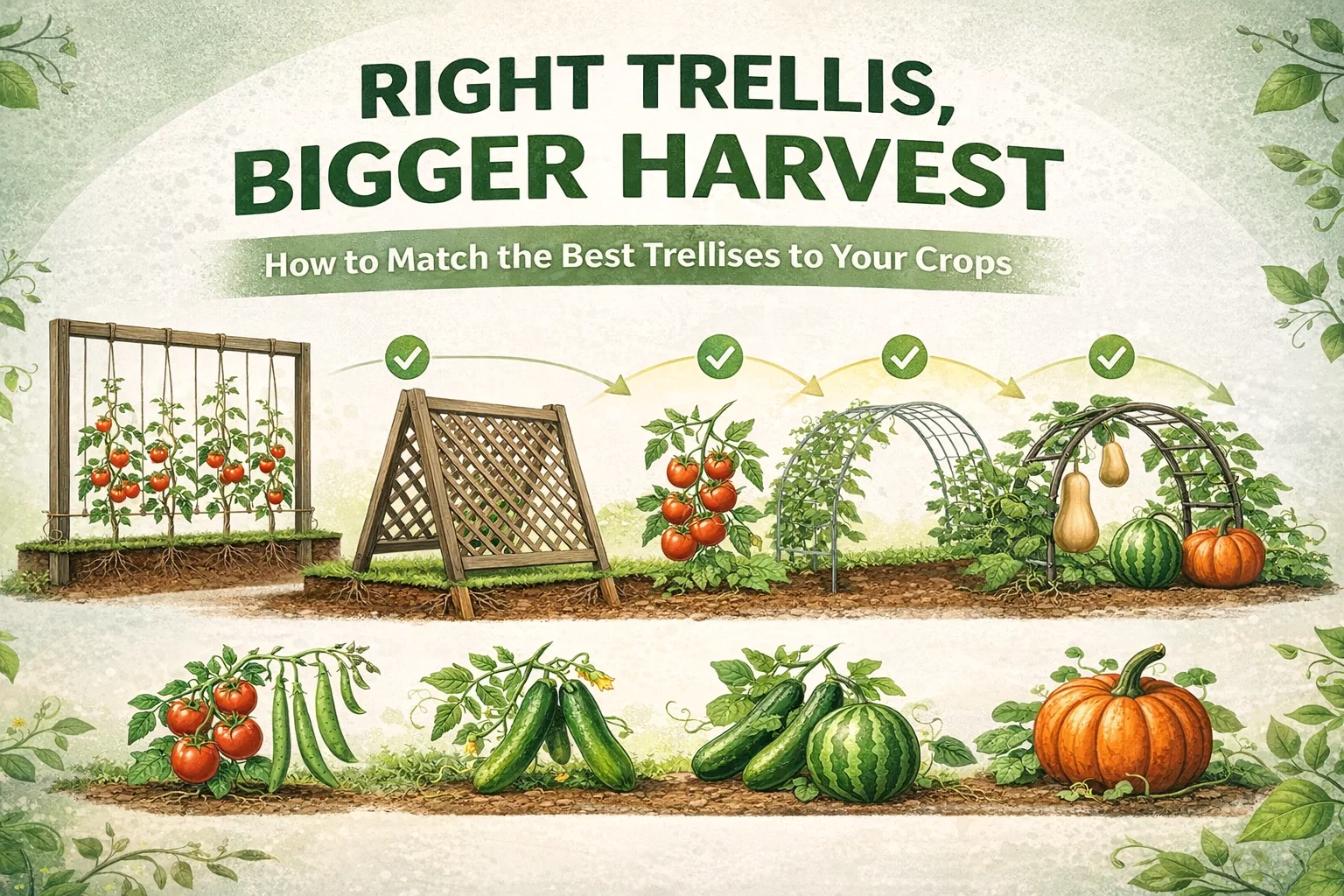
The image we are looking at today provides a perfect blueprint for success. It highlights a critical truth that many beginners overlook: not all trellises are created equal. Using a flimsy string for a heavy pumpkin is a recipe for disaster, just as building a massive reinforced arch for tiny sweet peas might be overkill for your budget. By matching the right support structure to the specific growth habits of your crops, you can transform a chaotic plot into a high-yielding vertical paradise.
Understanding the Mechanics of Vertical Growth
Before we dive into the specific types of trellises, it is important to understand why we do this in the first place. Plants like tomatoes, cucumbers, and beans have evolved different ways of climbing. Some use tendrils to wrap around thin wires, while others have thick, heavy stems that need to be physically tied to a sturdy frame. When we provide the correct architecture, we are essentially helping the plant reach its full genetic potential.
Vertical gardening also solves the biggest enemy of the home gardener: moisture. When foliage sits directly on the damp soil, it becomes a breeding ground for powdery mildew, blight, and slugs. Lifting the canopy off the ground increases airflow and ensures that sunlight reaches every leaf. This results in faster ripening and a much easier harvest because your vegetables are hanging at eye level rather than hiding under a carpet of leaves.
The Flat String Trellis: Perfect for Lightweight Climbers
The flat string trellis is perhaps the most cost-effective and elegant solution for any garden. It typically consists of a simple wooden or metal frame with vertical strings hanging down to the soil. This setup is ideal for plants that need a little guidance but do not carry an immense amount of weight all at once.
Best Crops for String Supports
- Indeterminate Tomatoes: These plants want to grow forever. By using a single string and a “lean and lower” method, you can keep your tomato vines organized and easy to prune.
- Garden Peas: Peas have delicate tendrils that easily catch onto thin twine. They do not need massive structures, just something thin enough for their tiny “fingers” to grab.
- Climbing Beans: While beans can get heavy, they are naturally lightweight as they spiral upward. A string trellis allows them to reach for the sky without crowding the garden bed.
The beauty of the string method is the ease of cleanup. At the end of the season, you can simply cut the strings, compost the spent vines, and start fresh with new twine next year. This prevents the carryover of diseases that might stick to permanent wooden structures.
The A-Frame Trellis: The Stability Champion
If you are growing mid-weight crops that tend to “bush out,” the A-Frame trellis is your best friend. Shaped like a tent, this structure provides two slanted sides for climbing, which doubles your growing surface area. It is incredibly stable against the wind and creates a shaded “tunnel” underneath that can be used to grow cool-weather crops like spinach or lettuce during the hot summer months.
Top Performers for A-Frames
- Cucumbers: These are the stars of the A-Frame. The fruit hangs down through the mesh, staying perfectly straight and clean.
- Zucchini: While most people think of zucchini as a bush, many varieties love to climb. An A-Frame keeps the massive leaves off the ground and away from squash bugs.
- Small Melons: Cantaloupes and honeydews thrive here. The slanted angle provides enough support for the fruit to rest slightly against the wire as it grows.
Building an A-Frame is a simple DIY project. You can use two pieces of cattle panel or even old wooden pallets leaned against each other and secured at the top with hinges or zip ties. It is a set-it-and-forget-it solution that lasts for years.
Wire Arch Trellis: Beauty Meets Function
The wire arch is where the garden starts to look like a piece of art. Often made from cattle panels or heavy-duty wire mesh bent into a curve, these arches create stunning walkways between garden beds. They are lightweight enough to be moved but strong enough to support a significant amount of greenery.
What to Grow on a Wire Arch
- Pole Beans: Watching beans dangle from the top of an arch makes harvesting feel like a walk in the park.
- Sweet Peas: These fragrant flowers will turn your garden into a scented tunnel of color.
- Nasturtiums: These edible flowers love to trail. On an arch, they create a cascading waterfall of orange and yellow petals.
One of the biggest benefits of the wire arch is the visual height it adds to your landscape. It draws the eye upward, making even the smallest backyard feel like a grand estate. It is also the perfect setup for children, who love walking through the leafy “secret passage.”
Reinforced Sturdy Arch: The Heavyweight Contender
When you get into the world of large gourds and pumpkins, you cannot mess around with flimsy wire. These plants produce fruit that can weigh ten, twenty, or even fifty pounds. A standard trellis will buckle under that pressure. This is where the reinforced sturdy arch comes into play. Constructed from thick metal piping or heavy timber, these arches are built to withstand the gravity-defying weight of the garden’s giants.
The Heavyweights
- Butternut Squash: The long, heavy necks of butternut squash need a rigid support to stay off the ground and avoid rot.
- Watermelons: Yes, you can grow watermelons vertically! You just need a structure that can handle the load, often supplemented with “fruit hammocks” made of old t-shirts or netting to take the weight off the vine.
- Pumpkins: Small to medium pumpkins look incredible hanging from a sturdy arch. It keeps them perfectly round and prevents the “flat spot” that occurs when they grow on the ground.
Because these structures are permanent and heavy, you want to plan their placement carefully. They are excellent for creating a grand entrance to your vegetable patch or defining the borders of your property.
Tips for Maintaining Your Vertical Garden
Simply building the trellis is only the first step. To get the best results, you need to be an active participant in your plant’s journey upward. This involves “training” the vines. Every few days, take a walk through your garden and gently guide new growth toward the support. Use soft garden ties or strips of old fabric to secure heavy stems, ensuring you leave enough room for the stem to thicken as the plant matures.
Pruning is also vital. By removing the “suckers” or excess side shoots on plants like tomatoes, you focus the plant’s energy on vertical growth and fruit production. This keeps the trellis from becoming too heavy and ensures that light can penetrate deep into the foliage.
Conclusion: Elevate Your Gardening Game
Vertical gardening is more than just a space-saving hack; it is a smarter way to grow food. By matching your crops to the correct trellis—whether it is a simple string for your peas or a reinforced arch for your pumpkins—you are creating an environment where your plants can truly flourish. You will spend less time fighting pests and diseases and more time enjoying a clean, organized, and incredibly productive harvest.
Don’t be afraid to start small. Try a simple string trellis this season and see the difference it makes. As your confidence grows, so can your structures. Before you know it, you will be walking through a lush canopy of vegetables, harvesting dinner at eye level. Happy gardening!