Cold vs Warm Compress When to Use Ice or Heat for Pain Relief
Knowing whether to reach for a bag of frozen peas or a warm heating pad can be the difference between a speedy recovery and prolonged discomfort. Most of us have stood in front of the freezer or the linen closet at some point, second guessing which temperature is right for a specific ache. While both heat and ice are incredibly effective, budget friendly tools for pain management, they work in completely opposite ways. One constricts while the other expands. One calms inflammation while the other boosts circulation. Understanding the science behind these simple home remedies allows you to take charge of your wellness and treat your body with the precision it deserves.
The Science of Cold Therapy: When to Chill Out
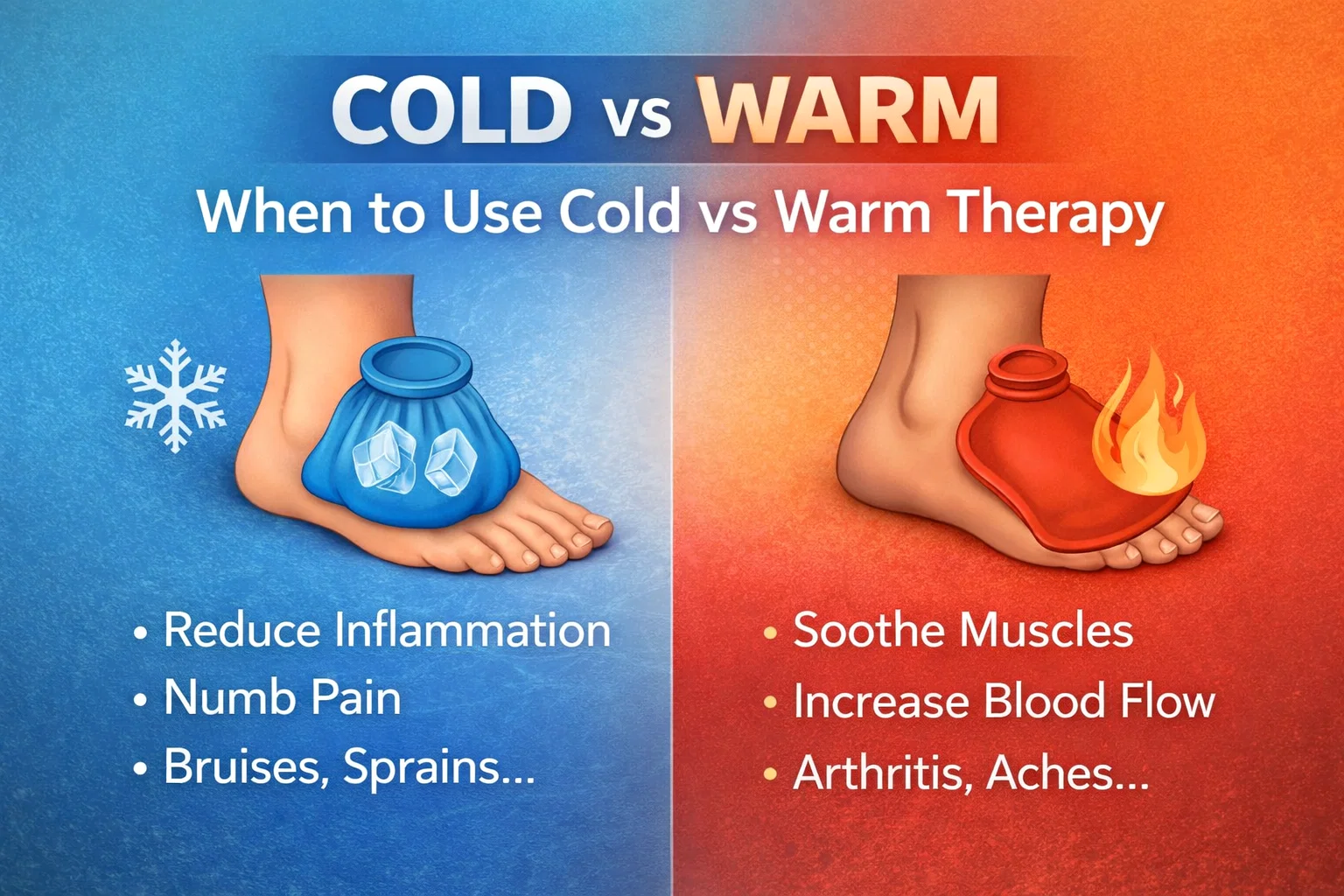
Cold therapy, also known as cryotherapy, is the gold standard for fresh injuries. When you experience a sudden trauma like a sprained ankle or a nasty bump, your body immediately sends a rush of blood to the area. This leads to the classic signs of inflammation: redness, heat, and swelling. While this is a natural part of healing, excessive swelling can actually cause more pain and slow down the recovery process by putting pressure on surrounding nerves.
Applying a cold compress causes the blood vessels to constrict, a process known as vasoconstriction. This effectively slows down the blood flow to the injured site, which directly reduces swelling and internal bleeding. Beyond the physical changes, cold has a powerful numbing effect on the nerves. By slowing down the pain signals sent to your brain, an ice pack acts as a natural local anesthetic, providing immediate relief for sharp, intense pain.
Best Uses for Cold Compresses
- Acute Injuries: This includes anything that happened within the last 48 hours, such as trips, falls, or collisions.
- Sprains and Strains: If you have pulled a ligament or a muscle during a workout, ice is your best friend for the first two days.
- Postoperative Inflammation: Surgeons often recommend cold therapy to manage the inevitable swelling that follows a procedure.
- Migraines and Headaches: A cold wrap around the forehead or the base of the neck can help shrink dilated blood vessels that often contribute to throbbing head pain.
- Minor Burns: While you should never put ice directly on a burn, a cool compress helps pull the heat out of the skin and soothe the stinging sensation.
The Power of Heat: When to Warm Up
While ice is about slowing things down, heat therapy is all about movement. Thermotherapy works by dilating the blood vessels, a process called vasodilation. This increases the flow of oxygen and nutrient rich blood to the targeted area. This extra circulation is vital for healing damaged tissue and flushing out lactic acid buildup that often occurs after a heavy lifting session or a long day of physical labor.
Heat is particularly effective for soothing the nervous system. The warmth stimulates sensory receptors in the skin, which can actually decrease the transmissions of pain signals to the brain. More importantly, heat helps to soften the connective tissues and relax tight, knotted muscles. If you feel like your body is “locked up” or stiff, warmth is usually the remedy that will help you regain your range of motion.
Best Uses for Warm Compresses
- Chronic Muscle Pain: If you have a nagging ache that has lasted for weeks or months, heat will help bring blood flow to the area to encourage long term repair.
- Arthritis and Joint Stiffness: Warmth helps to lubricate the joints and ease the morning stiffness often associated with inflammatory conditions.
- Lower Back Pain: Most back pain is muscular in nature. A heating pad can help release deep seated tension in the lumbar region.
- Muscle Spasms and Contractures: When a muscle is stuck in a painful contraction, heat helps the fibers relax and lengthen.
- Menstrual Cramps: Applying heat to the lower abdomen can relax the uterine muscles and significantly reduce the intensity of cramping.
The 48 Hour Rule: A Simple Guide for Timing
If you are ever in doubt, remember the 48 hour rule. For any new injury where there is visible swelling or bruising, stick to ice for at least the first two days. Using heat too early on a fresh injury can actually make things worse by increasing blood flow to an area that is already struggling with too much inflammation. Once that initial 40 to 48 hour window has passed and the swelling has plateaued, you can consider switching to heat to help stimulate the healing process and loosen up any lingering stiffness.
Common Mistakes to Avoid
Even though these treatments are simple, there are a few safety protocols to keep in mind to protect your skin and maximize the benefits. Always place a barrier, like a thin towel, between the compress and your skin. Applying ice directly can cause frostbite or “ice burns,” while direct heat can cause significant skin irritation or thermal burns.
Timing is also important. Most experts recommend the 20 on, 20 off method. Applying a compress for about 20 minutes gives the body enough time to react to the temperature change. Taking a 20 minute break allows the skin temperature to return to normal, preventing damage and ensuring that the next round of therapy is just as effective as the first. If you have poor circulation or decreased skin sensitivity due to conditions like diabetes, always consult with a healthcare professional before starting a temperature based treatment plan.
Advanced Techniques: Contrast Therapy
For athletes or those recovering from stubborn injuries, you might hear about contrast therapy. This involves alternating between hot and cold treatments in a single session. This creates a “pumping” action in the circulatory system as the vessels constrict and dilate repeatedly. This can be incredibly effective for reducing lingering edema and invigorating tired muscles. However, this is usually best done under the guidance of a physical therapist to ensure you are using the correct ratios for your specific needs.
Conclusion: Choosing Your Path to Relief
Mastering the art of hot and cold therapy is one of the most empowering things you can do for your personal health toolkit. By paying attention to what your body is telling you, you can choose the right tool for the job every single time. Whether it is the refreshing chill of an ice pack after a weekend hike or the comforting warmth of a heat wrap after a stressful week at the office, these natural methods provide a safe and effective way to manage pain without immediately reaching for the medicine cabinet. Keep this guide in mind next time an ache arises, and you will be well on your way to a faster, more comfortable recovery. Save these tips for later and stay proactive about your wellness!
Would you like me to generate a list of the best DIY hot and cold compresses you can make at home?