Cozy Autumn Home Makeover 10 Simple DIY Micro-Steading Homesteading Ideas for Beginners
Embracing the beauty of a handmade life doesn’t require a hundred acres of rolling hills or a massive red barn. In fact, some of the most rewarding parts of the homesteading movement are happening right now on kitchen counters and in small backyard patches. Micro-steading is the art of bringing self-sufficiency into your current living space, focusing on the quality of your ingredients and the satisfaction of creating things from scratch. Whether you are tucking into a bowl of pasta you rolled yourself or lining your pantry with jars of golden preserves, the transition to a more grounded lifestyle starts with these small, intentional shifts. This guide is designed to show you how to turn your home into a cozy, productive haven this autumn.
The Heart of the Micro-Stead: The Kitchen
The kitchen is undeniably the command center of any micro-stead. It is where raw ingredients are transformed into nourishment and where the seasonal harvest is captured for the colder months ahead. When you start focusing on food sovereignty, you begin to look at your kitchen not just as a place to heat up meals, but as a laboratory for traditional skills. One of the simplest ways to begin is by mastering the basics of scratch cooking. There is a profound difference in the flavor and nutritional value of a meal when you control every single component, from the flour in your dough to the herbs in your sauce.
Mastering the Art of Homemade Pasta
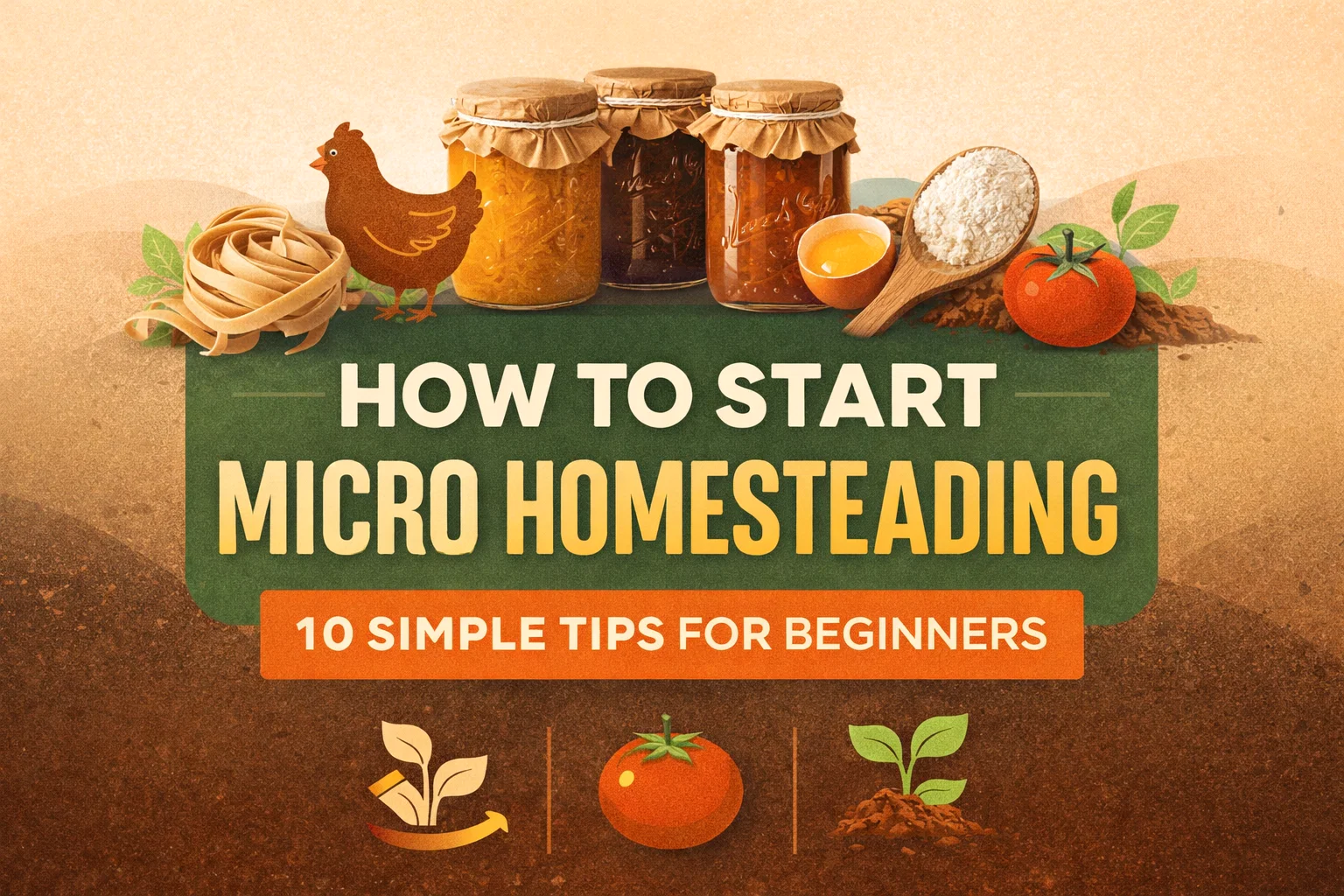
If you look at a pile of fresh fettuccine nesting next to a basket of farm-fresh eggs, you see the perfect representation of micro-steading. Making pasta at home is a foundational skill that requires only a few basic ingredients: flour, eggs, and a pinch of salt. By choosing high-quality, organic flour and eggs from a local source or your own backyard hens, you elevate a humble dish into a gourmet experience. The process of kneading the dough by hand is therapeutic, connecting you to the food in a way that opening a box of dried noodles never can. It teaches patience and precision, two virtues that are essential for any aspiring homesteader.
Preserving the Season with Mason Jars
Walking into a pantry filled with neatly labeled glass jars is one of the most satisfying sights for a micro-steader. Canning and preserving are not just about food storage; they are about capturing the essence of a season. During the autumn months, the abundance of the harvest can feel overwhelming, but through water bath canning or pressure canning, you can ensure that nothing goes to waste. Mason jars are the iconic tool of this trade, offering a sustainable and plastic-free way to keep your food fresh for months or even years.
Small Batch Canning for Beginners
You do not need to process fifty pounds of tomatoes to be a successful canner. Micro-steading encourages small-batch preserving, which is much more manageable for those with limited space or time. You might spend a Saturday morning making four jars of spiced apple butter or two pints of pickled red onions. These small wins build your confidence and stock your shelves gradually. The key is to start with high-acid foods like fruits, jams, and pickles, which are much safer and easier for beginners to process using the water bath method. This involves submerging your filled jars in boiling water to create a vacuum seal that prevents spoilage.
Sustainable Sourcing and Indoor Gardening
If you lack the outdoor space for a traditional garden, do not let that stop you. Micro-steading is about being resourceful with what you have. Windowsill herb gardens are an excellent entry point. Growing your own basil, rosemary, and thyme ensures you always have fresh flavors on hand, and it reduces the waste associated with buying plastic-wrapped herbs at the grocery store. Beyond the windowsill, you can look into vertical gardening systems or even small hydroponic setups that can fit in a corner of your dining room.
The Magic of Farm Fresh Eggs
For those who have a small backyard, keeping a few chickens is a cornerstone of the homesteading dream. Even a tiny flock of three or four hens can provide a family with a consistent supply of eggs. These eggs are often superior to store-bought versions, with deep orange yolks and sturdy shells. If local ordinances or space constraints make keeping poultry impossible, micro-steading still encourages you to seek out local farmers’ markets. Building a relationship with a local producer is a vital part of the community-based food system that homesteading promotes.
Creating a Cozy and Functional Autumn Home
As the weather turns crisp, the focus of the micro-stead shifts inward. This is the time for a home makeover that prioritizes comfort and utility. A cozy autumn home isn’t just about throw blankets and scented candles; it’s about creating a space that supports your creative endeavors. When your home is organized to facilitate DIY projects, you are much more likely to stick with them. This might mean setting up a dedicated fermentation station in a cool corner or organizing your baking supplies so that making a loaf of sourdough feels like a joy rather than a chore.
Natural Decor and Practical Aesthetics
In a micro-stead, decor often serves a dual purpose. A bowl of brown and white eggs on the counter is beautiful, but it is also breakfast. A string of drying peppers hanging in the kitchen adds a pop of color while providing spice for future stews. When you decorate with natural elements, you bring the outdoors in and celebrate the cycle of the seasons. Use woven baskets, wooden spoons, and linen textiles to create a warm, earthy atmosphere that feels grounded and timeless. These materials age beautifully and reflect the values of sustainability and quality that define the movement.
Developing Self-Sufficiency Skills
The journey of micro-steading is one of continuous learning. Each season brings a new set of skills to master. In the autumn, you might focus on learning how to bake bread, dehydrate fruit for snacks, or even make your own beeswax wraps to replace plastic film. The goal is not to become completely independent of the modern world overnight, but rather to reclaim the skills that were once common knowledge for our ancestors. These skills provide a sense of security and accomplishment that is hard to find in a purely consumer-driven culture.
Building a Minimalist Homestead Toolkit
To succeed in your micro-steading efforts, you need the right tools. However, you don’t need a garage full of expensive equipment. A few high-quality items will serve you better than a dozen cheap gadgets. Essential tools for a kitchen-based homestead include a sturdy cast iron skillet, a sharp chef’s knife, a set of glass mason jars, and a reliable digital scale for baking. By investing in tools that are built to last, you are practicing the very sustainability you are trying to cultivate in your lifestyle. Treat your tools with care, and they will become the heritage pieces you pass down to the next generation.
Community and the Modern Homesteader
While micro-steading often happens within the walls of your own home, it is a deeply social movement. Sharing your progress on platforms like Pinterest or WordPress helps to inspire others and builds a network of like-minded individuals. Whether you are swapping seeds with a neighbor or sharing a recipe for the perfect pie crust online, you are contributing to a culture of abundance and generosity. The modern homesteader knows that we are stronger when we share our knowledge and our harvests.
Hosting a Harvest Swap
One of the best ways to celebrate the autumn season is by hosting a small gathering centered around the harvest. Invite a few friends over to swap preserves, garden produce, or handmade crafts. It is a wonderful way to diversify your own pantry while strengthening your local community bonds. You might trade a jar of your homemade strawberry jam for a loaf of a friend’s crusty bread. These exchanges remind us that wealth isn’t just about what we have in the bank, but about the richness of our relationships and the skills we can offer one another.
Final Thoughts on the Handmade Life
Starting a micro-stead is a journey of a thousand small steps. It begins with the decision to buy a dozen eggs from a neighbor instead of a carton from the supermarket. It grows when you decide to spend a rainy afternoon learning how to roll pasta or when you tuck your first batch of preserves into the pantry. This lifestyle is about finding beauty in the mundane and taking pride in the work of your hands. As you transform your home this autumn, remember that the goal is progress, not perfection. Every jar you fill and every loaf you bake is a testament to your commitment to a more intentional, cozy, and sustainable way of living. Embrace the slow pace of the season and enjoy the incredible rewards of the micro-steading life.
Would you like me to generate a set of SEO keywords or a meta description to go along with this blog post?