
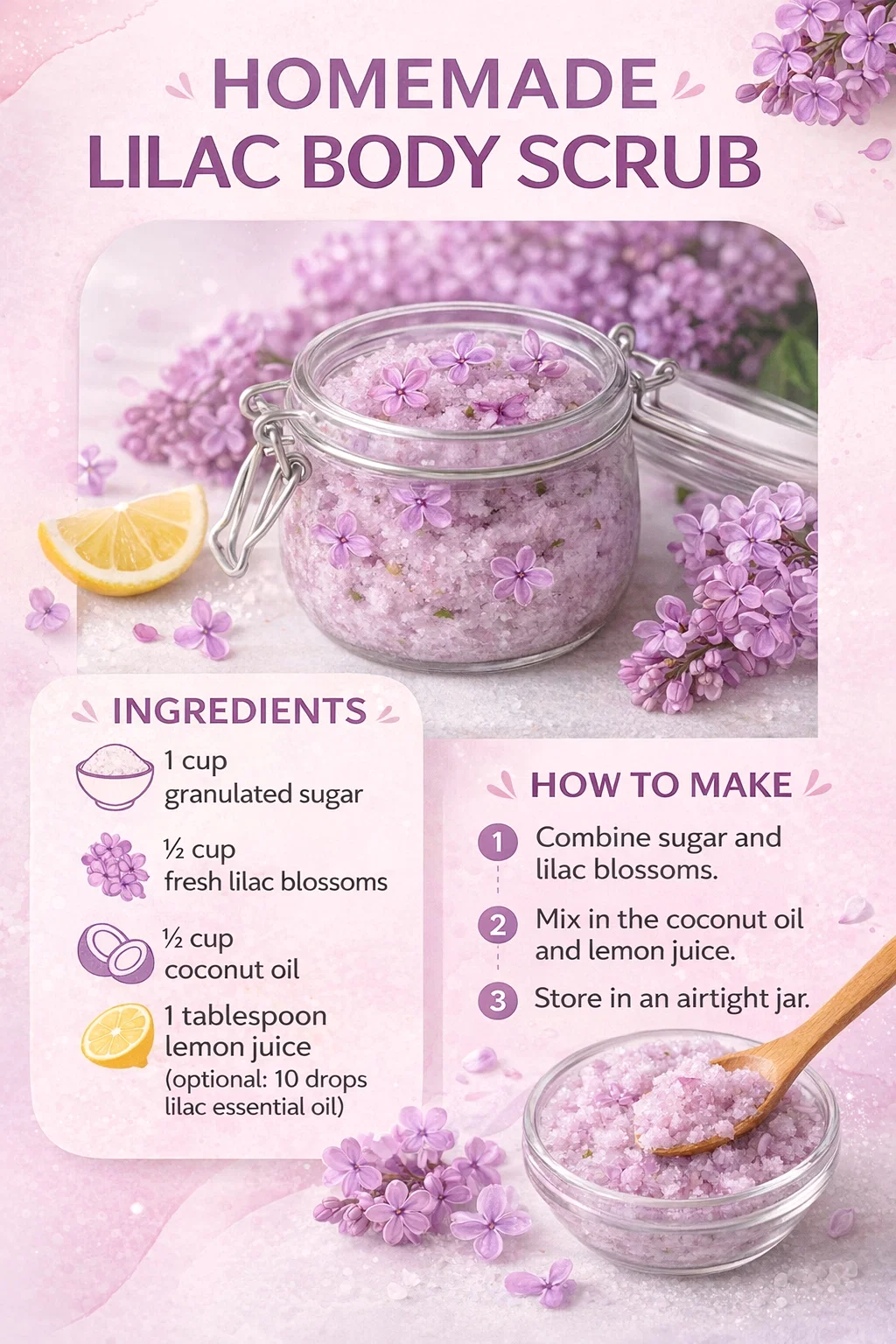
DIY Homemade Lilac Body Scrub Recipe for Glowing Skin Easy Natural Skincare Routine
There is something truly magical about the arrival of spring, specifically the moment when the heavy, sweet scent of lilacs begins to drift through the air. These fleeting purple blooms are more than just a beautiful garden staple; they are a sensory experience that signals renewal and freshness. While we often enjoy them in a vase on the kitchen table, you can actually capture that intoxicating fragrance and incorporate it into your self-care routine. Creating a DIY lilac body scrub is one of the most rewarding ways to celebrate the season while giving your skin the nourishment it deserves.
Most store-bought exfoliants are packed with synthetic fragrances and microplastics that aren’t great for your body or the environment. By making your own scrub at home, you have total control over the ingredients. This recipe is simple, affordable, and uses the natural power of sugar and coconut oil to transform dull, dry skin into a soft, glowing canvas. Let’s dive into why this floral treatment is a must-have for your bathroom vanity this year.
The Natural Benefits of Lilac for Your Skin
Lilacs are often overlooked in the world of herbal skincare, which usually favors lavender or roses. However, lilacs possess unique properties that make them excellent for topical use. They are naturally astringent, which means they can help to tighten the skin and minimize the appearance of pores. This makes a lilac-infused scrub particularly beneficial for those looking to refresh their complexion after a long winter.
Beyond the physical benefits, the aromatherapy aspect of lilac is profound. The scent is known to reduce stress and promote a sense of calm. When you use this scrub in a warm shower, the steam carries the floral notes, turning a quick wash into a spa-like experience. It is a wonderful way to ground yourself and practice mindfulness while performing a basic grooming task.
Understanding the Core Ingredients
To create a high-quality body scrub, you need a balance of exfoliation, hydration, and acidity. Each ingredient in this recipe serves a specific purpose to ensure your skin ends up balanced and moisturized.
Granulated Sugar: The Gentle Exfoliant
Sugar is a natural source of glycolic acid, an alpha hydroxy acid (AHA) that helps break down dead skin cells. Unlike salt, which can sometimes be too abrasive for sensitive skin or sting if you have small nicks, sugar crystals are slightly rounder and more forgiving. As you massage the scrub onto your body, the sugar slowly dissolves, ensuring you don’t over-exfoliate.
Coconut Oil: Deep Moisturization
Coconut oil is the glue that holds this scrub together. It is rich in fatty acids, particularly lauric acid, which provides intense hydration. Because coconut oil is antimicrobial, it also helps keep the skin clean and healthy. When you rinse the scrub off, the oil leaves a light protective barrier on your skin, often eliminating the need for a heavy lotion afterward.
Lemon Juice: Brightening and Preserving
A splash of fresh lemon juice adds a brightening effect to the recipe. The vitamin C helps to even out skin tone and add a natural radiance. Additionally, the acidity of the lemon acts as a very mild natural preservative for the fresh blossoms, though you should still aim to use the scrub while it is fresh.
Step by Step Instructions for Making Your Lilac Scrub
Preparation is key when working with fresh florals. Before you begin mixing, ensure your lilac blossoms are clean. Gently rinse the clusters to remove any dust or tiny garden visitors, then pat them completely dry with a paper towel. Moisture is the enemy of shelf life in oil-based scrubs, so starting with dry petals is essential.
Step 1: Combine the Sugar and Blossoms
In a medium-sized mixing bowl, pour in one cup of granulated sugar. Add your half cup of fresh lilac blossoms. Use a wooden spoon or even your clean fingers to gently bruise the petals into the sugar. This process, known as maceration, helps release the natural oils and fragrance of the lilac directly into the sugar crystals.
Step 2: Add the Liquid Base
Pour in the half cup of coconut oil. If your house is cool and the oil is solid, you can melt it slightly in the microwave for ten seconds just until it is soft enough to stir. Add the tablespoon of lemon juice. Stir the mixture thoroughly until the sugar is evenly coated and the blossoms are distributed throughout the jar.
Step 3: Enhance the Scent
Fresh lilacs have a delicate scent that can sometimes be dampened by the smell of coconut. If you want a punchier, more long-lasting floral aroma, this is the time to add about ten drops of lilac essential oil. This step is optional but highly recommended if you want the scent to linger on your skin after your shower.
Step 4: Storage
Transfer your mixture into a clean, airtight glass jar. A mason jar or a flip-top glass container works perfectly. Store it in a cool, dry place. Since this recipe uses fresh flower petals, it is best used within two weeks to ensure the botanical elements remain fresh.
How to Use Your Homemade Body Scrub for Best Results
To get the most out of your lilac scrub, timing is everything. It is best to use the scrub toward the end of your shower or bath. This allows the warm water and steam to soften your skin, making the exfoliation process more effective and less irritating.
Take a small scoop of the scrub and apply it to damp skin. Use gentle, circular motions, starting at your feet and working your way up toward your heart. This technique not only removes dead skin but also stimulates lymphatic drainage and improves circulation. Pay extra attention to rough areas like elbows, knees, and heels. Rinse off with warm water and pat your skin dry with a towel rather than rubbing it. This leaves a thin layer of coconut oil on the skin to soak in and provide lasting softness.
Customizing Your Floral Scrub
While the lilac and lemon combination is a classic, you can easily tweak this recipe to suit your preferences. If you find coconut oil too heavy or if it tends to clog your pores, you can substitute it with sweet almond oil or jojoba oil. Both are lighter and absorb quickly into the skin.
For those who prefer a more vigorous exfoliation, you can swap half of the sugar for fine sea salt. This creates a “buffing” scrub that is excellent for the feet or for preparing your legs for shaving. Just be sure to avoid using salt-based scrubs on freshly shaved skin or sensitive areas to avoid irritation.
The Importance of Patch Testing
Whenever you are introducing new botanical elements to your skincare routine, it is wise to perform a patch test. Apply a small amount of the scrub to the inside of your elbow and wait 24 hours to ensure you don’t have an allergic reaction to the lilac blossoms or the essential oils. While natural ingredients are generally safer, everyone’s skin chemistry is different.
Sustainability and Foraging Tips
If you are lucky enough to have lilac bushes in your yard, you have a sustainable source of beauty ingredients right outside your door. When harvesting lilacs for your scrub, try to snip the stems in the early morning when the dew is still present and the flowers are at their most fragrant. Only take what you need and ensure the bush hasn’t been treated with chemical pesticides or fertilizers.
By making your own products, you are significantly reducing your plastic waste. Reusing the same glass jar for every batch of scrub is a small but meaningful way to contribute to a more eco-friendly lifestyle. Plus, these jars make incredibly thoughtful, handcrafted gifts for friends and family during the spring season.
Conclusion: Embrace the Glow
Taking the time to craft your own beauty products is an act of self-love. This homemade lilac body scrub isn’t just about getting rid of dry skin; it is about slowing down and enjoying the sensory gifts of the season. From the vibrant purple hue of the petals to the silky finish of the coconut oil, every element of this recipe is designed to make you feel pampered and refreshed.
Once you see how easy it is to create a professional-quality exfoliant in your own kitchen, you might never go back to the beauty aisle again. So, go ahead and head out to the garden, gather some blooms, and treat yourself to the glowing, fragrant skin you deserve. Your body and your senses will thank you.