
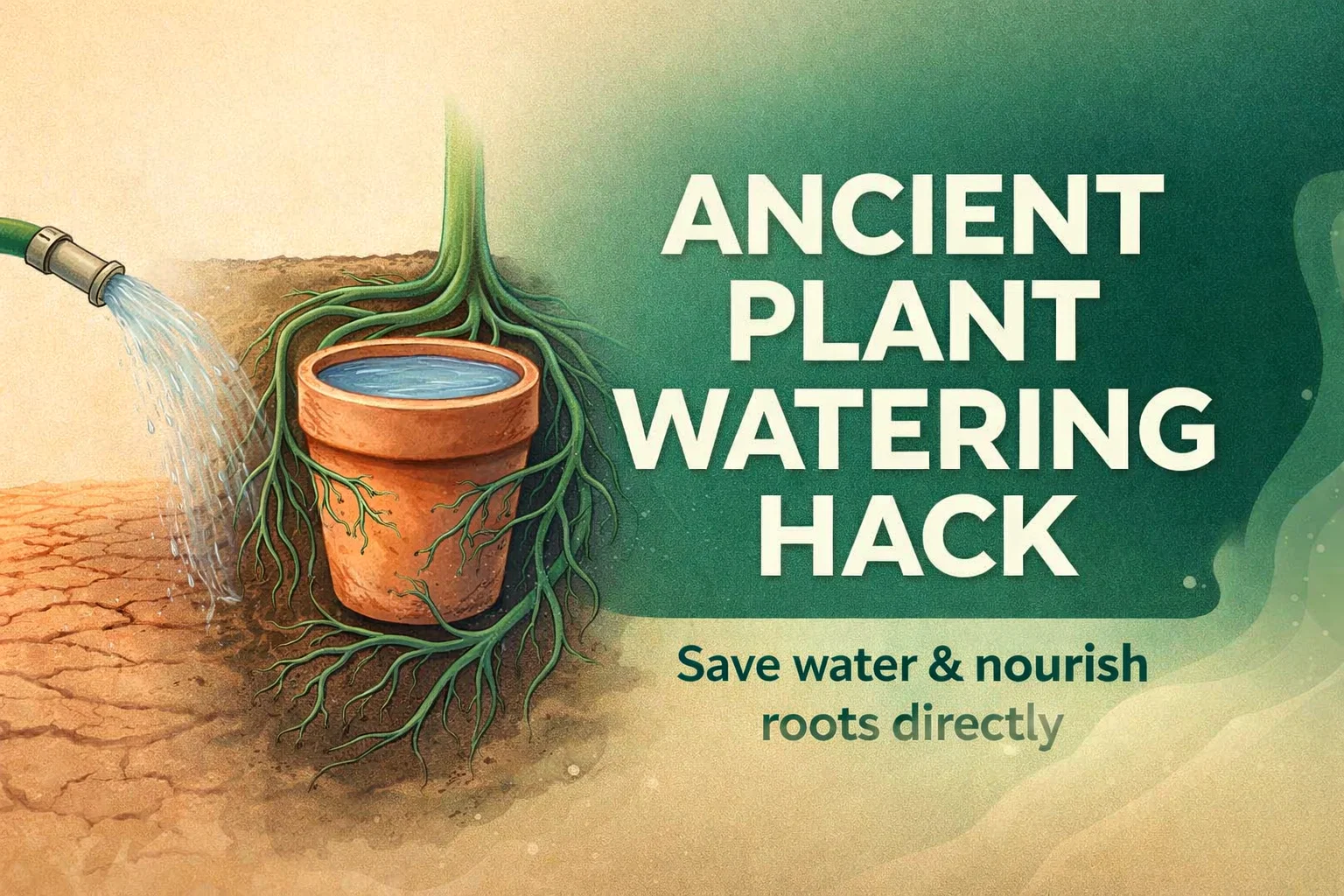
DIY Olla Irrigation Ancient Clay Pot Hack to Save 70 Water in Your Garden
Are you tired of seeing your garden struggle during the hot summer months despite your best efforts with a garden hose? It feels like a constant battle against the sun, where most of the water you pour onto the soil simply evaporates into the air before it ever reaches the roots. This common gardening frustration has a remarkably simple, ancient solution that is making a massive comeback in modern sustainable landscapes. It is called Olla irrigation, and it is about to change the way you think about watering forever.
The concept is beautifully simple. Instead of watering from the top down, you bury a porous clay pot in the ground and fill it with water. This method, which has been used for thousands of years in arid regions across the globe, allows plants to take exactly what they need, exactly when they need it. By shifting your perspective from watering the surface to feeding the roots directly, you can save up to 70 percent of your water usage while growing healthier, more resilient plants.
The Science of Suction and Soil Moisture
To understand why a buried clay pot is so effective, we have to look at the physics of soil moisture. Traditional surface watering relies on gravity to pull water down through the dirt. Along the way, much of that moisture is lost to evaporation, or it runs off the surface if the ground is too hard. Even worse, surface watering often encourages shallow root growth because the plants learn that the moisture stays near the top.
Olla irrigation works through a process called soil moisture tension. Because the clay pot is unglazed and porous, water molecules slowly seep through the walls of the vessel. When the surrounding soil is dry, it creates a suction effect that pulls water out of the pot. As the soil becomes saturated, the tension decreases and the water flow slows down. This creates a self regulating system where the plants essentially water themselves based on the current environmental conditions.
Encouraging Deep Root Systems
One of the most significant benefits of this ancient hack is how it transforms the root architecture of your garden. Plants are smart. They will grow toward the most reliable source of moisture. When you have a buried reservoir, the roots of your tomatoes, peppers, and melons will actually wrap themselves around the clay pot. This deep root system makes the plants much more stable and better equipped to handle heat waves or brief periods where you might forget to refill the reservoir.
How to Set Up Your Own Olla System
Implementing this system in your backyard or raised bed is a straightforward DIY project that requires very little investment. While you can buy specially designed Olla pots from garden centers, you can also make your own using standard terracotta pots found at any hardware store. The key is ensuring the clay is unglazed so that the water can actually pass through the material.
To start, you will need a terracotta pot and a way to seal the drainage hole at the bottom. Many gardeners use a waterproof silicone or a simple rubber stopper. Once the hole is plugged, bury the pot in your garden bed, leaving just the top rim exposed above the soil surface. This prevents dirt from falling inside and gives you easy access for refilling. Space your plants around the pot, usually within a radius of 12 to 18 inches, depending on the size of the vessel.
Maintenance and Best Practices
Maintaining an Olla system is significantly less work than traditional watering, but it does require some attention. You should check the water level every few days, especially during peak summer heat. A simple way to do this is to peek inside or use a wooden dowel as a dipstick. It is also vital to keep the top of the pot covered with a lid or a flat stone. This prevents mosquitoes from breeding in the standing water and keeps debris out.
- Check for Cracks: Before the first hard frost of winter, it is usually best to dig up your clay pots. Because terracotta is porous, water trapped inside the walls can freeze and expand, causing the pot to shatter.
- Keep it Clean: Over time, minerals from your water or fine soil particles might clog the pores of the clay. Giving the pots a quick scrub with a vinegar solution once a year can keep them functioning at peak efficiency.
- Mulch is Your Friend: Even though the water is underground, adding a layer of mulch on top of your garden bed will further protect the soil and keep the area around the Olla cool.
Why This Method is a Win for the Environment
In an era where water conservation is becoming increasingly critical, finding ways to reduce our footprint in the garden is essential. Traditional sprinklers are notoriously inefficient, often losing a huge percentage of water to wind drift and evaporation. Even drip irrigation systems can suffer from clogs and leaks that go unnoticed for weeks. The buried clay pot eliminates these issues by keeping the water contained until the moment it is needed by the plant.
Furthermore, because the surface of the soil stays relatively dry, you will likely notice a significant decrease in weed growth. Most weed seeds need light and surface moisture to germinate. By keeping the moisture deep underground near the roots of your desired plants, you deny those pesky weeds the conditions they need to thrive. This means less time spent weeding and more time enjoying your harvest.
Perfect Plants for Olla Irrigation
While almost any plant can benefit from consistent moisture, some varieties are particularly well suited for this type of setup. Large, thirsty vegetables and leafy greens tend to show the most dramatic results. If you are planning your garden layout, consider placing these regulars around your buried pots:
Tomatoes and Peppers
These garden staples are famous for being finicky about watering. Inconsistent moisture can lead to blossom end rot or cracked fruit. The steady, slow release of water from an Olla provides the perfect environment for these plants to produce heavy yields of high quality vegetables without the stress of a dry-wet cycle.
Cucurbits and Melons
Squash, cucumbers, and watermelons have massive leaves that transpire a lot of moisture. They often wilt in the afternoon sun even if the soil is damp. Having a direct line to a water source allows their extensive root systems to keep up with the demands of their foliage, resulting in crisp cucumbers and sweet, juicy melons.
Common Myths About Clay Pot Irrigation
Despite being a tried and true method, there are several misconceptions that might stop people from trying it. One common myth is that the water will just pour out of the pot immediately. In reality, the movement of water is quite slow and is governed by the needs of the soil. If your soil is already wet from a recent rain, the water stays in the pot. It is a smart system that responds to the environment.
Another concern is that the pots take up too much space in the garden bed. While they do occupy some volume, the increased yield and health of the surrounding plants more than make up for the lost square footage. In fact, you can often plant more densely around an Olla because the competition for water is reduced. Every plant gets its fair share without the gardener having to micro manage each individual seedling.
Saving Money While Saving the Planet
Beyond the environmental impact, Olla irrigation is incredibly budget friendly. Water bills can skyrocket during the growing season, especially in drier climates. By cutting your usage by more than half, the system pays for itself in just one or two seasons. Additionally, because your plants are healthier and less stressed, you are less likely to spend money on replacements or expensive fertilizers and pest treatments that are often needed for struggling gardens.
There is also a wonderful sense of self sufficiency that comes with using ancient techniques. Relying on simple materials like clay and water feels much more grounded than using complex plastic timers and electronic sensors. It connects us to the history of agriculture and reminds us that sometimes the best solutions are the ones that have been around for millennia.
Conclusion: Transform Your Garden Today
The transition to Olla irrigation is one of the most rewarding changes you can make in your gardening journey. It honors the needs of the plant, respects the value of our water resources, and simplifies your daily chores. Imagine a summer where you spend less time standing with a hose and more time harvesting fresh produce from plants that look vibrant and happy even in the heat of the day.
Whether you are a seasoned pro with a sprawling backyard or a beginner with a few raised beds, the buried clay pot is a tool that belongs in your kit. It is an invitation to work with nature rather than against it. By stopping the practice of watering the air and starting the practice of feeding the roots, you are setting your garden up for long term success. Grab a few terracotta pots, find a spot in your garden, and start your own ancient hydration hack this weekend. Your plants will thank you for it.