Food Cravings Chart Decode What Your Body Actually Needs
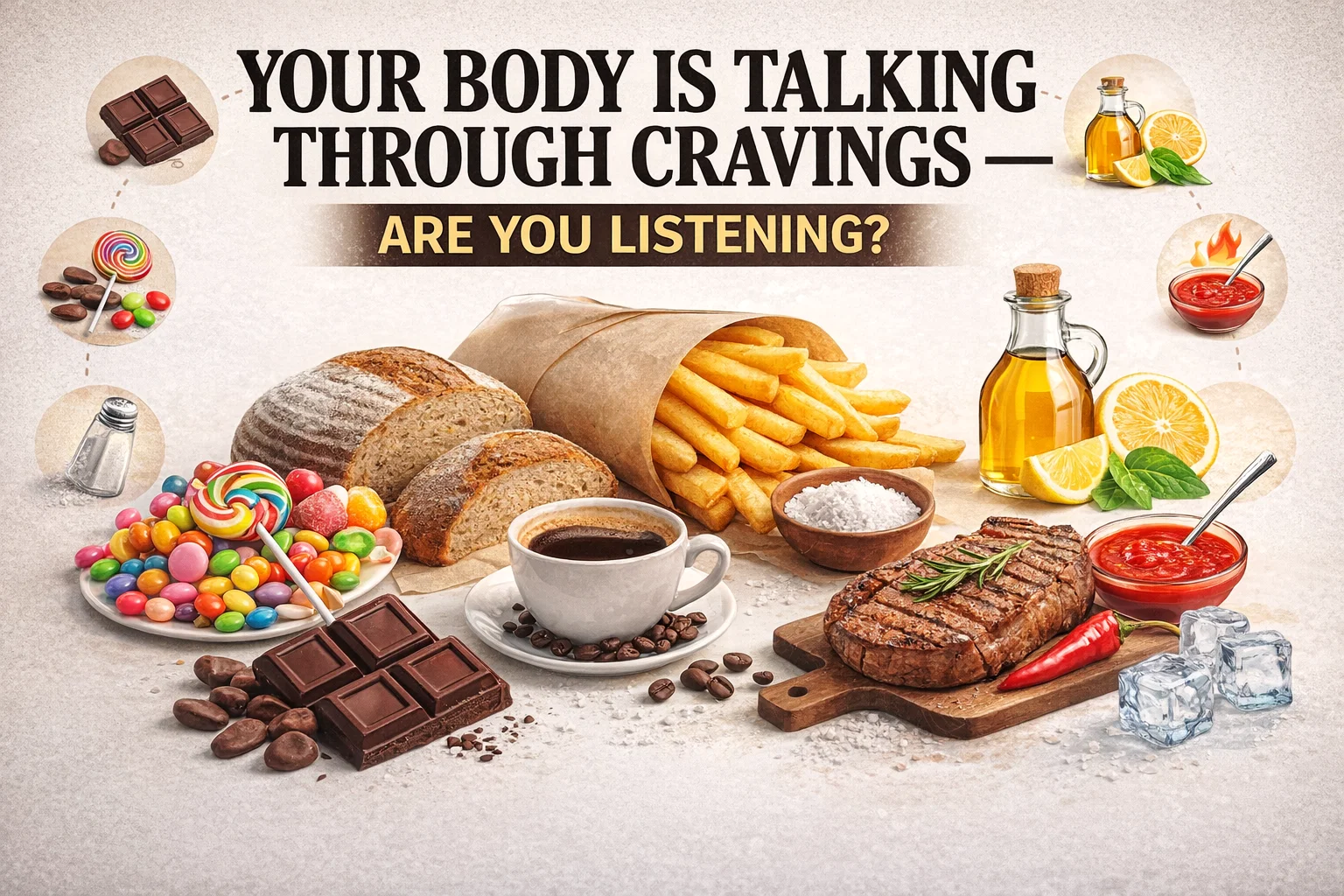
Have you ever found yourself staring into the pantry late at night, overwhelmed by an intense desire for a specific snack? You are definitely not alone in this experience. Many of us encounter intense food cravings and immediately feel a sense of guilt, assuming we just lack willpower or discipline. But what if those sudden, overpowering urges for salty fries, rich chocolate, or a sugary treat are actually your body trying to communicate with you? From a holistic perspective, cravings are not weaknesses to be conquered or ignored. They are vital, instructive messages. Your body possesses a profound innate wisdom, and when it runs low on essential minerals, vitamins, or energy, it sends out distress signals in the form of very specific food desires. By learning to decode this unique language, you can address the root cause of your cravings and nourish yourself on a much deeper, more sustainable level.
Decoding the Language of Your Body
For decades, diet culture has taught us to suppress our appetites and fight our natural urges. However, modern nutritional science and traditional natural wellness practices agree that our bodies are constantly striving for homeostasis, which is a state of internal balance. When you lack a specific nutrient, your brain triggers a craving for the foods that contain it. Unfortunately, in our modern food environment, these signals often get crossed. We might need a vital mineral, but our brain directs us toward highly processed comfort foods that offer a quick fix rather than genuine nourishment. The key to lasting health is learning how to pause, interpret the craving, and supply your body with the wholesome, natural remedies it actually needs.
The Sweet and Salty Signals
Chocolate Cravings: A Cry for Magnesium
Let us start with one of the absolute most common cravings in the world. When you desperately need a piece of chocolate, your body is likely crying out for magnesium. Magnesium is a crucial, foundational mineral responsible for over three hundred biochemical reactions in the human body. It plays a massive role in muscle relaxation, cellular energy production, and nervous system regulation. When you are experiencing stress overload, your body burns through its magnesium stores at an alarming rate. Your brain knows that cacao is a rich, natural source of this calming mineral, hence the intense craving. Additionally, chocolate triggers the release of feel good neurotransmitters like dopamine and serotonin, making it a natural choice when you have a deep need for comfort. Instead of fighting it, try reaching for high quality dark chocolate with a high cacao percentage. You can also incorporate more magnesium rich foods into your daily routine, such as pumpkin seeds, dark leafy greens, and gentle herbal infusions like oatstraw or nettle to build your mineral reserves naturally over time.
Sugar and Sweets: Riding the Energy Rollercoaster
The intense pull towards brightly colored candies, sweet pastries, or sugary drinks almost always points to an energy crisis within the body. If you are experiencing constant energy crashes throughout the day, your body actively looks for the absolute fastest fuel available, which is simple sugar. This specific craving can also indicate a deficiency in chromium, a vital trace mineral that helps your body regulate blood sugar levels and insulin response. Furthermore, we cannot ignore the powerful aspect of emotional eating. Sweets provide a temporary, rapid dopamine hit that successfully soothes emotional distress in the short term. To break this exhausting cycle, you must focus on stabilizing your baseline energy. Incorporate complex carbohydrates, plenty of fiber, and quality proteins into your meals. This slows down the absorption of glucose, preventing the severe spikes and inevitable crashes that leave you reaching for the candy bowl every afternoon.
Shutterstock
Explore
Salty Foods: Hydration and Adrenal Support
Reaching for the potato chips, salted pretzels, or craving heavily salted meals is a classic sign of a mineral imbalance, specifically involving the delicate ratio of sodium and potassium. It can also be a major red flag for cellular dehydration. Drinking plain water alone is not always enough to fully hydrate you; your cells require electrolytes to pull that water inside and utilize it effectively. Furthermore, chronic, unrelenting stress can lead to adrenal fatigue. Your adrenal glands are responsible for producing hormones like cortisol and aldosterone. Aldosterone specifically helps regulate your sodium levels. When your nervous system is overworked and your adrenals are exhausted, your body loses sodium rapidly, prompting a powerful, undeniable craving for salt.
Supporting your adrenal health with proper, restorative rest and incorporating gentle adaptogenic plants like ashwagandha or holy basil can make a world of difference in calming these intense salty cravings.
Comfort Foods and Rich Flavors
Bread and Carbohydrates: Seeking Serotonin
A strong, persistent desire for a warm loaf of bread, a bagel, or a big comforting bowl of pasta often goes far beyond simple physical hunger. Carbohydrates are absolutely instrumental in the body’s production of serotonin, which is the neurotransmitter directly responsible for feelings of well being, calmness, and happiness. If you are currently dealing with low serotonin levels, poor sleep quality, or frequent blood sugar dips, your brain will naturally urge you to consume heavy carbohydrates as an attempt to self medicate and boost your mood. To support your body without constantly riding the carbohydrate rollercoaster, ensure you are getting enough high quality sleep. You can also consider naturally supporting your serotonin levels by consuming foods rich in tryptophan, such as turkey, oats, bananas, and tart cherries, which help your body synthesize this crucial mood boosting chemical naturally.
Cheese and Dairy: Calcium and Healthy Fats
Dairy cravings, particularly for rich, aged cheeses, often indicate a systemic need for healthy fats and bioavailable calcium. Cheese is incredibly dense in essential nutrients that support bone density, nerve function, and provide long lasting, sustained energy. There is also a fascinating psychological and chemical component at play here. Cheese contains a protein called casein. During the digestion process, casein breaks down into compounds called casomorphins. These unique compounds actually attach to dopamine receptors in your brain, making cheese a literal comfort food for dopamine seeking individuals. If you find yourself frequently overindulging in dairy to chase that comforting feeling, try looking for alternative, plant based sources of healthy fats like avocados, walnuts, or chia seeds to satisfy that deep nutritional requirement while giving your digestive system a break.
Red Meat: Iron and B12 Reserves
When you absolutely cannot stop thinking about a juicy steak or a hearty beef stew, your body is likely running critically low on iron or vitamin B12. This is especially true if your intense meat cravings are accompanied by physical fatigue, pale skin, or general muscle weakness. Iron is an essential building block for creating hemoglobin, the protein in red blood cells that carries life giving oxygen throughout your entire body. Without enough iron, your cellular energy plummets dramatically. Instead of ignoring this very clear, primitive signal, ensure you are consciously incorporating iron rich foods into your weekly diet. If you prefer a more plant based or holistic approach to wellness, be sure to consume plenty of dark leafy greens, lentils, and beans, always paired with a source of vitamin C like lemon juice or bell peppers to maximize your body’s ability to absorb the non heme iron.
The Niche Cravings You Should Not Ignore
Shutterstock
Sour Foods and Vinegar: Digestive Fire
Craving pickles, sour candies, lemons, or vinegar based dressings is a fascinating phenomenon because it usually points directly to the state of your digestive system. A strong desire for tart and sour flavors often indicates sluggish digestion or chronically low stomach acid. Adequate stomach acid is absolutely necessary for breaking down heavy proteins, neutralizing pathogens, and extracting vital minerals from your food. When your stomach acid is running low, your body naturally craves highly acidic foods to help the digestive process along.
Incorporating digestive bitters, eating bitter greens like arugula before a meal, or enjoying a small splash of raw, unpasteurized apple cider vinegar in water can safely and naturally stimulate your digestive fire, helping your body process meals with much greater ease.
Spicy Foods: Circulation and Metabolism
If you are the type of person constantly reaching for the hot sauce or craving fiery curries, your body might be directly asking for a systemic circulation boost. Spicy foods contain active compounds like capsaicin, which naturally increase your heart rate, promote healthy sweating, and dramatically stimulate blood flow. This specific craving frequently arises if you are dealing with sinus congestion, whether from a seasonal cold or environmental allergies, as the intense heat helps thin mucus and clear your airways. It can also indicate a temporarily slow metabolism. The warming, stimulating nature of spicy foods helps invigorate your entire system, making it a brilliant, natural remedy when you are feeling physically stagnant or lethargic.
Nut Cravings: The Need for Healthy Fats
Craving a massive spoonful of peanut butter or a large handful of roasted almonds is another clear sign that your body is actively seeking healthy, dense fats and potentially struggling with a mild magnesium deficiency. Nuts and seeds are incredible nutritional powerhouses, packed tightly with the dense, slow burning energy your body requires to endure long stretches between meals. They provide a highly stable fuel source that prevents blood sugar crashes while also delivering essential fatty acids that support brain health and lower systemic inflammation.
Energy and Temperature Quirks
Coffee: The Exhausted Nervous System
We all love the comforting ritual of a morning cup of coffee, but if you feel a desperate, uncontrollable, and frantic craving for caffeine throughout the day, it is often a glaring sign of a deeply exhausted nervous system. A constant reliance on caffeine is frequently used as a temporary band aid to mask poor sleep quality, chronic daytime fatigue, and underlying cellular dehydration. Coffee forces your adrenal glands to release adrenaline and cortisol, giving you a fake, borrowed surge of energy. Over time, this constant stimulation completely drains your natural energetic reserves. If you are caught in this exhausting loop, it is absolutely crucial to gradually reduce your intake and focus intensely on deep mineral hydration and restorative sleep to allow your nervous system to heal naturally.
Ice and Very Cold Foods: A Surprising Sign of Anemia
Craving ice, a medical condition known as pagophagia, is a very specific, often overlooked, and surprising sign of a possible iron deficiency. It is a highly common symptom in individuals suffering from anemia, and is almost always accompanied by severe, unexplainable fatigue. While the physical act of chewing on frozen ice provides a temporary boost in mental alertness by pushing more blood flow up to the brain, it certainly does not solve the dangerous underlying mineral deficiency. If you find yourself constantly chewing on ice cubes from your drinks or craving frozen treats in the middle of winter, it is a very clear, urgent indicator that you need to evaluate your iron levels and support your overall blood health immediately.
Conclusion: Trusting Your Body
Learning how to actively listen to your body is undeniably one of the most empowering and transformative steps you can possibly take on your personal wellness journey. Instead of viewing your food cravings as the enemy or as a sign of personal failure, begin to view them as a incredibly detailed roadmap to your unique nutritional needs. The next time a sudden, intense urge for a specific food hits you out of nowhere, take a mindful pause. Refer back to these physical signals and ask yourself what your body is truly asking for. By responding to your body with the wholesome, natural nutrients it actually requires, you cultivate a beautiful, harmonious relationship with your physical health. Nourish yourself deeply, trust your innate biological wisdom, and always remember that true, lasting wellness comes from understanding and supporting your body naturally.