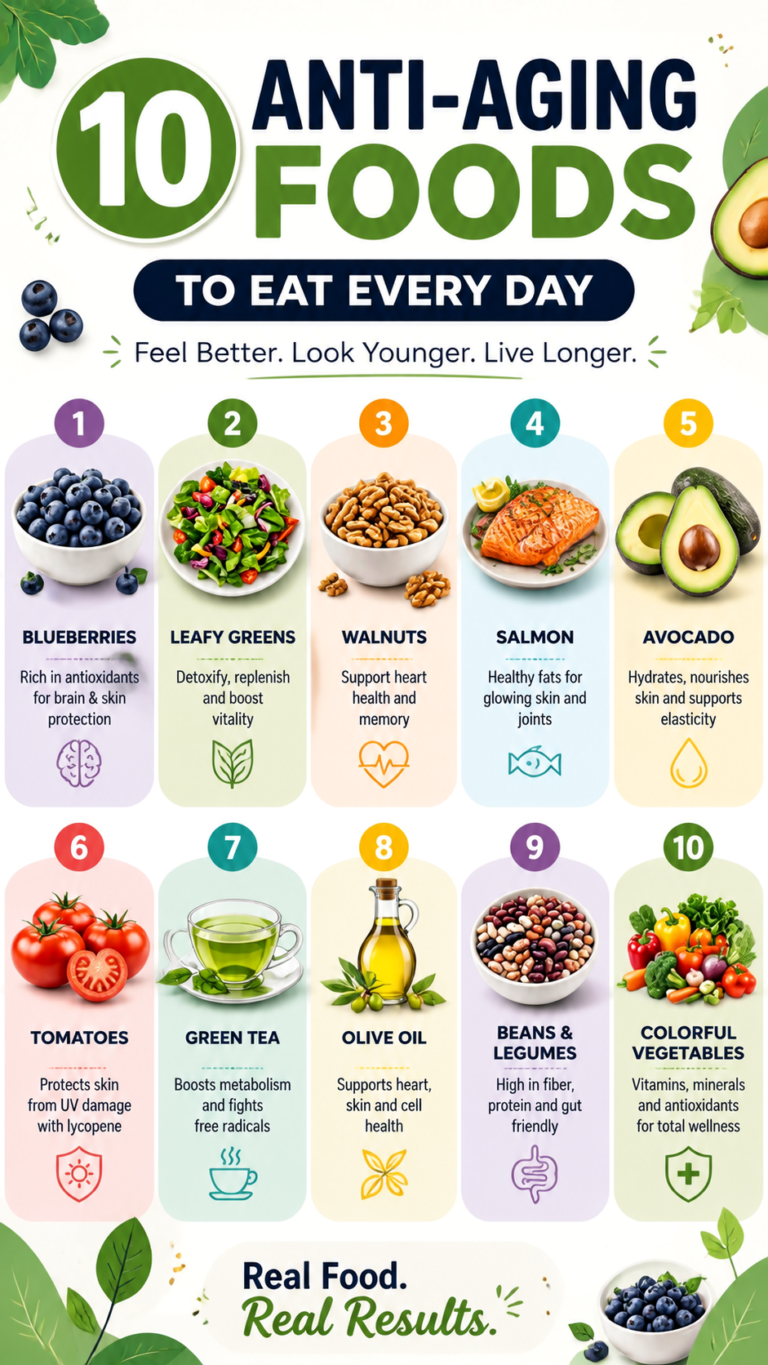
Foods That Naturally Support Organ Health Best Detox Foods for Body Wellness
Many people are interested in foods that may help support overall wellness and healthy body functions. Nutrient-rich fruits, vegetables, herbs, and plant-based ingredients are often highlighted for their potential role in maintaining the health of various organs. While no single food can “clean” or “detox” an organ on its own, a balanced diet filled with whole foods can provide essential nutrients that help the body perform its natural processes efficiently.
The body already has highly sophisticated systems that help process waste, manage nutrients, and maintain internal balance. Supporting these systems through healthy eating, hydration, regular exercise, and adequate sleep can make a significant difference in overall well-being.
Key Takeaways
- Whole foods provide nutrients that support normal body functions.
- Colorful fruits and vegetables offer vitamins, minerals, and antioxidants.
- Hydration plays a major role in supporting healthy organs.
- A balanced diet is more effective than relying on a single “superfood.”
- Healthy lifestyle habits work together with good nutrition.
- Consistency matters more than short-term detox trends.
Understanding Organ Health and Nutrition
Every organ in the body performs a specialized function. The brain processes information, the liver helps metabolize nutrients, the kidneys regulate fluid balance, the lungs deliver oxygen, and the digestive system absorbs nutrients while eliminating waste.
Nutrition serves as the foundation for these processes. Foods rich in vitamins, minerals, antioxidants, fiber, and healthy fats can contribute to normal bodily functions and help support long-term health goals.
Important: No food can instantly detoxify an organ. Healthy organs naturally perform cleansing and filtering functions every day. A nutritious diet helps provide the resources these systems need to operate effectively.
Foods Commonly Associated with Blood Health
Several nutrient-dense foods are often recommended as part of a balanced diet that supports healthy blood circulation and overall cardiovascular wellness.
Beets
Beets contain naturally occurring nitrates that may support healthy blood flow. They also provide folate, fiber, and antioxidants that contribute to overall nutrition.
Pomegranate
Pomegranate is known for its rich antioxidant content. The fruit provides vitamin C and beneficial plant compounds that make it a popular choice in many wellness-focused diets.
Garlic
Garlic has been used in traditional cuisines around the world for centuries. It contains sulfur compounds that have attracted interest for their potential health-supporting properties.
Nourishing the Brain Through Diet
The brain requires a steady supply of nutrients to support concentration, memory, and overall cognitive performance. A diet rich in healthy fats, antioxidants, and vitamins may help support brain health over time.
Blueberries
Blueberries are often celebrated for their antioxidant content. These compounds help protect cells from oxidative stress and make blueberries a valuable addition to a balanced eating plan.
Walnuts
Walnuts contain omega-3 fatty acids, healthy fats, and several important minerals. They are frequently included in diets focused on supporting cognitive wellness.
Turmeric
Turmeric contains curcumin, a naturally occurring compound that has become widely recognized in nutritional discussions. It is commonly used in cooking and wellness recipes.
Expert Insight
Rather than focusing on a single ingredient, aim to build meals that combine colorful vegetables, fruits, healthy fats, and quality protein sources. Dietary patterns consistently have a greater impact on wellness than individual foods.
Foods Often Linked to Eye Health
Vision health is closely connected to nutrition. Certain nutrients help maintain normal eye function and are commonly found in colorful vegetables.
Carrots
Carrots are rich in beta-carotene, which the body converts into vitamin A. This nutrient plays an important role in maintaining normal vision.
Kale
Kale contains lutein and zeaxanthin, plant compounds often associated with eye health. It also provides vitamins K, C, and A.
Sweet Potatoes
Sweet potatoes are another excellent source of beta-carotene. Their natural sweetness and versatility make them easy to include in healthy meal plans.
Supporting Digestive Wellness
The digestive system benefits from foods that provide hydration, fiber, and nutrients that contribute to normal gut function.
Aloe Vera
Aloe vera is commonly discussed in wellness circles. While its use varies, many people appreciate it as part of a broader healthy lifestyle approach.
Cucumber
Cucumbers have a high water content and can contribute to daily hydration goals. Staying hydrated is an important aspect of digestive health.
Green Apples
Green apples provide fiber and beneficial plant compounds. Fiber supports digestive regularity and contributes to feelings of fullness.
Pro Tip: Increasing fiber intake gradually while drinking enough water can help the digestive system adapt comfortably and support long-term gut health.
Kidney-Friendly Nutritional Choices
The kidneys play a vital role in regulating fluid balance and filtering waste products. Hydration and a balanced diet can support their normal function.
Cranberries
Cranberries are frequently associated with urinary tract wellness. They also contain antioxidants and vitamin C.
Celery
Celery is low in calories and contains water, fiber, and a range of beneficial nutrients that can complement healthy eating habits.
Cucumber
The hydration benefits of cucumbers make them a popular ingredient in refreshing meals and snacks.
Foods Often Highlighted for Liver Wellness
The liver is one of the body’s most hardworking organs. It participates in nutrient processing, energy storage, and numerous metabolic functions.
Beets
Beets provide antioxidants and naturally occurring compounds that make them a favorite in many liver-supportive eating plans.
Lemon
Lemons add flavor without excess calories and provide vitamin C. Many people enjoy starting the day with lemon-infused water as part of their hydration routine.
Turmeric
Turmeric continues to be one of the most widely discussed spices in wellness-focused nutrition due to its unique plant compounds.
Nutritional Support for Lung Health
Lung health is influenced by many factors, including environment, physical activity, and nutrition. Certain foods are commonly associated with respiratory wellness.
Pineapple
Pineapple contains vitamin C and bromelain, an enzyme that contributes to its popularity in wellness discussions.
Ginger
Ginger has long been valued in traditional cooking and herbal practices. It adds flavor while providing naturally occurring bioactive compounds.
Garlic
Garlic appears frequently in nutrition recommendations because it offers both culinary versatility and valuable plant compounds.
Important: Long-term wellness is built on consistent habits. A nutrient-rich diet, regular movement, stress management, quality sleep, and hydration all work together to support healthy organs.
Building a Daily Organ-Friendly Eating Plan
You do not need complicated detox programs to support your body. Instead, focus on simple habits that can be maintained consistently.
- Fill half your plate with colorful vegetables.
- Include fruits rich in vitamins and antioxidants.
- Choose whole foods whenever possible.
- Drink water regularly throughout the day.
- Limit highly processed foods and excessive added sugars.
- Include healthy fats from nuts, seeds, and plant-based sources.
- Aim for variety to obtain a broader range of nutrients.
The Power of Consistency
Many people search for quick fixes, but sustainable health improvements usually come from daily choices. Consistent consumption of nutrient-dense foods creates a foundation that supports overall wellness over time.
Small changes often produce the best long-term results. Adding an extra serving of vegetables, replacing sugary snacks with fruit, or choosing water over sweetened beverages can make a meaningful difference when practiced consistently.
At a Glance
- Whole foods support healthy body functions.
- Hydration is essential for multiple organs.
- Antioxidant-rich foods provide valuable nutrients.
- Fiber supports digestive wellness.
- Consistency beats short-term detox approaches.
Conclusion
Foods such as beets, blueberries, walnuts, carrots, kale, apples, cranberries, lemons, pineapple, ginger, garlic, and turmeric are frequently included in wellness-focused nutrition plans because they provide valuable nutrients and beneficial plant compounds. While no single food can cleanse or detoxify an organ on its own, a balanced diet rich in whole foods can help support the body’s natural processes.
By focusing on variety, hydration, fiber, and nutrient density, you can create eating habits that contribute to overall health and well-being. The most effective approach is not a temporary cleanse but a sustainable lifestyle built around nourishing foods and healthy daily routines.
Tags
Organ Health Healthy Eating Natural Wellness Detox Foods Nutrition Tips Superfoods Healthy Lifestyle Whole Foods