Funny Coping Mechanism Memes Relatable Humor Social Isolation Quotes
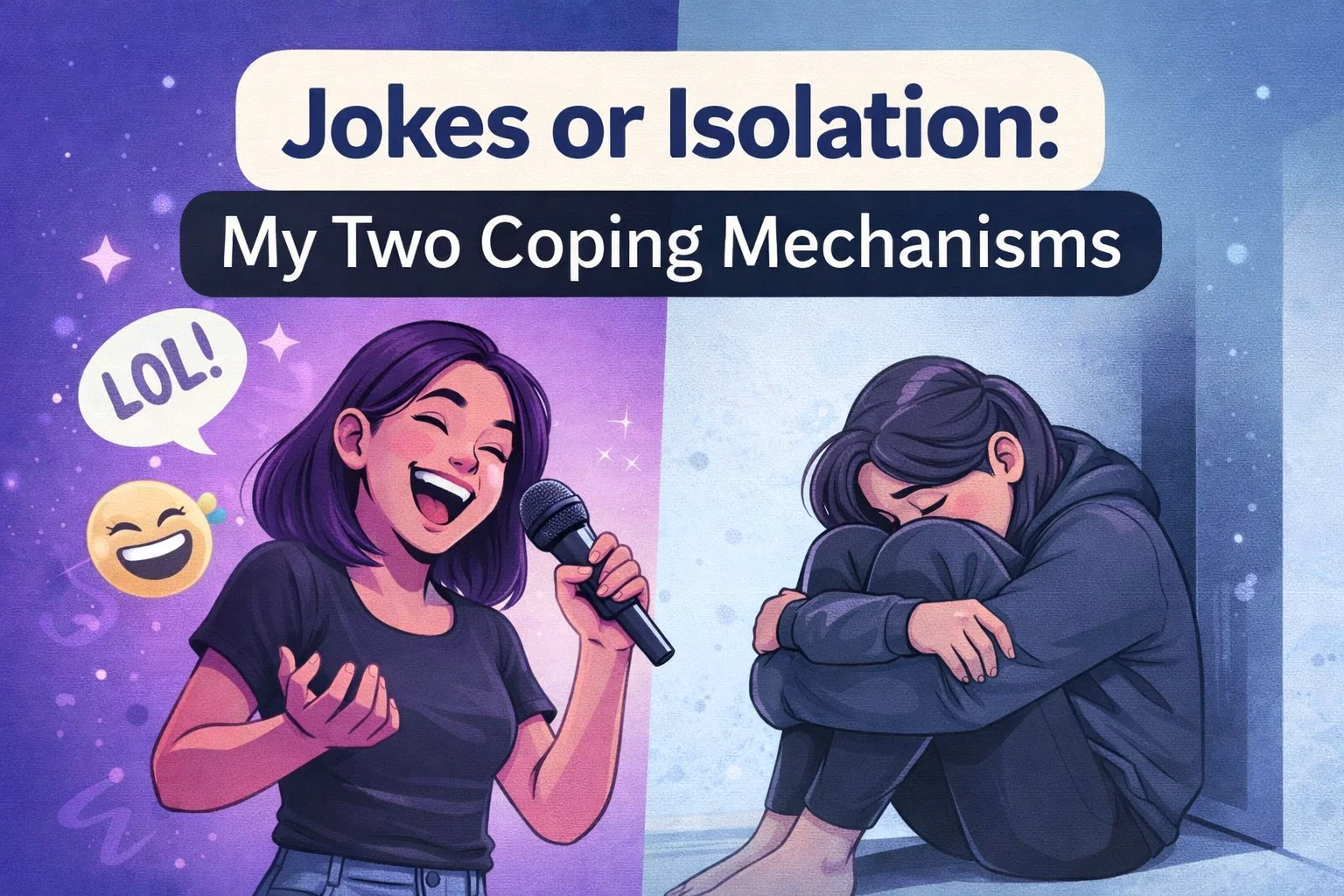
We have all been there. You are facing a mountain of stress, a socially awkward situation, or a personal hurdle that feels just a bit too high to climb. In that moment, your brain flicks a switch. For some, that switch leads directly to a stand-up comedy routine where every worry is wrapped in a punchline. For others, the switch triggers a total blackout, a retreat into the sanctuary of isolation where the world cannot reach you. This binary existence of cracking jokes or complete isolation is more than just a funny observation on social media; it is a profound look into how the modern human mind navigates the complexities of emotional survival.
The Psychology of the Two-Pronged Defense
Why is it that we often oscillate between being the loudest person in the room and the one who has not answered a text message in three days? Psychologically speaking, these are two sides of the same coin. Humor and isolation are both protective layers. Humor acts as a shield, a way to deflect pain by transforming it into something palatable for others. Isolation, on the other hand, is the fortress. It is the place where we go to recharge when the shield becomes too heavy to carry. Understanding this “no in between” lifestyle helps us realize that these behaviors are not personality flaws, they are sophisticated survival tools.
Humor as a Social Shield
When we use humor to cope, we are engaging in what psychologists often call “affiliative” or sometimes “self-enhancing” humor. By making light of a dark situation, we strip that situation of its power. If you can laugh at a problem, the problem feels smaller. It creates a temporary sense of control in a world that often feels chaotic. Moreover, humor is a social lubricant. It tells the people around us that we are okay, even when we are not, effectively preventing them from digging too deep into our actual emotional state.
The Silent Sanctuary of Isolation
Then comes the flip side: the sudden, total withdrawal. When the jokes stop landing or the energy required to maintain the “funny friend” persona evaporates, isolation takes over. This is not necessarily about being anti-social. Rather, it is about emotional conservation. For many, isolation is the only way to process feelings without the external pressure of performance. In the quiet of our own space, we do not have to be “on.” We do not have to translate our pain into a witty remark. We can simply exist with it.
The Relatability of the Meme Culture
The image of a simple tweet expressing this sentiment resonates so deeply because it captures a universal truth of the digital age. We live in a world of constant performance. Social media demands that we are always engaged, always reacting, and always “fine.” When we see a post that admits to these extreme coping mechanisms, it provides a sense of communal relief. It says: I see you, and I am doing the exact same thing.
High Functioning Humor vs. Necessary Retreats
It is important to distinguish between healthy coping and burnout. Using a joke to diffuse a tense moment is a high-functioning social skill. Taking a weekend off to be alone and read a book is a necessary retreat for mental health. The “no in between” phenomenon usually occurs when these two are the only tools in the box. If we are always joking, we never truly heal. If we are always isolating, we lose our connection to the support systems that help us grow.
Finding the Gray Area
While the meme suggests there is no middle ground, the goal of emotional maturity is often finding that elusive “in between.” This involves learning to speak honestly about our feelings without needing a punchline to soften the blow. It also means reaching out to one or two trusted people even when every instinct tells us to hide under the covers. Finding the middle ground does not mean giving up your sense of humor or your love for solitude; it just means adding more colors to your emotional palette.
Why We Identify with the No In Between Mentality
There is a certain comfort in extremes. Being the “funny one” gives you a clear role to play. Being the “isolated one” gives you a clear boundary. The space in the middle is messy. It involves vulnerability, awkward conversations, and the risk of being misunderstood. However, it is also where the most significant personal growth happens. By acknowledging our tendency to jump between these two poles, we can start to observe our patterns with kindness instead of judgment.
The Role of Digital Fatigue
Modern technology has exacerbated this binary. We are “on” when we are on our phones, replying to pings and staying updated. The only perceived alternative is to go “off-grid.” This digital exhaustion makes the jump from “constant joking in the group chat” to “putting the phone on airplane mode for a week” feel like a logical progression. We are searching for a balance that the digital world does not naturally provide.
Building a Sustainable Emotional Toolkit
If you recognize yourself in this description, you are certainly not alone. The first step to broadening your coping mechanisms is self-awareness. Notice when you are using a joke to avoid a difficult question. Notice when you are withdrawing because you feel overwhelmed by the needs of others. Once you see the pattern, you can start to experiment with small changes.
- Practice Micro-Vulnerability: Try telling a friend “I am actually having a tough day” without following it up with a self-deprecating joke.
- Scheduled Solitude: Instead of waiting until you are so burnt out that you have to vanish, schedule regular “me-time” to prevent the need for total isolation.
- Active Listening: Sometimes, instead of being the one providing the entertainment, just be the one who listens. It takes the pressure off you to perform.
The Strength in Self-Awareness
Ultimately, being someone who cracks jokes or isolates shows that you have a deep well of empathy and a strong desire for self-protection. You care about how you show up for others, and you care about your own peace. These are valuable traits. The trick is making sure these mechanisms work for you, rather than you working for them. Humor should be a tool for connection, not a wall. Isolation should be a place of rest, not a prison.
Conclusion: Embracing the Full Spectrum
Life is not lived in black and white, even if our coping mechanisms sometimes make it feel that way. Whether you are the life of the party or the person who has been “ghosting” everyone for a week to catch your breath, remember that you are doing your best to navigate a complex world. The “no in between” lifestyle is a valid starting point, but it does not have to be your permanent destination. By embracing the humor and honoring the silence, while slowly stepping into the vulnerable middle ground, you can create a life that feels balanced, authentic, and deeply connected. So, keep the jokes coming when they feel right, take your space when you need it, and do not be afraid to let the world see the real you in the moments between the punchlines and the quiet.
Would you like me to expand on any specific part of this analysis or perhaps provide more tips on balancing these emotional extremes?