Happiness Hormones Guide Natural Ways to Boost Endorphins, Serotonin, Oxytocin Dopamine
Have you ever had one of those days where you feel naturally on top of the world, energized, and ready to tackle anything? Or conversely, a day where you just can’t shake a low mood, despite things going objectively well? The difference often isn’t your external circumstances, but rather your internal chemistry. We’re talking about the famous “happiness hormones”: endorphins, serotonin, oxytocin, and dopamine.
Your body is a complex and beautiful biological machine, constantly synthesizing a cocktail of neurotransmitters and hormones that directly influence your emotions, energy, and overall sense of well-being. Understanding how these chemical messengers work is a major step toward taking control of your mental health. This post isn’t just about the science; it’s about practical, everyday, natural ways you can influence your own internal mood pharmacy. Forget relying on artificial stimulants or waiting for external factors to align. Let’s explore how you can deliberately cultivate a state of natural happiness.
The Four Horsemen of Natural Happiness
To start, let’s get on a first-name basis with the four key players responsible for those coveted feelings of joy, contentment, and satisfaction. Each has a distinct role to play, and a balanced approach—where none are deficient—is the true secret to sustained mental wellness.
Endorphins: Your Natural Pain Relievers and Joy Boosters
Think of endorphins as your body’s built-in opiate system, but without the negative side effects. The term itself is derived from “endogenous morphine,” meaning morphine that comes from within. Their primary role is to mask pain and discomfort, but as a delightful side-effect, they produce feelings of euphoria.
You’ve likely heard of the “runner’s high.” That profound sense of calm and well-being that distance runners experience after a grueling workout is a classic endorphin dump. When your body is under physical stress or even just moderate exertion, it releases endorphins to help you cope, leading to that post-workout bliss.
Serotonin: The Stability and Mood Regulator
Serotonin is the key hormone that stabilizes our mood, feelings of well-being, and happiness. Beyond its role in happiness, it also helps with sleeping, eating, and digesting. Deficiencies in serotonin are strongly linked to depression and anxiety. It’s no wonder many anti-depressant medications (SSRIs) work by increasing serotonin levels in the brain.
Unlike the burst-like nature of endorphins, serotonin provides a baseline level of mood stability. It helps you feel calm, focused, and emotionally balanced throughout the day. Getting enough serotonin is fundamental to avoiding significant emotional highs and lows.
Oxytocin: The Cuddle Hormone and Bonding Molecule
Often called the “cuddle hormone” or “bonding molecule,” oxytocin is all about connection and trust. It plays a significant role in reproductive functions and social behavior, and it is crucial for building relationship bonds.
Whenever you hug someone you care about, spend quality time with a pet, or experience intimate moments, your body is flooded with oxytocin. It’s what gives us that warm, fuzzy feeling and helps us feel secure and connected. This hormone isn’t just about romantic relationships; it’s central to forming friendships and parent-child bonds, making it vital for our social nature.
Dopamine: The Reward and Motivation Molecule
Dopamine is the neurotransmitter responsible for how we feel pleasure. It’s a big part of our unique human ability to think and plan. It helps us strive, focus, and find things interesting. Dopamine is intricately linked with our reward system.
When you accomplish a task, receive praise, or even just look forward to a pleasurable event, your brain releases a burst of dopamine, giving you a surge of satisfaction and motivation. While dopamine can be triggered by less-than-healthy habits (like infinite scrolling on social media), we can absolutely learn to channel it positively by breaking big goals into manageable steps and celebrating small wins.
Daily Rituals to Kick-Start Endorphins
So, how can you naturally and consistently boost these incredible hormones? Let’s break it down by molecule, looking at practical habits you can integrate into your daily life.
Boosting your endorphins is simpler than you think. You don’t need to run a marathon every day. Moderate exercise, especially aerobic activity, is highly effective. Even a brisk 20-minute walk or a quick dance session in your living room can get the job done. The goal is consistent, moderate movement rather than occasional, extreme exertion.
Laughter is another profound, yet simple way to release endorphins. Research shows that both genuine and faked laughter can trigger this chemical release. So, put on your favorite comedy show, call that friend who always makes you chuckle, or spend time doing things that bring you pure joy.
Perhaps most delightfully, a little bit of cocoa or dark chocolate can also give you an endorphin boost. Cocoa contains compounds that can trigger the brain’s feel-good center, and the sheer pleasure of eating it adds to the effect. Moderation is key, of course, but it’s nice to know your chocolate craving can be a positive mood strategy.
Natural Strategies for Consistent Serotonin
Consistency is key when it comes to serotonin. One of the best ways to keep your levels stable is as simple as getting more sunlight. Exposure to natural light triggers the production of serotonin. Try to spend at least 15-20 minutes outside, especially in the morning, or sit by a sunny window. This practice is so effective that it’s often used to treat Seasonal Affective Disorder (SAD).
For some serious self-care, indulge in a hot bath. The warm water and the process of relaxation can significantly boost serotonin and reduce stress hormones. Adding some calming scents, like lavender, can create a powerful, mood-stabilizing ritual.
Lastly, don’t underestimate the power of a healthy diet. Eating a variety of fruit, particularly foods rich in tryptophan, like bananas and pineapple, can directly influence your serotonin levels. Remember, your diet provides the raw materials your brain needs to build these chemicals, so feed your brain the good stuff.
Simple Habits for Connection and Oxytocin
Since oxytocin is the molecule of connection, your strategies should focus on social interactions and feelings of security. One of the most potent boosters is a physical hug. A warm, extended hug can significantly raise oxytocin levels, lowering stress and fostering a sense of trust. Make an effort to give more heartfelt hugs to friends, family, and partners.
Spending quality time with animals is also immensely beneficial. Petting a dog, cat, or even watching fish in an aquarium can boost your oxytocin and lower cortisol levels. The unconditional love from a pet is a massive and overlooked factor in our emotional well-being.
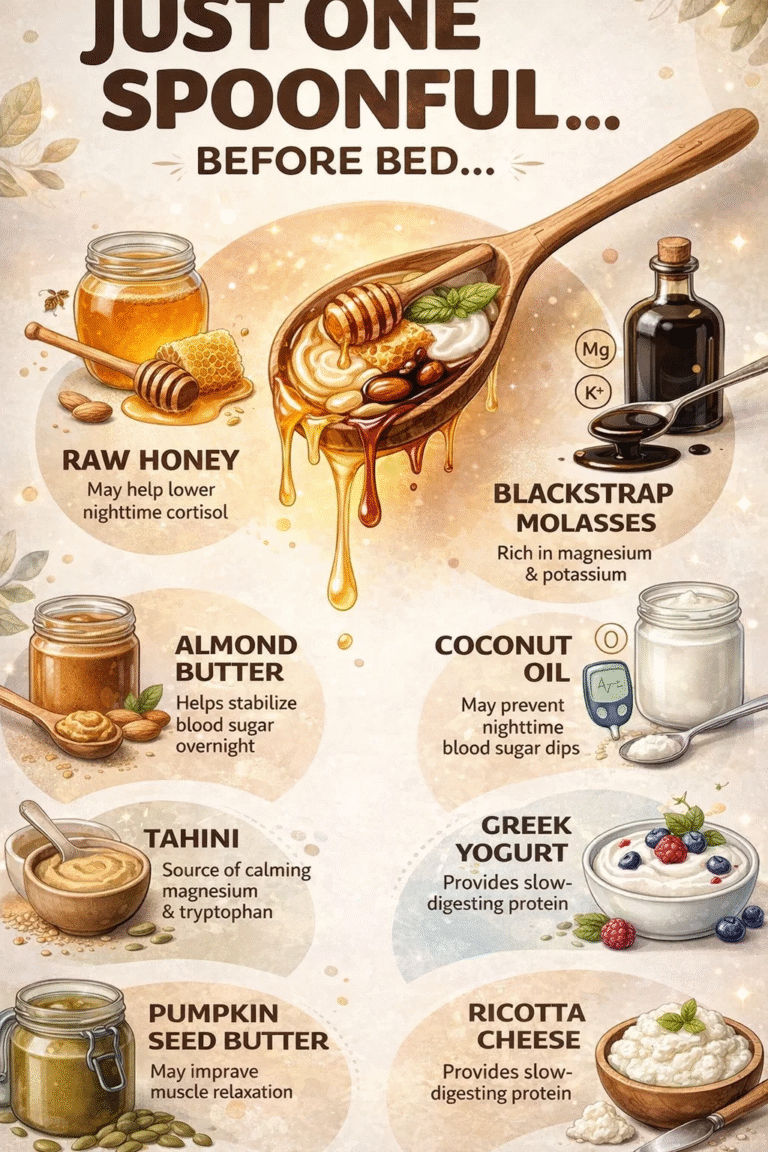
Finally, consuming honey might seem unusual on this list, but some research suggests its potential to positively influence mood-related chemicals, possibly including a slight oxytocin effect. While more studies are needed, incorporating it as part of a balanced diet could have subtle benefits.
Mastering Motivation and Pleasure with Dopamine
Dopamine is all about finding healthy, productive reward loops. A cornerstone practice for dopamine regulation is a dedicated self-care routine. This doesn’t just mean spa days; it means maintaining good sleep hygiene, eating well, meditating, and creating an environment where you feel calm and capable. Accomplishing these foundational health goals provides a steady stream of healthy dopamine hits.
Listening to music is another potent dopamine booster. The simple pleasure of hearing a favorite track or discovering a new piece that resonates with you can trigger a substantial release of this reward chemical. Create playlists that make you feel energized, focused, and happy.
Lastly, don’t forget the power of specific foods. Watermelon is rich in L-Dopa, a direct precursor to dopamine, and its high water and vitamin content helps overall brain health. So, enjoy some refreshing watermelon and know you’re giving your motivation molecules a direct fuel boost.
A Holistic Approach to Mental Wellness
It’s important to remember that these four happiness hormones don’t operate in silos. They work together as part of a complex system. When you’re deficient in one, it can impact the overall harmony of your mood. This is why a holistic approach is so essential. Don’t just focus on one hormone; integrate a variety of these habits to create a balanced biological environment for happiness.
Imagine your ideal day: A morning walk for endorphins and sunlight (serotonin). A productive work block where you celebrate small wins (dopamine). A healthy lunch with fruit (serotonin) and a warm hug for a family member or friend (oxytocin). Maybe an evening bath (serotonin) and listening to great music (dopamine). This isn’t just about fleeting moments of joy; it’s about building a sustainable foundation for well-being.
The Long-Term Impact of Natural Strategies
While some of these tips offer an immediate feel-good effect, their greatest power lies in their long-term impact. Consistently integrating these habits builds emotional resilience. It creates a larger buffer against life’s inevitable stressors, allowing you to bounce back more quickly and with more grace.
Moreover, these natural strategies encourage a deeper awareness of your own mental state. When you start to feel off, you’ll be able to self-diagnose: “I need more sunlight,” or “I’ve been skipping my workouts.” This gives you agency over your emotional health, moving away from a passive state and into an active role as your own mood pharmacist.
The beauty of this approach is its accessibility. Most of these strategies are free or very low-cost. They require time and intention, not a high budget. Natural happiness is, in fact, incredibly democratic. Your body holds the key; all you need to do is provide the right conditions and ingredients.
Final Thoughts
Unlocking your natural state of happiness isn’t a magical secret; it’s a biological process that you have significant influence over. By understanding and deliberately influencing your body’s production of endorphins, serotonin, oxytocin, and dopamine, you are taking a powerful and proactive step toward mental and emotional wellness. Start with one or two habits that feel most authentic to you, and observe the changes in your mood. The journey to natural happiness isn’t a race, but a rewarding path you can walk every single day. Embrace your internal chemistry, treat your body like the incredible machine it is, and discover the deep and sustainable joy of natural well-being.