
Hibiscus Tea Benefits Growing Guide Holistic Wellness Natural Herbal Remedies Tips
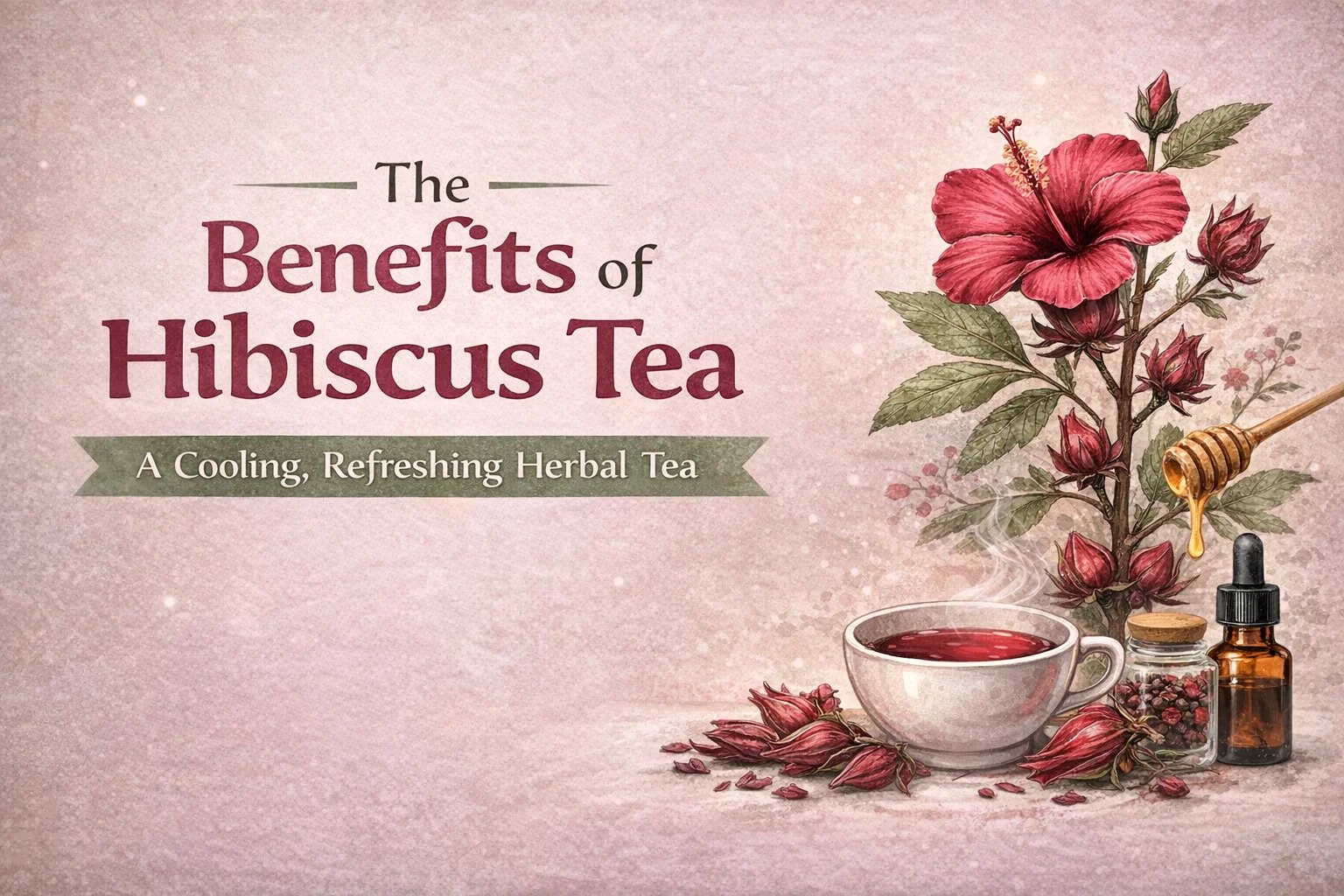
Hibiscus tea is more than just a vibrant, ruby-red drink that looks stunning in a glass. It is a powerhouse of traditional wellness that has been cherished across tropical climates for centuries. If you have ever sipped on a tart, cooling glass of “Roselle” or “Jamaican Sorrel,” you have experienced the refreshing magic of Hibiscus sabdariffa. This plant is a favorite among herbalists and gardeners alike because it offers a unique combination of ornamental beauty and practical, medicinal utility. Whether you are looking to support your heart health or simply want a caffeine-free alternative to your afternoon tea, hibiscus is the botanical ally you have been searching for.
What Exactly is Hibiscus Sabdariffa?
When most people think of hibiscus, they imagine the large, floppy tropical flowers seen on Hawaiian shirts. While those are beautiful, the hibiscus used for tea is a specific species known as Hibiscus sabdariffa, or Roselle. Unlike other varieties where the petal is the star, the real treasure of the Roselle plant is the calyx. The calyx is the firm, red, outer cup that remains after the flower has faded and fallen away. It protects the seed pod and becomes thick, fleshy, and deeply pigmented as it matures.
This plant belongs to the Malvaceae family, which makes it a close relative to okra and marshmallow root. You can actually see the resemblance in the way the flowers grow and the slightly mucilaginous quality of the plant. Because it is a tropical species, it thrives in heat and humidity, making it a staple in the traditional medicine cabinets of North Africa, the Caribbean, and Southeast Asia.
The Cultural History of the Ruby Infusion
The history of hibiscus tea is as rich as its color. In Egypt and Sudan, a drink called karkade is served both hot and cold to welcome guests and celebrate weddings. In Mexico, agua de jamaica is one of the most popular “aguas frescas” found in markets and restaurants. Each culture has its own way of preparing it, often adding local spices like ginger, cinnamon, or cloves to complement the natural tartness of the calyx. This global love for the plant stems from its reputation as a “cooling” herb, capable of lowering body temperature and providing hydration in the most intense summer heat.
The Incredible Health Benefits of Hibiscus
Modern science is finally catching up to what traditional herbalists have known for generations: hibiscus is packed with bioactive compounds. It is famously high in anthocyanins, which are the same antioxidants found in blueberries and red wine that give the tea its signature deep red hue. These antioxidants help the body fight oxidative stress and inflammation.
Supporting Circulatory Tone and Heart Health
One of the most well-studied benefits of hibiscus is its impact on the cardiovascular system. Regular consumption of the tea has been linked to supporting healthy blood pressure levels already within a normal range. It acts as a gentle diuretic and may help the blood vessels relax, which improves overall circulatory tone. Because of this, it is often recommended as a daily tonic for those looking to maintain a healthy heart naturally.
Hydration and Vitality
Because hibiscus is naturally tart and acidic, it stimulates the salivary glands and quenches thirst more effectively than plain water. It is also rich in vitamin C and minerals, making it an excellent choice for a post-workout recovery drink. Unlike coffee or black tea, it is naturally caffeine-free, meaning you can enjoy its revitalizing effects at any time of the day without worrying about jitters or sleep disruption.
- Antioxidant Rich: Fights free radicals and supports skin health.
- Digestive Support: The mild acidity can help stimulate digestion after a heavy meal.
- Metabolic Boost: Some studies suggest hibiscus may help support healthy weight management by influencing how the body processes fats and sugars.
How to Grow Your Own Hibiscus Garden
If you have a sunny spot in your yard or a large container on a patio, you can grow your own supply of hibiscus. It is a fast-growing annual in cooler climates and a perennial in tropical zones. Watching the plant go from a small seedling to a 7-foot-tall bush covered in pale yellow flowers is an incredibly rewarding experience for any gardener.
Ideal Growing Conditions
Hibiscus is a sun-worshipper. It requires full sun (at least 6 to 8 hours a day) to produce the energy needed for those thick, juicy calyces. It prefers well-drained soil that is rich in organic matter. While the plant is relatively drought-tolerant once established, you will get a much better harvest if you provide regular moisture, especially during the hottest parts of the summer.
Harvesting the Calyces
Timing is everything when it comes to harvesting. You should wait until the flower petals have wilted and fallen off. Behind the flower, you will see the red calyx start to swell and become firm to the touch. This usually happens about 10 to 14 days after blooming. Use a pair of garden shears to snip the calyces off the stem. To use them, you will need to pop out the green seed pod from the center, leaving you with the bright red “petals” ready for drying or fresh brewing.
Creative Ways to Use Hibiscus in Your Kitchen
While tea is the most common use, the culinary potential of hibiscus is vast. Its flavor profile is often compared to cranberry or pomegranate, which makes it perfect for both sweet and savory applications.
Hot and Cold Brews
For a standard hot tea, steep 2 tablespoons of dried calyces in boiling water for about 5 to 10 minutes. If you prefer a smoother, less astringent flavor, try a cold infusion. Place the hibiscus in a jar of filtered water and let it sit in the refrigerator overnight. This slow extraction method brings out the floral notes without as much of the biting tartness.
Syrups and Infusions
You can make a simple hibiscus syrup by boiling equal parts water and sugar with a handful of dried calyces. This syrup is a fantastic addition to cocktails, mocktails, or even drizzled over vanilla yogurt. For a wellness boost, try infusing raw honey with dried hibiscus. The honey will turn a beautiful pink color and take on a subtle tang, making it a perfect remedy for a scratchy throat.
Important Safety Notes and Considerations
Even though hibiscus is a natural herbal product, it is potent. Because of its ability to affect blood pressure, those who already have low blood pressure should monitor how they feel after drinking it. Additionally, the high acidity might be a bit much for people who suffer from severe acid reflux or GERD. If you fall into this category, try diluting your tea with more water or adding a bit of honey to buffer the acidity.
Most importantly, if you are pregnant, nursing, or currently taking medications for blood sugar or blood pressure, it is always best to consult with a qualified healthcare practitioner before making hibiscus a regular part of your routine. Herbs work best when they are integrated safely and thoughtfully into your lifestyle.
Transforming Your Wellness Routine with Hibiscus
Incorporating hibiscus into your life is an easy and delicious way to embrace a more holistic approach to health. From the joy of watching a tropical plant thrive in your garden to the simple pleasure of a cold glass of ruby-red tea on a humid afternoon, hibiscus connects us to the rhythms of nature. It reminds us that nourishment can be beautiful, flavorful, and deeply refreshing. Whether you are a seasoned herbalist or a curious beginner, the “Apothecary Garden” is never complete without the vibrant presence of Roselle. Start with a small cup, experiment with your own infusions, and let the cooling power of this tropical wonder revitalize your senses and support your body from the inside out.