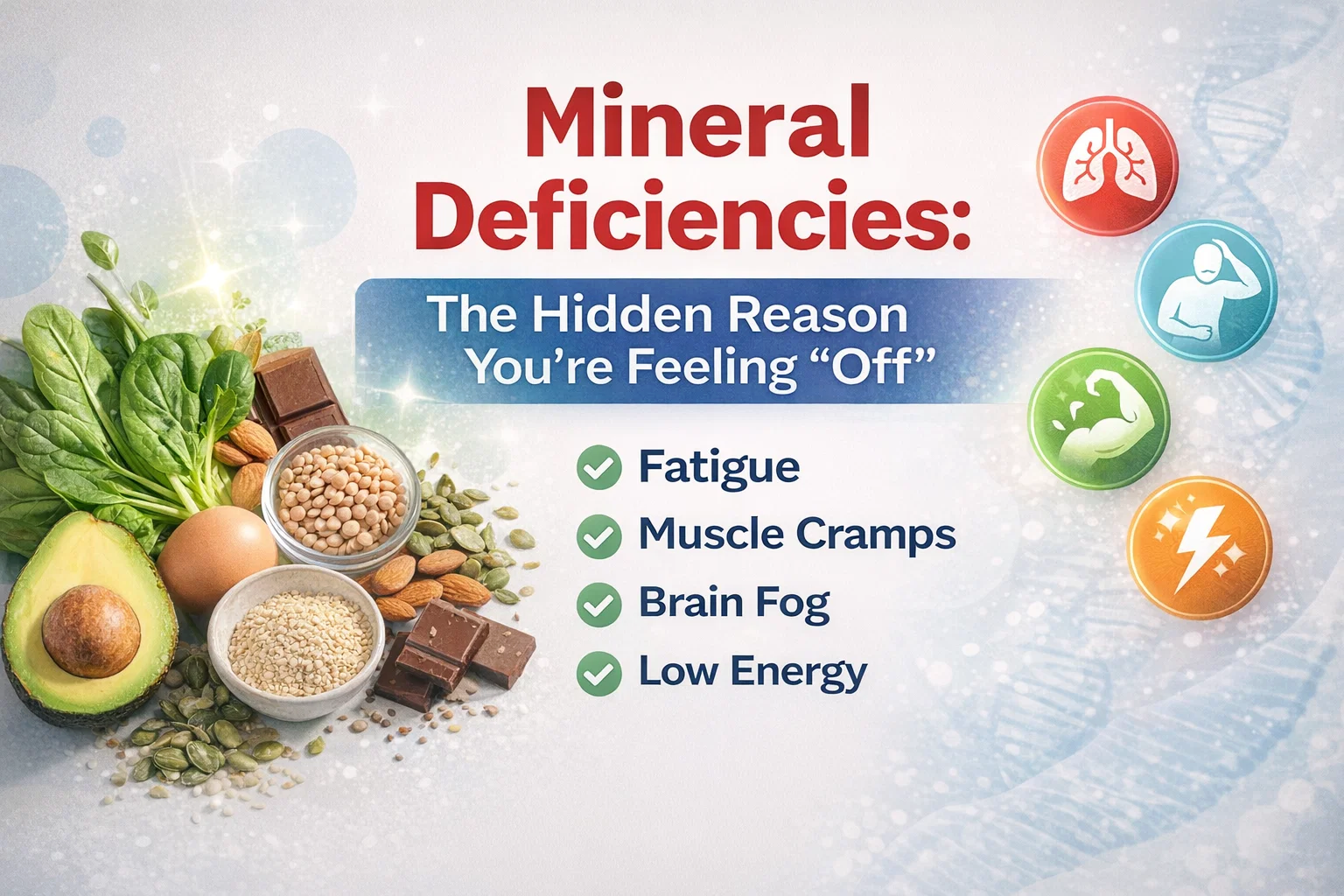
Hidden Mineral Deficiencies Symptoms Best Food Sources
Have you been feeling inexplicably tired, struggling with random muscle twitches, or dealing with a stubborn case of brain fog that just will not lift? You might be quick to blame a busy work schedule, lack of sleep, or everyday stress. However, there is a hidden culprit that often goes completely unnoticed in our modern lives. Your body might be crying out for essential minerals. Mineral deficiencies are incredibly common today, and they are frequently the hidden reason you feel completely “off” throughout your day. When your body lacks these foundational elements, no amount of caffeine or extra sleep will truly fix the underlying exhaustion.
Understanding what your body is trying to tell you is the first step toward reclaiming your vitality. Our bodies are incredibly communicative, often sending us subtle physical symptoms long before a blood test shows a severe deficiency. By learning to decode these signals, you can take a proactive, holistic approach to your wellness and nourish your system back to a state of radiant balance.
Why Minerals Are the Spark Plugs of Your Body
Minerals are inorganic elements that originate in the earth. They are absorbed by plants from the soil or consumed by animals, eventually making their way into our daily meals. While we often focus heavily on macronutrients like proteins, carbohydrates, and fats, it is the micronutrients that act as the vital spark plugs for our cells. Minerals are responsible for everything from keeping your heart beating in a steady rhythm to ensuring your brain fires on all cylinders and your immune system remains resilient.
Unfortunately, modern agricultural practices have led to significant soil depletion. This means the vegetables we eat today often contain fewer minerals than they did a few generations ago. Combined with highly processed diets and daily stress, it is easier than ever to slip into a state of deficiency without ever realizing it. Let us dive deep into the most common mineral gaps, explore the warning signs your body is sending you, and discover the most delicious, natural food sources to help you thrive.
Magnesium: The Ultimate Relaxation Mineral
If there is one mineral that acts as a soothing balm for the human nervous system, it is magnesium. This powerhouse mineral is involved in over three hundred biochemical reactions in your body. It is required for energy production, muscle function, and keeping your stress hormones in check. Despite its critical importance, a massive percentage of the population does not get enough magnesium through diet alone.
What You May Notice
- Muscle cramps and spasms: Often waking you up in the middle of the night with tight calves or twitching eyelids.
- Poor sleep quality: Struggling to fall asleep, staying asleep, or waking up feeling unrefreshed.
- Anxiety or irritability: Feeling constantly on edge, overwhelmed, or nervous for no apparent reason.
- Frequent headaches: Including recurring tension headaches and debilitating migraines.
- Unexplained fatigue: Feeling physically drained even after a full day of rest.
The Best Food Sources
To naturally boost your magnesium levels, focus on rich, earthy foods. Pumpkin seeds are an absolute superstar in this category. Just a small handful can provide a massive chunk of your daily requirement. Spinach and other dark leafy greens are also fantastic choices that are easy to blend into smoothies or toss into a salad. For a delicious treat, reach for high-quality dark chocolate. Almonds and mineral-rich water are excellent daily additions. Pairing these magnesium-rich foods with a soothing nighttime routine, perhaps including a gentle herbal infusion like chamomile, can work wonders for deeply restorative rest.
Iron: The Essential Energy Carrier
Iron is the fundamental building block of hemoglobin. This is the protein in your red blood cells responsible for carrying vital oxygen from your lungs to every single cell in your body. When your iron levels drop, your cells literally begin to suffocate from a lack of oxygen, leading to a rapid and cascading loss of physical energy and stamina.
What You May Notice
- Shortness of breath: Feeling winded easily, especially during mild physical exertion or climbing stairs.
- Pale skin: A noticeable loss of your natural, healthy glow, particularly visible in the face and inner eyelids.
- Dizziness and lightheadedness: Feeling faint or unsteady when standing up quickly from a seated position.
- Cold hands and feet: Experiencing poor circulation and feeling chilly even in warm environments.
- Chronic low energy: A heavy, dragging sensation that simply cannot be fixed by an afternoon cup of coffee.
The Best Food Sources
There are two types of iron found in food. Heme iron is found in animal products and is highly absorbable by the human digestive tract. Quality red meat is one of the most potent sources available. If you follow a plant-based or holistic diet, you will rely heavily on non-heme iron from incredible sources like lentils, spinach, and pumpkin seeds. To maximize your body’s ability to absorb non-heme iron, always pair these earthy foods with a rich source of vitamin C. A squeeze of fresh lemon juice over your spinach or a side of bright bell peppers is the perfect nutritional synergy.
Zinc: Your Immune System’s Best Friend
Zinc is a trace mineral, meaning you only need it in relatively small amounts, but its impact on your overall health is monumental. It is absolutely crucial for immune cell function, DNA synthesis, and cellular repair. Zinc is also deeply connected to your senses of taste and smell, and it plays a vital role in keeping your skin glowing and your hair strong.
What You May Notice
- Hair thinning and shedding: Finding significantly more hair than usual in your brush or the shower drain.
- Weak immunity: Catching every cold, sniffle, or bug that happens to go around your workplace.
- Poor wound healing: Minor cuts, scrapes, and blemishes taking an unusually long time to close up and fade away.
- Loss of taste or smell: Your favorite meals suddenly seeming bland, metallic, or completely unappetizing.
The Best Food Sources
Oysters are the undisputed champions of the zinc world, containing more zinc per serving than any other food on the planet. If seafood is not a regular part of your menu, you can still secure plenty of zinc from natural, whole foods like pasture-raised eggs, pumpkin seeds, and chickpeas. When consuming legumes like chickpeas, remember that soaking them before cooking is a wonderful traditional practice. Soaking helps reduce phytic acid, a natural plant compound that can unfortunately block zinc absorption in the digestive tract.
Potassium: The Nervous System Regulator
Potassium is an essential electrolyte that maintains the delicate and necessary balance of fluids inside your cells. It works in constant partnership with sodium to regulate blood pressure, conduct nerve impulses smoothly, and ensure your muscles contract properly. Your heart, which is your most important muscle, relies heavily on adequate potassium to maintain a steady, healthy rhythm day in and day out.
What You May Notice
- Heart palpitations: Feeling like your heart is skipping a beat, fluttering, or racing unexpectedly.
- Muscle weakness: Struggling to lift everyday objects or feeling a profound heaviness in your arms and legs.
- Constipation: Slowed digestion and sluggish bowel movements due to weakened muscle contractions in the gut lining.
- Low blood pressure: Experiencing occasional dizzy spells or a feeling of faintness.
The Best Food Sources
While bananas are universally famous for their potassium content, they are far from the only potent source. Avocados are actually incredibly dense in potassium and provide beautiful healthy fats to keep you satiated and support skin health. Pure coconut water is a fantastic, deeply hydrating source of this electrolyte, making it a perfect natural replenisher after a workout or time spent in the sun. Beans, particularly white beans, are also wonderful, heart-healthy additions to a potassium-rich diet.
Iodine: The Master of Thyroid Health
Your thyroid gland is the master controller of your entire metabolic system, and it absolutely requires iodine to produce essential thyroid hormones. Without enough iodine, your metabolism slows to a crawl. This profound slowdown affects your daily energy production, your core body temperature regulation, and even your cognitive clarity.
What You May Notice
- Brain fog: Experiencing difficulty concentrating, remembering small details, or finding the right words during conversations.
- Dry skin: Having skin that feels perpetually parched and flaky, refusing to retain moisture regardless of the natural salves or lotions you apply.
- Weight changes: Often experiencing stubborn, unexplained weight gain despite eating clean, whole foods and moving your body.
- Cold sensitivity: Needing a thick sweater and warm socks when everyone else in the room is perfectly comfortable.
The Best Food Sources
The ocean is the ultimate provider of natural, bioavailable iodine. Seaweed, including nutrient-dense varieties like kelp, nori, and wakame, is phenomenally rich in this trace mineral. Adding a sprinkle of kelp flakes to your soups is a fantastic holistic health hack. Wild-caught fish is another excellent source. For those who do not consume seafood regularly, adding high-quality iodized salt to your meals and eating eggs from healthy, pasture-raised chickens can easily help fill the gap in your daily iodine needs.
Calcium: The Foundation for Strong Bones
Most of us grew up hearing that we need calcium for strong bones and teeth, and that physiological fact remains completely true. However, calcium also plays a vital, active role in blood clotting, muscle contraction, and the rapid transmission of nerve signals throughout your body. When you do not consume enough calcium through your diet, your body will literally pull it from your bones to maintain stable levels in your bloodstream, slowly weakening your skeletal structure over time.
What You May Notice
- Weak nails: Having fingernails that are brittle and easily peel, chip, or break doing everyday tasks.
- Bone pain: Experiencing deep, dull aches in your skeletal system, especially in the larger bones.
- Teeth problems: Noticing increased sensitivity to hot and cold, or an unexpected uptick in dental cavities.
- Muscle spasms: Dealing with involuntary twitching, particularly small tremors around the eyes or sudden cramps in the legs.
The Best Food Sources
High-quality, organic dairy products remain well-known and highly bioavailable sources of calcium. However, if you prefer dairy-free or plant-based eating, you have plenty of amazing natural options. Sesame seeds, especially when ground into creamy tahini, are incredibly calcium-dense and wonderful drizzled over roasted vegetables. Canned sardines with the soft bones left in are a nutritional powerhouse, providing both structural calcium and vital vitamin D. Do not forget to load your plate with dark leafy greens, which are excellent, hydrating plant-based sources of this structural mineral.
Do Not Forget Copper and Selenium
While often overshadowed by the more famous minerals listed above, copper and selenium are critically important trace minerals for holistic wellbeing. Copper works intimately with iron to form red blood cells and keeps your blood vessels, nervous system, and immune system functioning flawlessly. You can find excellent amounts of naturally occurring copper in spirulina, shiitake mushrooms, and various nuts and seeds.
Selenium is a profoundly powerful antioxidant that defends your cells from oxidative stress and plays a massive role in thyroid function right alongside iodine. Just one or two Brazil nuts a day can provide your entire daily requirement of selenium, making it one of the absolute easiest mineral deficiencies to prevent naturally. Fish and high-quality proteins also provide excellent amounts of this protective, anti-aging nutrient.
How to Maximize Your Mineral Absorption Naturally
Eating a beautiful array of mineral-rich foods is only half the battle. Your body actually needs to absorb these nutrients effectively through the digestive tract. Optimal gut health plays a massive, undeniable role here. If your digestive lining is compromised, your ability to pull minerals from your food will be severely limited. Incorporating bitter herbs into your routine before meals can naturally stimulate your digestive juices, making it far easier for your body to break down food and extract these vital hidden minerals.
Additionally, pay close attention to your daily food and beverage pairings. Drinking coffee or traditional black tea directly with your meals can unfortunately inhibit the absorption of iron and zinc due to their high tannin content. Try to enjoy your favorite caffeinated beverages at least an hour away from your most nutrient-dense meals to ensure you are getting the full benefit of your healthy food choices.
Take Charge of Your Hidden Deficiencies
Feeling perpetually “off” does not have to be your normal state of being. By paying close, intuitive attention to the subtle physical symptoms your body presents, you can often identify exactly what it needs to truly thrive. Whether you are dealing with the frustrating muscle cramps of low magnesium, the heavy exhaustion of iron depletion, or the stubborn brain fog tied to a lack of iodine, the healing solution is very often waiting for you right in the produce aisle or at your local farmer’s market.
A lifestyle centered around whole, unprocessed foods like vibrant leafy greens, high-quality proteins, raw nuts, and seeds is your absolute best defense against modern mineral deficiencies. It is always a brilliant idea to request a comprehensive nutrient panel from your healthcare provider to know exactly where your personal baseline stands. Empower yourself with this knowledge, upgrade your daily grocery list with these healing foods, and give your body the essential, natural building blocks it requires to feel vibrant, balanced, and truly energized every single day.