How to Extract Oil From Herbs Easy Slow Cooker Infused Oil Guide
Herb-infused oil is one of the simplest and most satisfying DIY projects for anyone who loves natural living, homemade skincare, herbal remedies, or kitchen craft ideas. With just herbs, a carrier oil, gentle heat, and a little patience, you can create a beautifully aromatic oil that can be used in salves, balms, massage oils, bath blends, and even some culinary preparations depending on the herbs and oil you choose.
The process shown here focuses on a slow cooker method, which is especially beginner-friendly because it uses low, steady heat over several hours. Instead of complicated equipment or advanced herbal knowledge, this approach keeps things approachable: combine herbs and oil, warm gently, strain, and store. The result is a golden infused oil that captures the scent, color, and beneficial qualities of your chosen herbs.
Key Takeaways
- Herb-infused oil is made by gently warming herbs in a carrier oil.
- A slow cooker helps maintain low, even heat for easy infusion.
- The typical warm infusion time is about 6 to 12 hours on low heat.
- Straining through a fine sieve or cloth removes herb particles.
- Cool, dark storage helps preserve freshness and quality.
- Infused oils are useful for DIY salves, skincare, massage blends, and herbal projects.
What Is Herb-Infused Oil?
Herb-infused oil is a carrier oil that has been steeped with plant material so it absorbs the herbs’ aroma, color, and oil-soluble properties. Unlike essential oils, which are highly concentrated and usually made through distillation, infused oils are gentler and easier to make at home.
Common carrier oils include olive oil, sunflower oil, coconut oil, sweet almond oil, grapeseed oil, and jojoba oil. The best choice depends on how you plan to use the finished oil. Olive oil is popular for herbal salves and kitchen-style infusions. Sunflower oil is lightweight and often used in body care. Coconut oil can create a richer texture, while jojoba is valued for skincare blends.
Important: Herb-infused oil is not the same as essential oil. Infused oils are milder, less concentrated, and made by soaking herbs in a carrier oil. This makes them practical for beginner-friendly DIY herbal projects.
Why the Slow Cooker Method Works So Well
The slow cooker method is ideal because it provides consistent low heat. Heat helps encourage the herbs to release their aromatic and oil-soluble compounds into the carrier oil, but too much heat can damage delicate plant material or make the oil smell cooked.
A slow cooker set to low gives you a hands-off way to gently infuse herbs over several hours. The image highlights a 6 to 12 hour infusion window, which is a practical range for many homemade herbal oil recipes. Stirring occasionally helps distribute the herbs and keeps the mixture evenly warmed.
Benefits of Using Low Heat
- It speeds up the infusion compared with a cold steeping method.
- It is easier than monitoring a pot on the stove.
- It helps prevent scorching when the temperature stays low.
- It works well for small-batch DIY herbal oil projects.
Low heat is the key detail. The goal is not to fry the herbs or boil the oil. You only want a gentle warmth that encourages infusion while protecting the quality of the oil.
Step 1: Combine Herbs and Oil
The first step is simple: place your herbs into the slow cooker and cover them with oil. You can use fresh or dried herbs, although dried herbs are often easier for beginners because they contain less moisture. Moisture can shorten the shelf life of infused oils, so dry, clean plant material is usually preferred for long-term storage.
Popular herbs for infused oils include rosemary, lavender, calendula, chamomile, thyme, basil, mint, and comfrey. Choose herbs based on your intended use. Rosemary and thyme have a strong herbal scent and are often used in hair and body care recipes. Lavender and chamomile are popular for calming massage oils and bath blends. Calendula is a favorite for homemade salves and gentle skin preparations.
How Much Oil Should You Use?
A practical approach is to add enough oil to fully cover the herbs. The herbs should be submerged, with a little extra oil above them. This helps the plant material infuse evenly and reduces exposure to air during the warming process.
Avoid packing the slow cooker too tightly. The oil needs space to circulate around the herbs, especially when you stir. For a small batch, a few handfuls of herbs and enough oil to cover them is usually a good starting point.
Pro Tip: If you are making infused oil for skincare, label your herbs and carrier oil from the beginning. It is surprisingly easy to forget which blend is which once several golden jars are sitting on the shelf.
Step 2: Warm on Low Heat for 6 to 12 Hours
Once the herbs and oil are combined, set the slow cooker to low. The visual guide shows a 6 to 12 hour warming period, which gives the oil time to take on the herbal character without rushing the process.
During the infusion, stir occasionally. This helps move the herbs through the oil and prevents clumping. If your slow cooker runs hot, keep an eye on it. The oil should look warm and fluid, not bubbling aggressively. If you see signs that it is getting too hot, turn it off for a while or use the warm setting if your slow cooker has one.
What Should the Oil Look Like?
As the herbs infuse, the oil may deepen in color. Some herbs give the oil a greenish tint, while others create a golden, amber, or slightly earthy tone. The scent should become more noticeable over time, especially with aromatic herbs like rosemary, thyme, lavender, basil, or mint.
Do not judge the infusion only by color. Some herbs release subtle color but still produce a fragrant, useful oil. Others look dramatic very quickly. The final result depends on the herb type, oil type, amount of plant material, and infusion time.
Why This Matters
Gentle heat protects the quality of the oil while helping the herbs infuse more efficiently. A slow, low-temperature process is one of the easiest ways to get a fragrant homemade herbal oil without overcooking the plant material.
Step 3: Strain Through a Fine Sieve or Cloth
After the infusion period is complete, it is time to separate the herbs from the oil. This step matters because leftover plant pieces can affect the texture, clarity, and shelf life of the finished oil.
Use a fine mesh sieve, cheesecloth, muslin cloth, or a clean coffee filter. Place the strainer over a clean jar or bowl, then carefully pour the warm oil through it. Let the oil drain naturally, and avoid squeezing too hard if you are using fresh herbs, since pressing can push extra moisture or fine particles into the oil.
How to Get a Cleaner Finished Oil
For a clearer oil, strain it twice. First, use a sieve to remove larger herb pieces. Then strain again through a finer cloth or coffee filter. This extra step takes a little more time, but it creates a cleaner-looking oil that is especially nice for gifts, skincare recipes, or display jars.
If tiny particles settle at the bottom of the jar after a day or two, you can decant the clear oil into a fresh container and leave the sediment behind. This is optional, but it can improve the final appearance.
Step 4: Store in a Cool, Dark Place
The final step is storage. Pour the strained oil into a clean, dry jar with a tight-fitting lid. Glass jars are a popular choice because they are easy to clean and do not absorb scent. Amber glass bottles are especially useful because they help protect oils from light.
Keep the finished herbal oil in a cool, dark place such as a pantry, cabinet, or cupboard. Heat, light, moisture, and air exposure can reduce freshness. Always label your jar with the herb name, carrier oil, and date made.
Important: Make sure your storage jar is completely dry before adding infused oil. Water in the jar can affect the quality and shorten the life of your homemade herbal oil.
How Long Does Herb-Infused Oil Last?
The shelf life depends on the carrier oil, the dryness of the herbs, the cleanliness of your tools, and how the oil is stored. In general, homemade infused oils should be checked regularly for changes in smell, texture, or appearance. If the oil smells rancid, sour, musty, or unpleasant, discard it.
Using dried herbs, clean equipment, and cool dark storage can help improve freshness. For the best results, make small batches that you can use within a reasonable time instead of storing large jars for too long.
Best Herbs for Homemade Infused Oil
One of the best parts of making herb-infused oil is choosing the plants. Each herb brings a different scent, color, and purpose to the finished oil. You can keep things simple with one herb or create blends once you feel comfortable with the process.
Rosemary Infused Oil
Rosemary has a bold, fresh, herbal aroma. It is often used in hair oil blends, scalp massage oils, body oils, and savory kitchen-inspired infusions. Its strong scent makes it a favorite for people who enjoy crisp, garden-style herbal blends.
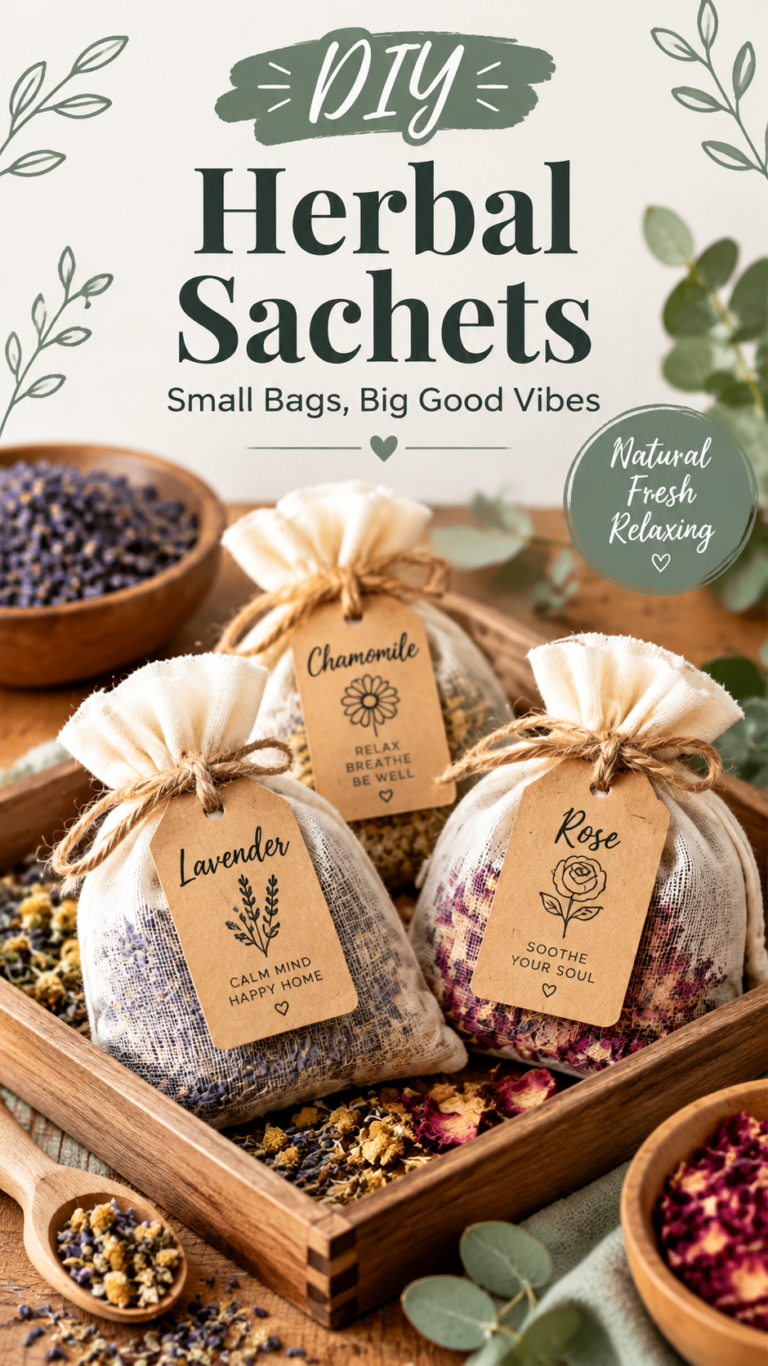
Lavender Infused Oil
Lavender is a classic choice for relaxing body care recipes. It pairs beautifully with lighter carrier oils and is often used in massage oils, bath oils, balms, and handmade gifts.
Calendula Infused Oil
Calendula is widely loved in DIY skincare. Its golden petals create a beautiful oil that is commonly used in salves, lip balms, body butters, and gentle skin care blends.
Thyme, Basil, and Mint Infused Oils
These aromatic herbs create fresh, lively infused oils. Depending on the carrier oil and herb quality, they may be useful for culinary-style projects or fragrant homemade body care. Always use food-safe ingredients and proper storage practices if you plan to use infused oils in cooking.
Ways to Use Herb-Infused Oil
Once your infused oil is strained and stored, there are many ways to use it. The best use depends on the herbs and carrier oil you selected.
- Massage oil: Use aromatic herbs and skin-friendly carrier oils for a soothing massage blend.
- Homemade salves: Combine infused oil with beeswax to make a simple herbal balm.
- Body oil: Apply after bathing to help lock in moisture.
- Hair oil: Use herbs like rosemary in scalp or hair care routines.
- Bath oil: Add a small amount to bath blends for a spa-like touch.
- DIY gifts: Bottle the oil with a handwritten label for a thoughtful homemade present.
Pro Tip: Before using a new infused oil on your skin, apply a small amount to a patch of skin first. This is a simple way to check whether the herb and oil combination suits you.
Common Mistakes to Avoid
Making infused oil is easy, but a few small mistakes can affect the final result. Paying attention to heat, moisture, and straining will help you create a better batch.
Using Too Much Heat
High heat can damage the oil and herbs. Keep the slow cooker on low and monitor it occasionally. The oil should gently warm, not boil.
Skipping the Straining Step
Leaving herbs in the oil may look pretty at first, but it can shorten freshness and make the oil cloudy. Straining well is one of the most important steps.
Using Wet Equipment
Water and oil do not mix well for storage. Make sure jars, spoons, strainers, and cloths are clean and dry before use.
Forgetting to Label the Jar
A label helps you track what you made and when. Include the herb, carrier oil, and date. This is especially helpful if you make multiple batches throughout the season.
Simple Herb-Infused Oil Formula
You do not need a complicated recipe to get started. A flexible formula works well for beginners:
- Add dried herbs to a slow cooker.
- Cover the herbs completely with carrier oil.
- Warm on low for 6 to 12 hours.
- Stir occasionally while infusing.
- Strain through a fine sieve or cloth.
- Store in a clean jar in a cool, dark place.
This method is easy to adapt. Use a single herb for a focused infusion, or combine complementary herbs for a custom blend. For example, lavender and chamomile make a gentle aromatic oil, while rosemary and mint create a fresh, energizing blend.
Choosing the Right Carrier Oil
The carrier oil is the foundation of your infusion. It affects the texture, scent, color, and use of the finished product.
Olive Oil
Olive oil is rich and widely available. It is a traditional choice for herbal oils and works well in salves and body care recipes. It has a stronger scent than some other oils, so pair it with herbs that can hold their own.
Sunflower Oil
Sunflower oil is lighter than olive oil and has a mild scent. It is a nice option for body oils and herbal skincare blends.
Sweet Almond Oil
Sweet almond oil is popular in massage oils and body care. It has a smooth feel and blends well with aromatic herbs.
Jojoba Oil
Jojoba is often used in facial and skin care because it has a silky texture. It is usually more expensive, so it is best for smaller specialty batches.
Safety and Practical Tips
Homemade herbal projects should be enjoyable, but it is still important to use common sense. Work with clean tools, choose quality herbs, and avoid using plants you cannot confidently identify.
If you plan to use infused oils on your skin, research the herb first and avoid ingredients that may irritate you. If you plan to use infused oils in food, make sure both the herbs and oil are food-safe, and follow safe storage practices.
Helpful reminders:
- Use clean, dry jars and utensils.
- Choose dried herbs for easier storage and lower moisture risk.
- Keep the heat low throughout the infusion.
- Discard oil if it smells rancid, sour, or moldy.
- Label every batch clearly.
At a Glance
- Best method for beginners: slow cooker on low heat.
- Infusion time: 6 to 12 hours.
- Most important step: strain thoroughly.
- Best storage: clean glass jar in a cool, dark place.
- Great uses: salves, body oils, massage oils, and DIY herbal gifts.
Conclusion
Making herb-infused oil at home is a simple, rewarding way to bring herbal creativity into your kitchen, skincare routine, or DIY craft projects. The slow cooker method keeps the process approachable: combine herbs and oil, warm gently on low for several hours, strain carefully, and store the finished oil away from heat and light.
Whether you are preparing rosemary oil for hair care, lavender oil for relaxing massage blends, calendula oil for salves, or a custom herbal infusion for handmade gifts, this method gives you a practical foundation. Start with small batches, keep your tools clean, label everything, and enjoy the process of turning simple herbs into a beautiful golden oil.
Tags
Herb Infused Oil Slow Cooker DIY Herbal Oil Recipe Natural Skincare DIY Herbal Remedies Homemade Salves Herbal DIY