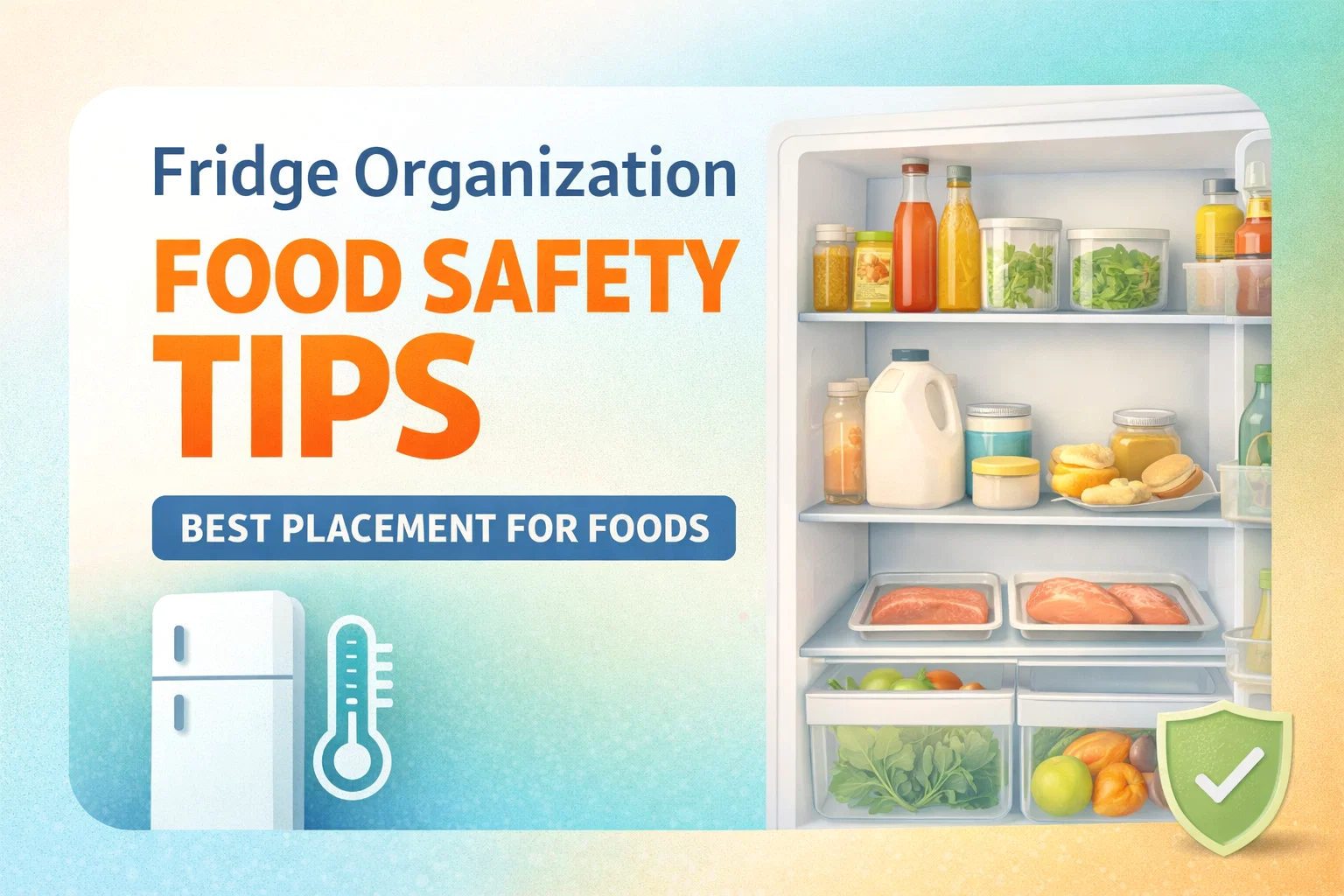
How to Organize Your Fridge for Freshness The Ultimate Guide to Refrigerator Storage Zones
Have you ever reached into the back of your refrigerator for a head of lettuce only to find it has turned into a soggy, translucent mess? Or perhaps you have noticed that your milk seems to sour just a few days after opening it, despite the expiration date being a week away. Most of us treat our refrigerators like a giant cold box where we just shove items wherever they fit, but there is actually a hidden science to those shelves. Your fridge has distinct climate zones, and understanding how to use them can be the difference between a kitchen that runs like a well-oiled machine and one that wastes hundreds of dollars in spoiled groceries every year. Let us dive into the art of refrigerator organization and transform your kitchen into a sanctuary of freshness.
The Science of Cold Air Circulation
To understand why specific foods belong in specific places, you first have to understand how your refrigerator works. Most modern units circulate cold air from the back or the top. Because cold air is denser than warm air, it naturally sinks toward the bottom. This creates a temperature gradient where the top shelves and the door bins are typically the warmest areas, while the bottom shelf is the coldest. When you understand this flow, you stop fighting against the appliance and start working with it to preserve your food. Consistent cooling is the enemy of bacteria, and placing your items in their designated safe zones ensures that they stay at the optimal temperature for as long as possible.
The Top Shelf: Stability and Ready to Eat Goods
The top shelf of your refrigerator is unique because while it is slightly warmer than the bottom, the temperature stays very consistent. This makes it the ideal territory for items that do not need to be cooked before you eat them. Think of this as the ready to eat zone. It is perfect for deli meats, leftovers from last night’s dinner, and pre-packaged snacks. Many people also find that this is the best place to keep their drinks and open jars of fermented foods like kimchi or sauerkraut. If you are someone who loves fresh herbs, try placing them in a small jar of water on this shelf. It mimics a vase of flowers and keeps cilantro or parsley crisp for up to two weeks.
The Middle Shelf: The Heart of the Fridge
The middle shelf is often the most accessible part of the refrigerator, making it prime real estate for daily essentials. This area experiences the most consistent cooling because it is sheltered from the door opening and the extreme chill of the bottom. This is where you should keep your eggs and butter. While many refrigerators have a butter compartment in the door, the door is actually the most volatile temperature zone. If you want your dairy to stay fresh, keep it on the middle shelf. This is also a great spot for cooked meats that you plan to use for sandwiches throughout the week. By keeping these items at eye level, you are also more likely to use them before they go bad, which is a simple but effective way to reduce food waste.
The Bottom Shelf: The Coldest Territory
The bottom shelf is the coldest part of the main cabin. This area is strictly reserved for high risk foods that require the lowest temperatures to stay safe. Raw meat, poultry, and seafood should always live here. There is also a secondary safety reason for this placement. By keeping raw proteins on the bottom shelf, you eliminate the risk of juices dripping down and contaminating the food below. Even if you have your chicken in a package, it is a smart habit to place it on a dedicated tray or a leakproof container. This creates a barrier that makes cleaning up much easier and keeps your entire fridge hygienic. If you are thawing something for dinner, the back of the bottom shelf is the safest and most effective place to do it.
Mastering the Humidity Drawers
Most refrigerators come with drawers at the bottom, and many people assume they are just for extra storage. However, these are actually climate controlled crisper drawers designed to manage humidity. Understanding the difference between high and low humidity settings can double the life of your produce. High humidity is for things that wilt. Think of leafy greens like spinach, kale, and bok choy, as well as cruciferous vegetables like broccoli. The high humidity setting keeps moisture trapped inside, preventing these water heavy plants from drying out. On the other hand, the low humidity drawer is for things that rot. This includes fruits that emit ethylene gas, such as apples, pears, and stone fruits. By keeping the vent open in the low humidity drawer, you allow those gases to escape, which prevents the fruit from ripening too quickly and turning to mush.
The Door: The Warmest Spot
The door is the most convenient place to store items, but it is also the most susceptible to temperature fluctuations every time you reach for a snack. Because of this, you should never store highly perishable items like milk or eggs in the door. Instead, use this space for items that contain natural preservatives. Condiments, salad dressings, pickles, and bottled water are perfect for the door bins. These items are designed to withstand slight temperature changes without spoiling. If you have specialty oils like walnut or sesame oil, the door is also a great place to keep them so they do not go rancid in a hot pantry.
Benefits of a Properly Organized Fridge
Beyond just keeping your food safe, a well organized refrigerator offers several lifestyle benefits that can make your daily routine much smoother. When everything has a designated home, you spend less time with the door open searching for ingredients. This helps the fridge maintain its internal temperature and saves on your energy bill. Additionally, organization leads to better visibility. When you can see every item you own, you are less likely to buy duplicates at the grocery store, which saves money and prevents overstuffing. Overstuffing is actually a major cause of food spoilage because it blocks the air vents and prevents the cold air from circulating properly.
Quick Tips for Fridge Maintenance
- Check your seals: Make sure the rubber gasket around your fridge door is clean and tight to keep the cold air in.
- First In First Out: Practice the FIFO method by moving older items to the front of the shelf when you come home with new groceries.
- Avoid the Vents: Never block the air vents at the back of the fridge with large items like milk cartons or giant pots.
- Keep it Clean: Wipe down spills immediately to prevent bacteria growth and odors from lingering.
Reducing Food Waste Through Strategy
Food waste is a global issue, but it starts in our own kitchens. A massive percentage of food waste happens simply because we forget what we have. Incorporating a weekly fridge audit into your routine can change everything. Before you head to the store, take five minutes to move items around and see what needs to be used up. Use the top shelf for a designated eat me first bin where you put items that are nearing their expiration date. This visual cue reminds you to prioritize those ingredients for your next meal. By aligning your storage habits with the natural temperature zones of your appliance, you are not just organizing a box, you are creating a sustainable system for your home.
Ideal Storage Chart for Quick Reference
If you are looking for a quick way to remember these rules, keep this hierarchy in mind. The higher the shelf, the more stable and ready to eat the food should be. The lower the shelf, the colder and more raw the food should be. This vertical logic ensures that you are following the best food safety practices while maximizing the lifespan of your expensive groceries. It might take a few days to get used to putting the milk on the middle shelf instead of the door, but your taste buds and your wallet will thank you in the long run.
Conclusion: A Refreshing New Start
Taking the time to organize your refrigerator according to its safe zones is one of the easiest ways to upgrade your kitchen efficiency. It is a simple shift in habit that yields massive results in food quality, safety, and longevity. By respecting the cold air flow and using the humidity drawers correctly, you ensure that every ingredient you buy is treated with the care it deserves. No more mystery smells, no more wilted lettuce, and no more wasted money. Start today by clearing out those shelves and placing your items where they truly belong. Your kitchen will feel more organized, your meals will taste fresher, and you will have the peace of mind that comes with a perfectly maintained home.