
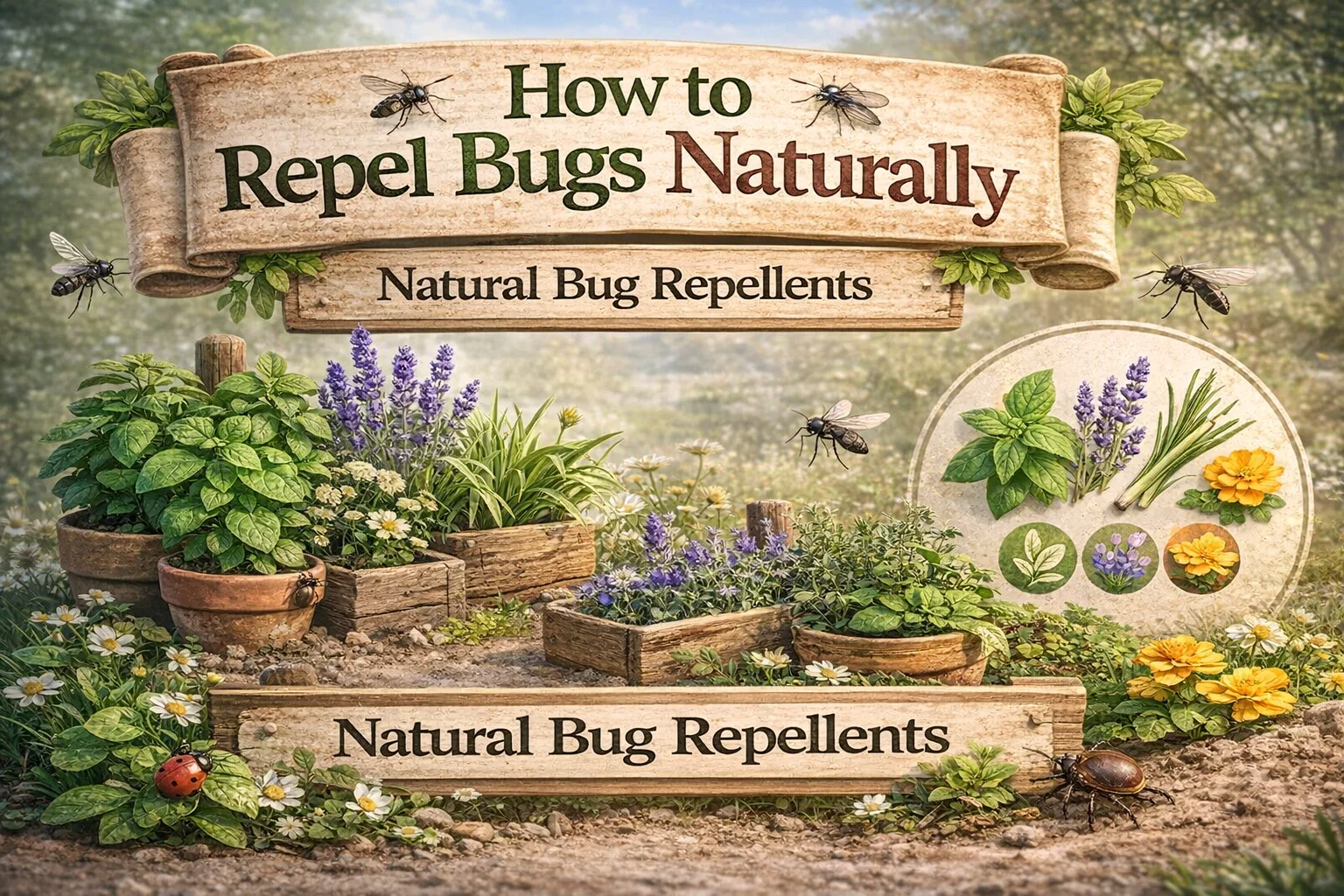
How to Repel Bugs Naturally Best Herbs to Keep Flies, Mosquitoes Ants Away Naturally
Walking into a garden filled with the scent of fresh lavender and peppermint is a dream for many homeowners, but these aromatic plants do more than just provide a pleasant fragrance. They are part of a powerful, centuries-old strategy to maintain a home environment that is free from unwanted guests like mosquitoes, ants, and flies. Moving away from synthetic sprays and harsh chemical deterrents is a growing trend for families who want to embrace a more holistic, eco-friendly lifestyle. By understanding the science of plant-based repellents, you can turn your backyard or windowsill into a natural fortress.
The beauty of using nature to fight nature lies in the complexity of plant chemistry. While we find the scent of rosemary or lemongrass refreshing, many insects find the volatile oils within these plants completely overwhelming. These natural compounds interfere with a bug’s ability to find food or navigate, effectively encouraging them to move along to a less fragrant neighborhood. In this guide, we will dive deep into the specific plants that target common household pests and how you can integrate them into your daily life for a bug-free experience.
The Science of Scent: How Plants Repel Insects
To truly appreciate the power of a natural repellent garden, it helps to understand why these plants work. Insects rely heavily on their sense of smell to survive. Their antennae are sophisticated sensors that pick up chemical signals in the air. Plants have evolved to produce essential oils as a defense mechanism against herbivores and pests. When we plant these in high-density or crush their leaves to release the oils, we are tapping into a biological warfare system that has been refined over millions of years.
Unlike chemical pesticides that often rely on toxicity to kill insects on contact, natural repellents work through avoidance. The goal is not necessarily to harm the insect, but to mask the scents they are attracted to, such as carbon dioxide from our breath or the smell of food in our kitchens. By creating a scent barrier, you make your living space invisible to the pests that usually find you.
Taking Flight: Winning the Battle Against Flies
Flies are perhaps the most persistent and annoying of all household pests. They are attracted to food, waste, and warmth, making our kitchens a primary target. However, certain herbs are remarkably effective at keeping them at bay. Basil is a heavy hitter in this category. While we love it on pizza, its strong aroma is loathed by houseflies. Placing a pot of basil near your kitchen window or back door acts as a fragrant bouncer, turning flies away before they can enter.
The Power of Lavender and Marigolds
Lavender is another multi-purpose tool in your natural kit. While it is famous for its calming properties for humans, it contains camphor and eucalyptol, which flies find repulsive. Bundles of dried lavender hung near entryways or even lavender-infused sprays can significantly reduce the presence of flies in the home. Marigolds are equally useful, often used by organic gardeners as a companion plant. They produce a scent that many flying insects find offensive, making them the perfect border plant for your porch or patio area.
Ant-Proofing Your Kitchen Naturally
Ants are the ultimate opportunists. Once a single scout finds a crumb, a whole colony can follow within hours. Most people reach for toxic baits, but peppermint offers a much cleaner solution. Peppermint contains high concentrations of menthol, which disrupts the pheromone trails that ants use to communicate and navigate. If you wipe down your counters with a peppermint oil solution or grow fresh mint near your doorways, you essentially erase the map the ants are using to find your pantry.
Using Cloves and Tea Tree Oil
For more stubborn ant problems, cloves and tea tree oil are excellent reinforcements. Cloves contain eugenol, a compound that acts as a strong deterrent and can even be used as a contact repellent. Similarly, tea tree oil is known for its intense medicinal scent. Using a diluted tea tree spray along baseboards can prevent ants from crossing into your living spaces. These methods are safe for use around pets and children, provided they are applied correctly and in the right concentrations.
Mosquito Control: Reclaiming Your Backyard
Nothing ruins a summer evening faster than a swarm of mosquitoes. While we often rely on DEET-based products, several plants offer incredible protection without the sticky residue. Citronella is the most famous, but it is actually a component found in many other plants like lemongrass and scented geraniums. Lemongrass is a beautiful, tall grass that looks great in landscaping and provides a constant stream of mosquito-repelling scent when the breeze catches it.
Rosemary, Mint, and Catnip
Rosemary and mint are also essential for mosquito control. Rosemary can be tossed into a fire pit during a backyard barbecue; the smoke released is highly effective at clearing the immediate area of mosquitoes. Interestingly, catnip has been found in some studies to be even more effective than DEET at repelling certain types of mosquitoes. If you have a sunny spot in your garden, planting catnip can provide a significant layer of protection, though you might find yourself popular with the local feline population as a result!
The Hidden Dangers: Ticks and Fleas
Ticks and fleas are more than just a nuisance; they can carry diseases and make life miserable for our pets. Preventing these pests naturally involves creating a perimeter they won’t want to cross. Sage and thyme are excellent for this. These hardy herbs contain oils that ticks find particularly unpleasant. Planting a thick border of these herbs around the edges of your property where the woods meet the lawn can help reduce the number of ticks that migrate into your yard.
Chrysanthemums: The Natural Insecticide
Chrysanthemums contain a natural compound called pyrethrum, which is so effective that it is often extracted and used in commercial organic pesticides. Growing “mums” in your garden is like having a natural pest control service on duty. They are effective against fleas, ticks, and even bed bugs. When combined with lavender and lemongrass, you create a comprehensive defense system that protects both your family and your four-legged friends.
Protecting Your Garden: Managing Aphids
If you are a gardener, you know the frustration of seeing your prize roses or vegetables covered in tiny, sap-sucking aphids. Instead of reaching for a chemical spray that might also kill beneficial pollinators like bees, look to your herb garden. Rosemary and basil are fantastic at masking the scent of the host plants that aphids love. By interplanting these herbs among your vegetables, you make it much harder for aphids to locate their next meal.
The Role of Marigolds and Sage
Marigolds are a classic choice for aphid control. They attract beneficial insects like ladybugs, which are the natural predators of aphids. Sage also plays a vital role by providing a strong scent barrier. A garden that utilizes these plants together is a self-sustaining ecosystem where pests are kept in check by natural odors and biological competition. This approach leads to healthier plants and a more vibrant, chemical-free harvest.
Practical Ways to Use These Repellents
Simply having the plants in your yard is a great start, but there are ways to maximize their effectiveness. For example, the scent is often most potent when the leaves are slightly bruised or agitated. Walking through a patch of mint or brushing against a rosemary bush releases those essential oils into the air. You can also create your own DIY room sprays by simmering fresh herbs in water and then straining the liquid into a spray bottle.
- Windowsill Gardens: Keep small pots of basil and peppermint on your kitchen windowsill to stop flies and ants at the point of entry.
- Sachets: Dry out lavender and sage to create sachets for your closets and drawers. This keeps moths away and keeps your clothes smelling fresh.
- Mulching with Herbs: When you prune your rosemary or lemongrass, use the clippings as mulch around other plants to provide an extra layer of bug protection.
The Benefits of a Holistic Approach
Choosing natural bug repellents over synthetic ones offers a range of benefits that go beyond just pest control. First and foremost is the safety aspect. Many commercial bug sprays contain chemicals that can be irritating to the skin and respiratory system. By using herbs, you are creating a home environment that is safe for everyone, including toddlers and pets who spend a lot of time on the floor.
Additionally, this approach encourages biodiversity. A garden filled with a variety of herbs and flowers supports bees, butterflies, and other essential pollinators. You are not just repelling the “bad” bugs; you are inviting the “good” ones. Plus, there is the added bonus of having a fresh supply of culinary herbs at your fingertips. There is nothing quite like picking fresh basil for a salad or rosemary for a roast, knowing that those same plants were working hard to keep your home comfortable all day long.
Creating a Sustainable Pest Strategy
Consistency is key when it comes to natural remedies. Unlike a one-time chemical treatment, natural repellents work best when they are integrated into the landscape and the home. This might mean replanting annuals like marigolds every spring or ensuring your perennial rosemary is well-maintained. It is also about observation. Pay attention to where the bugs are coming in and place your fragrant barriers accordingly.
You can also combine these plant-based methods with other physical deterrents. Ensure your screens are in good repair, keep food sealed in airtight containers, and manage standing water in your yard where mosquitoes might breed. When these habits are combined with the power of herbal repellents, you create a comprehensive strategy that is both effective and sustainable for the long term.
Embracing the Fragrant Shield
Transforming your home into a pest-free sanctuary doesn’t require a shelf full of toxic chemicals. By turning to the wisdom of nature, you can use the very plants that have protected themselves for millennia to protect your own space. From the bright blooms of marigolds to the earthy scent of sage, these natural solutions are as beautiful as they are functional. They provide a sensory experience that enhances your home while quietly doing the hard work of keeping the bugs away.
As you begin to experiment with different combinations of herbs and plants, you will find what works best for your specific climate and the types of pests you face. Whether you start with a single pot of peppermint on the counter or a full-scale herbal border in your garden, you are taking a meaningful step toward a cleaner, greener, and more fragrant way of living. Nature has already provided the tools; all we have to do is put them to use.
Would you like me to generate a specific list of essential oil recipes you can make using these herbs to further protect your home?