Muscle Care Guide Foods to Eat vs. Avoid for Strength and Fitness Training
Building a body that feels as good as it looks requires a strategic approach to nutrition. While many people focus solely on the intensity of their workouts, the real transformation happens in the kitchen. Your muscles are constantly undergoing a process of breakdown and repair, and the fuel you provide determines whether they recover stronger or remain under unnecessary stress. Understanding the fundamental pillars of muscle care is essential for anyone looking to improve their physical health, boost their metabolism, and achieve a toned, athletic physique.
When we talk about muscle care, we are looking at the biological requirements of your tissues. Muscles need specific macronutrients to repair the microscopic tears that occur during exercise. Without these nutrients, you might find yourself feeling chronically fatigued, dealing with lingering soreness, or failing to see the muscle definition you are working so hard for. By shifting your focus toward high-quality, whole foods and away from inflammatory processed items, you can unlock a new level of vitality and strength.
The Foundations of Muscle Recovery and Growth
To optimize your physical performance, you must prioritize foods that provide the building blocks of muscle tissue. Protein is the most critical component here, but the source and quality of that protein matter immensely. Incorporating a variety of protein sources ensures that you are getting a full spectrum of amino acids, which are the organic compounds that combine to form proteins. These are often referred to as the building blocks of life, and for good reason.
Lean Proteins and Their Impact
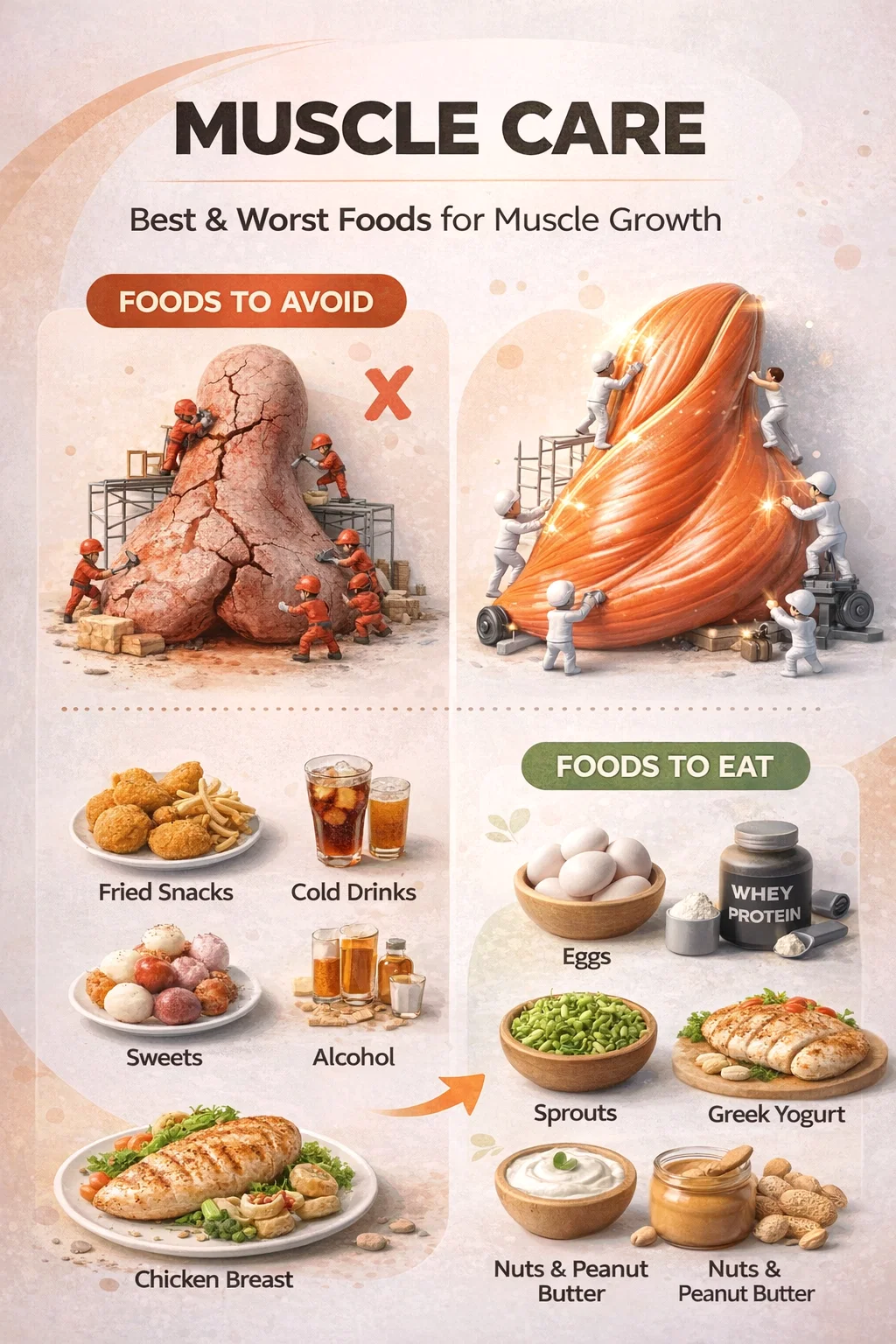
Chicken breast is a staple in the fitness world for a very specific reason. It is incredibly lean, meaning it provides high amounts of protein with very little fat. This allows your body to focus on muscle synthesis without the heavy caloric load that comes with fattier meats. Similarly, eggs are considered a perfect protein source because they have a high biological value, meaning your body can absorb and utilize the protein found in eggs very efficiently.
The Power of Plant Based Gains
Do not underestimate the power of plants when it comes to building strength. Sprouts and legumes are nutritional powerhouses that offer more than just protein. They are packed with fiber, which aids digestion and helps maintain a healthy gut microbiome. A healthy gut is essential for nutrient absorption, meaning that the better your digestion, the more benefit you get from every meal you eat. Including items like moong sprouts or chickpea sprouts in your diet provides a steady stream of energy and vital micronutrients like magnesium and potassium, which help prevent muscle cramping.
Dairy and Healthy Fats for Sustained Energy
Many people shy away from dairy, but for those who tolerate it, options like curd and Greek yogurt are exceptional for muscle care. These foods contain casein protein, which is a slow digesting protein that provides a steady release of amino acids to your muscles over several hours. This makes it an ideal snack before bed or during long stretches between meals.
Furthermore, healthy fats are crucial for hormone production, including those that regulate muscle growth and repair. Peanut butter and whole peanuts are excellent sources of monounsaturated fats. They provide a dense source of energy and help keep you feeling full, which prevents the urge to reach for unhealthy snacks. Just remember that while peanut butter is healthy, it is also calorie dense, so moderation is key to maintaining a balanced diet.
What to Avoid: The Enemies of Muscle Definition
Just as important as what you put into your body is what you choose to leave out. Certain foods act as roadblocks to your progress, causing inflammation, bloating, and energy crashes. If you want to see the results of your hard work, you need to be mindful of the common dietary traps that can hinder muscle recovery.
The Problem with Refined Flour and Maida
Refined maida products, such as white bread, pastries, and biscuits, are stripped of their nutritional value during processing. These simple carbohydrates cause a rapid spike in blood sugar followed by a sharp crash. This leaves you feeling sluggish and tired, which is the last thing you want when trying to maintain an active lifestyle. Moreover, excess consumption of refined flour is linked to increased fat storage, particularly around the midsection, which can hide the muscle definition you are trying to build.
Hidden Sugars and Liquid Calories
Excess sugar is one of the primary drivers of systemic inflammation. Whether it comes from traditional sweets, known as mithai, or from carbonated cold drinks, sugar puts a massive strain on your metabolism. Cold drinks and sodas are particularly deceptive because they provide a large amount of calories without any satiety. This makes it very easy to consume a surplus of energy that your body cannot use, leading to weight gain and a decrease in muscle sensitivity to insulin.
The Impact of Fried Foods and Alcohol
Fried snacks might be tempting, but they are often cooked in unhealthy trans fats or highly processed vegetable oils. These fats are difficult for the body to process and can lead to oxidative stress. When your body is busy dealing with the oxidative stress caused by poor quality fats, it has fewer resources to dedicate to muscle repair. This can lead to longer recovery times and increased muscle soreness after training sessions.
Alcohol is another significant factor to consider. While an occasional drink may seem harmless, alcohol actually interferes with protein synthesis, which is the process where your body repairs muscle tissue. It also dehydrates the body, and since muscles are composed of a high percentage of water, dehydration leads to decreased strength and poor performance. If you are serious about your muscle care routine, minimizing alcohol consumption is a powerful way to accelerate your results.
Structuring Your Meals for Maximum Results
To keep your body in an anabolic state, where it is building and repairing tissue rather than breaking it down, timing and balance are important. Aim to include a source of high quality protein in every meal. For breakfast, you might choose eggs with a side of sprouts. For lunch, grilled chicken breast with a large salad provides the necessary nutrients to keep you fueled through the afternoon.
The Role of Supplements
While whole foods should always be your priority, supplements like whey protein can be incredibly useful tools. Whey protein is absorbed very quickly, making it the perfect post workout option to jumpstart the recovery process. It provides a convenient way to meet your daily protein goals, especially on busy days when you might not have time to prepare a full meal. However, always remember that supplements are meant to supplement a healthy diet, not replace it.
Hydration and Muscle Function
Water is the most underrated nutrient in muscle care. Every chemical reaction in your body, including those that build muscle and burn fat, requires water. Proper hydration ensures that nutrients are transported effectively to your muscle cells and that waste products are flushed out. Instead of reaching for cold drinks or alcohol, make water your primary beverage of choice to keep your muscles functioning at their peak.
Creating a Sustainable Lifestyle Shift
The journey to better muscle care is not about a short term diet but a long term lifestyle change. It is about making better choices one meal at a time. You do not have to be perfect, but you should strive for consistency. Focus on the way food makes you feel. You will likely notice that after a meal of grilled chicken and yogurt, you feel energized and focused, whereas after a meal of fried snacks and sugary drinks, you feel heavy and unmotivated.
Use this awareness to guide your choices. Stock your kitchen with the right ingredients so that the healthy choice is also the easy choice. Keep a jar of peanut butter for a quick snack, prep your sprouts in advance, and always have a source of lean protein ready to go. When you prioritize your body’s needs, your body will reward you with strength, clarity, and confidence.
Conclusion: Empowering Your Physical Transformation
Caring for your muscles is an act of self respect. It is an investment in your future health and your daily well being. By choosing to eat foods like eggs, chicken, and Greek yogurt, and avoiding the pitfalls of refined sugars and alcohol, you are giving your body exactly what it needs to thrive. This nutritional foundation, combined with regular physical activity, creates a powerful synergy that leads to lasting change.
Remember that every healthy choice you make is a step toward a stronger version of yourself. Start small by swapping out one processed snack for a whole food alternative and build momentum from there. Your muscles are the engine of your body, and when you provide them with high quality fuel, there is no limit to what you can achieve. Stay consistent, stay enthusiastic, and enjoy the process of becoming your best self.