PCOS Healing Food Guide Hormone Balancing Diet Fertility Nutrition Bundle
Understanding the connection between what we eat and how we feel is the first step toward true wellness. The concept of food as medicine is not just a catchy phrase; it is a fundamental truth about human biology. Every nutrient we consume acts as a building block for our cells, a fuel source for our energy, and a chemical messenger for our hormones. When we look at the human body as a complex, interconnected system, we can begin to see how specific whole foods target different organs to promote healing and vitality. This guide explores the incredible synergy between nature and our anatomy, providing a roadmap for anyone looking to optimize their health through the power of nutrition.
The Cognitive Powerhouse: Feeding Your Brain
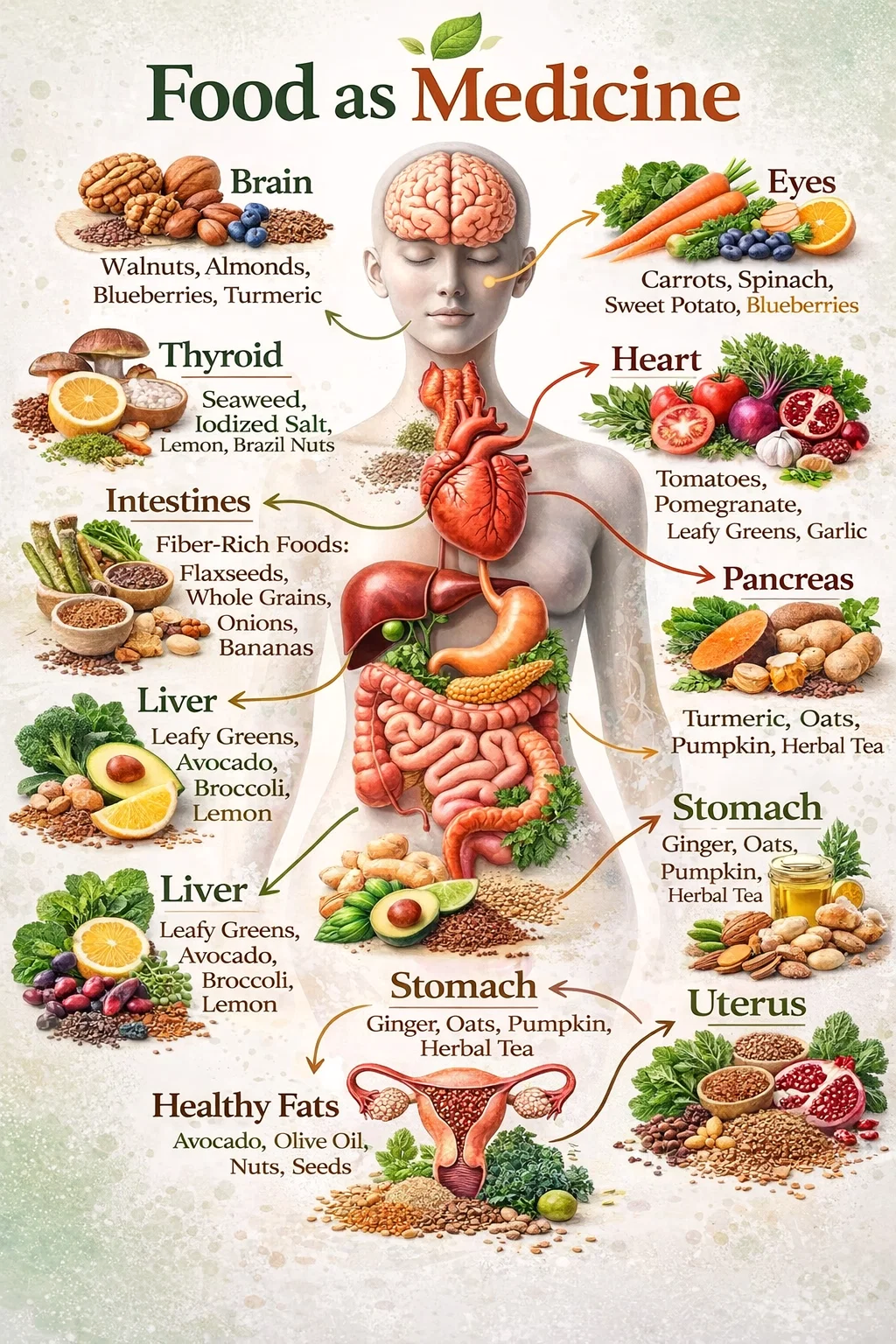
The brain is the most energy-demanding organ in the body, and its performance is directly tied to the quality of fats and antioxidants in your diet. To keep your memory sharp and your focus clear, you need to prioritize neuroprotective nutrients. Walnuts are a standout here, not only because they physically resemble the brain, but because they are packed with DHA, a type of Omega-3 fatty acid that supports cognitive function. Similarly, almonds provide Vitamin E, which helps prevent cognitive decline as we age.
Spices like turmeric play a vital role in brain health due to curcumin, which has potent anti-inflammatory and antioxidant benefits. It can cross the blood-brain barrier to help clear out plaque and reduce inflammation. Pair these with blueberries, often called brain berries, to improve communication between brain cells. Adding flaxseeds to your morning routine provides the essential fiber and alpha-linolenic acid needed to maintain the structural integrity of your brain’s silver matter.
Vision and Vitality: Nutrients for Your Eyes
In our modern world of screens and digital strain, supporting our vision has never been more important. The eyes require specific carotenoids like beta-carotene, lutein, and zeaxanthin to protect against oxidative damage and UV light. Carrots and sweet potatoes are famous for their high beta-carotene content, which the body converts into Vitamin A, essential for preventing night blindness and keeping the cornea clear.
Don’t overlook the power of leafy greens like spinach and kale. These vegetables act as a natural sunblock for your eyes, filtering out harmful blue light waves. Adding a burst of Vitamin C from oranges and blueberries helps maintain the health of the delicate blood vessels in the eyes, reducing the risk of cataracts and macular degeneration over time.
The Heart of the Matter: Cardiovascular Support
A heart-healthy diet is about more than just avoiding processed fats; it is about embracing foods that improve circulation and reduce arterial inflammation. Tomatoes are a superstar in this category because of lycopene, a powerful antioxidant that becomes even more bioavailable when cooked. Lycopene helps lower bad cholesterol and keeps your blood pressure in a healthy range.
Beets and pomegranates are incredible for blood flow. Beets are rich in nitrates, which the body converts into nitric oxide, relaxing the blood vessels and improving oxygen delivery. Garlic acts as a natural blood thinner and helps prevent the buildup of plaque in the arteries. By filling your plate with leafy greens, you provide the Vitamin K necessary to protect your arteries and promote proper blood clotting.
Metabolism and Hormonal Balance: Thyroid and Pancreas
The thyroid gland regulates your metabolism, while the pancreas manages your blood sugar levels. Both require specific minerals to function correctly. The thyroid relies heavily on iodine, making seaweed an essential addition to your diet. Using iodized salt in moderation and consuming sesame seeds can provide the zinc and selenium needed for thyroid hormone production. Lemon and citrus help by providing Vitamin C, which assists in the absorption of these vital minerals.
For the pancreas, maintaining steady insulin levels is the priority. Sweet potatoes provide a slow-release carbohydrate source that doesn’t spike blood sugar. Ginger and turmeric help improve insulin sensitivity, making it easier for your body to process glucose. Flaxseeds provide the fiber necessary to slow down sugar absorption, ensuring your pancreas isn’t overworked after a meal.
Digestive Harmony: Stomach and Intestines
Your gut is often referred to as your second brain, and its health dictates everything from your mood to your immune system. The stomach benefits immensely from soothing agents like aloe vera and herbal teas, which reduce acidity and calm the lining of the digestive tract. Ginger is a classic remedy for nausea and helps speed up gastric emptying, preventing that heavy, bloated feeling after eating.
Moving into the intestines, fiber is the absolute king. To keep things moving and feed your healthy gut bacteria, you need a variety of fiber sources. Bananas, onions, and asparagus act as prebiotics, which are the food for your probiotics. Whole grains and flaxseeds provide the bulk needed for regular movements, while garlic helps eliminate harmful bacteria and parasites, keeping your microbiome in balance.
Detoxification and Filtration: The Liver and Kidneys
The liver is your body’s primary filtration system, working tirelessly to neutralize toxins. To support this process, you need sulfur-rich foods and healthy fats. Broccoli and beans are excellent for phase two liver detoxification. Walnuts and greens provide the glutathione needed to neutralize free radicals during the cleaning process.
Avocados are particularly beneficial for the liver because they help the body produce glutathione and provide healthy monounsaturated fats that reduce liver inflammation. Lemon water in the morning is a simple way to jumpstart liver enzymes. By consuming leafy greens and turmeric, you provide the bitter compounds and anti-inflammatories that keep bile flowing and toxins moving out of the body.
Reproductive Health and the Uterus
For women, nutrition plays a massive role in hormonal regulation and reproductive health. The uterus and overall hormonal balance are supported by foods that mimic or regulate estrogen and provide essential minerals. Pomegranates are rich in antioxidants that support blood flow to the pelvic region. Lentils and beans provide plant-based proteins and iron, which are vital for a healthy menstrual cycle.
Flaxseeds and sesame seeds are part of a practice known as seed cycling, which can help balance estrogen and progesterone levels. Kale and other cruciferous vegetables help the liver metabolize excess estrogen, preventing hormonal imbalances that lead to conditions like PCOS or endometriosis. Including these foods ensures the reproductive system has the raw materials it needs for optimal function.
The Importance of Healthy Fats
It is impossible to talk about organ health without mentioning healthy fats. Your brain is 60 percent fat, and your hormones are literally made from cholesterol and fat. Using olive oil, eating nuts, and enjoying seeds provides the essential fatty acids that keep your cell membranes flexible and your nervous system insulated. These fats also allow you to absorb fat-soluble vitamins like A, D, E, and K from your vegetables.
The Anti-Inflammatory Trio: Ginger, Turmeric, and Garlic
If there were three ingredients to keep in your kitchen at all times, they would be ginger, turmeric, and garlic. This trio works together to lower systemic inflammation, which is the root cause of most chronic diseases. Whether you are dealing with joint pain, digestive upset, or cardiovascular issues, incorporating these three into your daily cooking can provide a natural pharmaceutical-grade boost to your healing process.
Building a Lifestyle Around Food as Medicine
Transitioning to a food-as-medicine lifestyle isn’t about perfection; it is about intention. It is about looking at a piece of avocado or a handful of blueberries and recognizing the biological magic they perform within your body. When you start to view your meals as opportunities for healing, your relationship with food changes from one of restriction to one of abundance.
Start small by incorporating one “power food” for a specific organ each day. Perhaps you add flaxseeds to your yogurt for your heart and digestion, or you swap your afternoon snack for walnuts to help your brain get through the workday. Over time, these small choices compound, leading to a vibrant, energetic life where your body feels supported and resilient.
Conclusion: Your Path to Natural Vitality
The human body has an incredible capacity to heal when it is given the right tools. By choosing whole, vibrant foods like the ones discussed today, you are essentially providing your organs with a personalized repair kit. From the cognitive boost of walnuts to the digestive support of ginger, nature has provided everything we need to thrive. Remember that consistency is the key to seeing results. Treat your kitchen like your pharmacy, your meals like your medicine, and your body will thank you with years of health, clarity, and strength. Save these tips, head to the grocery store, and start nourishing your way to a better you today.