
Period Day 2 Self-Care Routine Cozy Tips for Cramps Mental Health
Let’s be honest: Day 2 of your period is often the ultimate test. It’s the day when cramps can feel like an enemy attack, fatigue settles in like a heavy fog, and your emotional thermostat is completely out of whack. If you find yourself curling into a ball, dreading the next few hours, you are not alone. It’s the peak of the menstrual cycle’s physical and hormonal storm, and sometimes just surviving the day feels like an achievement.
But what if, instead of fighting through the discomfort, you leaned into it with intention? What if you decided that your body deserves an extra dose of kindness during its toughest time? That’s where a dedicated, thoughtful self-care routine for period day 2 comes in. This isn’t about being “productive” or ignoring the pain; it’s about gentle healing, radical comfort, and supporting your well-being so you can come out on the other side feeling restored, not just depleted.
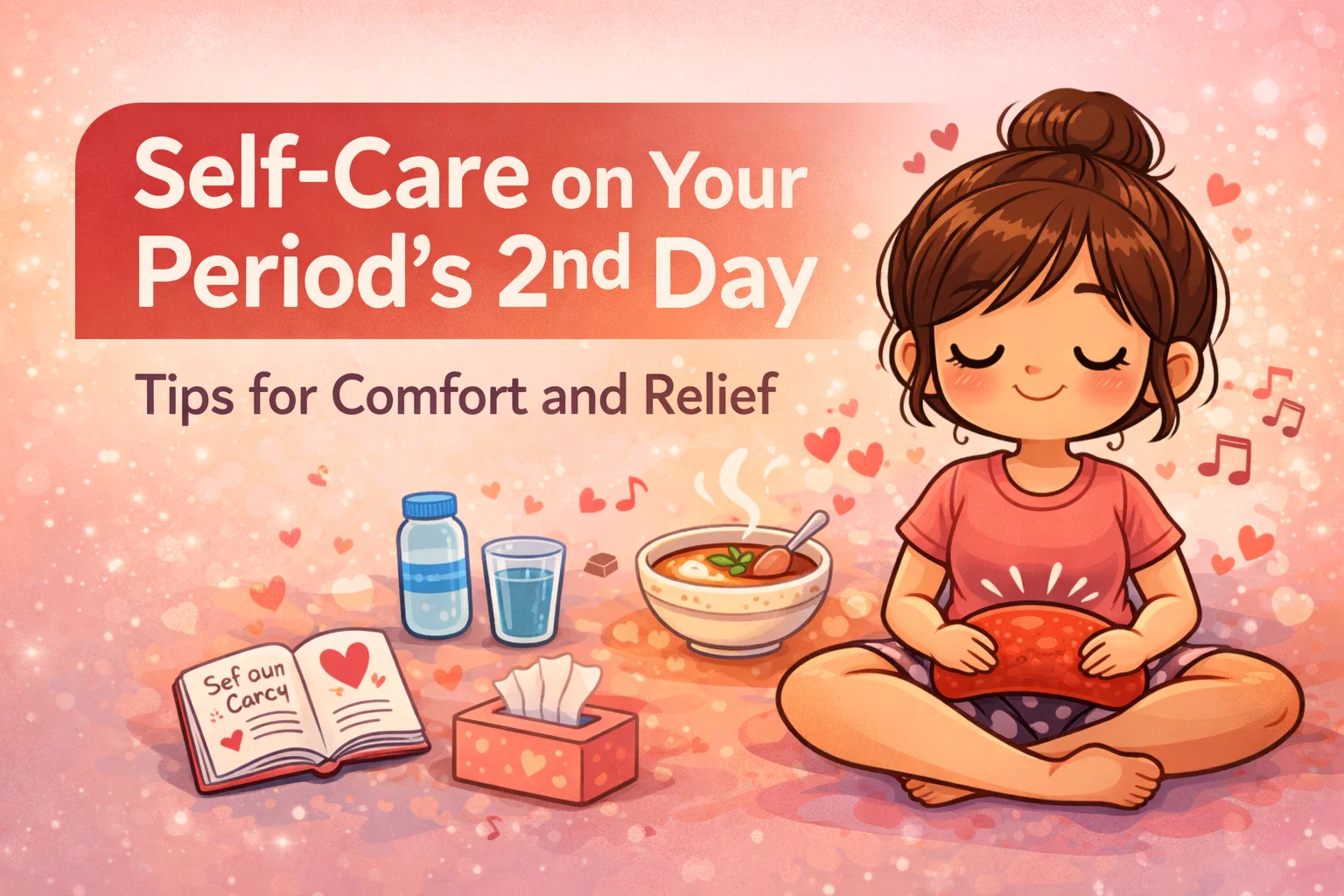
The infographic we are analyzing today beautifully captures this sentiment with a checklist of cozy, gentle tips designed for girls and young women. It visually translates the feelings of menstruation into tangible actions of kindness. If you’ve struggled to find a rhythm during your period, here is your permission slip to slow down. Let’s dive deep into why Day 2 requires its own unique strategy and break down the science-backed, comfort-first steps that will help you thrive, even when you feel your worst.
Why Is Day 2 So Hard, Anyway? The Menstrual Peak Explained
If you have ever wondered why day 2 feels significantly worse than day 1 or day 5, it isn’t just in your head. It’s science. Your menstrual cycle is a sophisticated dance of hormones, and the start of your period (day 1) marks the lowest point of estrogen and progesterone. By day 2, while these hormones are still low, your body is actively doing its most intense work. Let’s understand what is happening inside your body so we can better care for it outside.
Prostaglandins: The “Cramp Hormones” Peak
The physical sensation we call “cramps” is caused by a group of fatty acid compounds called prostaglandins. Their job is to tell your uterine muscles to contract and shed the lining. Crucially, your body produces the most prostaglandins during the first two days of your period. This creates intense muscle contractions (cramps). What’s more, if these chemicals leak into the bloodstream, they can cause other symptoms we all know and hate: headaches, nausea, and even the dreaded “period poops.” By day 2, prostaglandin activity is often at its peak, which is why your abdomen can feel like it is in an actual vice.
Inflammation and Immune Response
The process of shedding the uterine lining is, biologically speaking, an inflammatory process. Your immune system is activated, causing systemic inflammation throughout your body. This explains why you might feel overall body aches, joint pain, or just a general sense of being “unwell” and run-down. You aren’t just imagining the sluggishness; your immune cells are literally at work.
The Final Drop and Rising of Energy
Day 2 is often the point where your physical energy feels its absolute lowest. Estrogen is low, prostaglandins are high, and the inflammatory response is peaking. It’s the bottom of the energy curve. But, there is good news! As day 2 ends and day 3 begins, your body starts its slow trek toward rising estrogen again. Day 2 is the peak challenge. If you can create a sanctuary for yourself during this maximum demand, the rest of your period will feel so much lighter.
The Essential Day 2 Self-Care Checklist: Your Plan for Cozy Healing
The image above provides a beautiful visual roadmap of simple, effective actions to take on day 2. Let’s expand on each of these areas, adding context, tips, and the science behind why they are so powerful.
1. Use a Heating Pad: The Universal Comfort-Enhancer
The central advice of our infographic, and frankly the most non-negotiable step for many, is using a heating pad. “Ahh, that’s cozy” is the perfect way to describe the effect. But heat therapy is more than just feeling nice; it’s scientifically validated period pain relief.
- Muscle Relaxation: The primary cause of cramps is your uterine muscles contracting. Applying focused heat on your lower abdomen causes those muscles to relax, almost like a massage from the inside. This instantly reduces the intensity of the spasms.
- Improved Blood Flow: The muscle contractions can also restrict blood flow to the uterus, which itself causes pain (ischemia). Heat dilates your blood vessels, which improves blood circulation. Better circulation removes waste products (like lactic acid, which builds up during muscle strain) and brings in oxygen-rich blood, which helps heal and soothe the tissue.
- Nerve Soothing: The heat stimulates sensory receptors in your skin, which can actually help block the pain signals that are being sent to your brain. This makes it an incredibly effective, non-invasive analgesic.
Try using a microwaveable flaxseed bag, a plug-in electric heating pad, or, if you have to be mobile, single-use air-activated heat patches that stick to your underwear. It’s an easy but foundational way to care for your body on day 2.
2. Rest & Relax: Giving Your Body a True Break
Day 2 is not the time to hit a personal best at the gym, and it is certainly not the time to run on four hours of sleep. The infographic emphasizes “Rest & Relax,” often accompanied by “Zzz” symbols for a reason. Your body is doing intense physical and physiological work; it is expending a huge amount of energy.
- Prioritize Sleep: Your sleep cycles are often disrupted before your period due to a rise in body temperature and lower progesterone. By day 2, your body temperature is dropping, and you may finally be able to sleep more deeply. Lean into that. Aim for an extra hour of sleep or a short nap if possible. Sleep is when your body focuses on tissue repair and hormone regulation.
- Listen to Your Body’s Signals: If you feel a sudden wave of fatigue, that isn’t a sign of laziness; it’s a direct signal from your nervous system. Fighting it only increases your stress hormones (cortisol), which in turn makes inflammation and pain worse. Instead of a high-intensity workout, opt for gentle rest.
- Cancel the Non-Essential: Seriously. Day 2 is a valid reason to postpone an event, order dinner, or save the chores for another time. Prioritizing your recovery is a highly productive act.
3. Eat Comforting Foods: Nourishing Both Body and Soul
Your period, particularly the first few days, is not the time to restrict or worry about eating “perfectly.” Your body’s nutritional needs are high, and your energy reserves are low. Comfort food is a powerful tool when used mindfully.
- Dark Chocolate: The inclusion of dark chocolate in our infographic is backed by nutrition! Dark chocolate (over 70% cacao) is high in magnesium, which acts as a natural muscle relaxant. It can help reduce cramp severity. Plus, its ability to boost serotonin levels is a great way to stabilize your mood. A square or two is a perfect, supportive treat.
- Warm and Hydrating Foods: The soup pictured is an excellent choice. Warm foods have a comforting, grounding effect. More importantly, warm foods and liquids are easy to digest, which is helpful if your digestive system is already reacting to prostaglandins. Soups, broths, and stews are also hydrating and packed with the electrolytes you need, especially if you have had a heavy flow.
- Focus on Nourishment: Think about what is cozy and satisfying. Maybe it’s a bowl of oatmeal, some whole-grain toast, or a simple pasta dish. Choose foods that make you feel nourished from the inside out, avoiding things that make you feel bloat, like overly sugary or highly processed snacks, which can worsen inflammation.
4. Stay Hydrated: Water is Your Secret Weapon Against Cramping
Staying hydrated might sound basic, but it is one of the single most overlooked ways to manage period pain. The image highlights a glass and a bottle of water, which is a perfect reminder to drink up.
- Cramps and Dehydration: Dehydration is a major, though hidden, cause of all types of muscle cramping. When your body is dehydrated, it can’t regulate electrolytes properly, which causes muscles to spasm. Drinking adequate water can dramatically reduce the duration and severity of menstrual cramps.
- Reducing Bloating: Paradoxically, when you are slightly dehydrated, your body will cling to any water it has, which leads to fluid retention and bloating. Drinking more water signals to your kidneys to release extra fluid, which helps flush out the water retention and make you feel less full and bloated.
- Sustaining Energy and Flow: Hydration is critical for keeping blood volume and flow efficient. This supports better circulation to the uterus and also keeps your energy levels up. Aim to keep a bottle near your bedside or desk all day.
5. Listen to Calm Music: A Shortcut to Your Brain’s Calm Center
Caring for your body is only half the battle; day 2 often comes with a hefty side of mental and emotional strain. The image reminds us to grab a pair of headphones and listen to calm music.
- Nervous System Regulation: When you are in physical pain, your body often enters a “fight or flight” stress response, raising cortisol and heart rate. Slow, melodic, calming music has been shown to lower heart rate and blood pressure, shifting your nervous system from “fight or flight” into the restorative “rest and digest” state. This creates a powerful environment for your body to heal.
- Pain Distraction: Music acts as a cognitive distracter. It engages different parts of your brain, making it harder for pain signals to dominate your focus. A curated, chill playlist is a scientifically valid form of pain management.
- Emotional Soothing: Period day 2 can bring mood swings, sadness, or intense anxiety. Music has an incredible ability to regulate our emotions. Let yourself listen to whatever music helps you feel safe, calm, and held, whether that is classical, lofi, or just the gentlest tunes from your favorite artists.
6. Practice Deep Breaths: Simple, Accessible, and Potent
Deep breathing, often shown being practiced by a girl in yoga-like poses, is one of the most immediate and effective tools you have to change your physical and mental state. It doesn’t require any equipment and is accessible anytime.
- Muscle and Pelvic Floor Relaxation: When you take slow, deep “belly breaths,” your diaphragm expands down, and this expansion gently helps to relax your abdominal muscles and your entire pelvic floor. This conscious relaxation acts as a direct counter to the cramping contractions of your uterus.
- Activating the Vagus Nerve: Slow, deep exhalations activate your vagus nerve. This nerve is a key part of your parasympathetic nervous system, responsible for calming the body and reducing stress. Just a minute or two of slow breathing will immediately drop your heart rate and begin to relax your entire system.
- Mindfulness over Pain: Concentrating on your breath pulls your focus away from the intensity of a cramp. Instead of reacting to the pain with shallow breaths and muscle tension, which makes the cramp feel worse, you are breathing space and oxygen into that part of your body. Try “box breathing”: inhale for 4 counts, hold for 4, exhale for 4, and hold empty for 4.
7. Use a Self Care Journal and Be Kind to Yourself: Healing Your Inner World
The last part of the checklist focuses on our mental well-being, including writing in a “Self Care Journal” and the powerful mantra, “Be Kind to Yourself. It’s okay to rest.” Day 2 is as much an emotional hurdle as a physical one.
- Mental De-Cluttering: Writing can be incredibly therapeutic. When you feel overwhelmed, in pain, and emotionally raw, getting those thoughts and feelings out of your head and onto paper can create instant mental space. A journal lets you process the discomfort without judgment.
- Self-Compassion is Key: In a world that constantly tells us to “hustle,” the concept of “being kind to yourself” can feel revolutionary. Your inner critic might call you lazy for resting. Your journal can be a space to talk back to that voice. Write down a list of simple things you did that were helpful: “I filled my heating pad,” “I drank a full glass of water.” This shifts your focus from what you aren’t doing to how you are proactively taking care of yourself.
- Tracking and Validation: Over time, your journal can also help you track what works. Which foods made you feel better? Did a certain song calm you down? Was the heating pad more effective in the morning? This creates a personalized database for future periods. But ultimately, the real magic is the intention: using the journal to treat your emotional self with the same kindness and care you treat your physical self.
Conclusion: Embrace Your Power to Self-Soothe
Day 2 of your period is undeniably tough. It is the peak of the physical work your body has to do. But tougher still is fighting against it. This isn’t about ignoring the pain or pushing through the exhaustion. In fact, it’s about the exact opposite. True strength and resilience aren’t about being untouchable; they are about knowing exactly when and how to care for yourself when you feel most vulnerable.
The gentle, cozy tips from our checklist are your tools for reclaiming power over how you experience this day. They are not grand, expensive, or complex. They are the beautiful, accessible acts of radical self-care that remind your body and mind that they are safe, they are cared for, and this, too, shall pass. So the next time Day 2 rolls around, don’t dread it. Choose to see it as your signal to create a sanctuary. Turn on that music, heat that pad, pour that tea, and declare that on your period’s toughest day, you are going to be your own greatest source of comfort and healing. You deserve it.
Similar Posts
How to Make Natural Soap from Soapwort The Eco-Friendly Wild Plant Laundry Guide
Discovering a plant that can actually clean your clothes feels like stumbling upon a secret from a forgotten era. In a world dominated by synthetic fragrances and complex chemical formulas, soapwort stands as a testament to the ingenuity of nature. Known scientifically as Saponaria officinalis, this hardy perennial has been a staple in European and…

Natural Remedies What to Eat When Youre Sick for Faster Recovery Better Health
When you wake up with a scratchy throat or a pounding headache, your first instinct might be to reach for the medicine cabinet. However, some of the most effective tools for recovery are actually sitting right in your kitchen. Food is more than just fuel; it is a complex delivery system for vitamins, minerals, and…
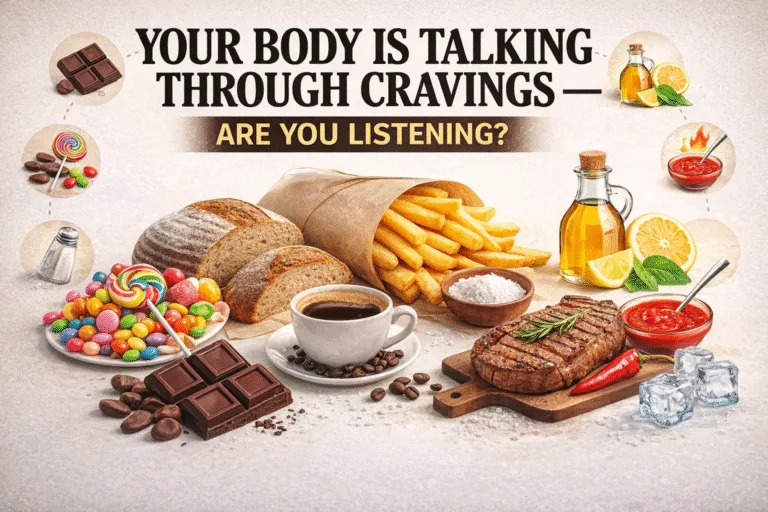
Food Cravings Chart Decode What Your Body Actually Needs
Have you ever found yourself staring into the pantry late at night, overwhelmed by an intense desire for a specific snack? You are definitely not alone in this experience. Many of us encounter intense food cravings and immediately feel a sense of guilt, assuming we just lack willpower or discipline. But what if those sudden,…
15 Simple Winter Self-Care Ideas to Fill Your Cup at Home Cozy Winter Wellness Checklist
When the temperature drops and the days grow shorter, it is easy to feel a sense of seasonal fatigue. The vibrant energy of summer fades into a quiet, colder reality that often leaves us feeling drained and uninspired. This is the perfect time to shift your focus inward and embrace the art of filling your…
Japanese Morning Ritual How to Lose 5kg in 7 Days with This Ancient Fat Burning Routine
Imagine waking up every morning feeling lighter, more energized, and completely in tune with your body. For centuries, the secret to longevity and a slender physique has been woven into the daily fabric of Japanese culture. It is not about restrictive fad diets or grueling hours at the gym; instead, it is about a series…
Its a Great Week to Heal Your Mind 14 Daily Habits for Mental Clarity Inner Peace
Embracing a journey toward mental wellness is one of the most transformative gifts you can give yourself. In a world that often demands constant productivity and relentless noise, taking a deliberate step back to heal your mind is not just a luxury, it is a necessity for a vibrant life. The image we are exploring…