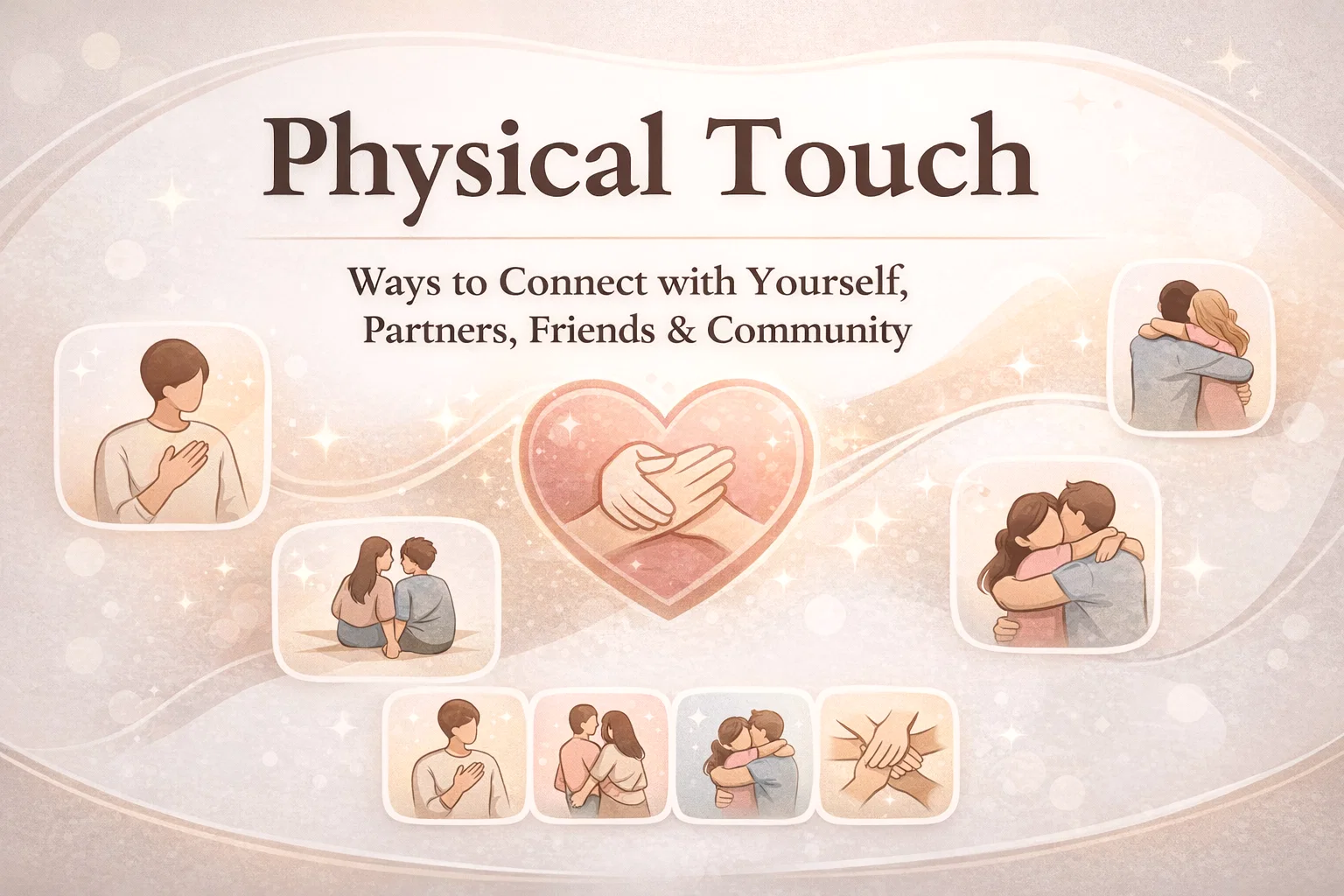
Physical Touch Love Language Guide Tips for Self, Friends, Partners Community Connection
The concept of love languages has revolutionized how we understand our emotional needs, but physical touch often remains the most misunderstood of the five. Many people mistakenly believe this language is strictly reserved for romantic partners or that it solely revolves around physical intimacy. However, when we look at the core of human connection, touch is actually our first language. From the moment we are born, skin-to-skin contact regulates our breathing, lowers our heart rate, and tells our nervous system that we are safe. This profound biological impact does not disappear as we grow up. Instead, it evolves into a sophisticated tool for building trust, providing comfort, and fostering a sense of belonging across every area of our lives.
By expanding our definition of physical touch, we open the door to a more grounded and somatic way of living. It is about presence and the tangible experience of being alive in a body. Whether you are navigating the complexities of a long-term partnership, deepening a friendship, or simply trying to soothe your own anxiety after a long day, intentional touch acts as an anchor. It moves us out of our busy, overthinking minds and back into the felt reality of the present moment. Let us explore how to weave this powerful thread of connection through the four pillars of a fulfilling life: self, friendship, partnership, and community.
Cultivating the Art of Self Soothe
Before we can effectively connect with others, we must first learn how to inhabit our own skin with kindness. Self-directed touch is a vital yet frequently overlooked aspect of self-care. It serves as a somatic signal to the brain that the environment is secure. When you are feeling overwhelmed, your body enters a state of high alert. While talk therapy and journaling are excellent tools, sometimes the quickest way to calm a fired-up nervous system is through direct physical contact.
The Power of Heart Connection
One of the simplest and most effective ways to practice self-touch is the heart connection. When you feel your chest tightening or your breath becoming shallow due to stress, try placing one or both hands firmly over your heart. This gentle pressure stimulates the vagus nerve, which is responsible for the body’s rest and digest response. Close your eyes and feel the warmth of your palms against your skin. This small act of self-compassion can lower cortisol levels almost instantly, reminding you that you are your own safest harbor.
Sensory Comfort and Grounding
Our environment plays a huge role in our physical well-being. Using tactile objects to ground your energy is a form of passive physical touch that provides immense comfort. Weighted blankets have gained popularity for a reason; the deep pressure stimulation they provide mimics the feeling of being held, which can significantly reduce anxiety and improve sleep quality. Similarly, something as simple as holding a warm mug of tea can engage your senses and pull you back into the “now.” The heat radiating into your hands provides a subtle but constant physical input that helps quiet a racing mind.
Somatic Release Techniques
Physical tension often lives in our muscles long after a stressful event has passed. To truly practice the love language of touch with yourself, you must find ways to release this stored energy. The Emotional Freedom Technique, or EFT tapping, involves gently tapping on specific meridian points on the body while focusing on a feeling or thought. This physical engagement helps “unstick” emotional blockages. Additionally, a dedicated nightly stretching routine or a slow, intentional application of lotion can transform a mundane chore into a ritual of somatic appreciation. It is about acknowledging that your body is a vessel that deserves to be tended to with care.
Nurturing Friendships Through Respectful Connection
In many cultures, physical touch between friends is limited or even viewed with hesitation. However, human beings are social animals who thrive on communal warmth. Bringing the love language of touch into friendships requires a high degree of emotional intelligence and a commitment to consent, but when done right, it builds an unbreakable sense of camaraderie and support.
The Healing Power of a Hug
The most common form of platonic touch is the hug. While a quick, polite pat on the back is fine, a genuine, lingering hug can actually release oxytocin, the “bonding hormone.” When you greet a close friend with a warm embrace, you are reinforcing the idea that they are welcome in your space. It is a non-verbal way of saying, “I see you, and I am glad you are here.” Of course, it is always important to read the room and respect personal boundaries, as everyone has a different “touch threshold” based on their upbringing and personality.
Casual Support and Shared Movement
Physical connection with friends doesn’t always have to be a big gesture. Sometimes, it is the micro-touches that build the most comfort. Linking arms while walking through a park, a high-five after a shared success, or a supportive hand on a shoulder during a difficult conversation are all ways to communicate presence. These small acts break down the invisible walls we often build around ourselves, creating a more relaxed and open dynamic where everyone feels supported.
Grounding Exercises for Anxious Moments
When a friend is going through a hard time, words often fail us. In these moments, physical grounding can be more effective than any advice. If a friend is feeling panicked or disconnected, suggest a shared grounding exercise. You might sit side-by-side on the floor, focusing on the sensation of the ground beneath you. By physically mirroring their posture or staying within their peripheral vision, you provide a “tether” to reality. This shared physical experience creates a safe container for them to process their emotions without feeling alone in their body.
Deepening Intentional Intimacy in Partnerships
For those in romantic relationships, physical touch is often the primary way love is expressed. However, the danger in long-term partnerships is that touch can become “functional” or routine. We kiss hello and goodbye, we sleep in the same bed, but we might lose the intentionality that makes touch truly nourishing. Reclaiming the love language of touch in a partnership means moving beyond the expected and into the realm of conscious connection.
Creating Secure Bases with Micro-Moments
The health of a relationship is often found in the “micro-moments” of connection. These are the small, seemingly insignificant touches that happen throughout the day. Holding hands while running errands, a soft brush against the back as you pass in the kitchen, or resting your head on their shoulder while watching a movie. These gestures create what psychologists call a “secure base.” They act as constant reminders that you are a team, providing a sense of safety that carries over into every other aspect of your life together.
The Magic of Shared Breath
One of the most intimate somatic practices a couple can engage in is synchronized breathing. When one or both partners are feeling stressed, try a “three-breath hug.” Stand chest-to-chest, wrap your arms around each other, and take three deep, slow breaths in unison. This practice forces your nervous systems to co-regulate. It stops the momentum of a busy day and brings both people back into a shared rhythm. It is a powerful way to de-escalate tension and remind yourselves of the physical bond you share.
Parallel Presence and Passive Touch
Physical touch doesn’t always have to be active or demanding. Sometimes, the most comforting connection is simply “being” together. This is often called parallel presence. You might both be reading separate books or working on different tasks, but you are sitting close enough that your legs or shoulders are touching. This passive touch allows you to maintain a sense of “us” while still respecting individual autonomy. It provides a constant, low-level stream of comfort that keeps the connection alive without needing a constant conversation.
Building Community Through Embodied Connection
Finally, we must consider how physical touch and presence function on a larger scale. In our increasingly digital world, we often lack “embodied” community experiences. Being part of a community is not just about shared ideas; it is about shared space and tactile interaction. Expanding your love language to include your community helps fight the modern epidemic of loneliness.
Rhythmic and Collective Movement
There is something ancient and powerful about moving in a group. Participating in a dance class, a drum circle, or a group yoga session allows you to feel the collective energy of the people around you. While you might not be directly touching every person in the room, the shared rhythm creates a “touch-adjacent” experience. You are physically sensing the presence of others, which regulates your own energy and creates a profound sense of belonging to something larger than yourself.
The Tactile Nature of Shared Work
Community is often built through “hands-on” activities. Working together in a community garden, helping a neighbor move furniture, or participating in a local building project provides a shared tactile experience. When you are elbow-deep in soil with another person or carrying a heavy load together, you are communicating through physical effort. This shared labor fosters a unique kind of trust that cannot be replicated through a screen. It reminds us that we are physical beings who rely on each other for survival and growth.
Creative Circles and Presence-Based Connection
Joining a group that focuses on tactile crafts—such as pottery, knitting, or woodworking—is another way to experience community connection. These “craft circles” provide a space where the focus is on the physical materials in front of you. Being in a shared space where everyone is engaged in tactile work creates a calm, focused environment. The presence of others, combined with the sensory satisfaction of creating something with your hands, provides a deeply grounding and socially fulfilling experience.
Embracing the Full Spectrum of Touch
The love language of physical touch is a vast landscape waiting to be explored. It is not limited to a single person or a single type of relationship. By recognizing the importance of somatic connection in our own lives, our friendships, our romances, and our communities, we create a more resilient and regulated version of ourselves. Touch is a reminder that we are not just minds floating in a digital void; we are physical beings who need warmth, pressure, and presence to thrive.
As you move forward, I encourage you to look for opportunities to be more intentional with your touch. Start small. Perhaps it is a longer hug for a friend, a conscious hand on your own heart during a tough meeting, or simply sitting closer to your partner tonight. Each of these moments is a deposit into your emotional bank account. By prioritizing physical connection, you are choosing to live a more embodied, vibrant, and connected life. Remember that your body is your first home and your first tool for connection—treat it, and the bodies of those around you, with the reverence they deserve.