
Physical Touch Love Language Ideas How to Connect with Self, Friends, Partners
Physical touch is one of the most misunderstood and pigeonholed of the five love languages. While many people immediately associate it with romantic intimacy, it is actually a fundamental biological requirement for human health, mental stability, and community bonding. From the moment we are born, touch serves as our first language, communicating safety, belonging, and love before we can even process words. When we expand our understanding of physical touch beyond the bedroom, we unlock a powerful tool for regulating our nervous systems and deepening our connections with everyone in our lives.
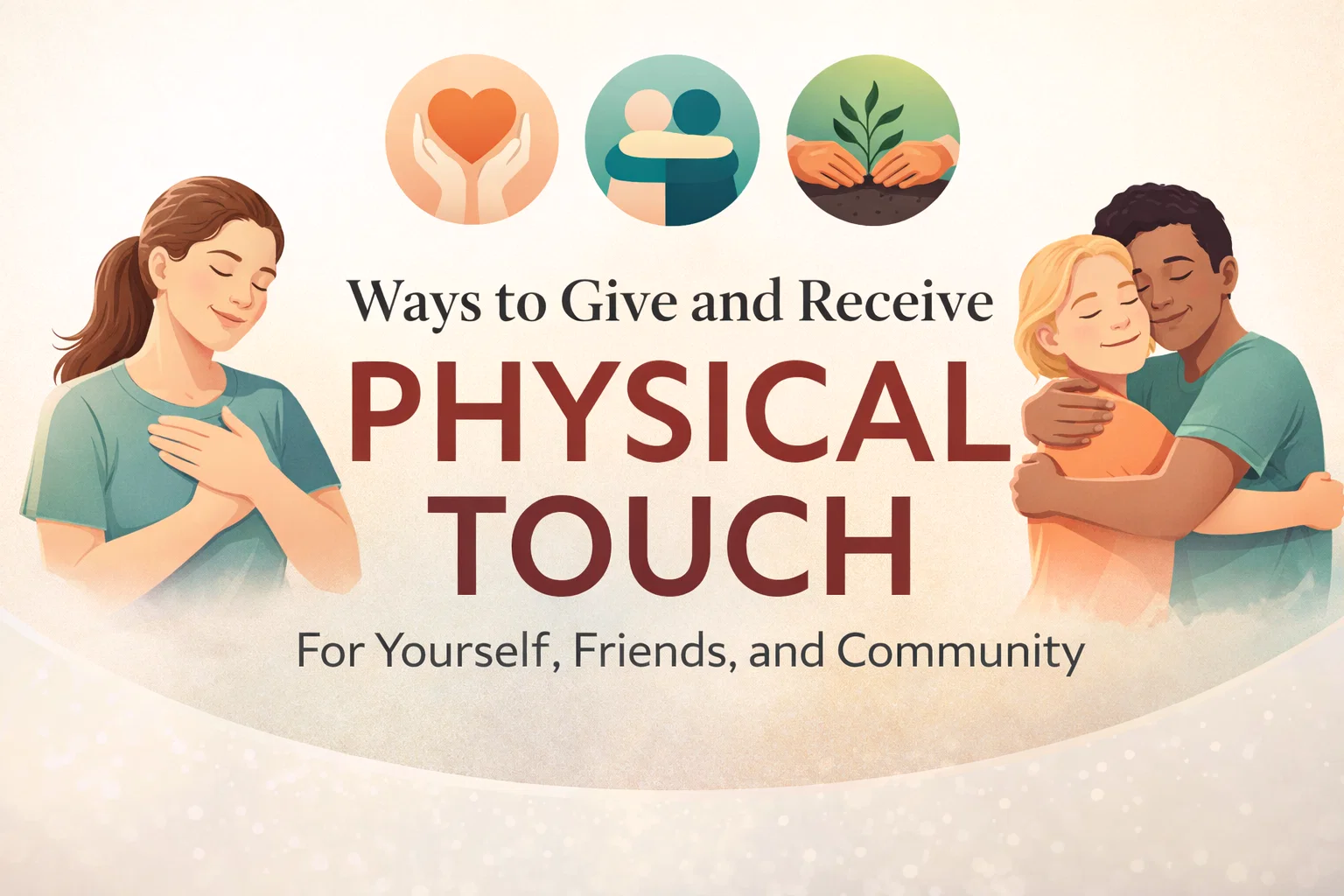
The image we are analyzing highlights a beautiful spectrum of how touch manifests in self-care, friendships, partnerships, and even the broader community. It challenges the modern epidemic of touch starvation by providing practical, safe, and intentional ways to reintegrate tactile sensations into our daily routines. Whether you are a primary physical touch person or someone looking to support a loved one who is, understanding these nuances can transform your social and emotional well-being.
The Science of Touch: Why Our Bodies Crave Connection
Before diving into specific ideas, it is helpful to understand why physical touch feels so good. When we experience skin-to-skin contact or even deep pressure, our brains release oxytocin, often called the cuddle hormone. This chemical helps lower cortisol levels, which is the primary hormone responsible for stress. By reducing cortisol and increasing oxytocin, touch acts as a natural antidepressant and anxiolytic.
Furthermore, touch plays a massive role in our nervous system regulation. The vagus nerve, which wanders from the brain through the heart and digestive system, responds to tactile stimulation. This is why a simple hug or a hand on the shoulder can literally slow down a racing heart. In an increasingly digital world where we interact through screens, intentional physical touch is the grounding force that reminds our bodies we are safe and connected to the physical world.
1. Nurturing the Self: Tactical Self-Care
Many people forget that they can speak their own love language. If your primary love language is physical touch, you do not have to wait for someone else to provide that comfort. Tactical self-care is about using your own body and environment to create a sense of security.
Weighted Blankets and Deep Pressure Therapy
One of the most effective tools for solo physical touch is the weighted blanket. These blankets use glass beads or heavy fabric to provide even pressure across the body, mimicking the sensation of being held or hugged. This is particularly useful for people who struggle with insomnia or sensory processing issues. The deep pressure helps the brain transition from the sympathetic nervous system, which is the fight or flight mode, to the parasympathetic nervous system, which is the rest and digest mode.
Grounding Rituals and Sensory Awareness
Grounding is a technique used to pull you out of an anxious spiral and back into your body. You can practice this through simple tactile habits:
- EFT Tapping: Emotional Freedom Technique involves tapping on specific meridian points on the body to release tension and process emotions.
- Temperature Therapy: Holding a hot cup of tea and focusing on the warmth in your palms, or taking a cold shower to “reset” your internal thermostat.
- Moisturizing with Intent: Instead of rushing through your skincare, take five minutes to massage lotion into your feet or hands. Focus on the texture and the sensation of your own skin.
2. Strengthening Friendships: Safe and Supportive Contact
In many cultures, physical touch between friends is common, but in others, it can feel awkward or off-limits. However, non-romantic touch is vital for building trust and platonic intimacy. The key here is always consent and comfort levels.
Celebratory and Low-Stakes Touch
Not every touch needs to be a long hug. Small, frequent gestures often do more for a friendship than one big event. A high-five after a shared success, a quick squeeze of the arm when a friend tells a joke, or a supportive hand on the back when they are feeling down can reinforce a bond. These micro-connections signal that you are physically present and attentive to their emotional state.
Service-Based Physicality
Sometimes, touch is easier to give and receive when it is tied to an activity. This is often called service-based touch. Examples include:
- Offering to braid a friend’s hair or help them style it.
- Giving a quick shoulder rub if you notice they are hunching over a computer.
- Helping a friend with a physical task, like moving furniture or gardening, where your hands might brush together in a natural, unforced way.
3. Deepening Partnership: Beyond the Basics
While physical touch is often a cornerstone of romantic relationships, it can sometimes become routine or purely functional. To keep the connection alive, partners should focus on intentional, non-sexual touch that fosters a sense of being truly seen.
The 3-Breath Hug Technique
This is a powerful co-regulation tool. When one or both partners are feeling overwhelmed, stand together and hug. Instead of a quick squeeze, hold the hug and take three long, deep breaths together. Try to synchronize your inhales and exhales. By the third breath, your heart rates will often begin to sync up, and your nervous systems will signal to each other that the danger has passed and you are safe in each other’s company.
The Importance of Parallel Play
Parallel play isn’t just for toddlers. In adults, it refers to the act of being in close physical proximity while doing different things. You might be reading a book while your partner is on their laptop, but if your feet are touching or you are leaning against each other, you are still maintaining a physical connection. This allows for a “touch-adjacent” bond that provides comfort without requiring constant active engagement.
4. Connection in Community: Shared Physicality
We often overlook the power of collective energy. You don’t always need to be touching another person to feel the benefits of being in a “physical” community. Shared movement and proximity can be just as healing as a direct embrace.
Movement and Creative Circles
Participating in activities like dance classes, yoga sessions, or martial arts creates a sense of collective identity. When a room full of people moves in unison, it creates a powerful energetic shift. Similarly, “tactile circles” like knitting groups or community pottery classes allow people to work with their hands in a shared space. The focus on texture and creation, combined with the presence of others, fulfills a deep-seated need for social belonging.
Hands-On Volunteering
Volunteering for physical projects, such as a community garden or building a playground, provides a unique form of connection. Working side by side, passing tools, or lifting heavy objects together creates a bond through shared physical labor. This type of “shoulder-to-shoulder” interaction is often easier for people who might be shy about direct face-to-face physical touch but still crave the warmth of human presence.
Navigating Boundaries and Consent
It is impossible to discuss physical touch without mentioning boundaries. Everyone has a different “skin hunger” level and different comfort zones based on their upbringing, culture, and personal history. Always ask before initiating touch, especially with friends and colleagues. Simple phrases like, “I’d love to give you a hug, is that okay?” or “Can I give you a high-five?” go a long way in ensuring that the touch remains a positive, healing experience for everyone involved.
Creating a Touch-Rich Environment
If you want to incorporate more physical touch into your life, start small. Begin with your self-care routine, then slowly extend those habits to your closest relationships. You might find that by being more intentional with how you use your body to interact with the world, your stress levels drop and your sense of happiness increases.
The 10-Minute Rule
A great way to start is the 10-minute rule. Spend 10 minutes a day focused purely on tactile sensations. This could be 10 minutes of stretching, 10 minutes of petting your dog or cat, or 10 minutes of sitting closely with a loved one. By dedicating this specific time, you train your brain to value and recognize the importance of touch.
Conclusion: A More Connected Future
Physical touch is a language that speaks directly to our souls. It bypasses the complexities of logic and hits the lizard brain, telling us that we are not alone. By diversifying how we view and use touch, we can create a life that feels more grounded, less stressful, and more deeply connected. From the comfort of a weighted blanket to the shared rhythm of a community dance, every tactile moment is an opportunity to heal and grow. Take a moment today to acknowledge your own need for touch and find one small way to fulfill it. Your body and your mind will thank you.