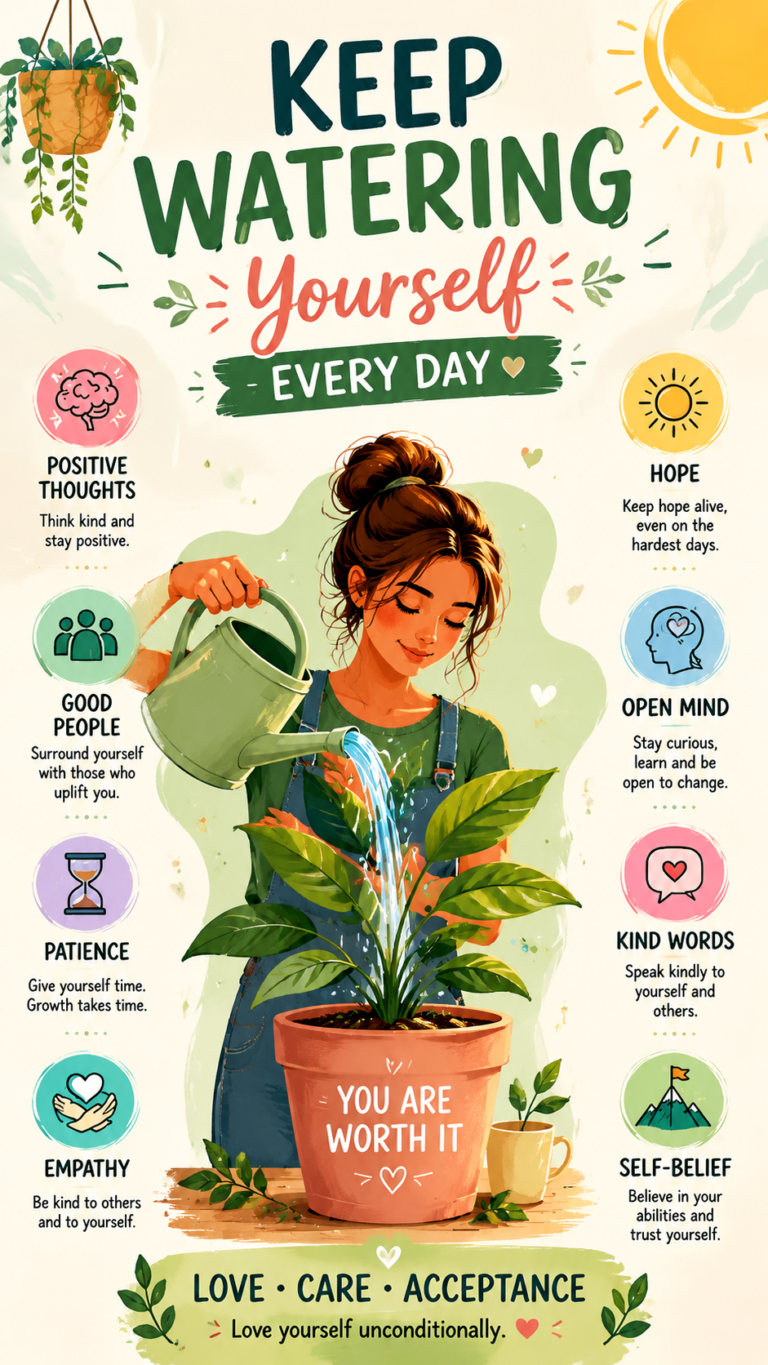
The Boundary Within Self-Boundaries for Women That Change Everything
The most powerful boundaries are not always the ones we set with other people. While conversations about boundaries often focus on relationships, work environments, family dynamics, and social obligations, there is another boundary that quietly influences every decision we make. It is the boundary we establish with ourselves. This internal line determines whether fear controls our actions, whether self-doubt shapes our choices, and whether temporary emotions dictate our long-term direction.
Many women spend years learning how to say no to others while still struggling to say no to their own limiting beliefs. They learn communication skills, relationship strategies, and conflict resolution techniques, yet continue allowing fear, insecurity, and old narratives to become the loudest voices in their lives. Developing strong internal boundaries changes everything because it creates the foundation upon which all external boundaries are built.
Key Takeaways
- Internal boundaries help prevent fear from making important decisions.
- Self-accountability strengthens confidence and emotional resilience.
- Healthy external boundaries begin with healthy inner dialogue.
- Limiting beliefs often weaken personal commitments.
- Consistent self-trust creates lasting personal growth.
- Learning to manage discomfort improves decision-making.
What Are Internal Boundaries?
Internal boundaries are the rules, standards, and commitments we create for ourselves. Unlike external boundaries, which regulate how others interact with us, internal boundaries regulate how we interact with our own thoughts, emotions, habits, and fears.
For example, an external boundary might involve telling someone you will not tolerate disrespectful behavior. An internal boundary might involve refusing to let a moment of rejection convince you that you are unworthy.
These personal limits help create emotional stability. They prevent temporary setbacks from becoming permanent conclusions. They allow you to stay aligned with your values even when emotions become intense.
Important: Internal boundaries are not about suppressing emotions. They are about preventing emotions from taking complete control of your decisions and self-perception.
Why Many Women Struggle With Internal Boundaries
Many women are taught to prioritize harmony, approval, and the comfort of others. While these qualities can be valuable, they sometimes come at the expense of self-trust. Over time, people become highly skilled at managing external expectations while neglecting their internal needs.
This often creates a pattern where fear becomes the decision-maker. Instead of choosing based on values, goals, or personal growth, choices become reactions to discomfort.
Fear says:
- Stay quiet because conflict feels uncomfortable.
- Stay in the situation because change feels uncertain.
- Lower your standards because disappointment feels painful.
- Avoid the opportunity because failure feels scary.
Without strong internal boundaries, these messages can become convincing. The result is a life shaped more by avoidance than intention.
The Difference Between Listening to Fear and Following Fear
Fear serves an important purpose. It alerts us to risks and encourages caution when necessary. The problem begins when fear becomes the final authority.
Listening to fear means acknowledging it. Following fear means obeying it.
Strong internal boundaries allow you to hear fear without handing it the steering wheel. You can recognize discomfort, anxiety, or uncertainty while still making decisions based on your deeper values.
The Role of Self-Accountability
One of the most overlooked aspects of personal growth is self-accountability. This concept goes beyond discipline. It involves honoring the commitments you make to yourself even when nobody else is watching.
Many people hold themselves accountable to employers, family members, clients, and friends. Yet they frequently break promises made to themselves.
Examples include:
- Ignoring personal goals.
- Abandoning healthy habits.
- Accepting treatment that contradicts personal values.
- Repeatedly postponing important decisions.
- Settling for situations that no longer align with growth.
Every broken promise weakens self-trust. Every kept promise strengthens it.
Pro Tip: Confidence is not built primarily through motivation. It is built through evidence. Every time you follow through on a commitment to yourself, you create evidence that you can trust your own decisions.
How Internal Boundaries Affect Relationships
People often assume relationship boundaries begin when communicating expectations to others. In reality, relationship boundaries begin long before those conversations happen.
When internal boundaries are weak, people may:
- Accept behavior they know is unhealthy.
- Ignore warning signs.
- Make excuses for repeated problems.
- Abandon personal standards to avoid conflict.
- Compromise core values for temporary comfort.
Even the clearest external boundary loses effectiveness if an individual repeatedly abandons it when discomfort appears.
Healthy relationships require the ability to tolerate temporary discomfort. Whether that discomfort comes from disappointment, confrontation, uncertainty, or change, internal boundaries provide the strength to remain consistent.
Why This Matters
- Strong internal boundaries create stronger external boundaries.
- Self-trust improves communication and decision-making.
- Personal standards become easier to maintain during difficult situations.
Recognizing When Fear Is Running the Show
Fear rarely announces itself directly. Instead, it often disguises itself as logic, caution, or endless analysis.
Common signs include:
- Constantly seeking reassurance before making decisions.
- Repeatedly changing your mind after making commitments.
- Avoiding opportunities despite strong interest.
- Overthinking simple choices.
- Staying in familiar situations despite unhappiness.
Recognizing these patterns is the first step toward establishing stronger internal boundaries.
The Cost of Letting Fear Decide
When fear consistently makes decisions, growth slows. Goals remain unfinished. Relationships become confusing. Confidence declines.
The issue is not fear itself. The issue is giving fear more authority than wisdom, values, and long-term vision.
Over time, this creates frustration because people begin realizing that their biggest obstacles are not always external circumstances. Sometimes the greatest challenge is managing the internal voice that constantly argues against growth.
Building Stronger Internal Boundaries
Developing internal boundaries is a skill. Like any skill, it improves through consistent practice.
1. Define Your Non-Negotiables
Identify the values and standards that matter most to you. These become your internal guidelines.
Examples may include:
- Speaking respectfully to yourself.
- Honoring important commitments.
- Maintaining healthy personal standards.
- Protecting time for self-care and growth.
- Making decisions aligned with long-term goals.
2. Separate Feelings From Facts
Feelings provide valuable information, but they do not always reflect reality.
For example, feeling unqualified does not necessarily mean you are unqualified. Feeling afraid does not necessarily mean something is dangerous.
Internal boundaries require the ability to acknowledge emotions without automatically treating them as facts.
3. Practice Consistent Follow-Through
Small promises matter. Following through on minor commitments creates momentum for larger commitments.
Consistency teaches your mind that your words carry weight.
Important: Self-trust grows when your actions repeatedly match your intentions. The goal is not perfection. The goal is reliability.
4. Learn to Tolerate Discomfort
Growth often feels uncomfortable. Difficult conversations feel uncomfortable. New opportunities feel uncomfortable. Personal change feels uncomfortable.
Strong internal boundaries remind you that discomfort is not automatically a signal to stop.
Sometimes discomfort is simply evidence that growth is happening.
The Connection Between Self-Worth and Boundaries
Self-worth and boundaries are deeply connected. People who value themselves tend to protect their energy, time, and emotional well-being more effectively.
This does not mean they never experience doubt. It means they refuse to let doubt define their identity.
Internal boundaries support self-worth by challenging harmful narratives. Instead of allowing one mistake to define an entire identity, they encourage balanced thinking and self-compassion.
They create space for growth while maintaining personal responsibility.
Replacing Self-Criticism With Self-Leadership
Many women spend years speaking to themselves in ways they would never speak to a friend.
Internal boundaries require a different approach. They involve setting limits on destructive self-talk and replacing it with constructive self-leadership.
Self-leadership does not ignore mistakes. It learns from them without turning them into permanent labels.
It asks:
- What can I learn from this?
- What action should I take next?
- How can I move forward?
These questions create progress instead of paralysis.
Creating Lasting Change Through Internal Boundaries
Real transformation rarely begins with dramatic actions. More often, it begins with subtle shifts in how we respond to ourselves.
Every time you refuse to let fear make the final decision, you strengthen an internal boundary.
Every time you honor a commitment to yourself, you strengthen an internal boundary.
Every time you choose values over avoidance, you strengthen an internal boundary.
Over time, these choices create a powerful foundation of self-trust, confidence, and emotional resilience.
At a Glance
- Internal boundaries shape everyday decisions.
- Fear should be acknowledged, not obeyed.
- Self-accountability builds lasting confidence.
- Strong self-trust supports healthy relationships.
- Consistency is more important than perfection.
Conclusion
The most important boundary is often the one nobody sees. It is the quiet agreement you make with yourself about who gets to make your decisions. When fear becomes the decision-maker, opportunities shrink and confidence weakens. When values, self-trust, and accountability take the lead, personal growth becomes possible.
Strong internal boundaries do not eliminate fear, uncertainty, or discomfort. They simply prevent those experiences from controlling your future. By strengthening your relationship with yourself, honoring your commitments, and refusing to let temporary emotions rewrite your self-worth, you create a foundation that supports every other boundary in your life. The boundary within truly has the power to change everything.
Tags
Boundaries for Women Self Accountability Personal Growth Self Worth Women Empowerment Healthy Boundaries Mindset Shift Emotional Resilience