Top Herbs for Better Memory Bacopa, Ginkgo, Gotu Kola, Sage More
Herbs have a timeless way of making wellness feel both simple and meaningful. When the topic is better memory, the conversation often turns to natural botanicals that have been traditionally associated with focus, mental clarity, calm energy, and cognitive support. From familiar kitchen herbs like sage and peppermint to celebrated adaptogens such as ashwagandha and bacopa monnieri, these plants continue to inspire people who want to build a more mindful, brain-friendly lifestyle.
The most appealing part of herbal wellness is that it invites a slower, more intentional approach. Instead of chasing quick fixes, memory-supporting herbs encourage everyday rituals: a cup of tea, a nourishing recipe, a calming evening routine, or a thoughtful supplement conversation with a qualified professional. This guide explores popular herbs and mushrooms often linked with memory, focus, and overall cognitive wellness, while keeping the advice practical, balanced, and easy to understand.
Key Takeaways
- Bacopa monnieri, ginkgo biloba, gotu kola, sage, tulsi, peppermint, ashwagandha, and lion’s mane are commonly associated with brain wellness.
- Many herbs are best approached as part of a consistent lifestyle rather than a one-time solution.
- Tea, cooking, aromatherapy, and guided supplement use are popular ways to enjoy memory-supporting herbs.
- Quality, dosage, and personal health context matter when using herbal products.
- Sleep, hydration, movement, and stress management remain essential for better memory and focus.
Why Herbs Are Often Linked With Better Memory
Memory is not just one thing. It depends on attention, mood, sleep, stress levels, circulation, nutrition, and daily habits. That is why herbs connected with better memory often work through broader wellness pathways. Some are traditionally used to encourage calm. Others are associated with alertness, healthy circulation, or mental stamina. A few are valued for their grounding effect during stressful seasons.
In herbal traditions around the world, plants are rarely viewed in isolation. They are part of routines that include food, rest, reflection, movement, and connection. This holistic mindset is one reason herbs remain so popular in brain health conversations. They fit naturally into daily life and can make self-care feel more personal.
Important: Herbs can be supportive, but they are not a substitute for medical care. Anyone who is pregnant, nursing, taking medication, managing a health condition, or considering concentrated supplements should speak with a qualified healthcare professional first.
Bacopa Monnieri: A Classic Herb for Learning and Recall
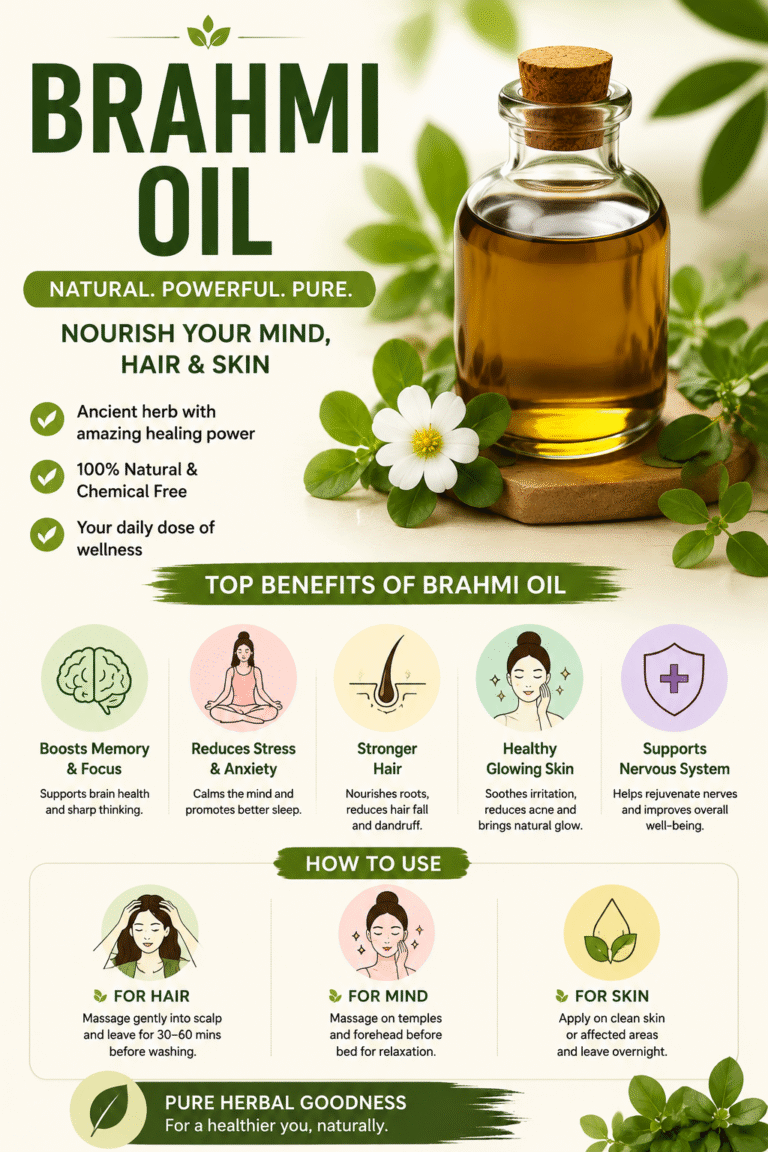
Bacopa monnieri is one of the most recognizable herbs in the memory-support category. Often associated with traditional Ayurvedic wellness, bacopa is commonly discussed in relation to learning, recall, and mental performance. It is frequently found in capsules, powders, tinctures, and brain health blends.
What makes bacopa especially interesting is its reputation as a slow-building herb. People who explore bacopa for cognitive wellness often think of it as a long-term addition rather than something used occasionally. This makes it a good example of how herbal support usually works best with patience and consistency.
How People Commonly Use Bacopa
- As a standardized supplement under professional guidance
- In herbal formulas designed for focus or study support
- As part of a morning wellness routine
- Combined with lifestyle habits like journaling, reading, and consistent sleep
Bacopa has a naturally bitter taste, so it is often easier to use in supplement form than as a casual tea. If you are drawn to bacopa, prioritize reputable brands and clear labeling.
Ginkgo Biloba: A Well-Known Herb for Mental Clarity
Ginkgo biloba is one of the most widely recognized herbs connected with memory and brain health. Its distinctive fan-shaped leaves are often used as a visual symbol for cognition, clarity, and longevity. Ginkgo is commonly associated with healthy circulation, which is why it appears so often in formulas designed for mental sharpness.
Ginkgo is not usually treated as a casual culinary herb. It is most often found as an extract or supplement. Because it can interact with certain medications and may not be appropriate for everyone, it is especially important to use ginkgo thoughtfully.
Pro Tip: When comparing herbal products, look beyond the front label. Check the plant part used, extract type, serving size, and any standardization details. These small details can make a big difference in product quality.
Gotu Kola: Gentle Support for Calm Focus
Gotu kola is another herb with a long history in traditional wellness practices. It is often connected with calm concentration, mental balance, and overall vitality. While bacopa is frequently discussed for learning and recall, gotu kola is often appreciated for its soothing, grounding personality.
This herb can be used in teas, tinctures, capsules, and topical preparations. In the context of memory and focus, gotu kola is most relevant for people who feel that stress or scattered thoughts interfere with concentration. A calm mind is often a more receptive mind.
Best Fit for a Wellness Routine
Gotu kola may pair well with slower self-care practices such as meditation, breathwork, gentle stretching, or evening tea rituals. It fits beautifully into a routine centered on mental clarity without overstimulation.
Ashwagandha: Stress Support for a Clearer Mind
Ashwagandha is best known as an adaptogen, a term used for herbs traditionally associated with helping the body handle stress. While it is not always marketed as a direct memory herb, it is highly relevant to brain wellness because stress can affect attention, recall, sleep, and motivation.
When the nervous system feels overloaded, even simple tasks can seem harder to remember. That is where stress-supportive herbs like ashwagandha enter the conversation. By supporting relaxation and resilience, ashwagandha may help create better conditions for mental performance.
Why This Matters
Memory does not thrive under constant pressure. Herbs that support relaxation, sleep quality, and emotional balance can be just as important as herbs traditionally linked with recall or focus.
Peppermint: A Fresh Herb for Alertness and Energy
Peppermint is familiar, refreshing, and easy to use. Its cool aroma is often associated with alertness, clarity, and a sense of renewed energy. While peppermint may not have the same reputation as bacopa or ginkgo in memory-focused supplements, it remains a favorite for people who want a quick mental refresh.
Peppermint tea is a simple choice during an afternoon slump. The scent of peppermint essential oil is also popular in study spaces, work areas, and morning routines. Its bright, clean character makes it especially useful when you want to feel more awake without reaching for another cup of coffee.
Easy Ways to Enjoy Peppermint
- Drink peppermint tea while studying or planning your day.
- Add fresh peppermint leaves to water for a cooling infusion.
- Use peppermint aroma in a workspace for a crisp, energizing atmosphere.
- Pair peppermint with lemon balm or green tea for a refreshing herbal blend.
Sage: A Kitchen Herb With Brain Health Appeal
Sage is a fragrant culinary herb with a strong connection to wisdom in both name and tradition. It is often included in discussions about memory-supporting herbs, and it is one of the easiest plants to bring into everyday meals.
Unlike some botanicals that require capsules or extracts, sage can be used in simple home cooking. It pairs beautifully with roasted vegetables, beans, soups, poultry, butter sauces, and savory grain dishes. This makes it a practical herb for people who prefer food-based wellness routines.
Important: A brain-friendly lifestyle does not have to be complicated. Adding herbs like sage, peppermint, and tulsi to meals and drinks can make wellness feel enjoyable, flavorful, and sustainable.
Tulsi: Holy Basil for Balance and Mental Ease
Tulsi, also known as holy basil, is cherished in herbal traditions for its uplifting and balancing qualities. It is commonly enjoyed as tea and often associated with stress support, emotional steadiness, and everyday resilience.
For memory and focus, tulsi’s value lies in its ability to support a calmer daily rhythm. Many people find that they think more clearly when they feel less tense. A warm cup of tulsi tea can become a small ritual that signals the body and mind to pause, breathe, and reset.
Tulsi Tea Ritual Idea
Try enjoying tulsi tea during a quiet planning session. Use that time to write down the top three things you want to remember or complete. Pairing an herbal ritual with a practical memory habit can make the routine more effective and easier to repeat.
Lion’s Mane Mushroom: A Popular Choice for Cognitive Wellness
Lion’s mane mushroom has become a standout in the world of natural brain health. Known for its unique, fluffy appearance, lion’s mane is often included in coffee alternatives, powders, capsules, and functional mushroom blends. It is commonly associated with focus, mental clarity, and cognitive support.
Many people enjoy lion’s mane because it fits easily into modern wellness routines. It can be stirred into warm drinks, blended into smoothies, or taken as a supplement. Its popularity has grown alongside interest in functional mushrooms and daily rituals that support productivity.
What to Look for in Lion’s Mane Products
- Clear labeling that identifies the mushroom species
- Information about fruiting body, mycelium, or extract type
- Third-party testing when available
- No unnecessary fillers in premium products
How to Build a Memory-Supporting Herbal Routine
The best herbal routine is one you can actually maintain. Instead of trying every herb at once, begin with one or two that match your lifestyle and goals. If you want a simple tea ritual, peppermint, tulsi, gotu kola, or sage may feel approachable. If you are interested in targeted supplements, bacopa, ginkgo, ashwagandha, or lion’s mane may be options to discuss with a professional.
Consistency matters, but so does listening to your body. Keep notes on how you feel, including energy, sleep, mood, digestion, and focus. This can help you notice patterns and avoid stacking too many new products at the same time.
A Simple Daily Flow
- Morning: Start with hydration, light movement, and a focus-supportive drink such as peppermint tea or a mushroom blend.
- Midday: Use herbs in food, such as sage in a savory lunch or fresh mint in water.
- Afternoon: Take a short break to reset attention before returning to work or study.
- Evening: Choose calming herbs like tulsi or gotu kola as part of a wind-down routine.
Brain Health Habits That Make Herbs Work Better
Herbs are most helpful when they are part of a larger foundation. Better memory starts with everyday choices that support the brain’s natural rhythm. Sleep gives the brain time to consolidate information. Movement encourages circulation. Balanced meals provide fuel. Stress management protects attention and emotional energy.
No herb can replace the basics. However, herbs can make those basics feel more enjoyable. A cup of tea can support a sleep routine. A fragrant herb can make healthy food more appealing. A mushroom powder can become part of a morning ritual that helps you begin the day with intention.
Pro Tip: Pair herbs with a memory technique. For example, sip peppermint tea while reviewing notes, use tulsi tea during journaling, or enjoy sage in a meal before an evening reading session. Repeated cues can help strengthen routines.
Supportive Lifestyle Practices
- Prioritize seven to nine hours of quality sleep when possible.
- Stay hydrated throughout the day.
- Eat colorful foods rich in nutrients.
- Move your body regularly, even with short walks.
- Reduce multitasking when trying to learn or remember something important.
- Use lists, calendars, repetition, and visual reminders to reinforce memory.
Choosing Herbs Safely and Wisely
Natural does not always mean risk-free. Herbs can be powerful, especially when used as concentrated extracts. Some may interact with medications, affect sleep, influence blood pressure, or be unsuitable for certain health conditions. This is why quality and context are so important.
Start slowly. Avoid combining many new herbs at once. Read labels carefully. Choose products from reputable companies. When in doubt, ask a qualified herbalist, pharmacist, dietitian, or healthcare provider for personalized guidance.
Smart Questions to Ask Before Using an Herb
- What is my main goal: focus, calm, recall, energy, or stress support?
- Am I taking any medications or supplements that could interact?
- Is this herb better as tea, food, tincture, capsule, or extract?
- How long should I use it before evaluating results?
- Is the product clearly labeled and from a trustworthy source?
Best Herbs for Different Memory Wellness Goals
Each herb has its own personality. Choosing based on your actual needs can make your routine feel more focused and less overwhelming.
| Goal | Herbs to Consider | Common Use Style |
|---|---|---|
| Learning and recall | Bacopa monnieri, ginkgo biloba | Supplements or extracts |
| Calm focus | Gotu kola, tulsi, ashwagandha | Tea, tinctures, capsules |
| Mental refresh | Peppermint, sage | Tea, cooking, aroma |
| Cognitive wellness routine | Lion’s mane mushroom | Powders, drinks, capsules |
At a Glance
- Choose peppermint or sage for simple food and tea-based routines.
- Consider tulsi or gotu kola when stress affects focus.
- Explore bacopa, ginkgo, or lion’s mane for targeted brain wellness support.
- Use herbs alongside sleep, movement, hydration, and healthy meals.
- Check safety guidance before using concentrated herbal supplements.
Conclusion: A Natural Approach to Memory and Mindful Living
Herbs for better memory offer more than a list of trendy ingredients. They invite a thoughtful way to care for the mind through daily rituals, nourishing choices, and a deeper connection to nature. Bacopa monnieri, ginkgo biloba, gotu kola, ashwagandha, peppermint, sage, tulsi, and lion’s mane mushroom each bring something unique to the conversation around focus, clarity, and cognitive wellness.
The most effective approach is not about doing everything at once. Start with the herbs that fit your lifestyle, use them consistently, and support them with strong brain health foundations. Rest well, eat well, move often, manage stress, and create routines that help your mind feel clear and steady. With patience and intention, herbal wellness can become a beautiful part of a memory-supporting lifestyle.
Tags
Memory Herbs Brain Health Bacopa Monnieri Ginkgo Biloba Lion’s Mane Herbal Wellness Natural Remedies Focus Support