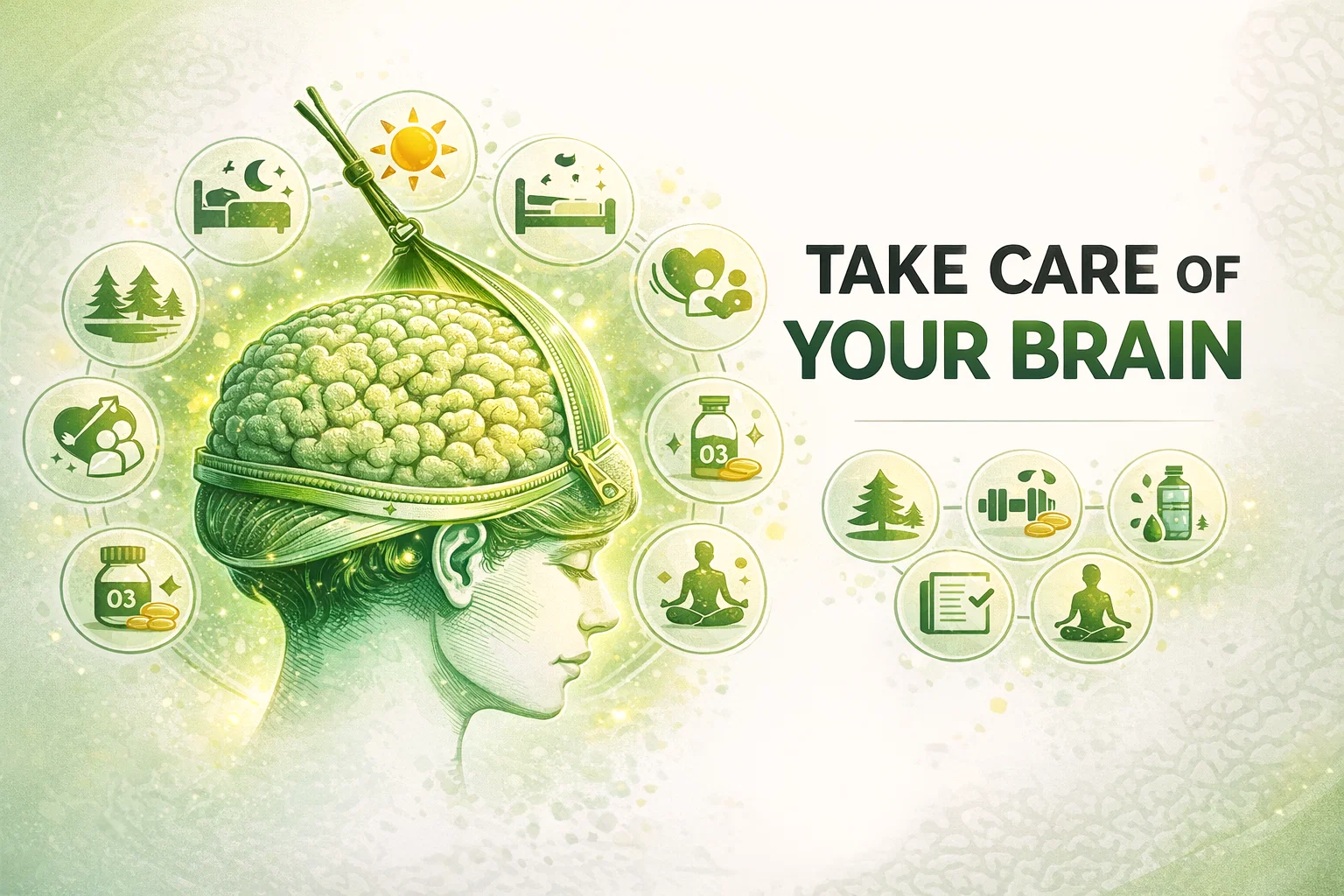
Ultimate Brain Health Guide Daily Habits for Mental Wellness Cognitive Focus
Caring for your brain is the ultimate long-term investment in your quality of life. While we often focus on physical fitness or career goals, the command center of our entire existence frequently gets overlooked until we experience burnout or cognitive fatigue. The human brain is an incredibly adaptable organ, capable of profound change and resilience when provided with the right environment and nutrients. By adopting a holistic approach to mental wellness, you can enhance your focus, stabilize your mood, and protect your cognitive longevity. This guide explores the multifaceted pillars of brain health, offering actionable strategies to help you thrive from the inside out.
The Foundations of Nutritional Support for Cognitive Function
What you put on your plate serves as the literal building blocks for your brain cells. Unlike other organs, the brain is highly sensitive to nutritional deficiencies, particularly when it comes to healthy fats and essential vitamins. Fueling your mind correctly ensures that your neurotransmitters fire efficiently and your cognitive processing remains sharp throughout the day.
The Power of Omega-3 Fatty Acids
Omega-3 fatty acids, particularly DHA and EPA, are vital components of brain cell membranes. They play a critical role in reducing inflammation and promoting the birth of new neurons. Incorporating fatty fish like salmon, or plant-based sources such as walnuts, chia seeds, and flaxseeds, helps maintain the structural integrity of your brain. Regular intake has been linked to improved memory and a lower risk of cognitive decline as we age.
The Sunshine Vitamin: Vitamin D and Brain Health
Vitamin D acts more like a hormone than a vitamin, with receptors located throughout the brain. It is involved in everything from neurotransmitter synthesis to nerve growth. Many people suffer from a deficiency without realizing it, which can lead to brain fog and low mood. Whether through safe sun exposure, fortified foods, or high-quality supplementation, ensuring adequate Vitamin D levels is a foundational step for anyone looking to optimize their mental state.
Physical Movement as a Cognitive Catalyst
Exercise is often viewed through the lens of weight management or cardiovascular health, but its impact on the brain is arguably its most significant benefit. When you move your body, you are essentially bathing your brain in a cocktail of growth factors that improve learning and emotional regulation.
Aerobic Training and Oxygenation
Aerobic exercise, such as brisk walking, running, or cycling, increases heart rate and pumps more oxygen to the brain. This process stimulates the release of brain-derived neurotrophic factor, a protein that supports the survival of existing neurons and encourages the growth of new ones. Even twenty minutes of moderate aerobic activity can provide an immediate boost in executive function and creativity.
Resistance and Weight Training
Lifting weights isn’t just for building muscle; it also builds a stronger mind. Studies suggest that resistance training can improve memory and executive function, particularly in older adults. The focus and coordination required for complex movements engage multiple regions of the brain simultaneously, creating a protective effect against age-related shrinkage in the hippocampus.
The Restorative Power of Sleep and Nature
In our fast-paced world, rest is often treated as a luxury. However, the brain requires downtime to repair itself and process the vast amounts of information gathered during waking hours. Neglecting rest is one of the fastest ways to compromise your mental health.
The Non-Negotiable Need for Quality Sleep
During deep sleep, the brain glymphatic system kicks into high gear, acting like a waste disposal service that clears out metabolic debris. Without sufficient sleep, these toxins accumulate, leading to impaired judgment and emotional instability. Establishing a consistent sleep hygiene routine, such as cooling your bedroom and avoiding blue light before bed, is essential for keeping your cognitive gears running smoothly.
Nature as a Mental Reset
Spending time in green spaces has a profound effect on the nervous system. Nature therapy, or forest bathing, lowers cortisol levels and reduces the sympathetic “fight or flight” response. Whether it is a hike in the woods or a simple walk through a local park, the sensory experience of being outdoors helps restore attention and reduces the mental fatigue caused by urban environments.
Mindset and Psychological Resilience
The way we speak to ourselves and the mental habits we cultivate determine our internal landscape. Psychological resilience is not a fixed trait; it is a skill that can be developed through intentional practice and self-awareness.
The Impact of Positive Self-Talk
Our internal monologue acts as a constant background track to our lives. Negative self-criticism triggers stress responses that can physically wear down the brain over time. By consciously shifting toward positive self-talk, you can rewire your neural pathways to favor optimism and problem-solving. This isn’t about ignoring reality, but rather about approaching challenges with a mindset of growth rather than defeat.
Practicing Gratitude for Neural Rewiring
Gratitude is a powerful tool for shifting brain chemistry. Regularly acknowledging the things you are thankful for stimulates the production of dopamine and serotonin, the brain’s natural feel-good chemicals. Over time, a consistent gratitude practice can strengthen the circuits associated with social connection and emotional stability, making it easier to navigate life’s inevitable ups and downs.
Advanced Techniques for Stress Management
Chronic stress is the enemy of a healthy brain. It shrinks the prefrontal cortex and enlarges the amygdala, making us more reactive and less capable of logical thought. Implementing specific stress-reduction techniques is vital for maintaining a balanced mind.
Breathwork and Immediate Calming
Controlled breathing is the fastest way to communicate with your nervous system. By slowing down your breath and focusing on deep, diaphragmatic inhales, you signal to your brain that you are safe. Techniques like box breathing or the 4-7-8 method can be used anywhere to instantly lower heart rate and clear mental clutter during high-pressure moments.
The Science of Meditation and Mindfulness
Meditation is essentially weightlifting for your attention span. Regular practice increases the thickness of the prefrontal cortex, the area responsible for decision-making and self-control. It also helps dampen the activity of the default mode network, which is often associated with mind-wandering and ruminating on past mistakes or future anxieties.
Self-Hypnosis for Subconscious Change
Self-hypnosis allows you to access a deeply relaxed state where the mind is more open to positive suggestions. It can be an effective tool for breaking bad habits, reducing anxiety, and improving sleep quality. By visualizing desired outcomes while in a trance-like state, you can align your subconscious beliefs with your conscious goals.
Lifestyle Habits for Long-Term Vitality
The small choices you make every day accumulate into your long-term health profile. Beyond nutrition and exercise, how you interact with technology and spend your leisure time matters immensely.
Limiting Screen Time and Digital Overload
The constant barrage of notifications and short-form content can shorten our attention spans and increase feelings of anxiety. Setting boundaries around technology use, such as “no-phone zones” or scheduled digital detoxes, allows the brain to recover from the constant state of high-alert. This creates space for deeper thinking and more meaningful real-world interactions.
The Importance of Quality Social Connections
Humans are inherently social creatures, and our brains thrive on connection. Meaningful relationships provide emotional support and cognitive stimulation. Engaging in deep conversations, sharing experiences, and feeling a sense of belonging are all linked to better mental health and a reduced risk of cognitive decline in later years.
Hydration and Brain Performance
The brain is composed of roughly 75 percent water. Even mild dehydration can lead to significant drops in concentration, memory, and mood. Keeping a water bottle nearby and ensuring you stay hydrated throughout the day is one of the simplest and most effective ways to maintain peak cognitive performance.
Cultivating Hobbies and Lifelong Learning
A bored brain is a stagnant brain. To keep your mind sharp, you must continually challenge it with new information and creative outlets. Hobbies are not just a way to pass the time; they are essential for cognitive flexibility.
The Benefits of New Hobbies
Whether it is learning a musical instrument, practicing a new language, or taking up a craft like woodworking, new hobbies force the brain to form new neural connections. This neuroplasticity is what keeps the mind youthful and adaptable. The more diverse your interests, the more robust your “cognitive reserve” becomes.
Delayed Gratification and Discipline
In an age of instant hits of dopamine from social media and fast food, practicing delayed gratification is a superpower. Engaging in activities that require effort before providing a reward, such as long-term projects or skill-building, strengthens the prefrontal cortex. This discipline carries over into all areas of life, helping you stay focused on your most important goals.
Conclusion: Building Your Personalized Brain Health Routine
Taking care of your brain is a holistic endeavor that touches every aspect of your lifestyle. It is not about being perfect in every category, but rather about making consistent, small improvements that add up over time. Start by choosing two or three pillars to focus on this week, perhaps by increasing your water intake, adding a daily walk, or practicing five minutes of meditation. As these habits become second nature, you can layer on more advanced techniques like breathwork or resistance training.
Remember that your brain is a dynamic and living organ that responds to the care you give it. By prioritizing nutrition, movement, rest, and a positive mindset, you are not just preventing future issues; you are enhancing your ability to experience joy, creativity, and connection in the present moment. Your future self will thank you for the effort you put into your mental wellness today. Start small, stay consistent, and enjoy the journey toward a clearer, stronger, and more resilient mind.